As an Amazon Associate, we earn from qualifying purchases. Some links on this site are affiliate links at no extra cost to you. Our recommendations are based on thorough research and editorial judgment.

When Do Babies Start Crawling? A Developmental Guide

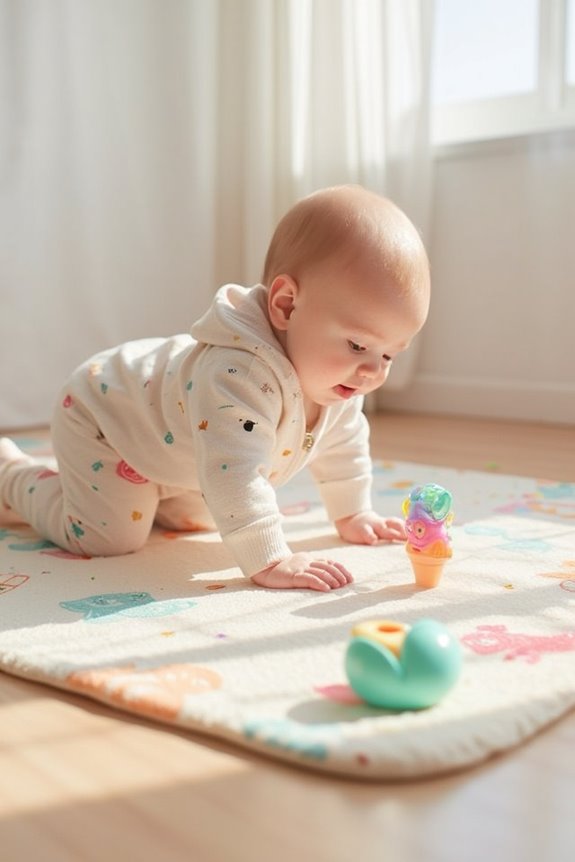
Crawling typically starts between 6 and 12 months, with most babies beginning around 7 to 10 months. This timeline marks a significant milestone in mobility and exploration. We can encourage crawling by providing regular tummy time and placing toys just out of reach. It’s important to ensure safe environments, free from hazards. Remember, each baby’s journey is unique, so observing their readiness is key. Let’s explore more about what to expect as your baby grows!
Key Takeaways
- Babies typically start crawling between 6 and 12 months, with the most common age being 7 to 10 months.
- Developmental milestones such as tummy time, rolling over, and pushing up on hands contribute to a baby’s readiness to crawl.
- Various crawling styles include belly crawl, classic crawl, bear crawl, crab crawl, and scoot crawling, each promoting different skills.
- Encouraging crawling can be achieved through regular tummy time, placing toys out of reach, and engaging in floor play.
- Safety precautions, like securing furniture and covering hazards, are essential to create a safe crawling environment for babies.
Typical Crawling Age
You may be interested


When it comes to the typical crawling age for babies, we can expect them to start this exciting milestone between 6 and 12 months. Most often, we notice crawling occurring between 7 and 10 months, but some little ones might surprise us by starting as early as 6 months or a bit later, around 10 months. It’s essential to remember that each baby is unique, so their readiness can vary.
Here are a few signs of baby readiness:
- Increased tummy time
- Lifting legs in a crawling motion
- Improved balance and coordination
- Curiosity about their surroundings
Crawling variations—like scooting or creeping—are all part of this journey, making it a special time to cherish. Let’s celebrate every step of the way!
Developmental Milestones Leading to Crawling
As babies grow and approach their crawling phase, several developmental milestones come into play that pave the way for this exciting activity. We start with tummy time, which is essential from 0 to 3 months. This practice strengthens their neck and back muscles.
Next, they typically learn to roll over between 2 and 5 months, which enhances their mobility. By 4 to 6 months, pushing up on their hands becomes a natural progression, developing crucial muscle strength.
Reaching for objects during tummy time fosters hand-eye coordination, while balancing and rocking on hands and knees helps them prepare for crawling. All these milestones create a solid foundation for your little one’s crawling journey, ensuring they’re ready for this next exciting phase!
Recommended Products

6 SENSORY HANGING TOYS & BONUS CARDS: Elevate playtime with our baby gym's 6 removable toys. These thoughtfully crafted toys cater to your baby's growth needs and spark boundless sensory exploration. As a delightful bonus, we also include 12 colorful milestone cards to celebrate each month of your baby's incredible journey.

Promote your baby's sensory development: The soft, comfortable baby tummy time water mat is the perfect sensory toy for developing solid head, neck and shoulder muscles as well as refining the hand-eye coordination, fine motor and social skills. The bright, colourful sea animals and eye-catching illustrations will keep your baby playing for hours.
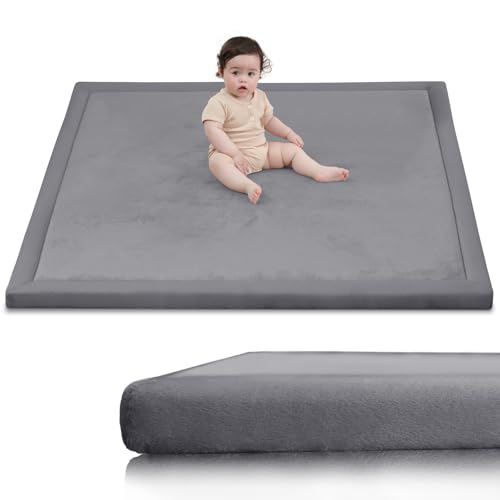
【Safe & Certified for Babies】Our baby play mat is designed with safety as the top priority. Certified by OEKO-TEX fabric standards and tested to meet CPSIA and ASTM requirements, this kids play mat is free from harmful substances. Parents can choose with confidence, knowing their little ones are playing on a non-toxic, ultra-soft crawling mat.
Various Crawling Styles
Crawling is a significant milestone in your baby’s development, and there’s more than one way to get there! Let’s explore some fascinating styles:
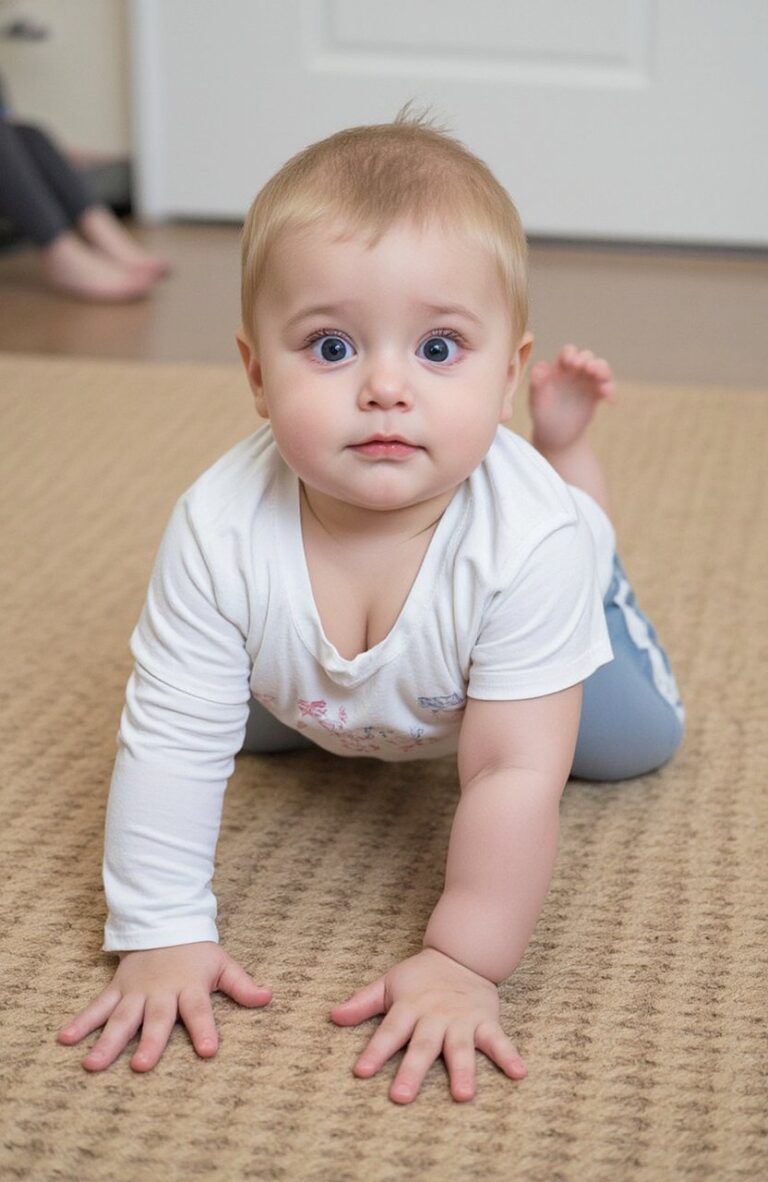
- Belly Crawl: This boosts upper body strength and sensory input.
- Classic Crawl: Known for its effectiveness in developing core, back, and hip muscles.
- Bear Crawl: A transitional phase that builds strength for standing.
- Crab Crawl: Moves sideways, providing functional movement, though not typical.
- Roll Crawl: Efficient for transportation but less beneficial for muscle growth.
- Army Crawl: Similar to the belly style, it uses arms for movement.
- Scoot Crawling: Babies use their arms while sitting.
- Cross Crawl: Engages both sides of the body, enhancing coordination.
Each style offers unique benefits as your little one embarks on this exciting journey!
Recommended Products
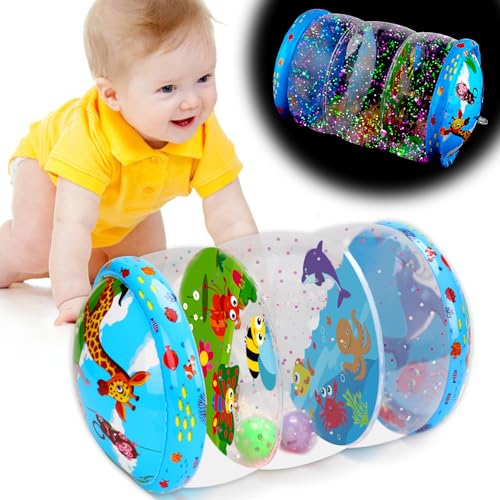
Babies Jumbo Roller Toys with Creative Design: Our rolling baby toy feature cute animals of the sea and land, come with two rattling balls inside. Even after crawling it has fun balls and holes to shake stuff through. Attract baby's attention to help baby crawl. Any baby that is crawling will absolutely love this fun baby crawling toys. Sensory toys for babies. Perfect choice as birthday gifts, great crawling toys for babies 6-12 months. Baby gifts for girls boys 1 year old.

The classic Fisher-Price Corn Popper toy is reimagined as a push-along vehicle for exciting motor skills-boosting play

Baby Crawling Encourage Baby to Crawl or Sit Up: The Musical ladybug toy for babies 6-12 months is smart and moves around, turning when it hits a wall. With 360° crawling action, lively music, and colorful lights, it attracts your baby to chase and crawl. This toy helps develop gross motor skills and teaches control of large muscles for walking and balance during play. It stimulates curiosity and encourages crawling toys for boy and girl
How to Encourage Crawling
To help our little ones master the art of crawling, we can take a few practical steps that make a big difference.
- Tummy Time: Regular tummy time strengthens their neck and back muscles, prepping them for crawling.
- Toy Placement: Let’s place toys just out of reach to encourage our babies to stretch and move toward them.
- Floor Play: Spending time on the floor allows them to explore and practice moving freely.
- Safe Spaces: Creating safe, hard surfaces encourages practice without unnecessary restrictions.
- Parental Involvement: Engaging with them during playtime makes it fun and motivating.
Recommended Products

Spacious & Versatile Play Zone: Generous 50"x50" size creates a safe activity area for tummy time, crawling, walking practice, or family play. Easily transitions from living rooms and bedrooms to playrooms and outdoor picnics

Newborn Baby Essentials - The baby play gym is designed to develop stage-based sensory and motor skill. The soft mat provides a comfortable space for baby to rest, entertain and learn, and the hanging toys can stimulate baby's sight hearing and touch, they can effectively enhance the development of sensory perception and improve physical coordination

Thicker,Safer - Baby's each phase is a new discovery and a shared joy. Our baby play mat for floor is 30% thicker than most other brands, made padding foam and polyester fiber on surface, it provides a safer spot for babies learning to roll, crawl or walk. Each milestone is a cherished memory, enriching parenthood a blissful journey
The Importance of Crawling
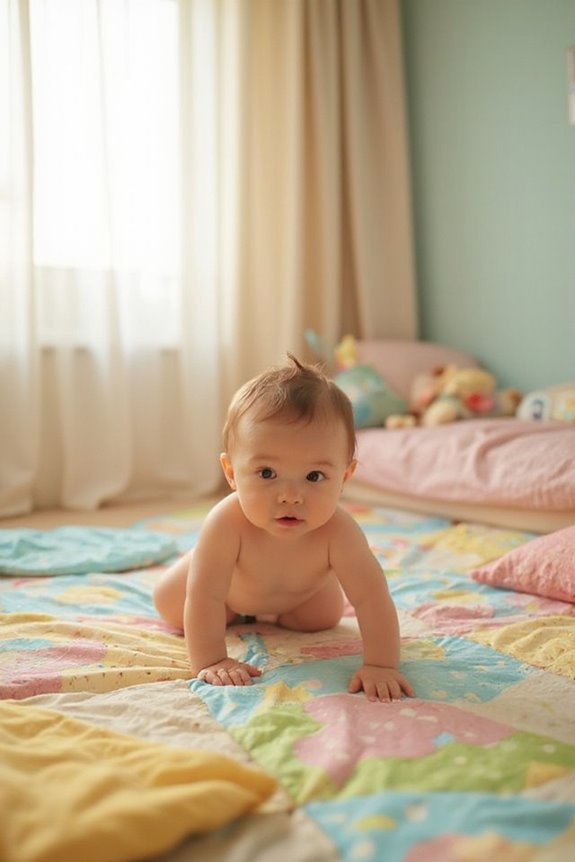
While many of us might think of crawling as just a fun phase in our babies’ development, it actually plays a crucial role in their overall growth. Embracing the crawling stages brings significant crawling benefits that we shouldn’t overlook.
- Physical Strength: Crawling strengthens essential muscles, enhances core stability, and improves joint flexibility.
- Cognitive Development: It encourages problem-solving and sensory integration, building crucial brain connections.
- Fine Motor Skills: From hand-eye coordination to precise movements, crawling lays the foundation for later skills.
- Emotional Growth: As babies explore, they gain confidence and body awareness, enriching their social interactions.
Safety Precautions for Crawling Babies
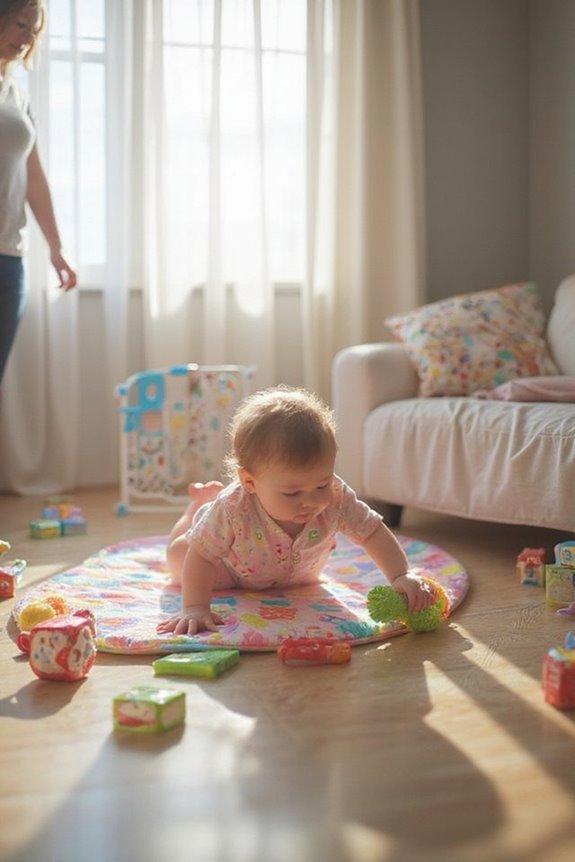
As our little ones embark on their crawling journey, ensuring a safe environment becomes essential for their exploration and development. Here are some babyproofing essentials to keep in mind:
- Secure furniture to prevent tip-overs and cover sharp edges.
- Prepare floors with non-skid rugs and padding for slippery areas.
- Cover electrical outlets and tie up loose cords to eliminate crawling hazards.
Designate crawling areas free from choking materials, and consider using knee pads or leg warmers for added protection. Installing gates at stairways prevents falls, while active supervision helps us anticipate risks. By regularly reviewing our safety measures, we can create a nurturing space where our babies can thrive as they explore their world.
Recommended Products

QUICK & EASY WAY TO HELP YOU PROTECT YOUR TODDLER from accidents and electrocution! The Wappa Baby outlet plug covers are here to offer you that much-needed peace by minimizing the chances of your little explorer reaching into your home’s electric sockets.
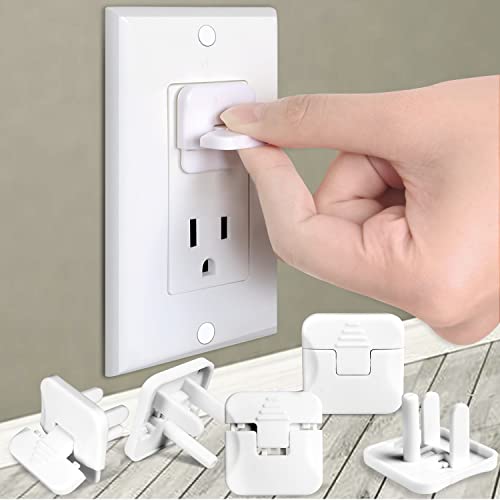
Safety Protection - Our outlet covers protect your children from accidents and prevent electrocution,outlet plugs can make sure that your little explorer cannot reach into your home’s electric sockets

This is a Big Box! - Our double locking system (top and bottom buttons) requires two hands to open for better safety. Easy for adults to operate but difficult for babies and toddlers. PLEASE WATCH OUR INSTALLATION VIDEO.
What to Do If Your Baby Skips Crawling
Creating a safe space for our little ones as they begin to crawl is just one part of the journey; we also need to be prepared for the possibility that some babies might skip this stage altogether. If our baby is one of those skipping milestones, let’s remember a few key points:
- Skipping crawling is common, affecting 4-15% of babies.
- Movement alternatives, like scooting or rolling, still build strength and coordination.
- Trust our baby’s natural progression; most develop normally without crawling.
- Monitor all developmental milestones, not just crawling.
- Seek professional advice if we notice significant delays in multiple motor skills.
Recommended Products

Set of 10 colorful blocks for baby to sort, stack and drop through the shape-sorter lid

Bright Starts Oball is a fan-favorite toy ball that has been engaging tiny fingers for over 25 years; flexible design features large finger holes to help baby easily grip and explore

Classic Baby Toys: Bundle including 1 stacking ring toy and 1 set of baby blocks
Observing Your Baby’s Unique Development Journey
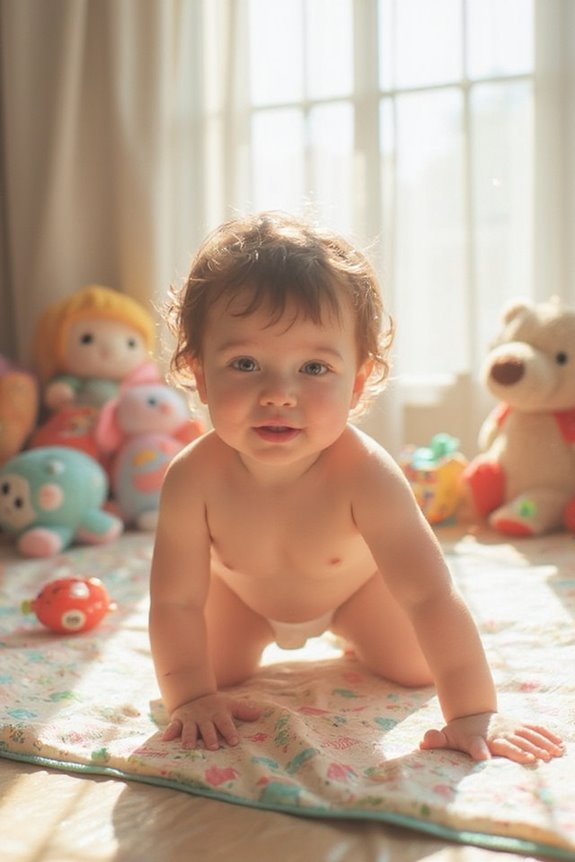
Every baby has their own unique journey when it comes to development, and crawling is just one of those exciting milestones. We all know that developmental variability means some babies might start crawling as early as 6 months, while others may take their time, beginning after 11 months. As we observe our little ones, we can look for signs of crawling readiness, like:
- Increased physical activity, such as kicking and pushing legs
- Attempts to push up onto hands and knees
- Rocking back and forth in position
Encouraging their progress with tummy time and placing toys just out of reach can help. Remember, each baby’s path is different, and it’s essential to celebrate their individual achievements without stressing over the timeline.
Frequently Asked Questions
Can Crawling Affect a Baby’s Speech Development?
When it comes to speech development, crawling milestones really pave the way. We’ve found that there’re strong speech connections, as crawling fosters interaction and communication, enriching our little ones’ language skills in delightful ways.
Are There Benefits to Different Crawling Styles?
Absolutely, exploring different crawling styles enriches our little ones’ developmental milestones. Each style offers unique benefits, enhancing their strength, coordination, and cognitive skills. Let’s celebrate this journey together, nurturing their growth every step of the way!
How Can I Tell if My Baby Is Ready to Crawl?
We can tell our baby’s ready to crawl by observing key crawling milestones. If they’re pushing up, rocking, or showing curiosity, it’s a beautiful sign of their growing strength and eagerness to explore the world!
What Should I Do if My Baby Crawls Later Than Peers?
If our baby crawls later than peers, let’s not worry too much. We can focus on their unique crawling milestones and consult professionals for any developmental concerns, ensuring they feel supported and loved along the way.
Do Babies Who Skip Crawling Face Developmental Issues?
Imagine tiny hands and knees discovering the world. If we skip those crawling milestones, developmental delays can creep in, affecting coordination and cognitive skills. Let’s embrace every crawl, nurturing our little ones’ growth together.
References
- https://www.babycenter.com/baby/baby-development/baby-milestone-crawling_6501
- https://parentdata.org/is-crawling-important/
- https://www.medicalnewstoday.com/articles/when-do-babies-crawl
- https://parentingscience.com/when-do-babies-crawl/
- https://www.pregnancybirthbaby.org.au/learning-to-crawl
- https://www.healthline.com/health/baby/when-do-babies-crawl
- https://www.pampers.com/en-us/baby/development/article/when-do-babies-crawl
- https://fdna.com/health/resource-center/why-does-my-baby-have-a-crawling-delay/
- https://www.goddardschool.com/blog/when-do-babies-start-crawling
- https://helpmegrowmn.org/HMG/HelpfulRes/Articles/BabyMilestones/index.html