As an Amazon Associate, we earn from qualifying purchases. Some links on this site are affiliate links at no extra cost to you. Our recommendations are based on thorough research and editorial judgment.

When Do Babies Roll Over? A Milestone Guide for Parents

Babies typically start rolling over between 4 to 7 months of age, which is an exciting milestone for all of us. During this time, we might notice them rocking side to side or pushing up on their arms during tummy time. To encourage rolling, we can use colorful toys or gently nudge them. It’s also important to create a safe practice environment. If you’re curious about the process and what to expect, there’s more valuable information ahead!
Key Takeaways
- Babies typically start rolling over between 4 and 7 months of age, but individual development varies.
- Signs of readiness include increased strength during tummy time and rocking side to side.
- Mastery of rolling from belly to back is usually achieved by 5.5 months.
- Encourage rolling by using colorful toys and engaging in interactive play.
- Ensure safety by removing swaddles and maintaining a clear crib environment.
Understanding the Rolling Milestone
You may be interested



When it comes to understanding the rolling milestone, it’s essential to recognize that this development typically occurs between 4 and 7 months of age. Each baby’s journey is unique, and we should embrace their individual pace.
To identify readiness, we can look for several developmental signs:
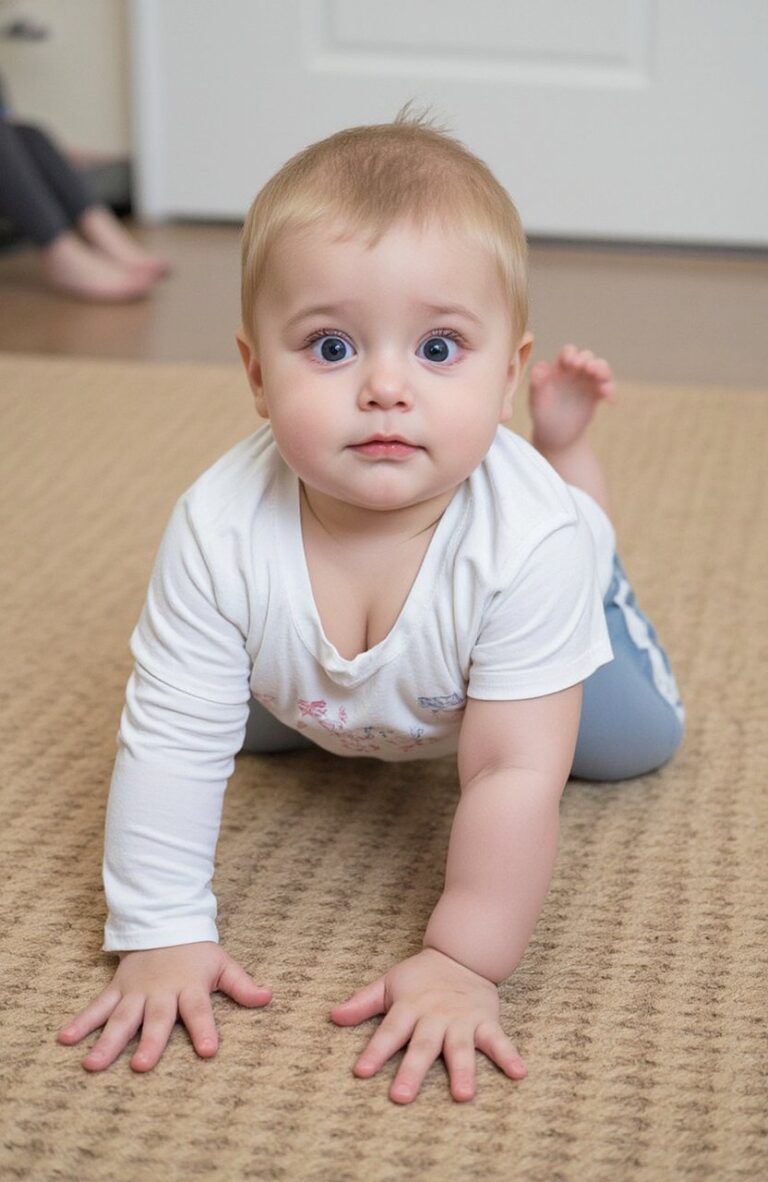
- Tummy Time: Increased strength during tummy time is crucial.
- Pushing Up: If your baby can push up on their arms, they’re getting closer!
- Rocking: Babies often rock from side to side, a precursor to rolling.
Rolling techniques often develop first from tummy to back before mastering back to tummy. By 6 months, most babies can roll over in both directions, showcasing their growing strength and coordination. Let’s celebrate these precious milestones together!
The Process of Rolling: What to Expect
As your baby approaches the rolling milestone, you’ll likely notice a fascinating progression in their movements. Initially, they might rock side to side, exploring their newfound strength. Between 3 and 5.5 months, they’ll often master rolling from belly to back.
Here’s what to expect:
- Rolling Techniques: Look for them using arm strength and core stability to initiate movement.
- Developmental Variations: Each baby rolls differently; some may take longer to show coordination when rolling from back to belly, typically achieved between 5 and 7 months.
Recommended Products

2-IN-1 PLAY MAT & SOFT PLAY ARENA: Use flat for sitting and crawling or pop up the four soft walls to create a cozy, contained play space. To assemble, fold each corner in half to form a triangle, pass the strap through the mat hole located at each corner, and secure with the buckle. Quick, tool-free setup

Thicker,Safer - Baby's each phase is a new discovery and a shared joy. Our baby play mat for floor is 30% thicker than most other brands, made padding foam and polyester fiber on surface, it provides a safer spot for babies learning to roll, crawl or walk. Each milestone is a cherished memory, enriching parenthood a blissful journey

Certified Safety: Independently tested phthalate-free and lead-free baby play mat. Made with non-toxic, odor-free sustainable fabrics meeting CPSIA safety standards for infants – your ultimate peace of mind.
Importance of Tummy Time
Tummy time is essential for our little ones, offering them opportunities to strengthen their muscles and develop skills that set the stage for future milestones. The tummy time benefits are profound, particularly in building core strength, which is vital for lifting their heads and eventually crawling.
Here’s why tummy time matters:
- Core and Muscle Development: It enhances back, neck, and arm strength, laying the groundwork for rolling and sitting.
- Prevention of Physical Conditions: Regular tummy time helps prevent flat head syndrome and encourages balanced neck muscle growth.
- Sensory and Cognitive Growth: It boosts sensory awareness and hand-eye coordination through engaging movements.
Recommended Products
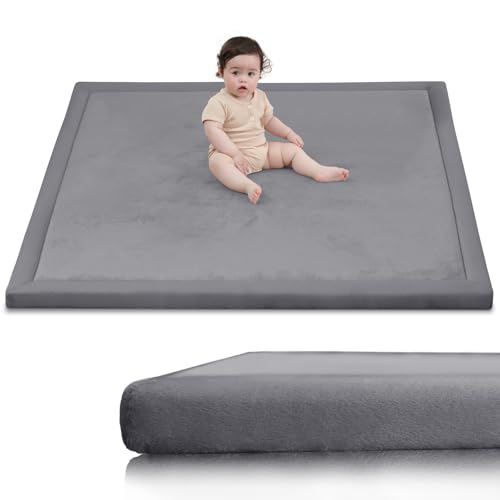
【Safe & Certified for Babies】Our baby play mat is designed with safety as the top priority. Certified by OEKO-TEX fabric standards and tested to meet CPSIA and ASTM requirements, this kids play mat is free from harmful substances. Parents can choose with confidence, knowing their little ones are playing on a non-toxic, ultra-soft crawling mat.

Promote your baby's sensory development: The soft, comfortable baby tummy time water mat is the perfect sensory toy for developing solid head, neck and shoulder muscles as well as refining the hand-eye coordination, fine motor and social skills. The bright, colourful sea animals and eye-catching illustrations will keep your baby playing for hours.

6 SENSORY HANGING TOYS & BONUS CARDS: Elevate playtime with our baby gym's 6 removable toys. These thoughtfully crafted toys cater to your baby's growth needs and spark boundless sensory exploration. As a delightful bonus, we also include 12 colorful milestone cards to celebrate each month of your baby's incredible journey.
Encouraging Your Baby to Roll
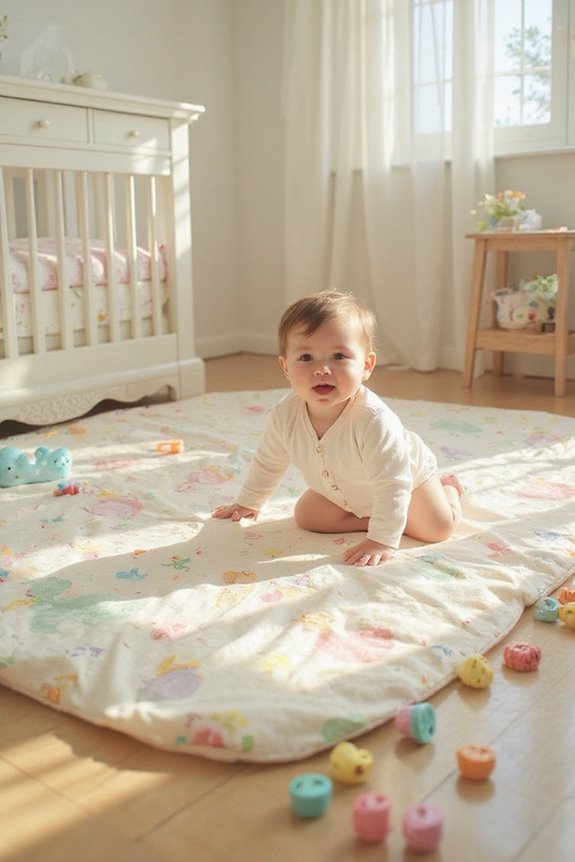
Supporting our babies during their journey to rolling over is an exciting and rewarding process. To encourage this important milestone, we can make tummy time fun and engaging. Here are some strategies:
- Use Toys and Mirrors: Placing colorful toys just out of reach or using mirrors can spark baby motivation and curiosity.
- Interactive Play: Get down on the floor face-to-face, encouraging our little ones to reach and strengthen their muscles.
- Gentle Guidance: If they show signs of readiness, like pushing up on their hands, we can gently nudge their leg or shoulder to help them roll.
- Create an Engaging Environment: A variety of positions and playful surroundings will keep them excited about practicing their rolling skills.
Let’s celebrate each attempt together!
Recommended Products

Spacious & Versatile Play Zone: Generous 50"x50" size creates a safe activity area for tummy time, crawling, walking practice, or family play. Easily transitions from living rooms and bedrooms to playrooms and outdoor picnics

Newborn Baby Essentials - The baby play gym is designed to develop stage-based sensory and motor skill. The soft mat provides a comfortable space for baby to rest, entertain and learn, and the hanging toys can stimulate baby's sight hearing and touch, they can effectively enhance the development of sensory perception and improve physical coordination

BABY PLAY MAT With BABY SEATS: The baby play gym mat features a charming flower-shaped design, while the baby seat comes in an adorable rabbit form. This eye-catching and cute combination is sure to attract babies' attention and stimulate their visual development. Comes with 5 removable toys. These tummy time toys not only provide entertainment but also help in developing the baby's grasping, tactile, and cognitive skills as they explore and play with each one
Typical Timeline for Rolling Development
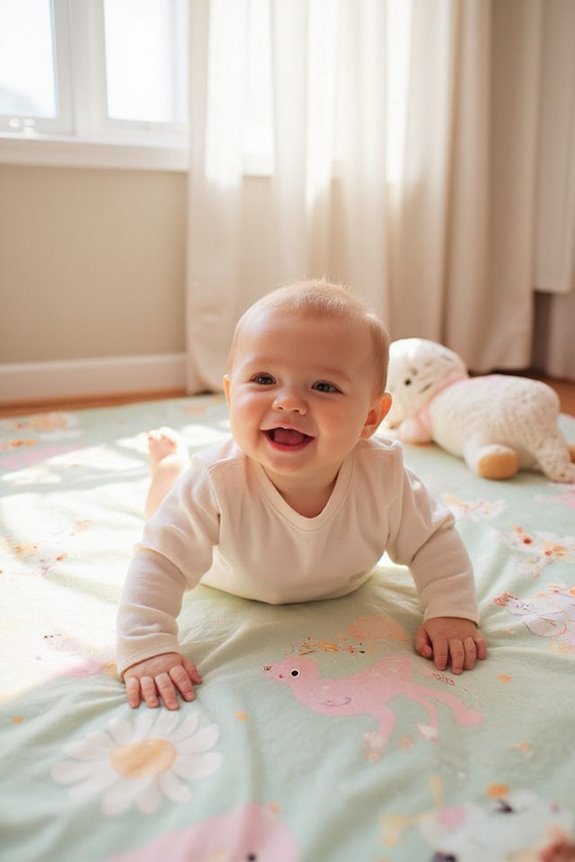
Rolling over is an exciting milestone for our little ones, typically occurring between 3 to 6 months of age. During this time, we can look for signs of rolling readiness, which often begin with our babies rocking from side to side.
- Tummy to Back: Most of our babies will roll from tummy to back by around 4 months, developing this skill through tummy time and engaging their back and shoulder muscles.
- Back to Tummy: This usually happens between 5 to 6 months, requiring strong neck, back, and arm muscles.
Factors Affecting Rolling Skills
As babies grow and develop, several factors can significantly influence their ability to roll over. Muscle development is key; strong neck, arm, and core muscles provide the necessary strength for rolling. Regular tummy time is essential, helping to build these muscles while also enhancing head control.
Environmental stimulation plays a vital role too. Soft play surfaces encourage movement, and engaging toys motivate babies to explore and roll. Our interaction with them can spark their desire to roll over, making it a fun experience.
Additionally, a comfortable room temperature and ample floor space allow for safe practice. By considering these factors, we can support our little ones as they reach this exciting milestone!
Recommended Products

Newborn Baby Essential – This baby play gym supports stage-based sensory and motor development. The soft mat offers a cozy space to rest, play, and learn, while hanging toys engage sight, hearing, and touch to build sensory awareness and coordination.

Promote your baby's sensory development: The soft, comfortable baby tummy time water mat is the perfect sensory toy for developing solid head, neck and shoulder muscles as well as refining the hand-eye coordination, fine motor and social skills. The bright, colourful sea animals and eye-catching illustrations will keep your baby playing for hours.

【The 5-in-1 Grow-With-Me Gym: From First Tummy Time to Toddler Play】More than a play mat, this baby activity center evolves with your child. It’s a tummy time trainer, a sensory playground with curated toys, a soft play space for sitting, a portable gym for travel, and a photo-ready backdrop. The ultimate baby essential for developmental play from newborn to toddler.
Safety Tips for Rolling Babies
Once babies start to develop their rolling skills, it’s important for us to prioritize their safety. Here are some essential safety guidelines to keep in mind:
- Swaddling: Stop swaddling once your baby can roll, as it can restrict their movement and breathing.
- Sleep Environment: Ensure the crib is free from pillows and blankets to prevent suffocation hazards.
- Back Sleeping: Always place your baby on their back to sleep, even if they can roll over.
- Supervision: Keep a close watch when they’re learning to roll, especially if using foam wedges or sleep positioners.
- Crib Sheet Management: Make sure the crib sheet is tight and flat to minimize entanglement risks.
Recommended Products

Gentle and Comfy:Wrrernsin sleeping sack is crafted from 100% pure cotton fabric, soft and skin-friendly, with exceptional breathability to create a comfy sleeping space for babies. Meeting the safety standards of the US Consumer Product Safety Commission (CPSC), it ensures worry-free use for little ones. The 0.5 tog warmth level and sleeveless design effectively reduce underarm sweating, keeping babies dry and cozy all night—perfect for year-round use

【Perfect for Sensitive Skin】Baby sleep sack for all seasons,No risk of overheating in babies- Made of 100% Rayon Cotton. Super soft, cozy. machine washable. Perfect for babies with sensitive skin.

Gentle and Comfy:Wrrernsin sleeping sack is crafted from 100% pure cotton fabric, soft and skin-friendly, with exceptional breathability to create a comfy sleeping space for babies. Meeting the safety standards of the US Consumer Product Safety Commission (CPSC), it ensures worry-free use for little ones. The 0.5 tog warmth level and sleeveless design effectively reduce underarm sweating, keeping babies dry and cozy all night—perfect for year-round use
Monitoring Your Baby’s Progress
Monitoring your baby’s progress as they begin to roll is essential for understanding their development and ensuring they’re on track. By keeping rolling observations, we can better assess milestones like side rocking, tummy time success, and reaching for toys. Here are some helpful tips for developmental tracking:
- Consistent Observation: Note how often they attempt to roll and any successful rolls.
- Document Milestones: Record the dates of their first belly-to-back and back-to-belly rolls.
- Evaluate Context: Observe rolling during play or tummy time.
If we notice any regression in skills or if they haven’t rolled by 6 months, it’s wise to consult a healthcare provider. This proactive approach helps us support our little ones as they grow and develop.
Frequently Asked Questions
What Should I Do if My Baby Isn’t Rolling by Six Months?
If our baby isn’t rolling by six months, we might feel worried about potential developmental delays. Let’s share our parental concerns with a pediatrician, who can guide us through the next steps for support and reassurance.
Can Rolling Over Cause Any Injuries to My Baby?
We understand your concerns about rolling safety. While rolling can lead to minor bumps, focusing on injury prevention, like supervising on elevated surfaces, helps keep our little ones safe as they explore their newfound mobility.
Is It Normal for Babies to Roll in Their Sleep?
It’s completely normal for babies to roll in their sleep. While we monitor their sleep positions, we implement safety measures, ensuring a secure environment, so they can explore their newfound mobility without worry.
How Can I Tell if My Baby Is Ready to Roll?
To tell if our baby’s ready to roll, we should watch for signs of developing motor skills, like head lifting and body weight shifts. These developmental stages are exciting moments that show our little one’s growth.
Do All Babies Roll Over in the Same Way?
Like snowflakes, each baby’s rolling techniques are unique, shaped by their individual milestones. We’ve seen how some twist and turn effortlessly, while others take their time, reminding us that every journey unfolds beautifully in its own way.
References
https://blog.lovevery.com/child-development/everything-you-need-to-know-about-babies-and-rolling/
https://helpmegrowmn.org/HMG/HelpfulRes/Articles/BabyMilestones/index.html
https://www.whattoexpect.com/first-year/roll-over/
https://www.babycenter.com/baby/baby-development/baby-milestone-rolling-over_6504
https://www.webmd.com/baby/when-does-a-baby-start-to-roll-over
https://www.pampers.com/en-us/baby/development/article/baby-firsts-rolling-over
https://www.cdc.gov/ncbddd/actearly/milestones/index.html
https://blog.lovevery.com/skills-stages/rolling/
https://health.clevelandclinic.org/tummy-time-benefits
https://www.choa.org/parent-resources/orthopedics/tummy-time-tools