As an Amazon Associate, we earn from qualifying purchases. Some links on this site are affiliate links at no extra cost to you. Our recommendations are based on thorough research and editorial judgment.

How to Help Your Baby Learn to Crawl: A Parent’s Guide

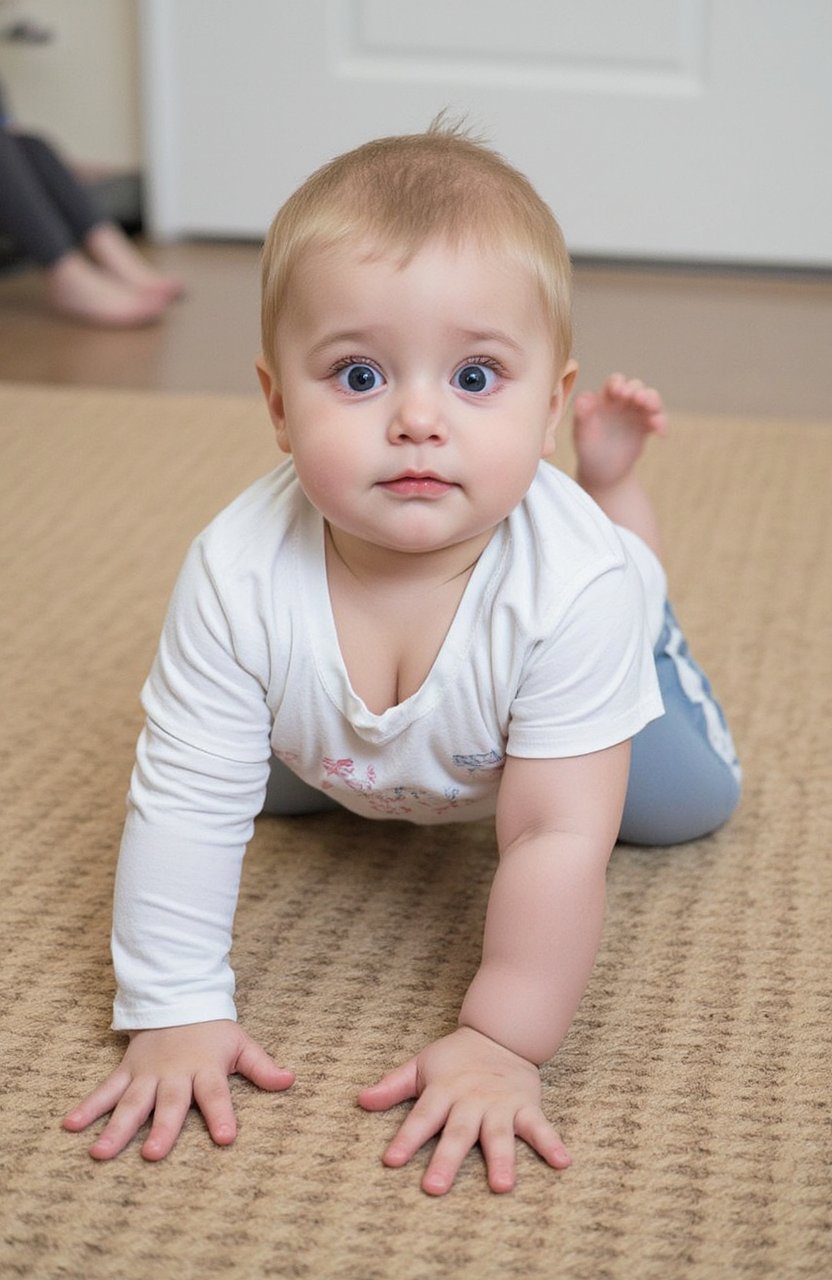
To help your baby learn to crawl, we can offer a few essential tips. First, ensure ample tummy time to develop head and core strength. Create a safe, clutter-free environment with soft surfaces, where exploration is encouraged. Placing toys just out of reach can serve as motivation. Engage in playful activities that promote both upper and lower body strength. If you’ve got concerns about your baby’s progress, professional guidance is invaluable. Discover more effective strategies as we continue.
Key Takeaways
- Increase tummy time to build core strength and coordination essential for crawling.
- Create a safe, clutter-free environment with soft surfaces to encourage exploration.
- Place toys just out of reach to motivate baby to move toward them.
- Encourage different crawling styles by allowing baby to explore varied motions.
- Consult a pediatrician if baby shows no signs of crawling by 10 months.
Understanding the Crawling Milestone
You may be interested


When it comes to understanding the crawling milestone, it’s important to recognize that every baby is unique, and their journey to crawling can vary widely. We should embrace crawling variations and milestone flexibility. Babies might start as early as 6 months or as late as after 10 months, with styles ranging from the “classic” to the “commando” crawl. Let’s consider these variations:
- Age Range: Most babies crawl between 7-10 months.
- Patterns: Some move backwards initially.
- Styles: “Crab” crawl or even the “rolling wonder.”
Recognizing pre-crawling signs like rocking back and forth or using arms to pull forward brings us closer to understanding our baby’s readiness. The CDC’s removal of crawling as a milestone highlights the importance of focusing on individual development rather than rigid timelines.
Encouraging Independent Movement in Babies
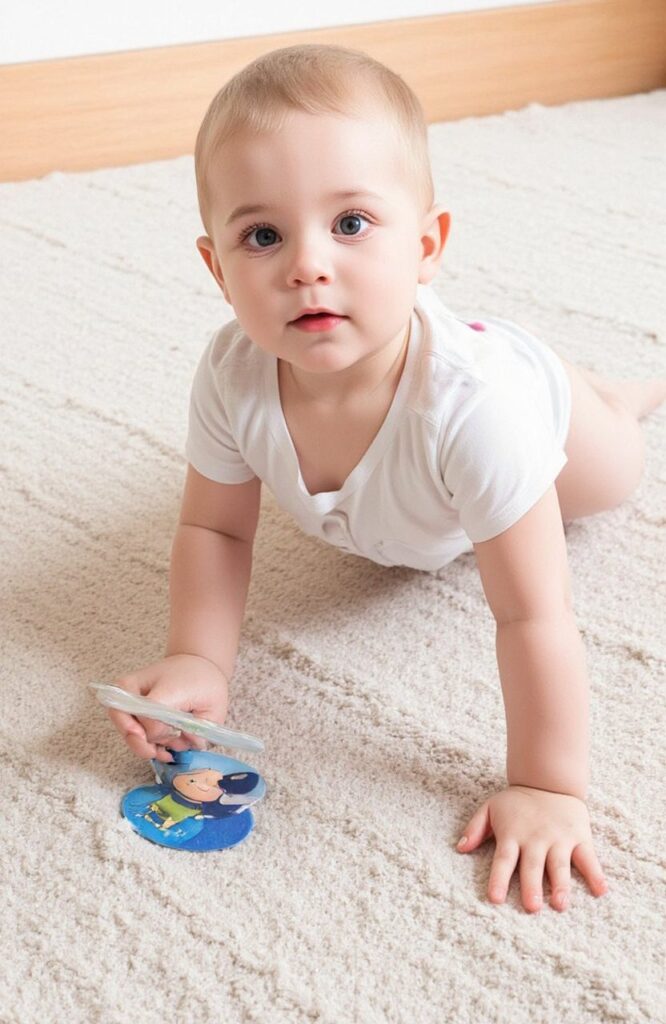
Although it might seem challenging at first, encouraging independent movement in babies is both rewarding and essential for their development. We can create a nurturing environment that supports their independent exploration and fuels movement motivation. Here’s how:
- Tummy Time: By regularly placing our babies on their tummies, we enhance their balance and coordination, setting the stage for eventual crawling.
- Safe Spaces: Clearing floor space and using soft surfaces like mats allow babies to explore safely.
- Toys and Objects: Placing toys just out of reach creates the perfect invitation for them to move and discover.
- Position Transitions: Gently guiding babies through rolling or sitting transitions encourages them to explore new movements.
Recommended Products

6 SENSORY HANGING TOYS & BONUS CARDS: Elevate playtime with our baby gym's 6 removable toys. These thoughtfully crafted toys cater to your baby's growth needs and spark boundless sensory exploration. As a delightful bonus, we also include 12 colorful milestone cards to celebrate each month of your baby's incredible journey.

Promote your baby's sensory development: The soft, comfortable baby tummy time water mat is the perfect sensory toy for developing solid head, neck and shoulder muscles as well as refining the hand-eye coordination, fine motor and social skills. The bright, colourful sea animals and eye-catching illustrations will keep your baby playing for hours.
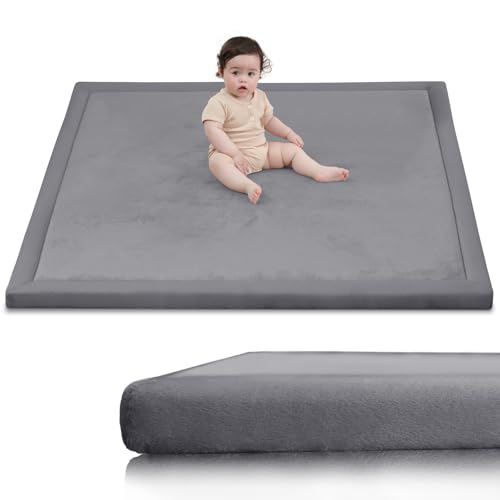
【Safe & Certified for Babies】Our baby play mat is designed with safety as the top priority. Certified by OEKO-TEX fabric standards and tested to meet CPSIA and ASTM requirements, this kids play mat is free from harmful substances. Parents can choose with confidence, knowing their little ones are playing on a non-toxic, ultra-soft crawling mat.
Promoting Upper Body Strength
Developing upper body strength is a crucial step in helping your baby prepare for crawling. We know that tummy time is essential, and starting early can make a big difference. When our little ones push up with their arms, they’re not just lifting themselves; they’re building strength. Let’s also try placing them in the all-fours position. This posture aids in strengthening their upper body and enhancing proximal stability.
Using supportive devices like pillows or rolling up a towel under their chest can maintain these positions longer, encouraging weight-bearing through their arms. For a fun twist, the wheelbarrow exercise, where your baby is draped over your thigh, can boost arm strength. Remember, every small effort helps build the foundation for those first exciting crawls!
Recommended Products

Soft Cotton Fabric :Made with ultra-soft, breathable cotton for delicate baby skin, ensuring comfort during Tummy Time sessions.

Multi-functional Design for Baby's Growth Stages: This 4-in-1 Tummy Time Mat is designed to grow with your baby, supporting floor play, tummy time, sitting up, and breastfeeding. From 0 to 12 months, it helps your little one meet key milestones while growth supporting physical and cognitive growth. The versatile design ensures your baby can enjoy it through different stages of growth, making it a must-have for every parent

Detachable Pillow Playmat: Including Pillow mat, upper cushion, foot pad, teething toy, crinkle paper. Support early body development and sensory exploration. ABP free teether is safe for baby to chew on which relieve teething pain. Crinkle paper allow babies to play and can make the sound to attract baby, boost babies' hearing skill.
Enhancing Lower Body Strength
Boosting a baby’s lower body strength is just as important as upper body development for preparing them to crawl. By focusing on specific lower body exercises, we can help our little ones build the essential muscles needed for successful crawling techniques.
- Leg Lifts: Place toys just out of reach to encourage stretching and movement.
- Knee Support: Provide gentle support under their knees to stabilize them.
- Inclined Surfaces: Use slight inclines to ease leg movement and build strength.
Crawling enhances hip, leg, and core muscles, fostering joint flexibility and weight-bearing practice. This foundation supports skills like walking. As babies alternate their legs, they develop balance and coordination. Let’s engage in interactive play, gently assist movements, and embrace consistency, ensuring our babies progress joyfully and confidently.
Recommended Products

Soft & Breathable: Hypoallergenic crystal velvet exterior with cloud-soft PP cotton filling ensures breathable comfort during playtime.

Baby Head & Back Protection: The baby head protective prevents the baby from falling and provides support to reduce impact

✅ 𝗣𝗥𝗢𝗧𝗘𝗖𝗧 𝗕𝗔𝗕𝗬'𝗦 𝗞𝗡𝗘𝗘𝗦 - Our premium baby knee pads and socks have been crafted with your little one in mind. Constructed from BPA-free materials, our cotton blend offers exceptional flexibility while at the same time ensuring maximum protection for those precious knees and feet!
Creating a Safe Crawling Environment
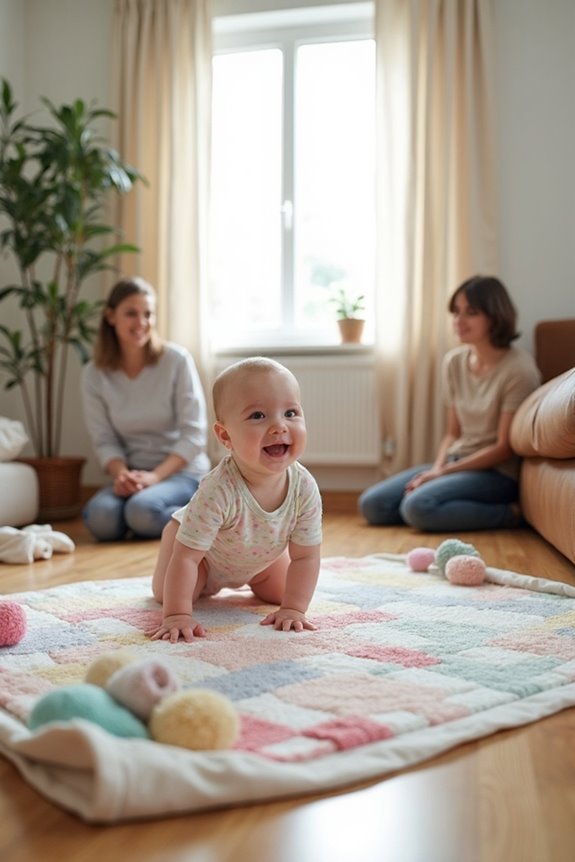
When preparing our homes for a baby who’s eager to start crawling, creating a safe environment is crucial. Let’s begin with hazard identification. Crawling around at a baby’s-eye view helps us spot potential dangers like sharp corners or low shelves. Note and modify these hazards—installing safety gates on stairs and managing cords are vital steps.
Space organization is next. By removing small choking hazards and maintaining clutter-free zones, we enhance our baby’s exploration safely. Regular sweeps for stray objects ensure a consistent safe play area. Choose cushioned floor surfaces for comfort, while protecting knees on hard surfaces.
Finally, ensure furniture stability and safe pathways, keeping everything secure and away from outlets. Together, we’ll create a safe, organized haven for our little adventurers.
Recommended Products

✅ TESTED & TRUSTED BABY SAFETY GATE FOR OVER 30 YEARS: Parent-trusted baby safety product certified by the Baby Safety Alliance. Designed to support everyday baby proofing and help keep babies and toddlers safe at home.
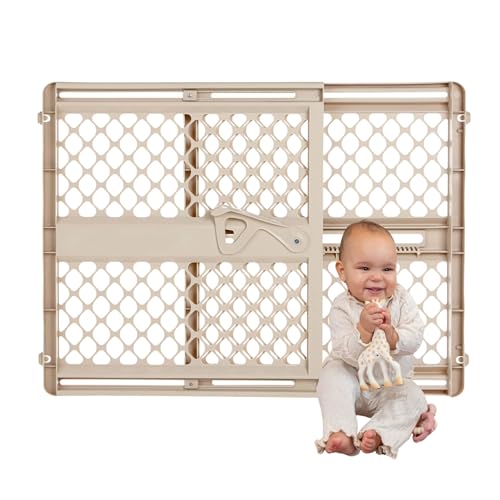
PROVIDES PEACE OF MIND - The kids gate creates a secure barrier to help prevent access to stairs, bathrooms, kitchens, and other off-limit areas, so your little one can safely explore.
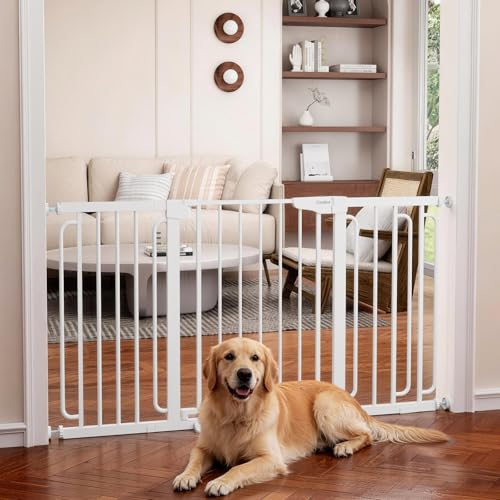
Versatile Gate Coverage for Various Openings: Standing 30.5 inches tall and adjustable from 30.4-56.8 inches wide, this gate is perfect for blocking off stairways, bedroom doors, hallways, and other areas that need to be off-limits. Ideal for enhancing child and pet safety, Great choice for new parents looking for reliable protection.
Recognizing Signs of Crawling Readiness
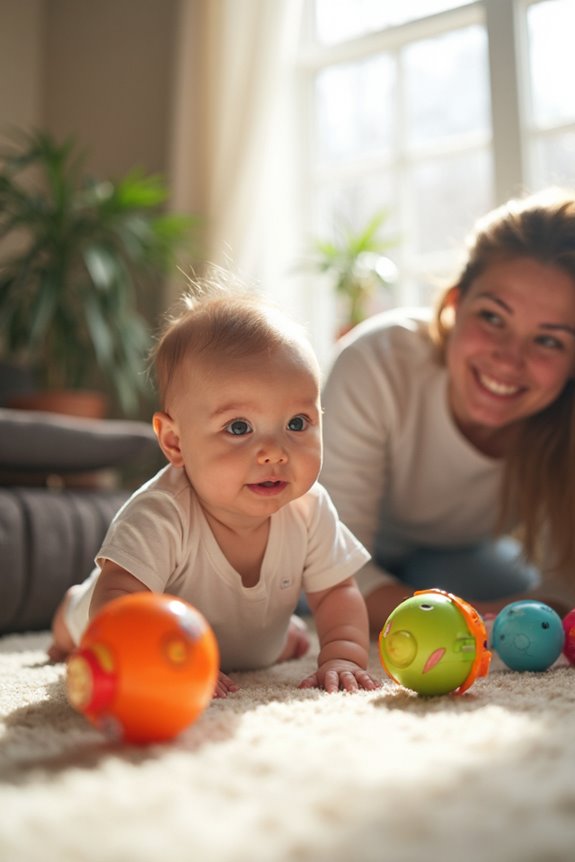
How do we know when our little one is ready to start crawling? Let’s explore some key signs together. First, during tummy time, we’ll notice improved head control as our baby stabilizes their head and lifts their chest with their arms. This shows they’re building strength. Mastery of rolling over and sitting up without support signals their muscles are getting stronger. Babies usually start crawling between 6 and 12 months, but each child has their own pace.
Behavioral signs include increased time on their tummy, attempting push-ups, and looking around, indicating readiness to move. As we observe, our baby’s balance coordination will improve, and they’ll start moving arms and legs in a crawling motion, showing they’re gearing up for this exciting milestone.
Using Toys and Objects for Motivation
In our journey to help our baby learn to crawl, using toys and objects for motivation can be a game-changer. It’s all about encouraging toy exploration and interactive engagement. Here’s how we can make it happen:
- Toy Placement: Position toys just out of reach to spark curiosity and movement.
- Interactive Toys: Choose toys with sounds or moving parts to captivate attention.
- Toy Movement: Gently move toys to motivate crawling efforts.
- Variety of Toys: Offer different toys to keep your baby engaged and motivated.
- Visual Stimulation: Opt for colorful, textured toys to provide visual and sensory stimulation.
Recommended Products

The Baby Einstein Ocean Explorers Go Opus Go 4-in-1 toy features 4 modes - Tummy Time, Sit & Play, Chase, and Dance; grows with baby’s physical and cognitive needs from infant to preschool
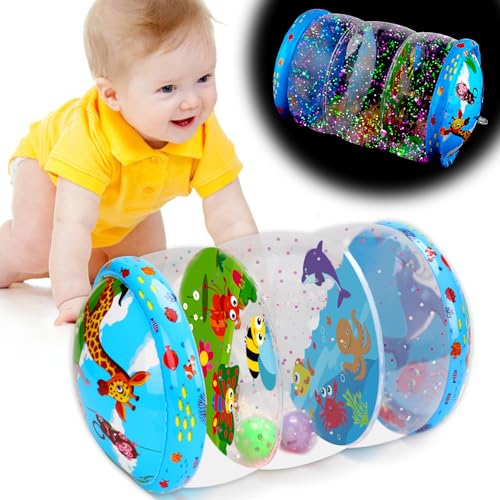
Babies Jumbo Roller Toys with Creative Design: Our rolling baby toy feature cute animals of the sea and land, come with two rattling balls inside. Even after crawling it has fun balls and holes to shake stuff through. Attract baby's attention to help baby crawl. Any baby that is crawling will absolutely love this fun baby crawling toys. Sensory toys for babies. Perfect choice as birthday gifts, great crawling toys for babies 6-12 months. Baby gifts for girls boys 1 year old.
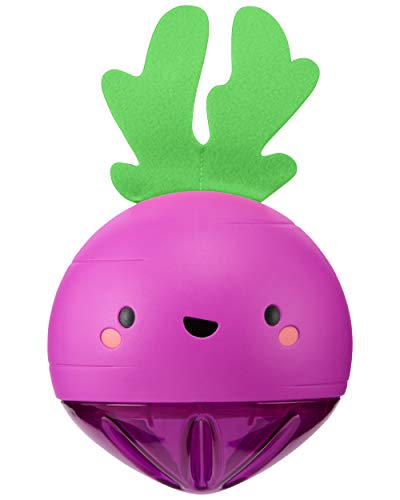
Get baby moving and grooving to the “beet” with our adorable crawl ball. Just switch it on and keep the ball rolling for fun motion-activated beatbox riffs and rattle sounds to encourage crawling adventures
Addressing Developmental Concerns
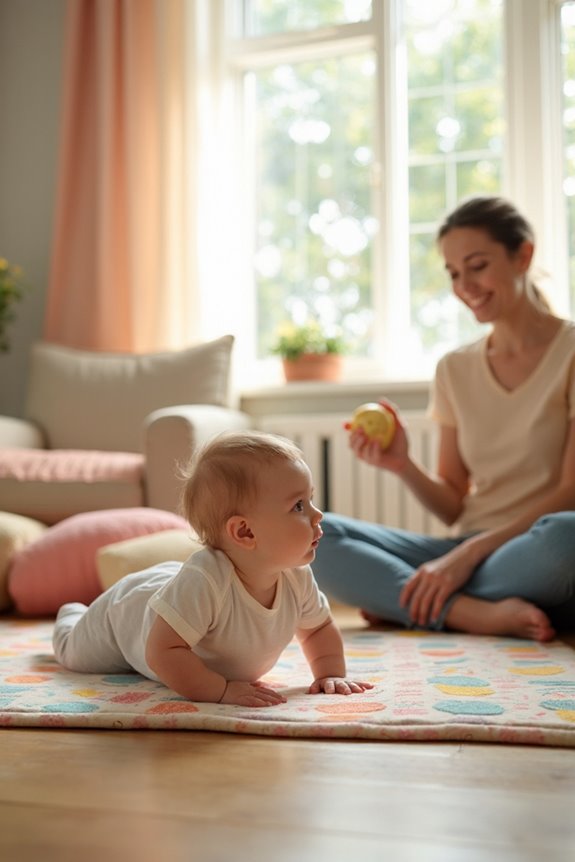
Although many parents eagerly anticipate their baby’s first crawl, understanding developmental concerns can help us support our little ones more effectively. Crawling typically occurs between 7 and 10 months, but we must remember that variability is normal. Not all babies crawl traditionally; some may scoot or roll instead. This doesn’t necessarily indicate developmental delays. Crawling is linked to improved motor skills and cognitive development, boosting postural control and memory retrieval.
- Monitoring and Observation: Keep an eye on your baby’s progress and consult healthcare professionals if concerns arise.
- Wide Range of Normal: Remember, milestones have a broad range, so late crawling isn’t always a problem.
- Early Detection: Recognize potential issues early to ensure timely intervention and support from healthcare providers.
Engaging in Supportive Play Activities
When we think about helping our babies learn to crawl, engaging in supportive play activities can make a significant difference. By incorporating play into their routine, we can enhance their motor skills and foster a loving bond. Here’s how:
- Crawling Tunnels: Use cushions or blankets to create tunnels, encouraging movement.
- Tummy Time: Strengthen neck and back muscles by placing them on their tummy.
- Crawl-and-Reach: Position toys slightly out of reach to promote crawling.
- Mirror Play: A baby-safe mirror can fascinate and motivate movement.
These activities don’t just build physical strength; they stimulate cognitive growth and social interaction. Incorporating rolling games and parent-assisted crawling further enhances their development. Let’s nurture our babies’ potential through supportive play, ensuring they gain the confidence and skills to explore the world around them.
Seeking Professional Guidance When Needed
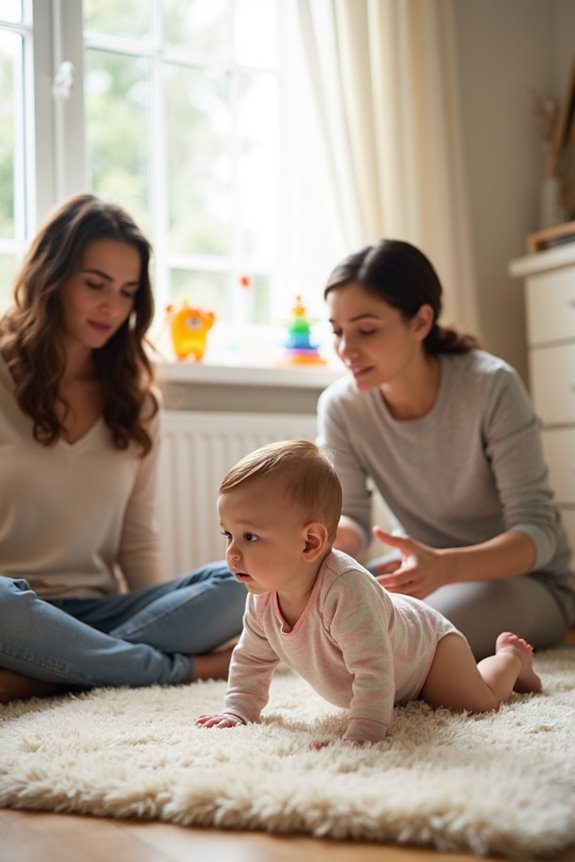
While each baby develops at their own pace, there are times when we might need to consider seeking professional guidance to ensure our little one’s development is on track. If your baby shows no signs of crawling or attempting movement by around 10 months, a professional evaluation could be beneficial. Pediatricians can provide a developmental assessment to help determine if there’s a cause for concern.
- Identifying Delays: Regular check-ups are crucial. They help us identify if crawling delays are isolated or part of broader issues.
- Understanding Crawling Styles: Variations in crawling, like army crawling, are normal but sometimes warrant a closer look.
- Early Intervention: Early intervention services offer specialized support, ensuring babies reach their milestones efficiently.
Let’s embrace expert help when needed for our little one’s well-being.
Frequently Asked Questions
Can Twins Crawl at Different Times?
Yes, twins can crawl at different times. Let’s embrace their unique twin milestones and not let sibling rivalry rush them. Each twin blossoms in their own time, so we’ll cherish their individual journeys and support their growth together.
How Does Crawling Affect Sleep Patterns?
Crawling creates curious changes in sleep patterns. Our little ones experience increased wakefulness, with longer wake episodes. Consistent routines, cuddles, and calming cues like sleep sacks can soothe these sleep struggles, helping everyone rest more peacefully.
Are There Cultural Differences in Crawling Practices?
We’ve noticed that crawling techniques and cultural milestones vary widely. In some places, crawling isn’t encouraged, while others embrace it. Let’s explore how these differences shape our babies’ journeys and what we can learn together.
Can Crawling Impact a Baby’s Digestion?
Imagine a gentle wave setting the rhythm of a baby’s belly. While crawling benefits motor skills, it might also subtly rock their digestive health boat. Let’s explore together how movement whispers to their tiny tummies.
How Does Early Crawling Influence Future Athletic Abilities?
We know that hitting crawling milestones can kickstart future athletic development. By strengthening coordination and motor skills, early crawling lays a solid foundation, helping our little ones become more adept in sports and physical activities later on.