As an Amazon Associate, we earn from qualifying purchases. Some links on this site are affiliate links at no extra cost to you. Our recommendations are based on thorough research and editorial judgment.


When Do Babies Start Sitting Up? A Parent’s Guide

Most babies start sitting up independently between 4 and 8 months, typically around 6 months. You may notice signs of readiness, such as good head control or rolling over. The development usually progresses from supported sitting to unassisted sitting. To support this milestone, we can engage in activities that strengthen core muscles. Just remember, every baby develops at their own pace; if you have concerns, it’s wise to consult with a pediatrician. There’s more handy advice ahead!
Key Takeaways
- Most babies begin sitting independently between 4 to 8 months, with an average onset around 6 months.
- Signs of readiness include good head control, rolling over, and briefly sitting with support.
- By 6 months, approximately half of babies can sit unassisted; some may take longer.
- Support sitting by gradually reducing assistance and encouraging core strength through dynamic movements.
- Always supervise sitting practice and create a safe environment to prevent falls and accidents.
Age Range for Sitting Development
You may be interested
When we talk about babies learning to sit up, it’s important to understand the typical age range for this milestone. Most babies start sitting independently between 4 and 8 months, with the average being around 6 months. Here’s a quick breakdown:
- 4 Months: Some babies may begin to sit briefly with support.
- 6 Months: About half can sit up unassisted.
- 8 Months: Others might not achieve this until closer to 9 months.
As we explore sitting techniques, we should remember that developmental variations exist. Factors like genetics play a role in how quickly our little ones develop. Encouraging playtime activities and tummy time helps strengthen core muscles, fostering confidence in their ability to sit. With patience, we’ll support their unique journey.
Signs of Readiness to Sit
Identifying signs of readiness to sit is an exciting part of watching our little ones grow. As we observe our babies, several indicators suggest their physical readiness for sitting. Look for good head control, as it’s crucial for maintaining posture balance.
Key signs include:
- Rolling over in both directions, which shows body control.
- Pushing up from a lying position, indicating strength.
- Sitting upright for short periods, even with support, reflects progress.
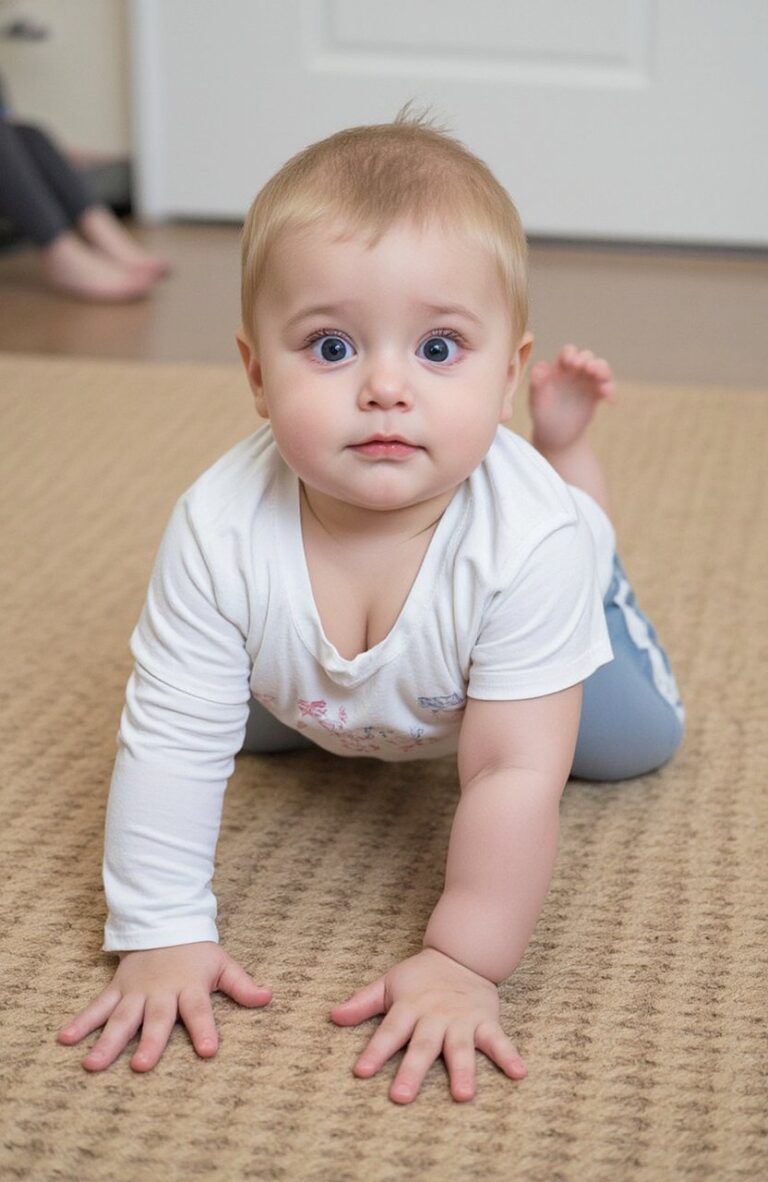
- Using their hands on the floor to steady themselves is also a positive sign.
When our babies demonstrate these skills, it means they’re on their way to sitting independently. It’s a wonderful journey we’re all on together!
Recommended Products

Portable and comfy infant chair that helps your baby sit up

ERGONOMIC FULL WRAP-AROUND RING SUPPORT: baby sits comfortably and stably – This bath seats for babies sitting up is designed with a secure, wrap-around structure that keeps your baby safe and comfortable, just like being held by mom. Perfect for bath seats for babies sitting up, it prevents tipping and ensures a safe and relaxing bath time for your little one. This infant bath seat Ideal for baby 6 to 24 months.

【Stability & Structure】Features a wide non-slip base and raised side panels for stable floor seating. Each unit is factory-tested for inflation and air retention. This inflatable baby seat is designed for floor sitting and playtime.
Stages of Sitting Development
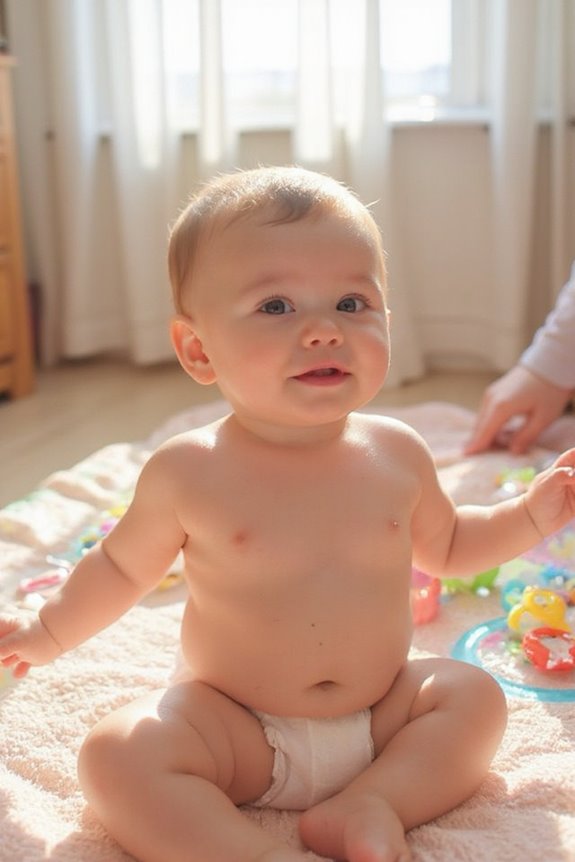
As our babies grow, understanding the stages of sitting development can help us support them effectively. Typically, this journey begins around 3 months with sitting supported, where they need our help for stability. By 4 to 6 months, they may start prop sitting, using their hands to balance.
- Wobbly Sitting: Around 5 months, they may sit independently but with some wobbling.
- Mastery: By 7 months, most babies can balance well and show protective reactions to avoid falls.
It’s essential to remember that each baby progresses at their own pace. If you notice sitting challenges or developmental delays, don’t hesitate to consult a pediatrician. Our role is to encourage and provide a safe space for exploration as they reach each milestone.
Recommended Products

❤ SOFT AND BREATHABLE - Our baby nursing pillow is filling hollow 7D PP fiber cotton materiaL, so that it can keep the baby cozy and comfortable.

HAND NOT TIRED WHEN BREASTFEEDING: Holding the baby in a posture for a long time can easily cause back pain. After using the breastfeeding pillow, the mother's hands will not feel tired. The mother puts the breastfeeding pillow on her thighs while feeding, and the arms holding the baby are placed on the pillow surface, thus effectively reducing the fatigue of the arms.

【Interactive Activity Seat for Play and Exploration】 This soft foam activity seat creates a cozy and engaging space for kids during playtime, reading, and interactive activities. The surrounding cushions provide a comfortable environment that encourages independent play and exploration.
Tips for Supporting Sitting Development
Supporting our babies as they learn to sit up is both an exciting and crucial part of their development. To help them, we can use a few supportive techniques and engage in dynamic exercises.
- Assisted Sitting: Start by holding them in a sitting position on your lap, gradually reducing support from under their armpits to their hips.
- Dynamic Movements: Try sitting them on an exercise ball, gently tilting them to strengthen their core.
- Encouraging Independence: Place toys just out of reach to motivate them to lean forward.
- Tummy Time: Incorporate tummy time for building strength in their neck and back.
Recommended Products

Premium Material: Detachable Cushion is made from premium polyester, soft yet firm 100% polyester filling, skin friendly, suitable for baby sensitive skin, give the baby comfortable and safe protection. Spot clean only with a damp sponge or cloth, do not machine wash, hand wash with cold water.


【Cute Caterpillar Pillow Playmat】2-in-1 Seated Support Pillow & Tummy Time Mat for baby girls includes baby mat for floor, detachable pillows, baby mirror, teething toy. The baby pillows come in different sizes, caterpillar plush toys has different sensory fabric, rich colors, crinkle paper and clear mirror attract baby's attention. Suitable for baby tummy time, sitting up and lying. Great baby toys for 0 2 3 4 5 6 7 8 9 month old to help baby's early physical development and sensory exploration.
Safety Precautions for Sitting Practice
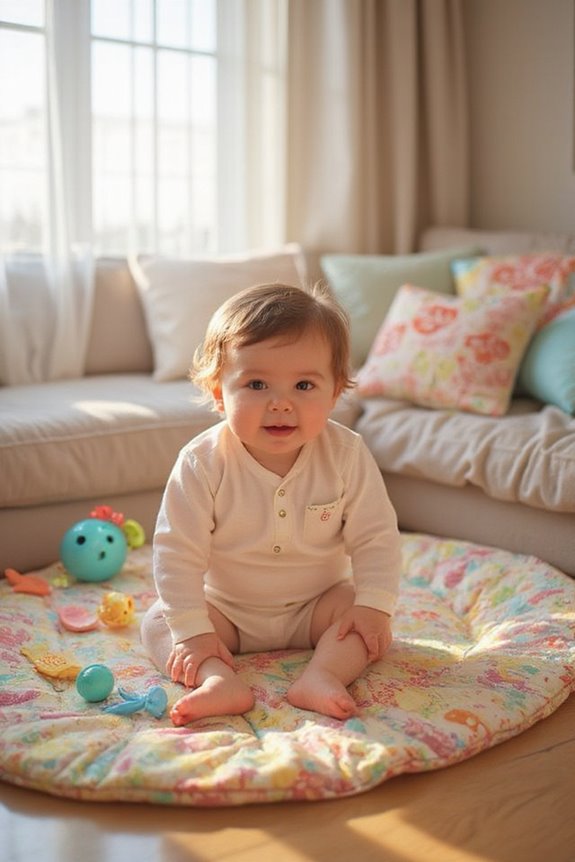
When it comes to helping our babies practice sitting, safety should always be our top priority. To ensure sitting safety, we must keep a close watch on them during these moments. Here are some key precautions we can take:
- Supervise: Always stay nearby to catch them if they topple.
- Soft Surfaces: Surround them with pillows or cushioned mats to soften any falls.
- Home Assessment: Regularly check for hazards, like sharp corners or loose items.
- Crib Safety: Lower the crib mattress to prevent falls as they pull up.
- High Chairs: Secure them with safety straps to keep them safe during meals.
Recommended Products

BABY MUST HAVE: The Nuby My Floor Seat provides a place for your baby to lounge, eat, and play no matter where you go

Ergonomically Designed for Healthy Posture: Our baby activity floor seat is expertly crafted to encourage healthy posture, providing ergonomic support for your little one as they sit and explore. Ideal for infants who can hold their heads up unassisted

To assemble the Ingenuity Baby Base, remove the tray, turn seat over and remove the seat back from underneath the base (tip: chair straps are also stored under the seat), and place seat back onto the top of the base; back not removable after installation
Milestones Following Sitting
Once we’ve ensured our babies’ safety during their sitting practice, it’s time to look ahead at the exciting milestones that follow this important skill. After mastering sitting, we can expect a remarkable motor skill progression. By 7 to 10 months, many babies start crawling, enhancing their mobility and independence. Around 9 months, pulling themselves up to stand becomes the next thrilling achievement.
This newfound skill supports cognitive growth, as babies engage more with their environment. They explore, play, and interact socially, building problem-solving abilities and language skills. As they sit, they also gain confidence, which encourages them to explore further. Watching our little ones navigate these milestones is a joyful experience, filled with growth and discovery.
Encouraging Independent Sitting
As babies grow and develop, encouraging independent sitting becomes a crucial step in their motor skill journey. We know that starting tummy time is essential—this helps strengthen their core, neck, and back muscles. Here’s how we can support their progress:
- Propped Sitting: Use pillows to gently support your baby as they start sitting. Gradually reduce this support as their strength builds.
- Engaging Play: Place toys around them to motivate reaching and balance. Mirrors can spark curiosity, too!
- Monitor and Encourage: Let’s keep an eye on their progress and offer gentle motivation to help them sit up from lying down.
Recommended Products

Detachable Pillow Playmat: Including Pillow mat, upper cushion, foot pad, teething toy, crinkle paper. Support early body development and sensory exploration. ABP free teether is safe for baby to chew on which relieve teething pain. Crinkle paper allow babies to play and can make the sound to attract baby, boost babies' hearing skill.

Detachable Pillow Playmat: Including Pillow mat, upper cushion, foot pad, teething toy, crinkle paper. Support early body development and sensory exploration. ABP free teether is safe for baby to chew on which relieve teething pain. Crinkle paper allow babies to play and can make the sound to attract baby, boost babies' hearing skill.

Easy to Use: Inflatable baby feeding chair can be easily inflated within 3 minutes by pressing the built in air pump up and down. Due to the leak-proof design, it is necessary to pinch the air valve when deflated. After deflates, folds and stores compactly, making it a great companion for travel, camping or outing
Frequently Asked Questions
What if My Baby Skips Sitting and Goes Straight to Crawling?
Imagine our little one, eager to explore, bypassing sitting and diving straight into crawling milestones. It’s perfectly normal; development variations mean each child’s journey is unique. Let’s celebrate their adventurous spirit together!
Can Premature Babies Sit up Earlier Than Full-Term Babies?
We know it’s concerning, but premature babies generally don’t reach sitting milestones earlier than full-term babies. Their developmental progress can be slower, but with support, they’ll catch up in time. Let’s encourage them together!
How Can I Tell if My Baby Is Ready for a High Chair?
As our little ones grow, we’ll notice signs they’re ready for a high chair: strong head control and curiosity during meals. Prioritizing high chair safety ensures joyful feeding moments together, nurturing their delightful journey of discovery.
What Toys Are Best for Encouraging Sitting Practice?
To encourage sitting practice, we love using sitting aids like Boppy pillows and cube toys on soft play mats. They help our little ones build strength, balance, and confidence while having fun together.
Is It Normal for My Baby to Wobble While Sitting?
We understand wobbling concerns can be worrying, but it’s perfectly normal! As our little ones approach sitting milestones, they’ll wobble while building strength and balance. Let’s celebrate their progress together, supporting them every step of the way!