As an Amazon Associate, we earn from qualifying purchases. Some links on this site are affiliate links at no extra cost to you. Our recommendations are based on thorough research and editorial judgment.

When Do Babies Start Sleeping Through the Night?

Most babies start sleeping through the night by around 6 months of age. By this time, their sleep cycles mature, allowing for longer periods of uninterrupted sleep. Though “sleeping through the night” typically means a stretch of 6 to 8 hours, it’s normal for some infants to wake occasionally. Supporting their sleep development with healthy habits can help manage expectations and improve sleep quality. To learn more about factors that influence infant sleep patterns, keep exploring!
Key Takeaways
- Babies typically start sleeping through the night around 6 months of age, needing about 14 hours of sleep daily.
- Newborns sleep 16-20 hours a day but wake frequently due to hunger.
- Sleep cycles mature by 3-4 months, becoming more predictable and lasting 60-90 minutes.
- Night wakings are common and often linked to developmental milestones or regressions.
- Establishing bedtime routines and a soothing sleep environment can help infants learn to self-soothe.
Understanding Infant Sleep Patterns
You may be interested



When we think about how babies sleep, it’s important to understand their unique sleep patterns. Newborns primarily experience REM sleep, which comprises about 50% of their sleep cycle, while older infants shift toward more structured NREM stages.
Here’s what you should know:
- Sleep Cycles: Initially, their sleep cycles lack distinct stages, gradually becoming more adult-like.
- Circadian Rhythm: Babies don’t have a strong circadian rhythm at birth; it develops over time.
- Infant Behavior: Their day-night differences can lead to irregular sleep patterns, influenced by the sleep environment.
- Parental Involvement: Your engagement in establishing routines can help regulate their sleep.
Be aware that some infants may experience sleep disorders, impacting their overall rest and development.
Defining Sleeping Through the Night
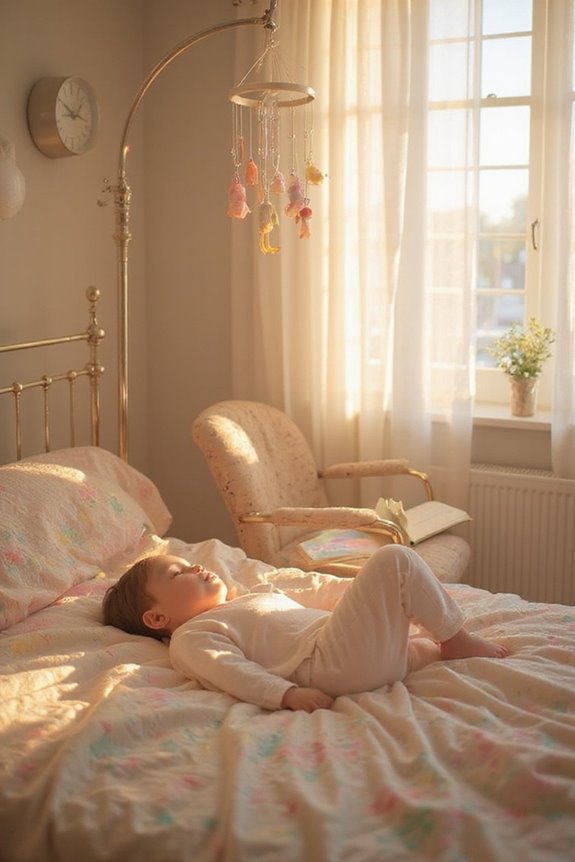
Understanding how we define “sleeping through the night” can make a big difference in managing our expectations as parents. Definitions can vary, but generally, it refers to a continuous period of sleep lasting 6 to 8 hours. Here are some key points to consider:
- Some sources define it as 5 hours from midnight to 5 AM.
- It doesn’t mean our baby won’t wake at all; it’s about the absence of parental intervention during those times.
- Factors like feeding patterns and sleep quality play a role in these definitions.
Recommended Products

SMART BABY BREATHING & SLEEP MONITOR: Track your baby’s abdominal movement, sleep position, and feeling temperature trends to stay informed day and night. Receive timely notifications through the app or audible alerts if your baby rolls over or shows signs of feeling warm.

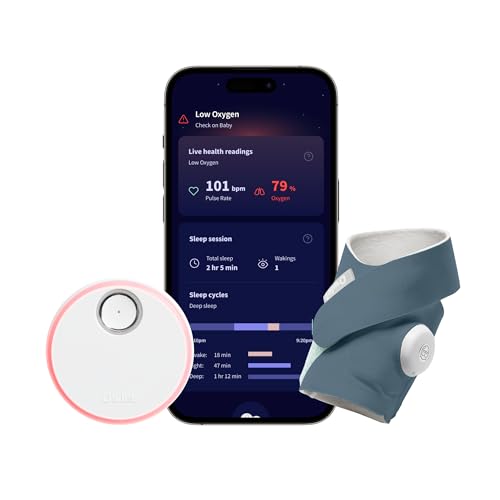
What is Owlet Dream Sock? Dream Sock is the #1 best selling smart baby monitor (Source: Circana, Jan–Dec 2025) in the US that tracks your baby's pulse rate and oxygen levels in real-time and sends alerts when those readings leave the preset zones, delivering priceless peace of mind so the whole family can sleep better.
Sleep Development Milestones by Age
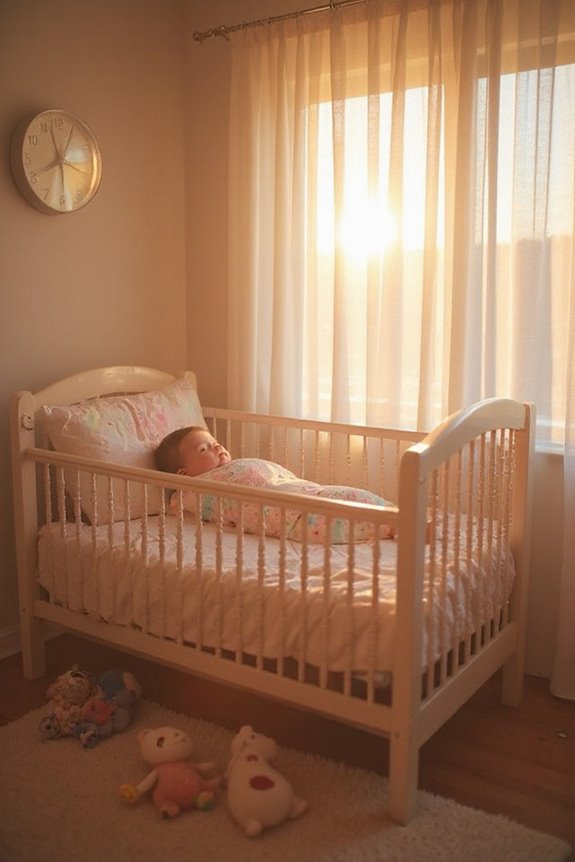
As our little ones grow, we’ll notice significant changes in their sleep patterns that align with their developmental milestones.
- Newborns (0-3 months): They sleep 16-20 hours a day, mostly in light, active sleep. Frequent waking is common due to hunger.
- Around 3-4 months: We see sleep cycle maturation; their cycles begin resembling ours, lasting about 60-90 minutes. Nap frequency changes to 4-5 naps daily, and sleep becomes more predictable.
- By 6 months: Most babies are ready to sleep through the night. They typically need about 14 hours of sleep and take 2-3 naps.
Recognizing these milestones can help us support our babies’ sleep journey while adapting to their growing needs.
Recommended Products
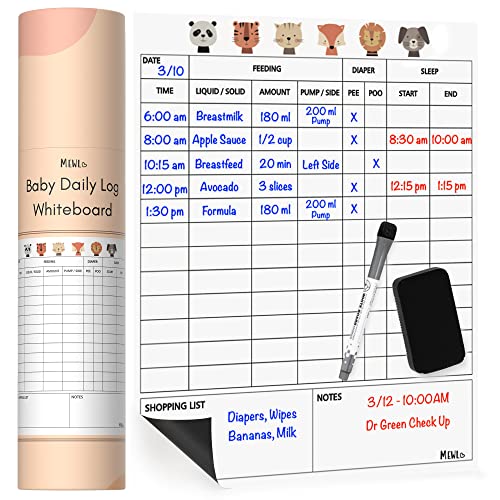
ALL IN ONE BABY TRACKER - Understand your baby’s routine and schedule by logging their feedings, diaper changes, and sleep times


Night Wakings and Sleep Regression
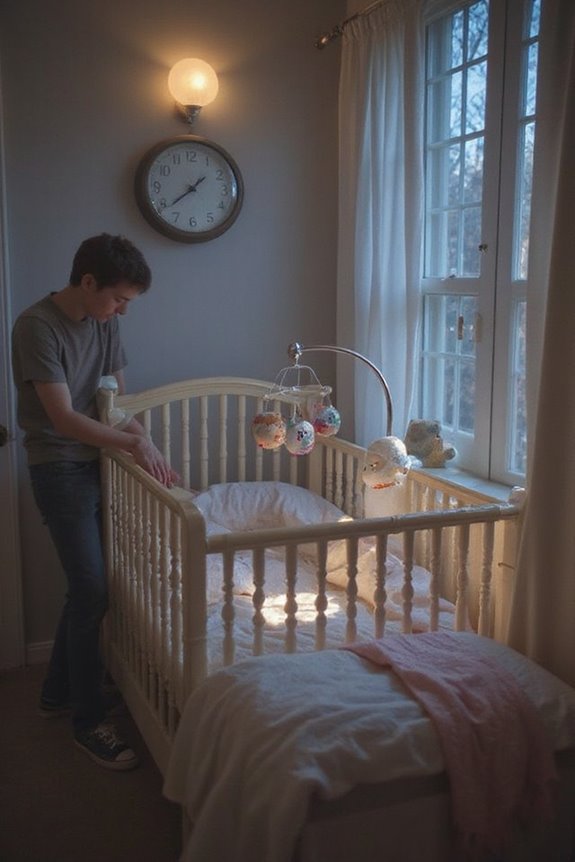
Night wakings and sleep regressions can feel like an inevitable part of our journey as parents, especially in those early months. It’s important to remember that these night wakings are common, often linked to developmental milestones or changes in sleep cycles.
Here are a few key points to keep in mind:
- Increased Night Wakings: Sleep regressions can lead to more frequent night wakings.
- Temporary Nature: Most regressions don’t last long and resolve on their own.
- Developmental Changes: Milestones like teething or learning to sit up can disrupt sleep.
Recommended Products

Slumber & Sleep Essential Oil Linen Mist 2 Pack: Oilogic Slumber & Sleep Linen Mist is a gentle, drying mist that you can spray on your little one’s bed linens, pillows, sheets, pajamas, stuffed animals, and anything else around baby at bedtime.

RELAX, BABY: Add drops to bath water or Fridababy 3-in-1 Humidifier, Diffuser + Nightlight for bedtime wind down

Factors Influencing Infant Sleep
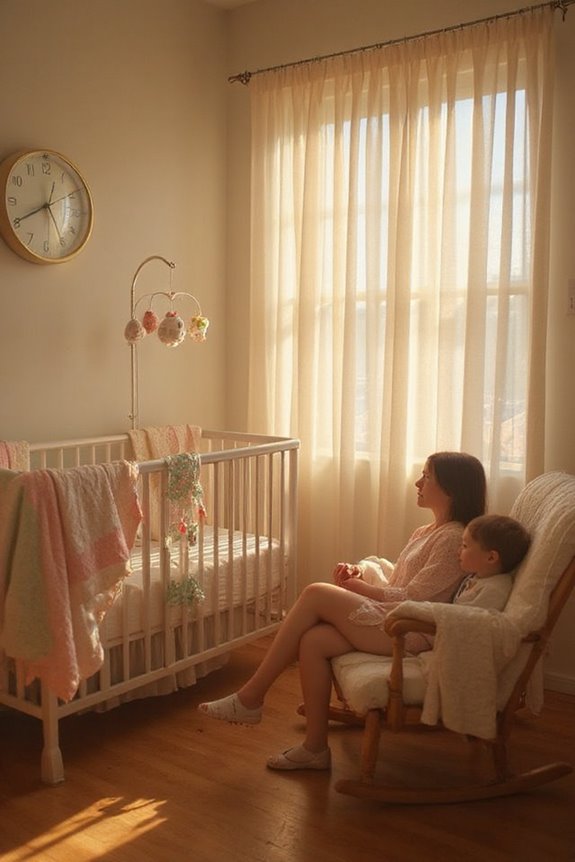
When we think about the many factors influencing infant sleep, it’s crucial to recognize how both internal and external elements come into play. Genetic influences shape our babies’ sleep patterns, making some naturally better sleepers than others.
Environmental cues like light and sound can disrupt or promote sleep, while nutritional impacts from feeding patterns significantly affect nighttime awakenings.
Parental practices, including sleep associations like rocking or using pacifiers, can hinder self-soothing abilities.
Socio-economic factors might influence the advice we receive from healthcare providers, which can shape our sleep strategies.
Lastly, the psychological effects of parental stress can indirectly affect how well our little ones sleep. Understanding these elements helps us create a nurturing sleep environment for our infants.
Recommended Products
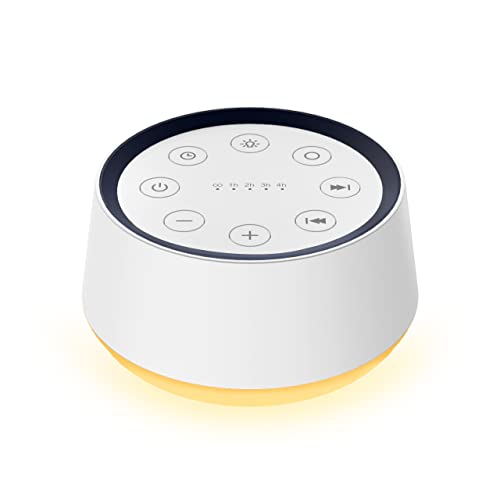
❤[30 Natural and Soothing Sounds] Our white noise machine provides 30 soothing sounds, including 3 Brown noise, 2 White noise(White noise, Pink noise), 2 fan noises( Loud and Soft Fan), 8 lullabies and 15 natural sounds( Rain, Sea waves, Brook, Bird, Train, etc.). This sound machine suitable for relieve stress, relax your mind and create a relaxing sleep environment.
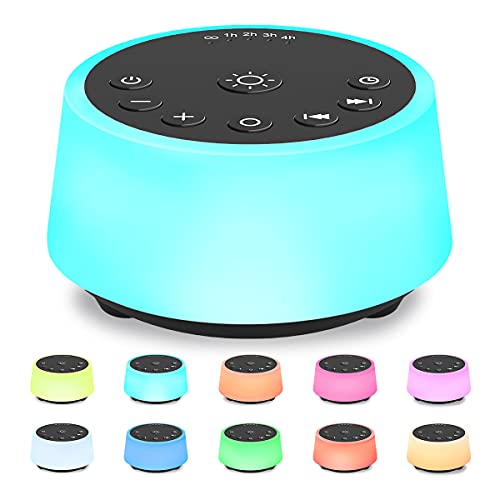
♪【25 High-fidelity and Soothing Sounds】 There are 4 types of white noise, 4 fan sounds, 3 sea wave sounds, 3rain sounds , train, star dust, meditation, and relaxing natural sounds and so on. The sound rhythm helps you fall asleep, and the white noise machine can effectively cover up destructive or startling sounds to protect your sleep quality.

【COMPACT BUT POWERFUL】- D11 Max has more skills. Designed for all things sleep, this sound machine comes with favorable features: rechargeable battery, 21 soothing sounds, customized timers, various volume levels, child-lock for safety, and even memory functions! It is not only a sleep soother sound machine for baby kids, but also an effective white noise machine for adults sleeping & relaxation.
Establishing Healthy Sleep Habits
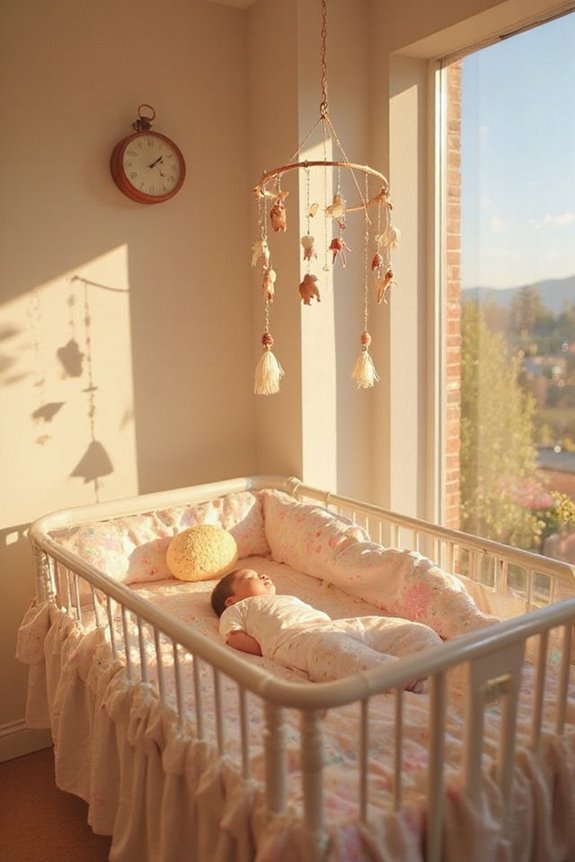
Establishing healthy sleep habits for our little ones is essential, especially since a well-structured routine can significantly impact their overall sleep quality.
To help our babies drift off peacefully, we can incorporate some bedtime rituals. Consider these calming activities:
- A warm bath
- Gentle reading
- Soft singing
Creating a soothing sleep environment is also crucial. We should aim for a dark room, as darkness encourages melatonin production, promoting better sleep.
Establishing a predictable sleep schedule helps regulate their internal clock, while gradually reducing stimulation teaches them to self-soothe. Remember, it’s okay for sleep patterns to vary; consistency and nurturing routines will guide our little ones toward restful nights.
Recommended Products

Relaxing Baby Gift Set: Johnson's Baby Sleepy Time Gift Set includes Calming Shampoo, Bedtime Bath and Bedtime Lotion with relaxing NaturalCalm aromas to help soothe babies and support bedtime routines

Calming Baby Lotion: Johnson’s Baby Bedtime Body Lotion features calming NaturalCalm scents to help soothe and relax baby before bed

Long-Term Sleep Patterns in Children
Sleep patterns in children can have lasting effects on their development and overall well-being. It’s essential to understand that sleep deprivation during early years can lead to ongoing challenges. Here are some key points to consider:
- Cognitive Development: Insufficient sleep can hinder decision-making and learning abilities, impacting academic success.
- Mental Health: Kids with poor sleep often face increased risks of anxiety and depression.
- Long-Term Effects: Sleep problems can persist, influencing brain structure and functioning over time.
Frequently Asked Questions
How Can I Tell if My Baby Is Overtired?
We’re all in the same boat when it comes to spotting overtired behaviors. If we notice our little one showing signs like fussiness or eye rubbing, it’s time to pay attention to those baby sleep cues.
What Are the Signs of Sleep Readiness in Infants?
We’ve noticed that our little ones show sleep cues like yawning and fussiness. Establishing a calming bedtime routine can help them transition to sleep, making those nighttime moments more peaceful for all of us.
Do Sleep Training Methods Really Work for All Babies?
Imagine each baby as a unique star in the night sky; not all shine the same brightness. While sleep training effectiveness varies, understanding individual sleep needs helps us nurture our little constellations toward restful nights together.
Can Teething Affect My Baby’s Sleep Patterns?
We know teething symptoms can lead to significant sleep disruption for our little ones. It’s tough when they wake frequently at night, but we can soothe them and maintain routines to help. We’re in this together!
How Do Naps Influence Nighttime Sleep for Infants?
We’ve noticed that nap duration plays a crucial role in our little one’s sleep cycles. Balancing those daytime naps helps create a smoother transition to nighttime sleep, ensuring peaceful nights for us all.