As an Amazon Associate, we earn from qualifying purchases. Some links on this site are affiliate links at no extra cost to you. Our recommendations are based on thorough research and editorial judgment.

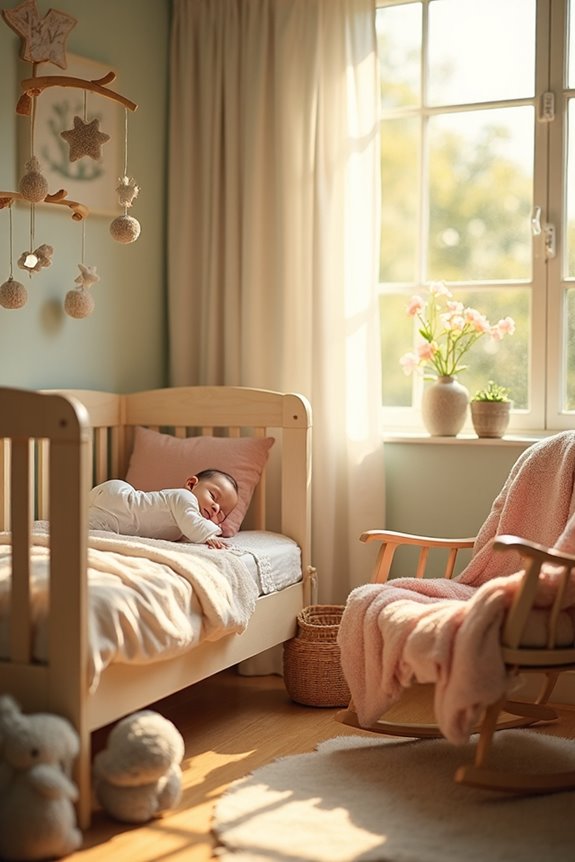
When Do Babies Drop to One Nap? A Parent’s Guide

We often see babies transition from two naps to one between 13 to 18 months. Signs like frequent resistance to the second nap, longer nighttime rest, or increased energy levels suggest readiness for this change. To ease the transition, gradually adjust nap schedules towards a single midday nap, preferably around noon. A consistent and soothing sleep environment supports this shift. If you notice these patterns in your child, you’ll find them adapting well and discover more insights ahead.
Key Takeaways
- Babies generally transition to one nap between 13-18 months.
- Signs of readiness include refusing the second nap and maintaining high energy.
- Average age for dropping to one nap is around 14-18 months.
- Early afternoon naps can improve nighttime sleep quality.
- Gradual schedule adjustments support a smooth transition to one nap.
Understanding the Transition From Two to One Nap
You may be interested



When it comes to understanding the transition from two naps to one, it’s important to know that this change usually occurs between 13-18 months. During this time, we often see our little ones’ nap duration shift, aligning with their growing needs and evolving sleep environment. It’s essential to create a consistent and comforting space for them.
We can help guide the transition smoothly by keeping a few things in mind:
- Consistency is key: Aim for a nap around midday, ideally from 12:00 pm to 2:00 pm.
- Sleep environment matters: Ensure the room is dark, quiet, and cool.
- Adjust gradually: Slowly move the first nap later and reduce the second.
Recommended Products

100% BLACKOUT: These 100% blackout curtains utilize advanced technology to completely block out natural light and effectively filter out UV rays, plunging your room into total darkness so you can enjoy a restful sleep day or night. Combined with excellent thermal and sound insulation, they help maintain a stable room temperature and dampen outside noise, making them ideal for bedrooms, living rooms, and nurseries—creating a peaceful, private space for relaxation.

ROOM DARKENING COMFORT: Crafted with blackout fabric to help reduce sunlight, provide privacy and create a restful atmosphere for sleep, relaxation and everyday comfort. Ideal for bedrooms, nurseries and quiet afternoon naps.

READY MADE: Set includes 2 BLACKOUT CURTAINS PANELS of 42" wide x 63" length with 6 grommets top each. Quality fabric without liner feels soft and heavy.
Signs That Your Child Is Ready to Transition

As we notice our little ones adjusting to fewer naps, there are clear signs that indicate they’re ready for this change. We might observe a pattern of nap resistance signs, such as our child refusing the second nap or showing high energy levels throughout the day. These indicators often point to a shift in their sleep schedule adjustments.
Key signs include:
- Nap Resistance: Frequent refusal of the second nap.
- Sleep Schedule Adjustments: Changes needed to ensure better nighttime rest.
- High Energy: Active and playful behavior even after skipping a nap.
- Improved Nighttime Sleep: Longer, more restful nights.
Recommended Products

NOT YOUR TYPICAL KIDS ALARM CLOCK!- Imagine how wonderful it would be if your children didn’t wake you up early in the morning? My Good Morning Buddy is a friendly, color-changing toddler clock designed to help your kids sleep better! This adorable digital alarm clock for kids teaches your children when its ok to come out of bed and wake up! With its 4 color light system the whole family is sure to get a better nights rest!

【Kids Sleep Training Clock】"Is it time to get up?", our sleep trainer uses colors and facial expressions to teach toddler understanding the concept of when to stay in bed and when to get up. Let "Dino" grow with your child, It will be a quick transition from getting regular 4am wakeup calls to sleeping through the night.

【Sleep Training for Todders】Designed to help the younger children understand the concept of time,and develop healthy sleep habits. With sun and moon, younger children will know when it's time to get out of the bed and when to sleep, so say goodbye to early morning calls, parents can sleep longer.
Typical Age Range for Dropping to One Nap

While every child is different, most babies begin the transition to one nap between 13 and 18 months old. During this time, we notice that nap duration and wake windows play a crucial role. Babies typically need to stay awake for about 4-5 hours between sleep periods, which helps them adjust to a single, longer nap.
Let’s consider a few key points:
- Average Age: The majority transition around 14-18 months.
- Variability: Some might start as early as 10 months, but it’s less common.
- Extended Range: Transitions can happen up to 24 months.
To support this change, we should monitor our child’s nap patterns and adjust routines accordingly. This approach ensures a smoother transition, accommodating their unique sleep needs and family schedules.
How Napping Patterns Evolve With Development

Understanding how napping patterns evolve with development helps us better support our babies’ sleep needs. Initially, newborns sleep in short intervals, totaling around 16 hours daily, with naps reflecting feeding schedules. As they grow, their napping duration becomes more predictable, aligning with developmental stages.
- 3-5 Months: Babies usually take 4-5 naps daily, developing sleep associations, and distinguishing day/night cycles.
- 6-8 Months: Transitioning to 3 naps, with wake windows lengthening, environmental factors like consistent sleep environments become crucial.
- Developmental Regressions: Around 4 months, sleep cycles may be disrupted, affecting sleep quality.
The Impact of Napping on Nighttime Sleep
Napping plays a significant role in influencing our little ones’ nighttime sleep, and understanding this relationship can help us make better decisions about their daily rest. By controlling nap duration and timing, we can harness napping benefits to improve sleep quality at night.
- Early Afternoon Naps: Scheduling naps in the early afternoon can lead to longer nighttime sleep.
- Avoid Late Naps: Napping late in the day might result in shorter nighttime rest and delayed sleep onset.
Babies who nap well during the day generally experience better nighttime sleep, which can enhance their overall sleep quality. As our children transition to one nap, usually between 12 to 18 months, maintaining a consistent napping routine becomes crucial. Let’s prioritize quality rest to foster healthy sleep patterns.
Recommended Products
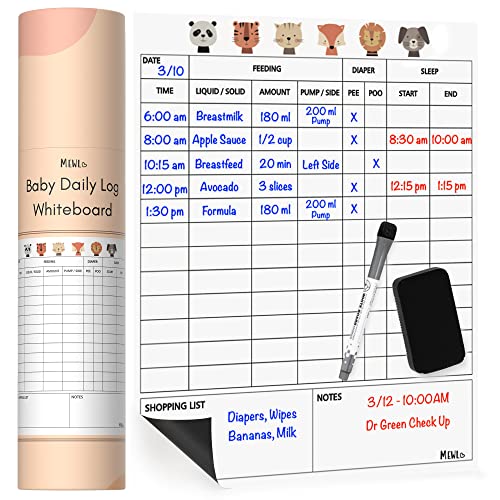
ALL IN ONE BABY TRACKER - Understand your baby’s routine and schedule by logging their feedings, diaper changes, and sleep times

Effortless Organization - Upgrade your learning space with our pocket chart for classroom—professionally displaying student schedules on the wall. Flip the cards for a dual display, transforming it into a versatile sentence strip pocket chart.

Package includes: you will get 1 piece scheduling pocket chart with 13+1 pockets, 2 pieces easy over-door mounting hangers, 1 piece title card, 40 double-sided reusable erasable cards, including 20 pieces clock, time, subjects scheduling planner cards with vibrant patterns, and 20 pieces blank erasable cards, it’s great value for classroom office home preschool activity
Strategies for a Smooth Nap Transition
As we wrap up our discussion on the impact of daytime naps on nighttime sleep, let’s explore how we can help our little ones adjust to fewer naps during the day. Transitioning nap schedules requires a gentle approach, so we’ll start with gradual adjustments. By closely monitoring sleep cues, like increased wakefulness, we can decide when to shift nap times gradually.
Consistency is crucial—maintain a reliable schedule to regulate their sleep-wake cycle. Yet, flexibility is equally important; be ready to tweak plans based on your child’s unique needs. It’s a balancing act of patience and persistence. Remember, a consistent sleep environment supports these changes. Keep the room dark and quiet, and ensure your little one naps in the same spot to build routine familiarity.
Recommended Products

Package Includes: Set of 2 navy kids curtains; Each panel measures 42 Inch wide by 63 Inch long. Each star curtain panel has 6 silver metal grommets which inner diameter is 1.6 inch, comparable with most rods. Easy to hang, and slide smoothly.

ENERGY SAVING: These blackout curtains act as an insulating barrier

Light Grey Color, 52"W x 63"L Per Panel — this set of two light grey room darkening panels brings a calm, finished look to a bedroom, living room, nursery or kids room. Hang both panels together for full, even window coverage.
Long-Term Napping Trends and What to Expect
While every child’s sleep journey is unique, most babies typically transition to one nap between 12 and 15 months. Let’s explore what to expect from long-term napping trends:
- Early Napping: Babies often have three naps between 3 and 6 months.
- Nap Consolidation: Around 10 months, some resist morning naps but aren’t ready to drop them.
- One-Nap Phase: By 12-18 months, one long nap in the day becomes common, enhancing nap duration and sleep quality.
It’s essential to remember:
- Sleep Needs: Overall 24-hour sleep remains crucial.
- Individual Variability: Transition timing varies based on readiness.
- Parental Observations: Your insights into sleep patterns are invaluable.
Supporting Your Child’s Sleep Needs During Transitions
Shifting from the topic of long-term napping trends, let’s look at how we can best support your child’s sleep needs during these times of change. Recognizing behavioral signs like playing in the crib instead of sleeping, or taking longer to settle, can help us identify readiness for a nap transition.
Creating an optimal sleep environment is key. A dark, quiet room encourages quality rest, making it easier for your little one to adjust. Keep an eye on their total sleep needs; even as naps consolidate, they still need consistent rest.
- Consider a gradual shift in nap schedules.
- Monitor wake windows to prevent overtiredness.
- Maintain a steady bedtime routine to stabilize sleep patterns.
With these strategies, we can navigate transitions smoothly.
Recommended Products

SIZE & MATERIAL:Set includes 2 panels blackout curtains(52" Wide by 84" Long). Each panel has 8 grommets.The interior diameter of hole is 1.6 inch.It's easy to hang. Curtains are made by quality faux linen.

【Boho Patterned Design】Boho curtains are made from a linen-blend fabric that feels rustic yet stylish, detailed with embroidered stripes and handcrafted tassels. The textured finish adds a handmade charm and brings a touch of bohemian mid-century style to your space.

100% Blackout Curtains: Our Blackout Curtains ensure a completely dark room, isolate noise and protect privacy. These room darkening curtains can block 100% sunlight.Heavy duty curtains keep heat indoors in winter and discharge heat in summer, thereby reducing cooling and heating costs , While protecting your furniture, floors and artwork from the sun damage
Frequently Asked Questions
How Can I Help My Child Adjust to a New Nap Schedule?
Picture a cozy, dimly-lit room as we gently help our child. We gradually adjust nap duration, ensuring a peaceful sleep environment. Let’s hold their hand through this change, creating a comforting routine they’ll embrace.
What Should I Do if My Child Refuses to Nap?
When our child refuses to nap, let’s explore nap alternatives like quiet play. It’s crucial to maintain consistent bedtime routines to ensure restful nights. Trust our instincts and adapt as we learn what works best for them.
Are There Health Benefits to Maintaining Two Naps Longer?
Yes, maintaining two naps can offer health benefits. We see enhanced cognitive development, as it aids memory consolidation and mood regulation. Let’s cherish this phase and ensure our little ones get the rest they need.
Can Teething Affect My Child’s Nap Transition?
Did you know over 80% of infants face sleep disruptions during teething? Those teething symptoms can definitely impact nap transitions. We might see short naps or refusals, making a consistent nap routine crucial for soothing comfort.
How Do Daycare Schedules Affect Nap Transitions?
We know daycare routines can impact nap timing significantly. It’s about finding a balance. By aligning daycare and home schedules, we can help our little ones adjust smoothly, ensuring they get the rest they need.