As an Amazon Associate, we earn from qualifying purchases. Some links on this site are affiliate links at no extra cost to you. Our recommendations are based on thorough research and editorial judgment.


Why Do Babies Fight Sleep? Understanding the Bedtime Battle

We often find ourselves battling bedtime with little ones, who resist sleep despite needing it. Common reasons include developmental milestones, overstimulation, or discomfort, like wet diapers or teething pain, which disturb their rest, making it challenging. Environmental factors, such as bright light, noise, or irregular routines, also play a role. Establishing consistent, calming bedtime habits—like reading or gentle massages—helps signal it’s time to wind down. Let’s explore practical strategies and solutions together.
Key Takeaways
- Babies often resist sleep due to separation anxiety, leading to bedtime battles as they fear being away from caregivers.
- Overstimulation from activities or environments can result in difficulty transitioning to sleep for babies.
- Physical discomfort, like wet diapers or tight clothing, can cause babies to fight sleep.
- Developmental milestones increase brain activity, causing restlessness and sleep disruptions in infants.
- Inconsistent sleep schedules contribute to overtiredness, making it harder for babies to settle at bedtime.
The Science Behind Baby Sleep Patterns
You may be interested



Understanding the science behind baby sleep patterns can feel like unraveling a mystery, yet it’s essential for both you and your little one. We know newborns spend a lot of time sleeping—about 18 hours daily—but this is often in short bursts. As they grow, their sleep starts consolidating, typically forming two naps and a longer nighttime session by 3-7 months. During this time, you might notice frequent infant awakenings, which are common; about half experience 1-2 awakenings per night.
To support sleep consolidation:
- Establish a consistent bedtime routine.
- Create a calming sleep environment.
- Be patient as their sleep patterns evolve.
Recommended Products

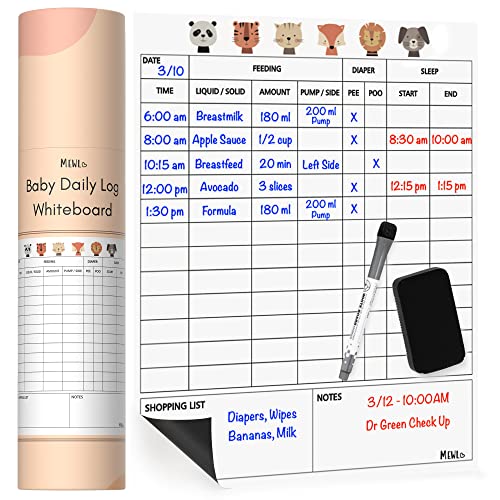
ALL IN ONE BABY TRACKER - Understand your baby’s routine and schedule by logging their feedings, diaper changes, and sleep times

Common Reasons Babies Resist Sleep

When it comes to baby sleep, many of us find ourselves puzzled by why our little ones sometimes resist settling down. Let’s explore some common reasons:
- Physical Discomfort: Wet diapers, tight clothing, or an unsuitable sleep environment can all cause sleep disruptions. Adjust room temperature to ensure comfort.
- Emotional Factors: Separation anxiety or overstimulation can make bedtime challenging. Providing a calming routine may ease anxiety.
- Health Issues: Illness or teething pain often disrupts sleep. Addressing these can help.
- Sleep Schedule: Inconsistent routines or overtiredness affect sleep patterns. A regular schedule promotes better sleep.
- External Factors: Travel or parental stress can disturb sleep routines. Maintaining consistency helps.
Recommended Products

Slumber & Sleep Essential Oil Linen Mist 2 Pack: Oilogic Slumber & Sleep Linen Mist is a gentle, drying mist that you can spray on your little one’s bed linens, pillows, sheets, pajamas, stuffed animals, and anything else around baby at bedtime.

Slumber & Sleep Essential Oil Roll-on: Oilogic Slumber & Sleep Roll-on is a vapor rub formulated with a natural blend of Pure Essential Oils and plant-based ingredients, all packaged in an easy-to-use and mess-free roll-on applicator. This Essential Oil blend can help calm your baby and help him or her rest peacefully.

The Role of Developmental Milestones

As we navigate the complexities of baby sleep, it’s important to consider how developmental milestones influence their rest. Rapid changes in brain and body, such as milestone mastery of rolling or crawling, can disrupt sleep due to increased brain activity. These cognitive shifts often lead to nighttime wakefulness as babies mentally or physically practice new skills.
- Sleep Patterns: Between 2-12 months, babies sleep 9-12 hours at night. Sleep cycles mature around 3-4 months, bringing more awakenings.
- Impact of Milestones: As infants achieve new skills, they may become more alert, leading to restlessness.
- Coping Strategies: Consistent bedtime routines and encouraging self-soothing help manage these changes. Understanding that sleep disruptions are temporary eases our adaptation to their evolving needs.
Recommended Products

𝗛𝗲𝗹𝗽 𝗞𝗶𝗱𝘀 𝗦𝗹𝗲𝗲𝗽 𝗕𝗲𝘁𝘁𝗲𝗿: Dreamegg sound machine baby offers 34 soothing sounds, including 11 nature sounds, 7 ambient sounds, 6 white noise sounds, and 10 melodies. The diverse range of sounds and immersive experience can quickly settle the children down, speeding up their transition to sleep. Say goodbye to the hassle of restless babies before bedtime or at nursery time!

OK TO WAKE CLOCK - Do you have a problem with your child getting up way too early in the morning? the okay to wake clock is a game changer which uses colors (green light red light) to teach your kids understanding the concept of when to stay in bed and when to get up.

SOUND MACHINE: Nursery essential with timer/auto shut-off (15, 30, 60 mins) and 7 sleepy sounds - white noise, pink noise, heartbeat, lullaby, bird, waves, and wind.
Environmental Factors Affecting Sleep
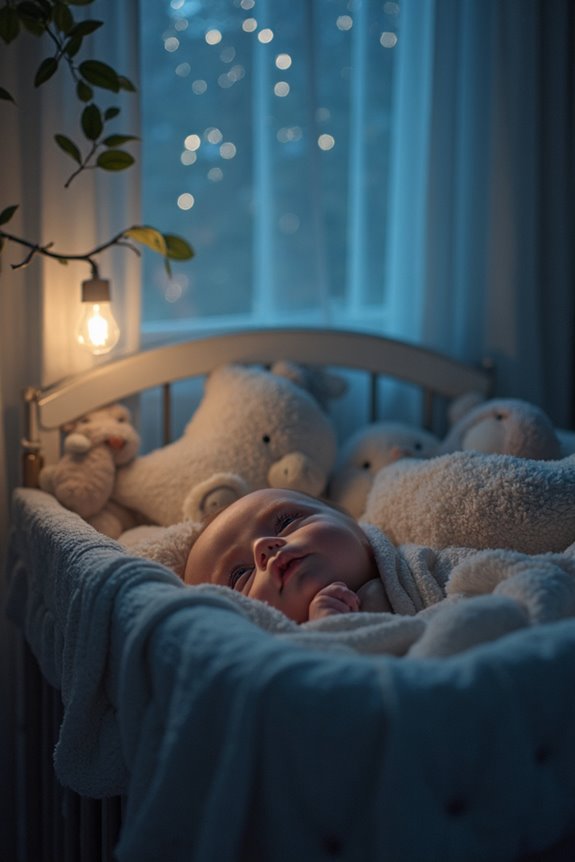
Several environmental factors significantly influence an infant’s sleep, and understanding these can help us create a more restful environment for our little ones. Let’s consider:
- Light Exposure: Bright light can delay sleep onset. A dark room helps extend sleep duration.
- Noise Levels: High noise can disrupt sleep. Consider a quiet setting or a white noise machine.
- Temperature Conditions: The room should be comfortably cool. Overheating or coldness affects sleep quality.
- Sleep Environment: Co-sleeping and non-dark environments might reduce sleep duration.
- Family Dynamics: Parental stress and lifestyle impact sleep patterns. A calm, stable environment supports better rest.
Being mindful of these elements, we can foster a soothing space conducive to peaceful slumber for our babies.
Recommended Products

【COMPACT BUT POWERFUL】- D11 Max has more skills. Designed for all things sleep, this sound machine comes with favorable features: rechargeable battery, 21 soothing sounds, customized timers, various volume levels, child-lock for safety, and even memory functions! It is not only a sleep soother sound machine for baby kids, but also an effective white noise machine for adults sleeping & relaxation.

𝟑𝟎 𝐒𝐨𝐨𝐭𝐡𝐢𝐧𝐠 𝐒𝐨𝐮𝐧𝐝𝐬 𝐟𝐨𝐫 𝐋𝐢𝐟𝐞 & 𝐅𝐨𝐜𝐮𝐬: Choose from 8 white noises, 8 fan sounds, 10 nature sounds (rain, ocean, birds), and 4 lullabies—all crisp and clear. Skip scrolling with one-tap playback to instantly block snoring, traffic, or office noise. One device creates the perfect backdrop for sleep, work, yoga, travel, or quiet nights.
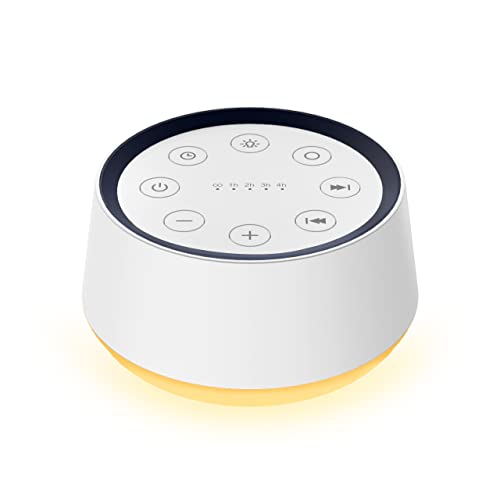
❤[30 Natural and Soothing Sounds] Our white noise machine provides 30 soothing sounds, including 3 Brown noise, 2 White noise(White noise, Pink noise), 2 fan noises( Loud and Soft Fan), 8 lullabies and 15 natural sounds( Rain, Sea waves, Brook, Bird, Train, etc.). This sound machine suitable for relieve stress, relax your mind and create a relaxing sleep environment.
Strategies for a Peaceful Bedtime Routine
To establish a peaceful bedtime routine for your baby, consistency is key. We all know that a predictable schedule helps babies recognize sleep cues. Let’s create soothing rituals together to ease this transition.
- Warm Baths: These lower their core body temperature, signaling it’s time to rest.
- Gentle Massage: A calming touch can relax muscles and improve sleep quality.
- Quiet Reading: Books calm their minds and foster bonding.
- Singing or Soft Music: Lullabies or gentle tunes can lull them to sleep.
Recommended Products

Content: Polyurethane foam.


A BEDTIME ROUTINE THAT ACTUALLY WORKS – Created exclusively for Cali's Books by pediatric occupational therapist Courtney English, Wind Down guides babies and toddlers through a structured wind-down sequence — starting with movement to get the wiggles out and ending with calm, breathing, and snuggles. Music transitions from upbeat to soothing as the routine unfolds.
Understanding Sleep Cycle Progression in Infants
When it comes to understanding your baby’s sleep cycle progression, it’s all about recognizing the patterns that emerge as they grow. In infancy, sleep cycles are typically short, ranging from 20 to 50 minutes, and consist of active (REM) and quiet (NREM) sleep.
- Early Development: Newborns often wake due to hunger, with cycles dominated by REM sleep.
- Middle Infancy: By 3 to 6 months, deep sleep increases, and sleep phase transitions become smoother.
As infants mature, they spend more time in quiet sleep, helping regulate sleep cycle duration. Each baby is unique, with individual sleep needs and patterns. By understanding these cycles, we can better support our little ones as they navigate the world of sleep.
The Impact of Sleep on Baby’s Health and Development
Understanding how sleep impacts your baby’s health and development is crucial, as it lays the foundation for their physical, mental, and emotional well-being. We know that sleep deprivation effects aren’t just about cranky mornings. For babies, it’s a matter of growth hormones not being released efficiently, which are vital for physical development. It also affects brain plasticity, crucial for cognitive development impact.
- Physical Health: Adequate sleep supports their immune system, aids in cell repair, and helps manage weight.
- Mental and Emotional Health: Sleep deprivation can lead to mood swings, increased stress, and even depression.
- Cognitive Development: Sufficient sleep enhances brain structure, learning abilities, and decision-making skills.
Let’s ensure our little ones get the rest they need to thrive.
Frequently Asked Questions
How Can Teething Affect a Baby’S Sleep?
We know teething can disrupt a baby’s sleep, leading to restless nights. Let’s share teething remedies and strengthen sleep associations to help comfort them. Our collective efforts can make bedtime smoother for our little ones.
Do Sleep Positions Influence How Babies Fall Asleep?
In our shared garden of dreams, sleep positions are like paths leading to rest. Supine offers a soft breeze, while prone invites stillness. Comfort objects and sleep environments shape our little one’s journey to peaceful slumber.
Can Screen Time Before Bed Impact a Baby’S Sleep?
We know that screen time affects a baby’s sleep by emitting blue light that disrupts natural bedtime routines. Let’s prioritize screen-free evenings, ensuring our little ones drift off peacefully, fostering better sleep and healthy development.
Is There a Link Between Feeding Schedules and Sleep Resistance?
Isn’t it interesting how feeding timing coincides with sleep resistance? By creating consistent sleep associations, we can help our little ones rest better. Let’s explore how adjusting schedules and routines might just be the magic we need.
How Do Parental Stress Levels Affect a Baby’S Sleep Patterns?
Our parental anxiety directly impacts our baby’s sleep patterns. When we manage stress effectively, we create a calmer environment, helping our little ones settle easier. Remember, our stress levels can shape their sleep experiences significantly. Let’s support each other!