As an Amazon Associate, we earn from qualifying purchases. Some links on this site are affiliate links at no extra cost to you. Our recommendations are based on thorough research and editorial judgment.

When Do Babies Start Sleeping Through the Night?

Babies typically start sleeping through the night around 5 to 6 months, though it can vary. Initially, newborns sleep in short 1-2 hour bursts day and night, but by 5 months, longer nighttime stretches often emerge. Consistent routines and a calming bedtime environment support this transition. Most infants consolidate sleep into night and day patterns within the first year, with 70-80% sleeping primarily at night by 12 months. Explore more on how to foster these patterns effectively.
Key Takeaways
- Babies often begin sleeping through the night around 5-6 months of age.
- By 12 months, 70% to 80% of infants typically sleep mostly at night.
- Consistent bedtime routines can help infants sleep longer stretches.
- Nighttime sleep becomes more consistent as infants grow older.
- Sleep patterns vary among infants, and some may achieve longer nighttime sleep earlier.
Understanding Infant Sleep Patterns
You may be interested



When it comes to understanding infant sleep patterns, there’s a lot to unpack. Sleep cycles in newborns are quite different from ours. They sleep in short spurts of 1 to 2 hours, both day and night. By around 5 months, you might notice longer nighttime sleep stretches as sleep starts to consolidate.
Naptime duration is also essential. Initially, there might be three or more naps during the day, but as babies grow, these consolidate into two longer naps. Remember:
- Total sleep for 6-12 month-olds averages 14 hours daily.
- Environmental factors influence sleep quality.
- Consistent routines help in establishing healthy sleep patterns.
Age and Developmental Trends in Sleep
As we move from understanding the basics of infant sleep patterns, let’s explore how sleep evolves with age and development. In the first few months, our little ones experience short sleep cycles, ranging from 20 to 50 minutes. As they grow, around 3 to 4 months, these cycles mature. Babies then start experiencing deep sleep at the beginning of their cycles, a significant developmental change.
- 0-3 months: Frequent, short sleep cycles.
- 3-6 months: Longer sleep stages, less active sleep.
- 4-5 months: Possible sleep regression.
- 5+ months: Evolving sleep patterns.
Neurological and physical developments, alongside environmental factors, play a crucial role. By maintaining a consistent sleep environment, we can help foster smoother transitions through these developmental changes, aiding in longer, more restful nights.
Recommended Products


Made of 100% ORGANIC COTTON, our baby sleep sacks are perfect for warmer nights or nurseries with room temperatures 70-80F. Available in three sizes: 0-6, 6-18, and 18-36 months.

TRANSITION FROM SWADDLE: The HALO Baby Merlins Magic Sleepsuit helps babies move from swaddling to independent sleep while maintaining a cozy and secure feeling they love. Perfect for easing tricky sleep regressions and building better sleep habits.
Statistical Insights on Sleep Milestones
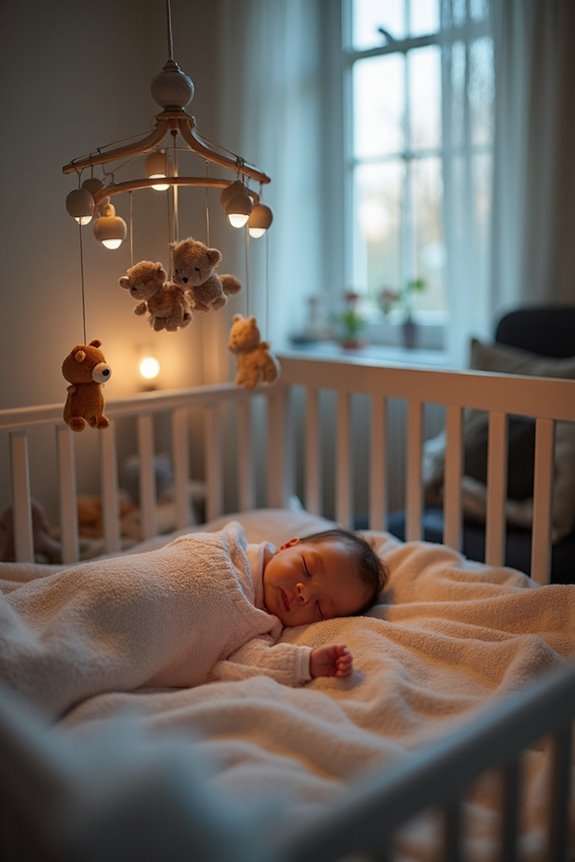
Understanding sleep milestones can be both fascinating and reassuring for those of us navigating the world of infant sleep. We’re often curious about when our little ones will sleep more consistently.
- Sleep Duration: In the first three months, infants usually clock between 13 and 16 hours of sleep per day. By 12 months, 70% to 80% of babies sleep mostly at night.
- Sleep Variability: Each baby is unique, with significant differences in sleep duration and patterns, even at the same age.
- Consolidation and Trends: Sleep starts consolidating into night and day patterns by 5-6 months. As infants grow, nighttime sleep becomes less variable and more consistent.
Knowing these patterns helps us set realistic expectations and recognize our baby’s progress.
Recommended Products
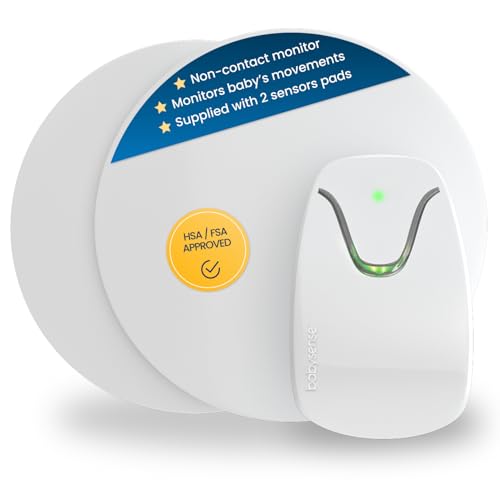
HSA/FSA APPROVED - Babysense is a highly sensitive device that monitors and detects even the slightest baby's movements through the mattress.
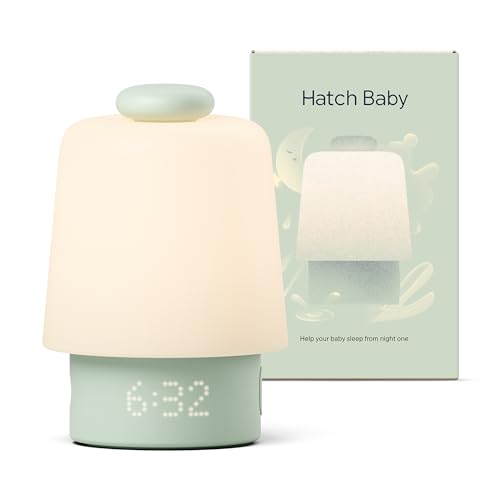
𝗬𝗼𝘂𝗿 𝗴𝗼-𝘁𝗼 𝗳𝗼𝗿 𝗯𝗮𝗯𝘆 𝘀𝗹𝗲𝗲𝗽 𝘀𝘂𝗽𝗽𝗼𝗿𝘁 𝗳𝗿𝗼𝗺 𝗻𝗶𝗴𝗵𝘁 𝗼𝗻𝗲: 𝖶𝗂𝗍𝗁 𝗋𝖾𝖺𝗅-𝗍𝗂𝗆𝖾 𝗌𝗅𝖾𝖾𝗉 𝖼𝗈𝗇𝗌𝗎𝗅𝗍𝖺𝗇𝗍 𝖼𝗁𝖺𝗍, 𝗌𝗅𝖾𝖾𝗉 𝗀𝗎𝗂𝖽𝖾𝗌 𝖿𝗈𝗋 𝖻𝖺𝖻𝗒 𝗆𝗂𝗅𝖾𝗌𝗍𝗈𝗇𝖾𝗌, 𝖺𝗇𝖽 𝗆𝖺𝗀𝗂𝖼𝖺𝗅 𝗅𝗂𝗀𝗁𝗍𝗌 𝖺𝗇𝖽 𝗌𝖼𝗂𝖾𝗇𝖼𝖾-𝖻𝖺𝖼𝗄𝖾𝖽 𝗌𝗈𝗎𝗇𝖽𝗌 𝖿𝗈𝗋 𝖻𝗎𝗂𝗅𝖽𝗂𝗇𝗀 𝗁𝖾𝖺𝗅𝗍𝗁𝗒 𝖻𝖾𝖽𝗍𝗂𝗆𝖾 𝗋𝗈𝗎𝗍𝗂𝗇𝖾𝗌, 𝖧𝖺𝗍𝖼𝗁 𝖡𝖺𝖻𝗒 𝗂𝗌 𝖾𝗏𝖾𝗋𝗒𝗍𝗁𝗂𝗇𝗀 𝗒𝗈𝗎 𝗇𝖾𝖾𝖽 𝖿𝗈𝗋 𝖻𝖺𝖻𝗒 𝗌𝗅𝖾𝖾𝗉 𝗂𝗇 𝗈𝗇𝖾 𝖼𝗎𝗍𝖾, 𝖼𝗁𝗎𝖻𝖻𝗒 𝗉𝖺𝖼𝗄𝖺𝗀𝖾

BUNDLE PACK: BABYSENSE VIDEO BABY MONITOR V24R (NEW MODEL) combined with BABYSENSE 7 Baby Movement Monitor - Provides Optimal Protection and Peace of Mind
Influential Factors in Infant Sleep

Let’s explore the factors that influence how infants sleep. It turns out, both genetic influences and environmental factors play crucial roles. Heritability estimates suggest that genetics contribute moderately to sleep behaviors like duration and waking episodes. Meanwhile, shared environmental effects, such as cosleeping, account for significant sleep variance. Parental practices also shape infant behaviors; consistent sleep routines can aid in developing mature circadian rhythms.
- Genetic Influences: Impact sleep patterns, showing variability among infants.
- Environmental Factors: Include bedtime routines and the sleep environment.
- Parental Practices: Influence sleep disturbances and routines.
- Infant Behaviors: Affect parent sleep, especially during infant-signaled waking.
Recommended Products

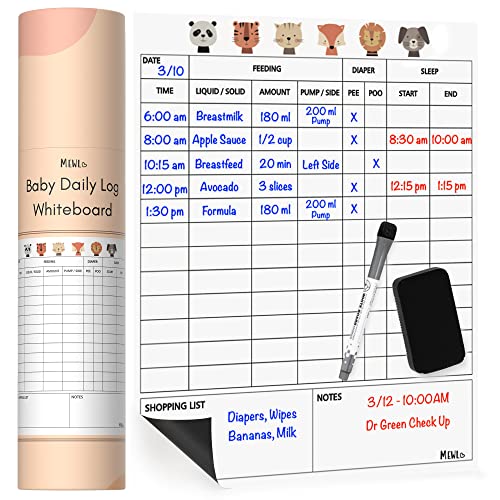
ALL IN ONE BABY TRACKER - Understand your baby’s routine and schedule by logging their feedings, diaper changes, and sleep times

Effective Strategies for Better Sleep
When it comes to helping babies sleep better, effective strategies can make a world of difference. Establishing a bedtime routine is key. Engaging in calming activities, like a warm bath or reading a story, signals it’s time for sleep. Consistent timing helps your little one adjust to a regular schedule. Let’s create a perfect sleep environment:
- Darkness: A dark room supports longer sleep.
- Temperature: Keep the room comfortable, around 68-72°F.
- Noise: White noise or gentle lullabies can minimize disturbances.
We should also focus on sleep associations. Gradually reducing interventions and putting your baby to bed drowsy but awake, encourages self-soothing. Remember, early bedtimes and responsive routines that adapt to your baby’s needs are beneficial. Let’s work together to ensure peaceful nights!
Recommended Products
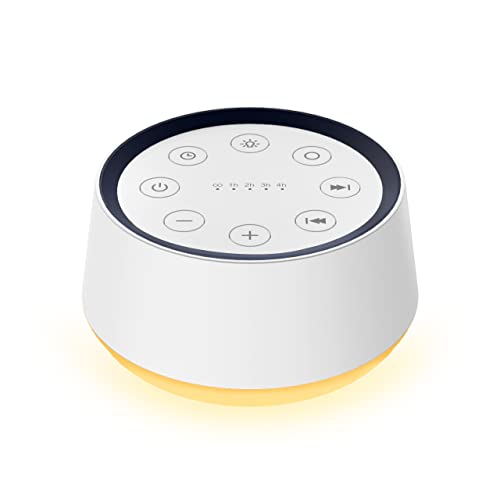
❤[30 Natural and Soothing Sounds] Our white noise machine provides 30 soothing sounds, including 3 Brown noise, 2 White noise(White noise, Pink noise), 2 fan noises( Loud and Soft Fan), 8 lullabies and 15 natural sounds( Rain, Sea waves, Brook, Bird, Train, etc.). This sound machine suitable for relieve stress, relax your mind and create a relaxing sleep environment.
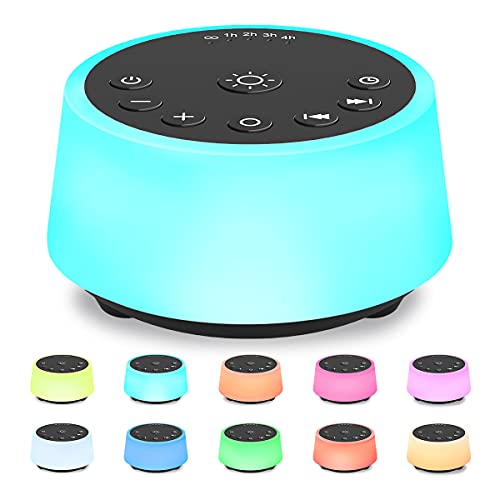
♪【25 High-fidelity and Soothing Sounds】 There are 4 types of white noise, 4 fan sounds, 3 sea wave sounds, 3rain sounds , train, star dust, meditation, and relaxing natural sounds and so on. The sound rhythm helps you fall asleep, and the white noise machine can effectively cover up destructive or startling sounds to protect your sleep quality.

【COMPACT BUT POWERFUL】- D11 Max has more skills. Designed for all things sleep, this sound machine comes with favorable features: rechargeable battery, 21 soothing sounds, customized timers, various volume levels, child-lock for safety, and even memory functions! It is not only a sleep soother sound machine for baby kids, but also an effective white noise machine for adults sleeping & relaxation.
Clinical Perspectives and Recommendations
While navigating the sleep patterns of infants, it’s crucial to rely on clinical perspectives to better understand your baby’s sleep needs. We know that establishing good sleep hygiene involves creating a consistent sleep environment. Let’s delve into the essentials:
- Sleep Duration: Infants need between 11 to 17 hours of sleep daily, crucial for their growth.
- Day-Night Differentiation: Newborns take time to develop this understanding; patience is key.
- Sleep Environment: Placing the crib in your room can reduce SIDS risks and promote better sleep.
Consulting a pediatrician is vital when assessing sleep patterns, as every baby’s needs differ. Early intervention may prevent sleep difficulties, so let’s focus on creating a nurturing, safe space for your little one to rest and grow.
Recommended Products

Value Pack - FSA Baby Monitor - combines 5" HD Video Baby Monitor with PTZ & Night Light Camera & Babysense 7 Non-Contact Baby Movement Monitor - This HSA approved pack provides optimal protection.
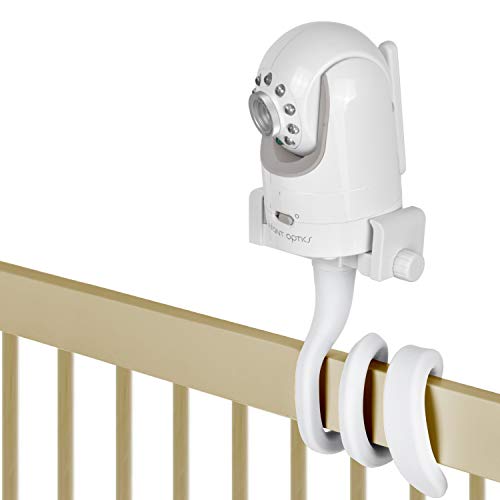
GET THE BEST POSITION - The Monitor mount allows you to place your baby monitor in the perfect position and helps you control the optimal camera angle. You’ll only need to bend and rotate flexible goose neck that wrap around crib, cot, bed, shelf, window sill or other Furniture, As a result, you will always have a perfect view of your sleeping child.

Fit 0-6 Months. The baby infant sleeping bag is made of organic cotton, camel wool, and polyester. This product composition ensures the sleeping bag is durable, soft, wash-resistant, sun-resistant, and maintains its loftiness over time. It can be cold machine washed (<40 centigrade) in a gentle cycle. Low tumble dry. Iron at low temperature if necessary.
Frequently Asked Questions
How Does Sleep Affect Infant Brain Development?
We know sleep cycles are vital for cognitive development. While infants rest, their brains grow, laying foundations for future learning. Let’s cherish these moments, understanding sleep’s role in nurturing our little ones’ potential and well-being.
What Are Signs of a Sleep Disorder in Infants?
Let’s explore signs of sleep disorders together. If our baby frequently wakes, struggles with sleep apnea, or experiences night terrors, it’s concerning. We should consult a pediatrician to ensure our little one gets the rest they need.
How Does Sleep Impact Infant Growth Rates?
We’ve noticed that sleep cycles are vital for infant growth rates. Growth hormones, primarily released during these cycles, significantly boost physical development. Let’s cherish these moments, knowing each restful night propels our baby’s growth journey.
Can Infant Sleep Patterns Predict Future Sleep Habits?
Like the gentle sway of a lullaby, infant sleep patterns can whisper hints about future habits. While not crystal balls, they offer glimpses into what’s to come, shaped by parental influence and consistent routines. Let’s explore together.
What Is the Role of Genetics in Infant Sleep Patterns?
We know genetic influences play a significant role in infant sleep patterns. Sleep inheritance means our little ones might inherit sleep traits from us. It’s fascinating how these genetic factors shape their sleep habits alongside environmental influences.