As an Amazon Associate, we earn from qualifying purchases. Some links on this site are affiliate links at no extra cost to you. Our recommendations are based on thorough research and editorial judgment.


How to Get Your Baby to Sleep in Their Crib: 5 Proven Tips

To help your baby sleep in their crib, we recommend these research-backed tips. First, create a soothing sleep environment using gentle sounds and baby-safe calming scents. Establish a consistent bedtime routine with relaxing activities like a warm bath. Ensure safe sleep practices, positioning your baby on their back in a well-ventilated crib with a firm mattress. Gradually transition your baby to the crib by starting with daytime naps. Be patient and utilize reassuring techniques. Explore more strategies that ensure your baby’s sleep success.
Key Takeaways
- Establish a consistent bedtime routine to signal sleep time and provide comfort.
- Gradually transition to the crib with short daytime nap sessions for familiarity.
- Use safe sleep practices, ensuring a crib free from bedding and toys.
- Create a comfortable sleep environment with soothing sounds and calming scents.
- Offer reassurance by gently checking in without disrupting the baby’s sleep.
Create a Comfortable Sleep Environment
You may be interested



Creating a comfortable sleep environment for your baby is essential for promoting restful nights and safe sleep habits. We should aim to make the crib a sanctuary of calm. Let’s focus on creating a serene setting with gentle sleep sounds, like a soft lullaby or white noise, which can soothe and help block out disruptive noises. Consider introducing calming scents, such as lavender, to enhance relaxation—just ensure they are baby-safe.
- Softer Lighting: Use dim lights to signal that it’s time to wind down.
- Quiet Ambiance: Keeping the room quiet supports undisturbed sleep.
- Optimal Temperature: Maintain between 68-72°F (20-22°C) to prevent discomfort.
- Minimal Stimulation: Avoid toys or bright colors in the crib to reduce distraction.
Recommended Products

【COMPACT BUT POWERFUL】- D11 Max has more skills. Designed for all things sleep, this sound machine comes with favorable features: rechargeable battery, 21 soothing sounds, customized timers, various volume levels, child-lock for safety, and even memory functions! It is not only a sleep soother sound machine for baby kids, but also an effective white noise machine for adults sleeping & relaxation.

𝟑𝟎 𝐒𝐨𝐨𝐭𝐡𝐢𝐧𝐠 𝐒𝐨𝐮𝐧𝐝𝐬 𝐟𝐨𝐫 𝐋𝐢𝐟𝐞 & 𝐅𝐨𝐜𝐮𝐬: Choose from 8 white noises, 8 fan sounds, 10 nature sounds (rain, ocean, birds), and 4 lullabies—all crisp and clear. Skip scrolling with one-tap playback to instantly block snoring, traffic, or office noise. One device creates the perfect backdrop for sleep, work, yoga, travel, or quiet nights.
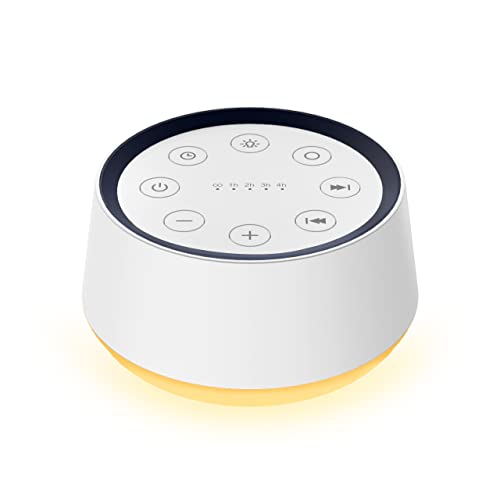
❤[30 Natural and Soothing Sounds] Our white noise machine provides 30 soothing sounds, including 3 Brown noise, 2 White noise(White noise, Pink noise), 2 fan noises( Loud and Soft Fan), 8 lullabies and 15 natural sounds( Rain, Sea waves, Brook, Bird, Train, etc.). This sound machine suitable for relieve stress, relax your mind and create a relaxing sleep environment.
Establish a Consistent Bedtime Routine

We’ve set the stage for a peaceful sleep environment, now let’s focus on establishing a consistent bedtime routine. Consistency is key, so let’s choose a start time within a 30-minute window each night. Engaging in calming activities like a warm bath, storytime, or gentle rocking can be soothing. These activities, paired with bedtime cues such as dimmed lights or soft music, signal to our little ones that it’s time to wind down. Research shows that a regular sequence and timing can significantly reduce problematic sleep behaviors and improve sleep duration. By keeping the routine brief—20 to 40 minutes—we help our children feel secure and comforted, easing their transition to sleep. Regular routines also improve maternal mood and child sleep issues.
Recommended Products

2024 UPGRADED 2-IN-1 MORNING/BEDTIME ROUTINE CHART FOR KIDS - The easy-to-slide sliders make it simple for little hands, and the thicker material offers a premium feel. The top-to-bottom task slide-in design adds convenience, helping kids stay on track with their daily routines. A must-have for busy families!


VISUAL SCHEDULE FOR KIDS: Our wooden chore chart is designed to help kids learn in a fun way. It helps reinforce the concept of evening routines, gives children a clear idea of what is supposed to do, and reduces confusion and transition anxiety.
Use Safe Sleep Practices

Ensuring our little ones sleep safely is crucial for their well-being, and using safe sleep practices helps us achieve that. When it comes to crib safety, here are some key points we should consider:
- Crib Setup: Use a well-ventilated crib, free from bedding or toys. A firm mattress with a tight-fitting sheet is essential to avoid entrapment.
- Positioning: Always place the baby on their back to sleep. This supine position significantly reduces the risk of Sudden Infant Death Syndrome (SIDS).
- Avoid Bed Sharing: Sharing a bed raises suffocation risks. Instead, consider a co-sleeper attached to your bed.
- Temperature and Accessories: Maintain a comfortable room temperature and use sleep sacks instead of blankets.
Recommended Products

Gentle and Comfy:Wrrernsin sleeping sack is crafted from 100% pure cotton fabric, soft and skin-friendly, with exceptional breathability to create a comfy sleeping space for babies. Meeting the safety standards of the US Consumer Product Safety Commission (CPSC), it ensures worry-free use for little ones. The 0.5 tog warmth level and sleeveless design effectively reduce underarm sweating, keeping babies dry and cozy all night—perfect for year-round use

100% Cotton: Made from 100% cotton, our baby sleep sack applys top 10% of the premium cotton, which is more breathable and soft on delicate skin. 0.5 tog fit for moderate seasons. With this wearable blanket, your baby would neither get sweaty nor catch a cold.

Gentle and Comfy:Wrrernsin sleeping sack is crafted from 100% pure cotton fabric, soft and skin-friendly, with exceptional breathability to create a comfy sleeping space for babies. Meeting the safety standards of the US Consumer Product Safety Commission (CPSC), it ensures worry-free use for little ones. The 0.5 tog warmth level and sleeveless design effectively reduce underarm sweating, keeping babies dry and cozy all night—perfect for year-round use
Gradually Transition to the Crib

When it comes to getting your baby to sleep in their crib, gradually transitioning can make the process smoother and less stressful for both you and your little one. Let’s start by increasing crib familiarity with short sessions during daytime naps. This helps your baby adjust without the pressure of nighttime sleep. Try beginning the transition during the first nap when sleep deprivation might make them more receptive.
- Familiar Items: Place a favorite toy or blanket in the crib.
- Reduce Contact: Gradually move further away each day.
- Monitor Progress: Track your baby’s comfort level and adjust as needed.
Consistency is key, so develop a bedtime routine and stick to it. By taking small steps, we can create a cozy, familiar space that promotes restful sleep.
Recommended Products

HELPS WITH SWADDLE TRANSITION – Designed for back-sleeping babies aged 3–6 months who are ready to move on from traditional swaddling. Offers a cozy, contained feeling that helps ease the transition.


HELPS WITH SWADDLE TRANSITION – Designed for back-sleeping babies aged 3–6 months who are ready to move on from traditional swaddling. Offers a cozy, contained feeling that helps ease the transition.
Be Patient and Persistent

As we work on creating a familiar crib environment, it’s equally important to remember that patience and persistence will be our greatest allies in this journey. Sleep training can significantly reduce night wakings and improve maternal mood, but it requires dedication. We need to offer nighttime reassurance to our little ones, gently checking in to provide emotional support without disrupting their sleep.
- Controlled Crying: Respond to cries at increasing intervals, allowing self-settling.
- Track Progress: Use sleep diaries to identify patterns and make adjustments.
- Be Patient with Regression: Remember, sleep regressions are temporary.
Let’s also prioritize our well-being by engaging with community resources and online forums. Together, we can navigate this path with understanding and care, ensuring a smoother transition for both baby and parents.
Frequently Asked Questions
How Can I Address My Baby’s Separation Anxiety?
We can address our baby’s separation anxiety by using gradual separation techniques and introducing comfort items. Let’s gently reassure them, keeping routines consistent and cozy. This way, they feel secure even when we’re momentarily apart. We’re in this together!
What Should I Do if My Baby Wakes up Frequently?
Oh, the joy of nocturnal adventures! Let’s embrace frequent wake-ups by refining our nighttime routine and crafting a cozy sleep environment. With gentle consistency, we’ll guide our little night owl toward dreamland bliss. Sweet dreams, dear reader!
How Do I Manage My Baby’s Teething Pain Affecting Sleep?
Let’s tackle our baby’s teething pain together using natural remedies. A gentle gum massage or offering teething toys can provide relief. Remember, we’re in this together, and maintaining a soothing routine will help us through.
Are There Any White Noise Options for Soothing My Baby?
We’ve found white noise machines and sleep apps work wonders for soothing our baby. They mimic womb sounds, improve sleep quality, and cue bedtime. Try portable options for travel and adjust volume for a perfect sleep environment.
How Can I Ensure My Baby Sleeps Safely During Travel?
When it comes to traveling safely with our little ones, let’s embrace the ABCs: Alone, Back, Crib. Crib alternatives like travel bassinets ensure safety. Remember, a bare sleep space is a safe sleep space.