As an Amazon Associate, we earn from qualifying purchases. Some links on this site are affiliate links at no extra cost to you. Our recommendations are based on thorough research and editorial judgment.

How to Put a Baby to Sleep in Just 40 Seconds: Expert Tips

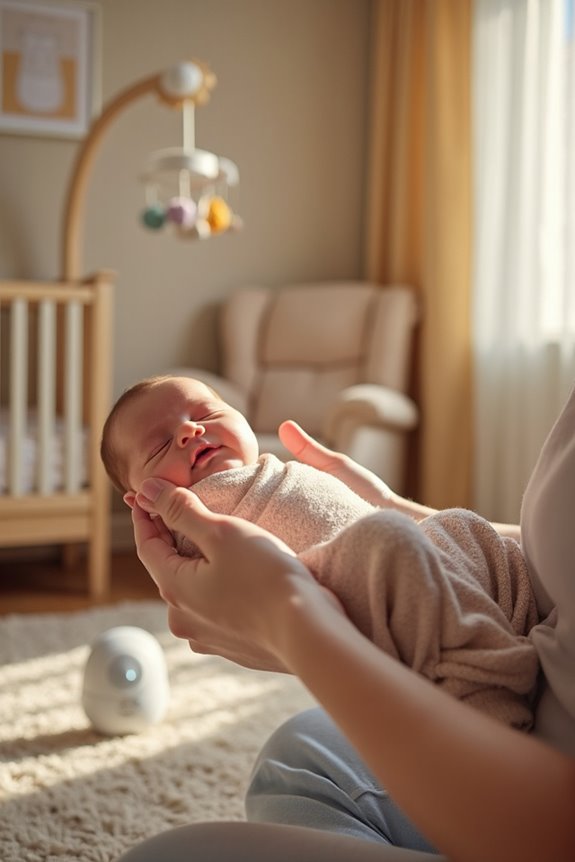
We can help put a baby to sleep quickly with expert-backed techniques. Start a consistent bedtime routine by dimming lights and using calming music. Encourage self-soothing by placing the baby in their crib drowsy but awake. Create a peaceful environment with blackout curtains and white noise. These steps can help your baby fall asleep in about 40 seconds. Properly monitoring sleep patterns will further enhance quality, and there’s more to explore for lasting results.
Key Takeaways
- Use white noise or calming sounds like ocean waves to quickly soothe the baby to sleep.
- Create a bedtime routine with dim lighting and soft music to signal it’s time for rest.
- Place the baby in bed drowsy but awake to encourage self-soothing and rapid sleep onset.
- Ensure the sleep environment is optimal with a firm mattress and room temperature between 68-72°F.
- Incorporate calming techniques like gentle rocking or a warm bath before bed to relax the baby.
Establishing a Quick and Effective Bedtime Routine
You may be interested


Establishing a quick and effective bedtime routine can be a game-changer for both you and your little one. Let’s explore how we can create a comforting wind-down period. First, consider incorporating bedtime activities like a warm bath, gentle storytelling, or soft music. These can signal that it’s time to rest. Routine flexibility is vital; adjust activities to fit your child’s age and needs. This adaptability ensures the routine remains effective and engaging.
- Timing is Key: Start the routine at the same time every night for consistency.
- Sensory Elements: Dimming lights or playing calming music can create a soothing environment.
Research shows that consistent bedtime routines help children fall asleep faster and sleep more soundly, benefiting both their emotional development and our family’s well-being.
Recommended Products

2024 UPGRADED 2-IN-1 MORNING/BEDTIME ROUTINE CHART FOR KIDS - The easy-to-slide sliders make it simple for little hands, and the thicker material offers a premium feel. The top-to-bottom task slide-in design adds convenience, helping kids stay on track with their daily routines. A must-have for busy families!


VISUAL SCHEDULE FOR KIDS: Our wooden chore chart is designed to help kids learn in a fun way. It helps reinforce the concept of evening routines, gives children a clear idea of what is supposed to do, and reduces confusion and transition anxiety.
Promoting Independent Sleep and Self-Soothing
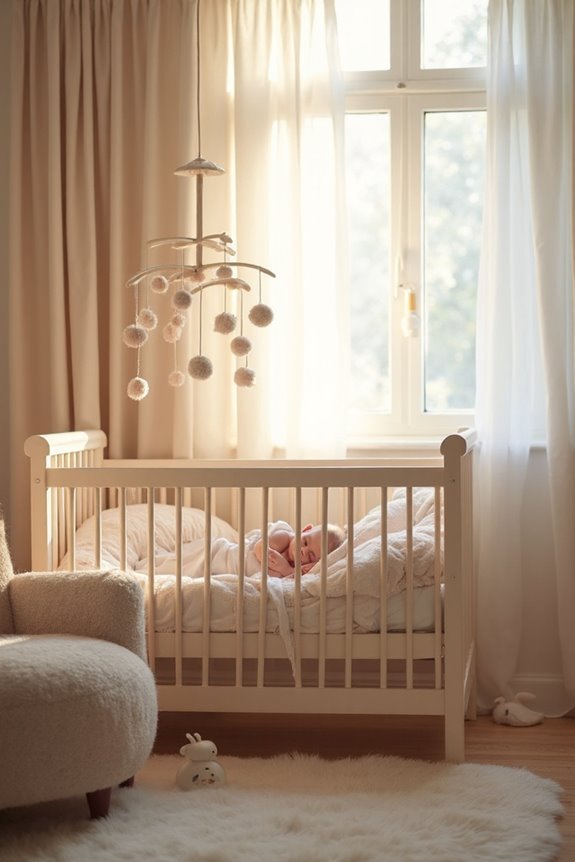
When it comes to promoting independent sleep and self-soothing in infants, understanding the nuances can make all the difference. We know that self-soothing benefits both infants and parents, fostering better sleep quality and reducing nighttime awakenings. It’s important to let babies experience short waiting periods before intervening, as this builds their self-soothing skills. Parental patience plays a crucial role here—waiting a bit longer to respond can lead to increased independence.
- Quiet Sleep: A higher level of quiet sleep can indicate readiness for self-soothing.
- Consistent Practices: Consistency in responses helps infants learn to self-settle.
- Drowsy Yet Awake: Placing them in bed drowsy encourages self-soothing.
Recommended Products

𝗛𝗲𝗹𝗽 𝗞𝗶𝗱𝘀 𝗦𝗹𝗲𝗲𝗽 𝗕𝗲𝘁𝘁𝗲𝗿: Dreamegg sound machine baby offers 34 soothing sounds, including 11 nature sounds, 7 ambient sounds, 6 white noise sounds, and 10 melodies. The diverse range of sounds and immersive experience can quickly settle the children down, speeding up their transition to sleep. Say goodbye to the hassle of restless babies before bedtime or at nursery time!

OK TO WAKE CLOCK - Do you have a problem with your child getting up way too early in the morning? the okay to wake clock is a game changer which uses colors (green light red light) to teach your kids understanding the concept of when to stay in bed and when to get up.

SOUND MACHINE: Nursery essential with timer/auto shut-off (15, 30, 60 mins) and 7 sleepy sounds - white noise, pink noise, heartbeat, lullaby, bird, waves, and wind.
Creating an Optimal Sleep Environment
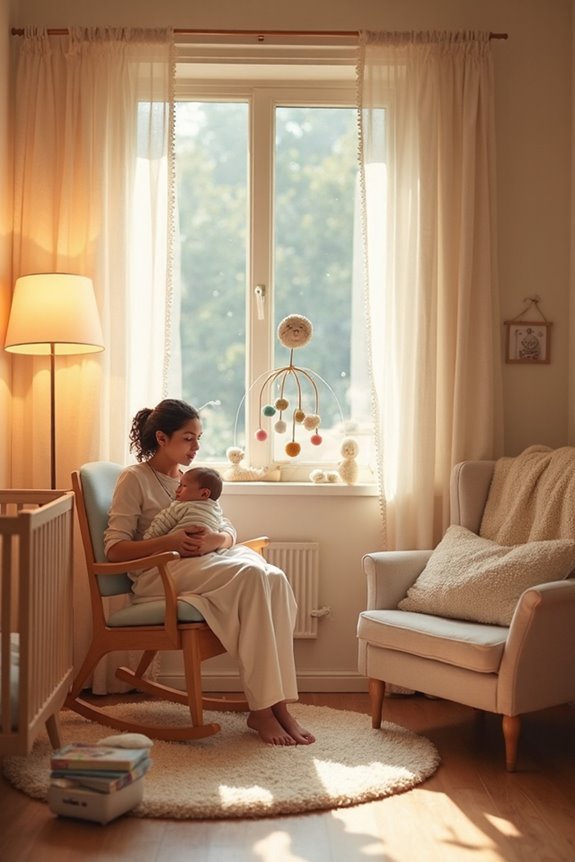
Creating an optimal sleep environment is crucial for ensuring your baby gets the rest they need, and it’s easier than you might think. Let’s dive into the essentials. Darkness helps extend nighttime sleep; consider blackout curtains to minimize light exposure. Keep the room cool, around 68-72°F, to prevent overheating, crucial for reducing SIDS risk. For ambient lighting, a dim nightlight can be soothing without disrupting sleep.
Minimizing noise is key—try a white noise machine to drown out external sounds. Always place your baby on their back in a crib with a firm mattress and tight-fitting sheet. Room sharing, without co-sleeping, can cut SIDS risk by half. Consistency in the sleep environment supports better sleep patterns over time.
Recommended Products

【COMPACT BUT POWERFUL】- D11 Max has more skills. Designed for all things sleep, this sound machine comes with favorable features: rechargeable battery, 21 soothing sounds, customized timers, various volume levels, child-lock for safety, and even memory functions! It is not only a sleep soother sound machine for baby kids, but also an effective white noise machine for adults sleeping & relaxation.

𝟑𝟎 𝐒𝐨𝐨𝐭𝐡𝐢𝐧𝐠 𝐒𝐨𝐮𝐧𝐝𝐬 𝐟𝐨𝐫 𝐋𝐢𝐟𝐞 & 𝐅𝐨𝐜𝐮𝐬: Choose from 8 white noises, 8 fan sounds, 10 nature sounds (rain, ocean, birds), and 4 lullabies—all crisp and clear. Skip scrolling with one-tap playback to instantly block snoring, traffic, or office noise. One device creates the perfect backdrop for sleep, work, yoga, travel, or quiet nights.
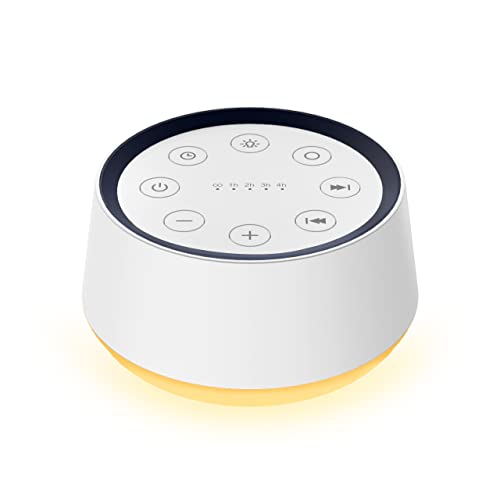
❤[30 Natural and Soothing Sounds] Our white noise machine provides 30 soothing sounds, including 3 Brown noise, 2 White noise(White noise, Pink noise), 2 fan noises( Loud and Soft Fan), 8 lullabies and 15 natural sounds( Rain, Sea waves, Brook, Bird, Train, etc.). This sound machine suitable for relieve stress, relax your mind and create a relaxing sleep environment.
Utilizing Calming Techniques for Rapid Sleep Induction
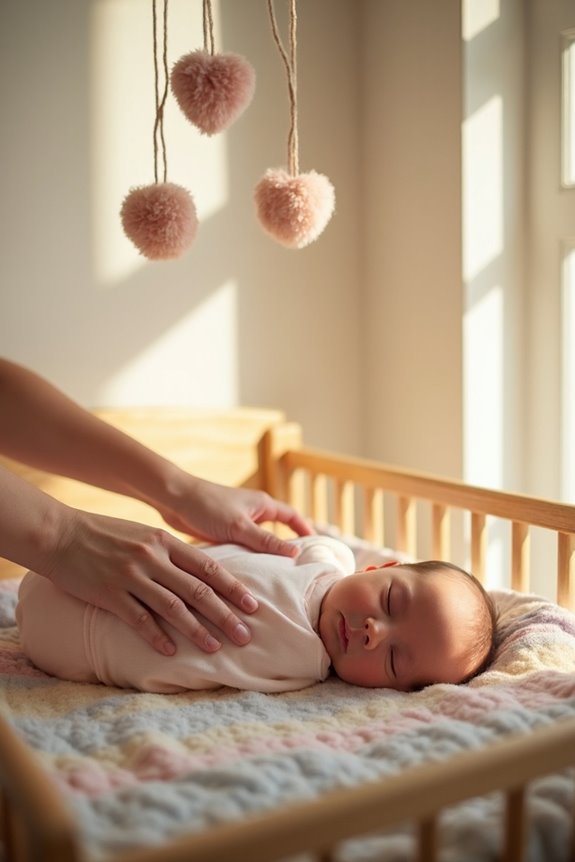
To help our little ones drift off to dreamland, we can explore some calming techniques that make sleep induction a smoother process. One effective method is using white noise. Research shows that 80% of babies fall asleep within five minutes with white noise, which masks disruptive sounds. Consider using a white noise machine or app; fan sounds or ocean waves work well too.
Additionally, soothing music, such as gentle lullabies or instrumental pieces, creates a calming atmosphere. Playing the same music consistently can signal that it’s time for sleep, enhancing its effectiveness.
Combining these techniques, we can create a serene environment that encourages rapid sleep induction. Let’s embrace these strategies for a peaceful night’s rest, benefiting both our babies and ourselves.
Recommended Products
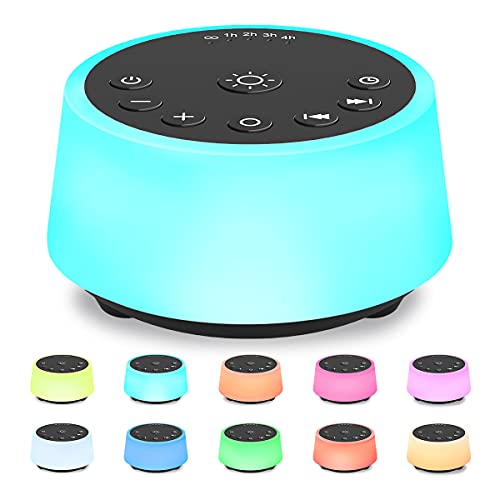
♪【25 High-fidelity and Soothing Sounds】 There are 4 types of white noise, 4 fan sounds, 3 sea wave sounds, 3rain sounds , train, star dust, meditation, and relaxing natural sounds and so on. The sound rhythm helps you fall asleep, and the white noise machine can effectively cover up destructive or startling sounds to protect your sleep quality.

💕25 Non-Looping Sleep Sounds:White noise,fans,brook,sea waves,bird, bonfire,train,piano,lullabies,meditation and so on,this special gift with big big love,will give you the most peace of mind,suitable for baby, kids and adults.

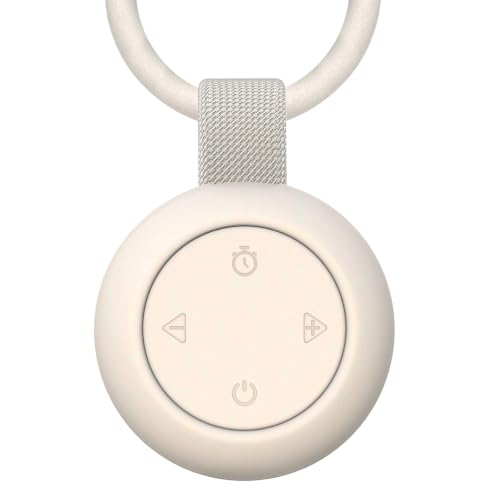
💫【Portable & Mini Design, Clips Anywhere】 The small sound machine is easy to pack and carry on the go. The lightweight design, along with the hanging loop, can be easily clips on strollers, car seats, cribs, diaper bags, or suitcases without the worry of falling off. Whether you're on a family walk, a road trip, or travelling to a distant destination, it helps you to enjoy a peaceful sleep time.
Monitoring Sleep Patterns to Enhance Sleep Quality
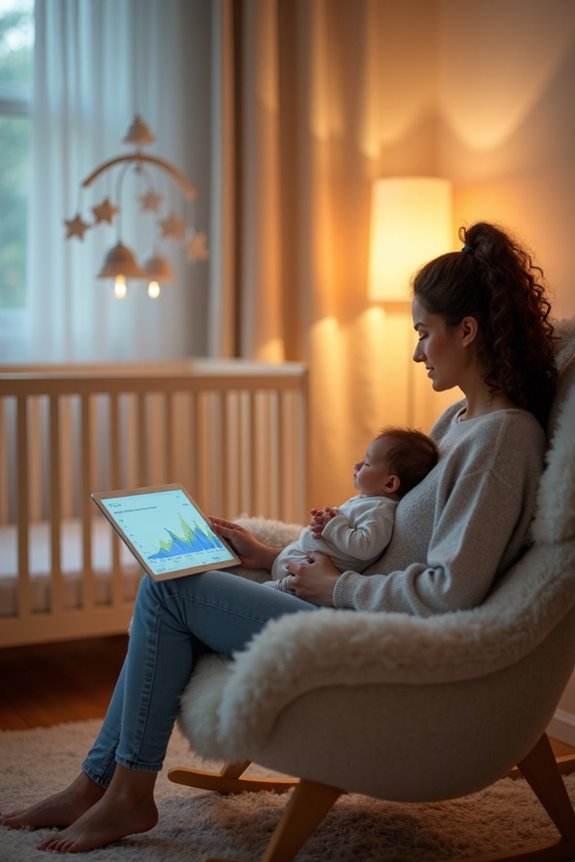
Understanding and monitoring sleep patterns can greatly enhance sleep quality for our little ones. By focusing on sleep duration and wakefulness tracking, we gain insights into their specific needs.
- Sleep Duration: Tracking how long our baby sleeps helps us understand their sleep requirements. Infants typically need 14-17 hours daily, and deviations might indicate adjustments are needed.
- Wakefulness Tracking: By observing periods of wakefulness, we can spot potential disruptions. Tools like actigraphy or sleep diaries are effective for this purpose.
- Sleep Quality: Assessing overall sleep quality, including restfulness and consistency, ensures our child gets the best rest possible.
These methods let us tailor sleep environments and routines, making bedtime a peaceful experience for everyone. Let’s embrace these insights for happier nights!
Encouraging Rapid Sleep Onset With Consistent Techniques
After gaining valuable insights into our baby’s sleep patterns, we can now focus on encouraging rapid sleep onset with consistent techniques. Creating a sleep-friendly environment is key. We should maintain a room temperature between 68°F and 72°F and use calming sounds like white noise to soothe them. Consistent sleep training involves:
- Room Setup: Dim the lights to aid circadian rhythm regulation.
- Noise Control: Minimize distractions for quicker sleep.
- Bedtime Routine: A soothing bath, gentle massage, and soft lullabies can signal it’s time to sleep.
- Self-Soothing: Gradually reduce intervention, allowing them to learn self-soothing.
- Sleep Aids: Use transitional objects and sleep sacks for comfort.
Recommended Products
White noise on the go: Portable sound machine with 20 kinds of the most soothing white noise can carry everywhere. Sounds including: White Noise, Hush, Heartbeat, Ocean and more.

Multiple Soothing Sounds - This sound machine offers 34 high-fidelity sounds, including 11 white noises, 3 fan sounds, 8 lullabies, and 12 nature sounds, ranging from 40 to 110 dB. Choose the ideal background to mask intrusive noises and create the perfect environment for work, study, sleep, or soothing an upset baby.

Soothing Sounds: Helps to soothe and comfort little ones with 4 relaxing sound Options; Choose between Heartbeat, White Noise, Ocean or Lullaby and create a Peaceful Sleep environment Anywhere
Frequently Asked Questions
What Are Some Common Sleep Myths About Putting Babies to Sleep?
Let’s explore common sleep myths. We’ve learned that sleep training isn’t instant magic, and bedtime routines are essential. Every baby’s different; some myths suggest immediate results, but patience and consistency truly nurture those peaceful nights.
How Can Dietary Choices Impact a Baby’s Sleep Patterns?
Let’s explore how dietary habits shape our baby’s sleep associations. Tryptophan, nucleotides, and fatty acids in breast milk can influence sleep quality, while consistent feeding schedules help establish patterns. Nutrition’s timing and type truly matter for restful nights.
Are There Specific Toys That Help Babies Sleep Better?
We all want our little ones to sleep peacefully. While plush toys aren’t safe, sound-based sleeping aids and pacifiers can be calming toys. They help create a soothing environment, ensuring better sleep for babies and restful nights for us.
Does the Type of Crib Mattress Affect Baby Sleep Quality?
We know choosing the right crib mattress impacts our baby’s sleep quality. Firmness is key for safety, while breathable materials help maintain comfort. Let’s ensure our little ones sleep soundly by prioritizing these essential features.
How Do Teething Issues Interfere With a Baby’s Sleep?
Oh, the joys of teething, where our little ones test their vocal cords at 2 a.m.! Teething remedies can help, but creating positive sleep associations is key. Let’s embrace this sleepless phase with humor and togetherness.