As an Amazon Associate, we earn from qualifying purchases. Some links on this site are affiliate links at no extra cost to you. Our recommendations are based on thorough research and editorial judgment.

When Can You Safely Pierce a Baby’s Ears?

It’s generally safe to pierce a baby’s ears after three months, when their immune system is stronger post-vaccination. In cultures with piercing traditions, early infancy is common. Opt for professional piercers using sterile equipment and hypoallergenic earrings, like gold or surgical-grade materials, to avoid allergic reactions. Aftercare is crucial—clean piercings with mild soap and water, apply antibiotic ointment, and rotate earrings gently. Monitor signs of infection, and with consistent care, you’ll ensure safe healing. Discover more tips by continuing further.
Key Takeaways
- Piercing a baby’s ears is often safe at 3 months after vaccinations and immune system strengthening.
- Cultural traditions may dictate ear piercing timing, often aligning with early infancy practices.
- Ensure the procedure is performed by trained professionals using sterile equipment to minimize infection risk.
- Opt for hypoallergenic materials like surgical-grade stainless steel or titanium to reduce allergy risks.
- Proper aftercare, including routine cleaning and monitoring for infection, is crucial for safe healing.
Age Recommendations for Ear Piercing
You may be interested



When considering the right age for piercing a baby’s ears, several factors come into play. We must weigh cultural significance alongside aesthetic preferences. For some, ear piercing shortly after birth is a cherished tradition, deeply rooted in cultural practices. Meanwhile, others might be guided by personal aesthetic preferences, choosing to adorn their baby’s ears with delicate studs.
Here’s what we need to consider:
- Early Infancy: Often chosen for cultural reasons, it aligns with the completion of initial vaccinations.
- 3 Months: A suitable age due to a stronger immune system, post-vaccination.
- School Age (5-10 years): Ideal for children who can engage in aftercare.
- Tweens and Teens: They can manage aftercare independently, adding personal choice to the experience.
Ultimately, your decision will reflect both cultural and personal values.
Medical and Safety Precautions
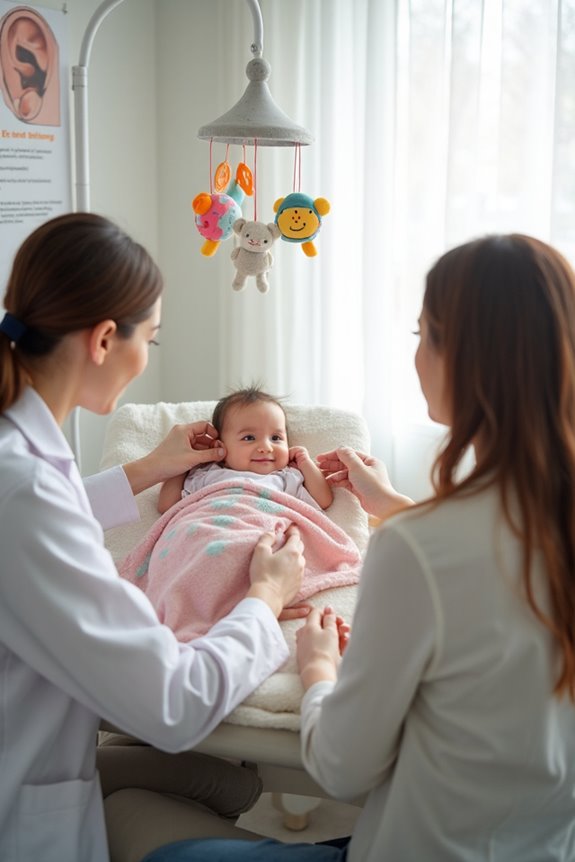
While ear piercing might seem like a straightforward decision, ensuring the safety and health of your baby requires careful consideration of medical and safety precautions. Let’s talk about infection prevention and sterile techniques, which are key to a smooth experience.
- Sterile Equipment: We should always use individually sealed, disposable ear piercers or sterile needles to minimize infection risks.
- Allergic Reactions: Opt for gold or sterling silver earrings to avoid allergic reactions.
- Professional Guidance: Trust only trained professionals for the piercing. They ensure the use of sterile techniques and maintain a sterile environment.
- Family History: If there’s a history of keloids, consulting a pediatrician is important before proceeding.
Recommended Products

【Professional Ear Piercing Gun Kit】The body piercing tool kit comes with 1pcs multipurpose ear piercing gun,98 pcs stainless steel piercing earrings studs, 100 pcs silicone earring backs, 12 pcs crystal stud earrings (6 different sizes, each size one pair), 20 pcs silver ear sticks, 1 pcs marker pen, 1 pcs storage box, 1pcs small mirror. A complete ear piercing tool set to meet your various piercing needs, whether you are at home salon or traveling on the go

1️⃣ TINY CZ SCREW BACK CARTILAGE EARRINGS Crafted with AAA+ cubic zirconia, these tiny stud earrings feature a 20G (0.8mm) threaded post with a secure screw back design to keep your earrings safely in place. Perfect as nap earrings and suitable for both men and women.

RAPID SKIN RECOVERY: Studex Advanced 2-in-1 Aftercare & Cleanser is a rapid piercing aftercare solution and ongoing skin cleanser for body and ear piercings, with a 3-week application for faster recovery than the traditional 6-8 weeks.
Understanding the Piercing Process
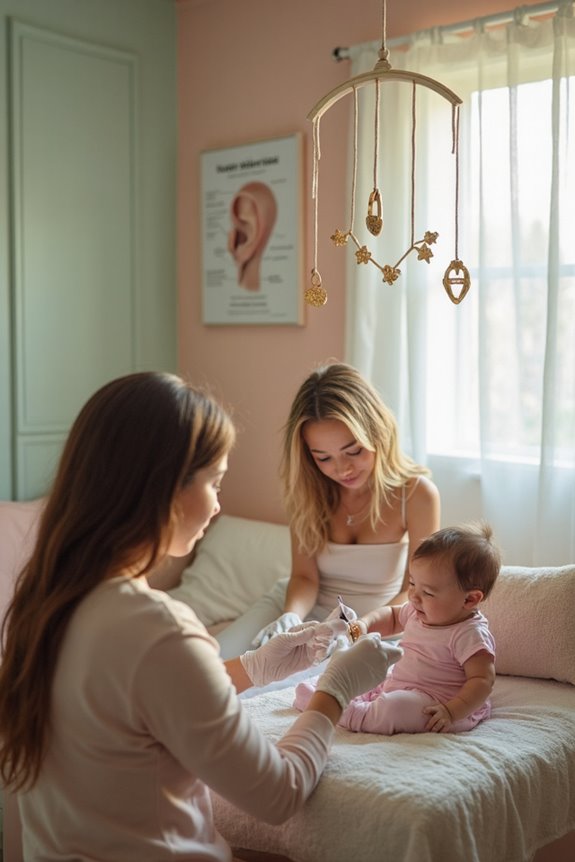
Understanding the piercing process can seem daunting, but with a little preparation, it doesn’t have to be. Let’s break it down together.
- Assessment and Preparation: We start by assessing your baby’s ears, ensuring perfect placement.
- Hygiene Protocols: It’s crucial. We wash our hands, use gloves, and mark the earlobes with a single-use Sharpie.
- Piercing Techniques: We use sterile equipment—cartridges in the device—to minimize infection risk.
- Parental Involvement: Your comfort with the procedure and placement matters.
Being involved during the process ensures peace of mind. This approach, combined with professional expertise, guarantees that our little ones are in the safest hands possible, creating a positive experience for everyone involved. Remember, you’re not alone; we’re here every step of the way.
Recommended Products
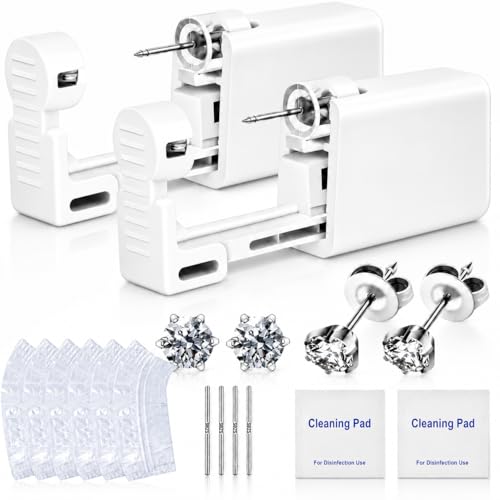
💎Clean Single-Use Kit: Includes 2 disposable ear piercing guns, each individually sealed and intended for one-time use. A ready-to-use choice for at-home ear lobe piercing.

【3rd Gen Auto Spring-Loaded Design for Quick & Smooth Piercing】: Engineered with a precision spring mechanism, this device delivers a smooth and instant puncture in under 0.01 seconds. The automated action minimizes discomfort and reduces the chance of bleeding, making it an excellent choice for first-timers or those sensitive to pain.

Package includeº2PCS Ear Gun With 2PCS earring Studs,Individually packed and sterilized, avoid inflammation
Choosing the Right Materials

Choosing the right materials for your baby’s earrings is crucial to ensure their comfort and safety. We need to focus on material types that meet safety standards. Here’s what to consider:
- Surgical-grade stainless steel and titanium are excellent choices, reducing allergy risks.
- 14-karat gold or higher is gentle on sensitive skin.
- Medical-grade plastic is lightweight, nickel-free, and affordable.
Avoid nickel, brass, and base metals due to the high allergy risk they pose. Opt for hypoallergenic options to minimize allergic reactions. Non-porous materials like polished metals prevent bacterial buildup, while medical-grade plastic is less likely to snag or cause injury. Flat-back studs with secure closures are ideal, ensuring comfort and reducing the risk of accidental removal.
Recommended Products

Hypoallergenic Girls Earrings& Safe for Sensitive Baby Ears: Crafted from medical-grade stainless steel, these toddler earrings are hypoallergenic, nickel-free, and ideal for sensitive ears, new piercings, or baby’s first earrings. Gentle enough for daily wear and approved for kids with allergies

SECURE SAFETY SCREW BACKS: These princess square cut 925 sterling silver earrings are designed with a screw-back mechanism that stays in place; toddler earrings that prevent accidental loss and give parents peace of mind while kids play, run, or explore

1. Revolutionizing Elegance - Threadless Flat Back Nap Earrings: Push in flat back design, non-screwed, can be easily put on and taken off. We believe jewelry should enhance your style effortlessly. If you'd like to providing a comfortable and secure fit without compromising style. This push in flat back design must be for you.
Importance of Professional Piercers

When considering piercing your baby’s ears, it’s important to recognize the role of professional piercers for a safe and comfortable experience. We know that the importance of sterilization can’t be overstated. Professional piercers ensure that sterile equipment is used, significantly reducing the risk of infections and complications like keloids. They’re trained to comply with strict safety standards, providing a sterile environment essential for proper infection prevention.
The role of pediatricians is also invaluable. Their expertise ensures minimal pain and precise placement, and they often incorporate anesthetics to reduce discomfort. Pediatricians respect cultural traditions while maintaining safety, offering guidance on aftercare, and providing follow-up support. Together, professional piercers and pediatricians create a comprehensive approach to safely piercing your baby’s ears.
Effective Aftercare Practices
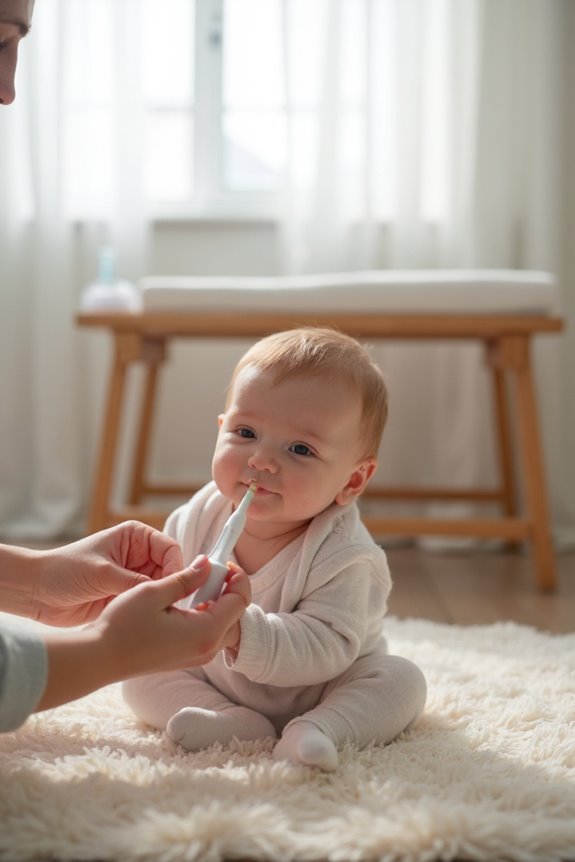
Caring for your baby’s newly pierced ears requires diligent aftercare practices to ensure a smooth healing process. Let’s explore cleaning techniques and infection prevention to keep those tiny ears healthy.
- Cleaning Techniques:
- Use mild, fragrance-free soap and water twice daily.
- Apply antibiotic ointment with a cotton pad to reduce infection risk.
- Always wash your hands before touching the piercings.
- Rotate earrings gently twice a day to promote healing.
- Infection Prevention:
- Avoid using irritants like alcohol or hydrogen peroxide.
- Choose hypoallergenic earrings and maintain cleanliness.
- Monitor for signs of infection, such as redness or discharge.
Recommended Products

🔥 HELP THE RECOVERY PROCESS... for body piercings! Use these saline wash wipes as a nose piercing cleaner, belly button cleaner, or earring cleaner for pierced ears. Help keep your ear & body piercings on the steady path to recovery

ALL NATURAL PIERCING AFTERCARE SPRAY - Base Labs piercing aftercare spray for new and existing piercings is powered by our Isotonic Saline Solution. Use as a cleanser and saline spray for piercings, bumps and keloids on the Ear, Nose, Belly Button, Earrings, Tattoo Aftercare, Wound Wash and more.

No burning or stinging
Monitoring for Potential Complications
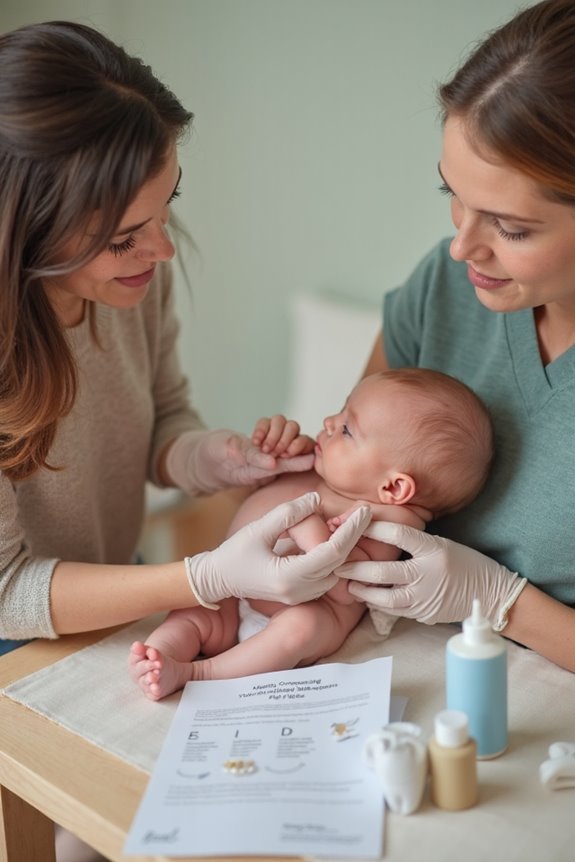
Although ear piercings can be an exciting milestone for your baby, monitoring for potential complications is crucial to ensure their well-being. We need to be vigilant for infection signs like redness, swelling, or pus around the piercing. If these symptoms persist for more than 24 hours, or if your baby develops a fever over 100.4°F, it’s wise to seek medical attention. Proper cleaning hygiene is key; wash your hands before touching the piercing to prevent infections.
Recognizing Allergic Reactions
Just as we keep an eye out for infections, it’s also important to be aware of allergic reactions that can occur after a baby’s ear piercing. Allergy symptoms such as redness, swelling, or itching around the pierced area might signal a reaction. Common reaction causes include nickel in earrings, tight earring backs, or exposure to certain materials.
To prevent these issues, we should:
- Opt for hypoallergenic earrings
- Clean the piercing regularly
- Avoid touching earrings with dirty hands
If we notice symptoms, taking immediate action is crucial. Removing the earrings and using antihistamines or a cold compress can ease discomfort. Always consult a healthcare professional for severe symptoms, ensuring our little ones stay safe and happy.
Addressing Common Risks and Concerns
When considering ear piercing for babies, it’s crucial to address common risks and concerns to ensure a safe and positive experience. Let’s talk about infection management and scarring risks, two biggies when it comes to piercing those tiny ears.
- Infection Management: Infection is the most common risk. Infections can be severe, especially in babies under three months. Using sterile equipment and skilled providers helps. Watch for signs like pus and swelling, and clean the area 2–3 times a day.
- Scarring Risks: Scarring, including keloids, can occur, particularly if there’s a family history. Avoid piercing guns and opt for needle methods, which reduce tissue trauma. Early childhood piercing could minimize scar risks if keloids are a concern.
Tips for Parents and Caregivers
How can we ensure a safe and smooth experience when piercing a baby’s ears? It begins with understanding the cultural significance and parental involvement in the decision-making process. Here’s how we can make it seamless:
- Choose the Right Professional: Opt for an experienced piercer who understands the nuances of piercing a baby’s ears.
- Sterile Equipment: Insist on sterile equipment to reduce infection risks.
- Calm Environment: A quiet setting helps ease the baby’s stress.
- Support Person: Having someone to help soothe the baby is invaluable.
- Earring Material: Select hypoallergenic earrings, like surgical steel, to avoid reactions.
Ensure a consistent aftercare routine with saline solutions, and involve family in monitoring healing. This collaboration ensures a positive experience for everyone involved.
Frequently Asked Questions
What Cultural Factors Influence Decisions About Infant Ear Piercing?
Like a tapestry woven with love, our cultural traditions and family beliefs shape decisions on infant ear piercing. It’s about honoring heritage, reinforcing identity, and fulfilling familial expectations, all while celebrating the precious new life in our community.
How Do Parents Decide on the Best Timing for Ear Piercing?
When deciding the best timing for ear piercing, we consider health considerations and parental preferences closely. It’s about balancing our cultural beliefs with ensuring safety, consulting professionals, and feeling confident in our choice for our little one.
What Are Some Popular Styles of Earrings for Babies?
When we’re choosing earrings for our little ones, diamond studs and colorful hoops are popular. We love the sparkle and fun they bring, while ensuring they’re safe and hypoallergenic. Let’s cherish these special moments together.
How Do Families Handle Differing Opinions on Infant Piercings?
In navigating family dynamics, we balance differing beliefs. Some cherish cultural traditions, others prioritize health concerns. Let’s communicate openly, respecting each viewpoint, while consulting professionals to ensure our baby’s well-being. Together, we’ll find harmony.
Are There Any Legal Restrictions on Piercing a Baby’S Ears?
We know you’re curious about legal guidelines for baby ear piercings. Generally, there aren’t specific age restrictions, allowing parental discretion. However, some states require parental consent for minors. It’s important to check your local regulations.