As an Amazon Associate, we earn from qualifying purchases. Some links on this site are affiliate links at no extra cost to you. Our recommendations are based on thorough research and editorial judgment.


10 Soothing Ways to Help Your Teething Baby

We can help soothe your teething baby with these 10 effective methods. Start with a gentle gum massage using a clean finger, then offer chilled teething rings or toys. Cold foods like frozen blueberries and bananas provide relief, while pain medications, such as infants’ TYLENOL, manage discomfort. Safe feeding adaptations include pureed and cold foods. Monitor product safety and maintain proper hygiene to ensure comfort. Consulting healthcare professionals can provide further reassurance for your baby. Discover more.
Key Takeaways
- Gently massage your baby’s gums with a clean finger to relieve discomfort.
- Offer chilled teething rings to soothe swollen gums safely.
- Provide frozen fruits like blueberries and bananas for numbing relief.
- Use infants’ TYLENOL as directed for managing severe teething pain.
- Ensure toys and teething aids are BPA-free and regularly inspected.
Gentle Gum Massage
You may be interested



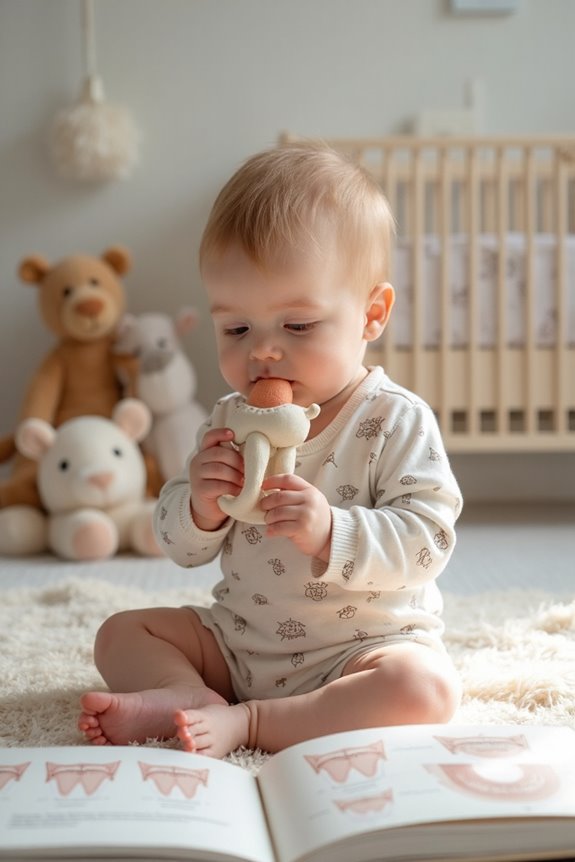
When it comes to soothing a teething baby, one simple yet effective technique is gentle gum massage. We can try using our clean finger to rub their gums in a circular motion. This technique has soothing benefits, as it stimulates blood flow, helping to relieve pain and discomfort. Plus, the direct interaction between us and our baby can be incredibly calming.
Here’s how we can do it:
- Hand Hygiene: Wash hands thoroughly.
- Tools: Consider using a wet gauze pad over a finger.
- Pressure: Apply gentle, even pressure.
- Area: Focus along the gum line where discomfort is evident.
Chilled Teething Rings and Toys

Chilled teething rings and toys offer a variety of benefits that can make a big difference for our little ones experiencing the discomfort of teething. The cooling effect of chilled rings is soothing on swollen gums, providing much-needed relief. They’re designed for easy handling, perfect for small hands to grasp and explore. It’s crucial to choose teething rings made from safe materials, like BPA-free silicone, to ensure our baby’s safety.
- Safety Tips:
- Always refrigerate, never freeze, to prevent rings from becoming too hard.
- Inspect regularly for wear and tear.
- Ensure they’re large enough to avoid choking hazards.
- Design Benefits:
- Textured surfaces stimulate gums.
- Some include plush elements for added visual interest.
With these considerations, chilled teething rings become a trusted ally.
Recommended Products

COOLING TEETHING RELIEF: Each teether is filled with purified water and can be placed in the refrigerator for a soothing, cool sensation that helps reduce teething discomfort. The chilled surface soothes sore gums, offering relief for teething babies

Water-filled teethers soothe baby’s gums

SILICONE BABY TEETHING TOY: Thoughtfully designed with a room-temperature silicone handle that prevents baby's hands from getting cold while chewing, allowing for extended teething sessions without discomfort. The easy-grip ergonomic shape is perfectly sized for little hands and promotes independent use during teething pain
Cold or Soft Foods
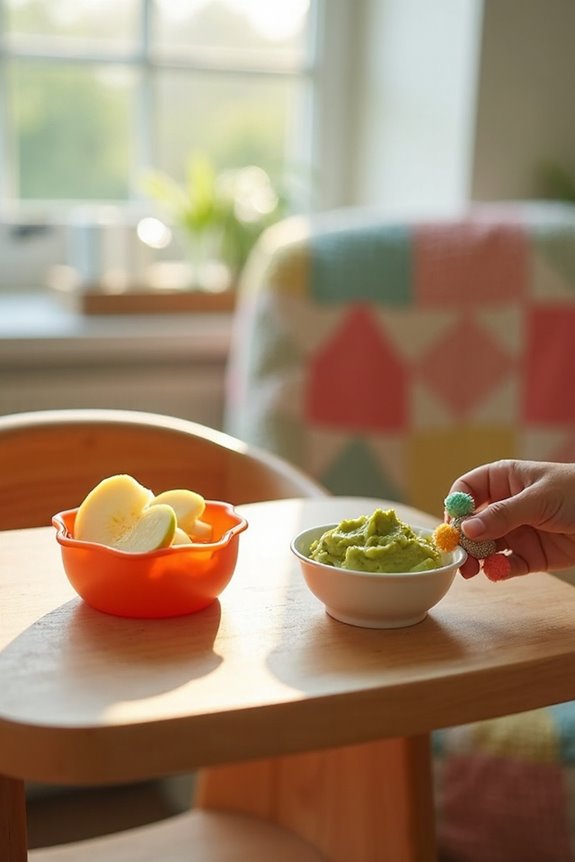
As we explore ways to ease a baby’s teething discomfort, it’s beneficial to consider cold or soft foods as a soothing option. These foods can offer relief through their frozen fruits and soothing textures, providing both comfort and distraction.
- Frozen Blueberries: Their numbing effect and sweetness can be a delightful diversion.
- Frozen Banana: Offers a soothing, ice cream-like texture; the peel serves as a convenient handle.
- Chilled Cucumber: Perfect for gnawing, offering cooling relief.
- Watermelon: Straight from the fridge, with the rind ideal for chewing.
- Yogurt: Plain, unsweetened varieties are gentle on gums and support gut health.
When introducing these foods, ensure they’re safe for your baby, avoiding choking hazards and monitoring their comfort with the temperature.
Recommended Products
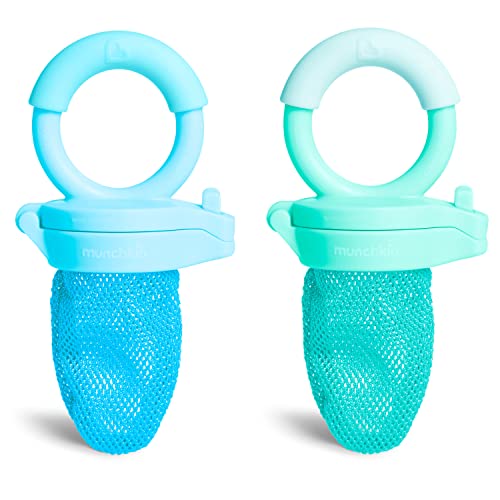
Feeder helps reduce the risk of choking— only small pieces of digestible food get through

HIGH-QUALITY BABY FRUIT/FOOD FEEDERS & TEETHERS: These innovative devices allow your little one to safely try new foods.The soft silicone pouch is designed with tiny holes encouraging for self-feeding, that only ensuring small, digestible pieces are consumed. Our one-piece silicone handle design eliminates choking hazards, offering a safe, worry-free feeding experience.
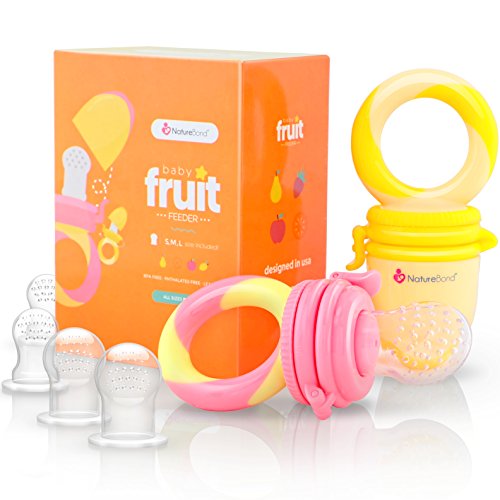
★ MOST VALUE FOR MONEY BABY FRUIT / FOOD FEEDERS & TEETHERS (2 PCs w 4 Silicone Teats) – NatureBond Baby Fruit Feeders and Teethers are designed in "APPETIZING" candy-like colors that stimulate baby’s appetite for consumption of natural nutrients from fruits and vegetables. It is also a safe way to introduce our little ones to solid food while they go through weaning and teething phase. The All-IN-1 feeder can also soothe baby's teething discomfort by massaging the gums through chewing.
Pain Medication

While teething can be a challenging time for both babies and parents, understanding the range of pain medication options available can help us navigate this stage with confidence. For over-the-counter options, Infants’ TYLENOL, containing acetaminophen, is a popular choice. It’s crucial to follow dosage guidelines and choose sugar-free medicines to prevent tooth decay. Topical gels are also available over the counter, but use them cautiously.
When teething pain is severe, prescription medications might be necessary. Viscous Lidocaine is a prescription option for numbing gums effectively. Always consult your doctor before using prescription medications, ensuring they’re safe for your little one. Remember to monitor for any side effects or allergic reactions, maintaining open communication with healthcare professionals for the best care.
Recommended Products

Innovative Cooling Relief: The Nippii freezable teething pacifier delivers soothing comfort for teething babies with a unique cooling effect that lasts up to 30 minutes. This freezer pacifier design ensures your baby’s gums are soothed without chilling the cheeks, face, or hands, so cooling relief stays exactly where your baby needs it.

Tylenol Infant dye free: Also alcohol free, aspirin free and ibuprofen free; available in a kid-friendly cherry flavor; 1 fluid-ounce bottle is great for on-the-go infant pain and fever relief

EASY TO GIVE. Each tube contains a pre-measured dose of medicine you simply squeeze into baby's mouth.
Safe Feeding Adaptations

Teething can be a tough phase, and alongside pain management, adapting feeding practices can make a big difference for our little ones. We can explore various feeding strategies to ensure comfort and nutrition. Soft foods like yogurt, scrambled eggs, and oatmeal are gentle on sore gums. Pureed and cold foods, such as chilled mashed fruits or applesauce, offer soothing relief.
Let’s consider nutritional options: smoothies made with yogurt or fruit, and clear soups, which are easy to consume. For added sensory stimulation, food teethers like frozen celery or whole green beans introduce flavors and textures safely. Mesh feeders with frozen fruits or veggies provide comfort and safe chewing practice, while breastmilk in a cup or frozen breastmilk cubes offer familiar nourishment.
Avoid Unsafe Remedies

When our little ones start teething, it can be tempting to try any remedy to ease their discomfort, but it’s crucial to steer clear of unsafe options. Let’s explore some remedies to avoid:
- Homeopathic Dangers: The FDA warns against homeopathic teething remedies, linked to severe illnesses and deaths. Products like those containing belladonna are unregulated and risky.
- Jewelry Hazards: Teething jewelry poses choking and strangulation risks. Despite their appeal, they offer no proven pain relief.
- Topical Anesthetics: Avoid gels with benzocaine or lidocaine; they can lead to serious conditions like methemoglobinemia and swallowing difficulties.
Instead, consult a pediatrician for safer alternatives like acetaminophen or ibuprofen, ensuring our babies are safe and comforted.
Monitor Product Safety

Although it might seem overwhelming at first, monitoring product safety for teething babies is crucial to ensure their well-being. We must stay informed about product recalls and always check safety certifications. Here’s how we can effectively manage this:
- Regulatory Compliance: Teething products should align with Section 4.22 of the CPSC guidelines. Always verify if they’re BPA-free.
- Material Inspection: Choose non-toxic, durable materials. Avoid fluid-filled teethers as they can leak.
- Label Checking: Ensure labels accurately reflect age appropriateness and safety standards.
- Regular Inspection: Before use, check for loose parts or damage to avoid choking hazards.
When we’re vigilant about these steps, we help protect our little ones from potential risks, ensuring a safer teething experience.
Recommended Products

COOLER TEETHING TOY FOR BABY. Dr. Browns AquaCool Water-Filled Teether cools and soothes teething babys sore gums and emerging teeth.

【Give your little one a hand with teething】The Silicone Teething Mitten is the perfect solution for babies who aren't yet able to hold onto teethers. The soft silicone mitten fits over little hands, and the inner bar provides extra grip support for babies to grasp. Plus, the mitten protects babies from chewing on their hand—or anything else they could get their teeth on. The character's "arms" mimic a nipple, helping further soothe fussy little ones.

𝐒𝐈𝐋𝐈𝐂𝐎𝐍𝐄 𝐁𝐀𝐁𝐘 𝐓𝐄𝐄𝐓𝐇𝐈𝐍𝐆 𝐓𝐎𝐘𝐒:This adorable twin flower silicone baby teether helps your little one self-soothe during the discomfort of teething.
Proper Hygiene Practices

We’ve taken great care to ensure the safety of the teething products our babies use, so let’s turn our attention to maintaining proper hygiene practices. Ensuring our little ones’ oral health begins with daily gum cleaning. A soft, circular motion using a damp washcloth or gauze can help prevent bacterial buildup. For those first precious teeth, a gentle, infant-sized toothbrush—without toothpaste—is ideal.
Visiting the dentist is another essential step. The first dental visit should occur when the first tooth appears or by their first birthday. These visits are vital for checking dental development and discussing oral health techniques, including dietary advice and fluoride needs. Early and consistent hygiene routines help our babies develop healthy habits that last a lifetime.
Recommended Products

Baby Tongue Cleaner - Momcozy baby tongue cleaner helps to finish the baby's oral cleaning. Our baby toothbrush can effective clean bayb's tongue and gums. Our toddler toothbrush can develop good hygiene habits for babies

SILICONE FINGER TOOTHBRUSH 3M+. Teach baby healthy oral hygiene habits with the soft, 100% silicone toothbrush.

SAFETY DESIGN: This flexible, soft training toothbrush helps prevent severe mouth injuries from falling accidents and peel handles prevent accidental swallowing.
Recognize Teething Myths

Isn’t it fascinating how many myths surround teething? We’ve all heard teething misconceptions that persist despite being debunked. It’s time to set the record straight on these common beliefs:
- Fever Misconception: Teething doesn’t cause high fevers. If your baby has a high fever, consider other health issues.
- Diarrhea Attribution: Contrary to popular belief, teething isn’t the culprit for diarrhea; look for bacterial exposure instead.
- Earache Myth: Babies may tug at their ears, but teething isn’t the reason for earaches—ear infections might be.
- Appetite Loss Belief: Not every little one loses their appetite when teething.
- Delayed Teething Concerns: Don’t worry if teething starts later; it doesn’t always signal a problem.
Consult With Healthcare Professionals

When it comes to understanding teething, consulting with healthcare professionals is crucial for getting the right guidance and support. Let’s delve into why this step is so important.
- Professional Guidance: Experts help us distinguish teething symptoms from other illnesses like viral infections.
- Risks and Safety: They ensure we use safe remedies and avoid harmful substances.
- Developmental Milestones: Professionals guide us on when to schedule the first dental visit and other key milestones.
- Pain Management: They provide advice on safe pain relief methods for our teething babies.
- Emotional Support: Healthcare providers reassure us and offer emotional support during this challenging time.
Let’s reach out to healthcare professionals, ensuring our little ones get the best care.
Frequently Asked Questions
How Long Does Teething Usually Last for Babies?
We know teething duration can feel endless, but it usually lasts about 24 months. Each tooth takes around 8 days to erupt, causing baby discomfort. Together, we’ll navigate these challenging times and bring comfort to our little one.
Can Teething Cause a Fever in Infants?
Imagine a world where teething symptoms are like gentle raindrops, but fever’s a roaring storm. Teething itself doesn’t cause fever; it’s infant discomfort from other issues. Let’s explore soothing comforts and keep our little ones smiling.
What Age Do Babies Typically Start Teething?
We know you’re curious about the teething timeline. Babies typically start teething between 6 and 12 months. While this can often cause baby discomfort, remember that each child’s journey is beautifully unique and varies greatly.
Are There Signs That Indicate Teething Is About to Start?
Let’s explore teething symptoms together. Before those first teeth appear, we’ll notice changes in baby behavior: drooling, gum swelling, irritability, and more chewing. Recognizing these signs helps us understand and support our little one’s teething journey.
How Can I Distinguish Teething Pain From Other Illnesses?
Let’s look for teething symptoms like drooling and irritability. If there’s a fever over 100°F or diarrhea, it might be illness, not teething. For pain management, try cold teething toys and safe objects to chew on.