As an Amazon Associate, we earn from qualifying purchases. Some links on this site are affiliate links at no extra cost to you. Our recommendations are based on thorough research and editorial judgment.

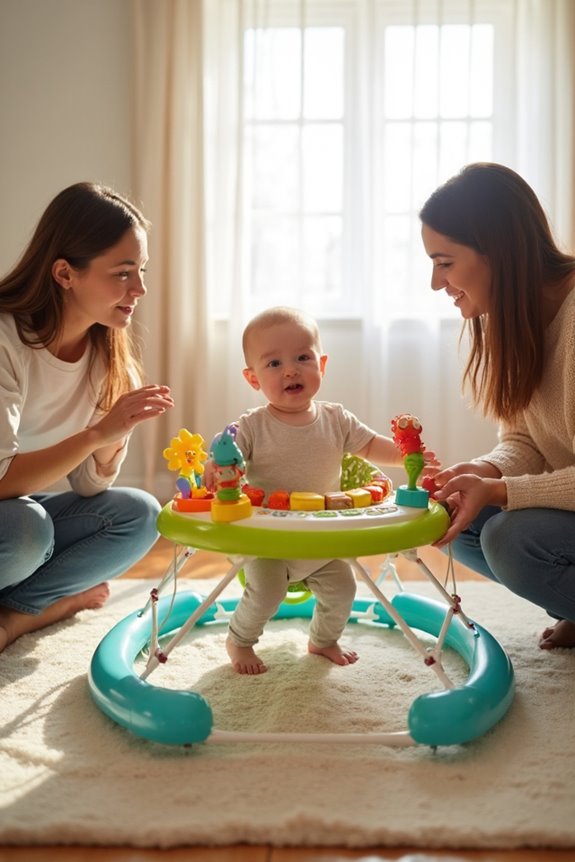
Are Baby Walkers Safe for Infant Development?

Baby walkers might seem helpful, but research shows they pose more harm than good. Let’s explore why. Walkers can delay walking by 3.3 days and standing by 3.7 days with each 24-hour use. Falls, especially down stairs, contribute to over 2,000 emergency visits yearly, mainly with head injuries. Instead, consider safe alternatives like activity mats and push toys, which boost development without risks. There’s more to discover if you keep exploring this topic.
Key Takeaways
- Baby walkers pose significant injury risks, particularly falls causing head or neck injuries.
- Walker use delays independent walking and standing development in infants.
- There is no evidence of cognitive benefits from using baby walkers.
- Safety features exist, but design limitations still pose risks when using baby walkers.
- Safer alternatives like activity mats and stationary centers support healthy development.
Injury Risks Associated With Baby Walkers
You may be interested


When we think about baby walkers, it’s important to understand the injury risks associated with them. Each year, over 2,000 emergency department visits highlight the dangers, with falls downstairs accounting for a staggering 74.1% of incidents. Injury statistics indicate that most injuries affect the head or neck, with concussions and fractures being common.
To keep your little ones safe, consider these prevention strategies:
- Avoid walkers altogether; the American Academy of Pediatrics advises against their use.
- If using a walker, ensure constant supervision.
- Choose walkers with safety features like brakes or wider bases.
- Remove environmental hazards such as stairs and sharp objects.
- Explore safer alternatives like stationary activity centers or playpens.
Recommended Products
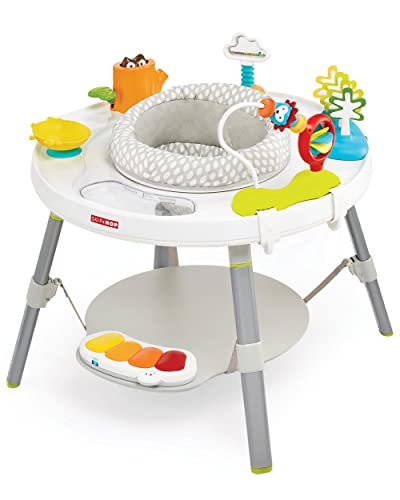
Grows With Baby in 3 Stages: Designed in collaboration with a pediatrician for babies who can hold their head upright unassisted and are not yet walking or climbing out, our baby activity center supports little ones from 4 months up to 25 lbs. It transitions seamlessly through three developmental stages: Sit, Swivel & Play for early engagement, Cruise & Interact to encourage standing and movement, and finally converts into a sturdy toddler activity table with a smooth plastic surface for coloring, crafts, snacks and imaginative play.

Dive into discovery with ocean-themed activities in every direction

Converts from Activity Center, to Activity Play Table, and to a Flat Table
Impact on Locomotor and Cognitive Development
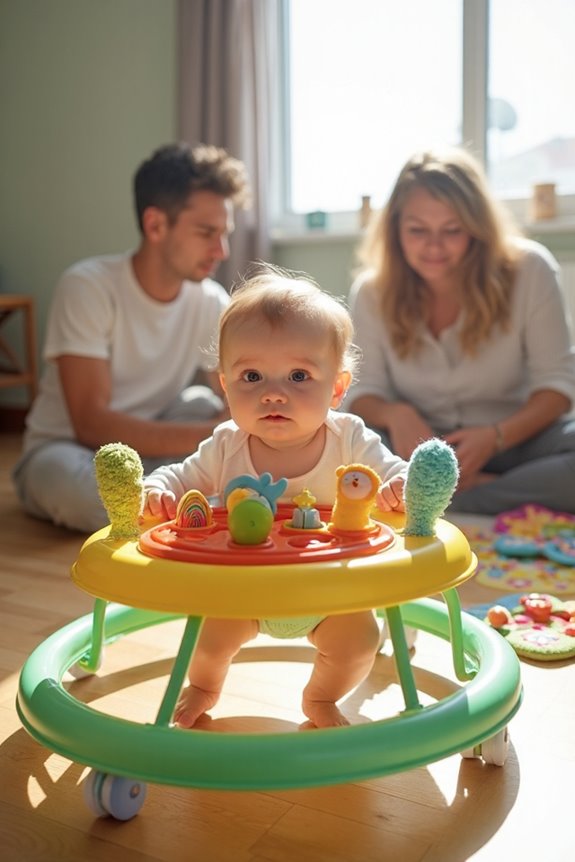
Although baby walkers might seem like a fun tool for encouraging our little ones to move, they can actually impact their locomotor and cognitive development in surprising ways. Let’s break it down:
- Delayed Motor Skills: Each 24 hours of walker use can delay walking alone by 3.3 days, standing by 3.7 days, and hinder skills like crawling and rolling. These delays are statistically significant, disrupting natural motor development.
- Cognitive Delays: While there’s no evidence of cognitive benefits, potential delays can’t be ignored. Research is limited, but the lack of positive effects is telling.
We need more studies to fully understand these impacts. For now, focusing on natural playtime without walkers helps nurture our children’s development. Let’s support their journey with informed choices!
Recommended Products

5-in-1 Baby Walker: Baby walker can be easily converted into 5 modes, including baby walker mode, bouncer combo mode, rocker mode, eating Table mode, hand push mode. Baby walker to meet the needs of different stages of baby's exploration, growth and baby up together, suitable for 6-18 months baby.


The Baby Einstein Around-We-Grow 4-in-1 Discovery Center is a best-selling, multisensory activity center & stationary walker that transforms to meet all of baby’s play needs from 6 months to 3 years
Evaluating Safety Features and Design Limitations
While baby walkers are designed with safety in mind, it’s important to understand both their features and limitations. Let’s explore some key aspects:
Safety Innovations
- Wide Base: Helps prevent walkers from fitting through doorways.
- Anti-tip Mechanisms: Designed to reduce tipping over stairs.
- Brake Systems: Stop accidental rollaways.
- Secure Belts: Keep babies snug and secure.
- Stability Enhancements: Focus on reducing accidents.
Design Flaws
- Risk of Falls: Stairs pose ongoing dangers.
- Entrapment Hazards: Moving parts can injure tiny fingers.
- Burn Hazards: Hot surfaces remain a concern.
- Inadequate Supervision: Constant adult oversight is crucial.
- Speed and Mobility: Quick movements lead to mishaps.
Recommended Products

THOSE FIRST EXCITING STEPS First steps are easier with our Ready, Set, Walk! DX Developmental Walker. Our baby walker has 3-position height adjustments to support your growing child. The extra-wide base provides added stability.

Removable electronic toy with lights, melodies, and sounds. Recommended for: 6 plus months, sitting up to 26 pounds

Exploring Safer Alternatives to Baby Walkers
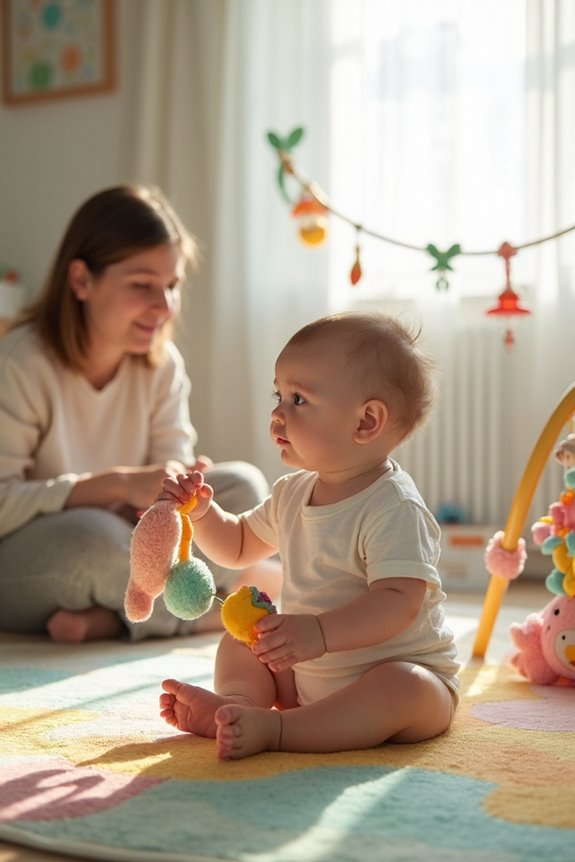
As we dive into exploring safer alternatives to baby walkers, it’s crucial to consider options that promote development without compromising safety. We can turn to activity mats, which encourage floor-based play, allowing infants to explore their environment using multiple senses. These mats help strengthen muscles needed for crawling and sitting, keeping playtime safe and engaging.
- Activity Mats: Support gross motor skills, ensuring safe playtime activities.
- Highchairs: Offer observation opportunities, supporting fine motor skills through tray toys.
- Stationary Centers: Provide stability, promoting leg development without mobility risks.
- Push Toys: Assist in natural walking mechanics, boosting confidence.
- Baby Gates & Jumpers: Ensure safe exploration, fostering leg strength.
With these alternatives, we can help our little ones reach developmental milestones safely.
Recommended Products

Newborn Baby Essential – This baby play gym supports stage-based sensory and motor development. The soft mat offers a cozy space to rest, play, and learn, while hanging toys engage sight, hearing, and touch to build sensory awareness and coordination.

Newborn Baby Essentials - The baby play gym is designed to develop stage-based sensory and motor skill. The soft mat provides a comfortable space for baby to rest, entertain and learn, and the hanging toys can stimulate baby's sight hearing and touch, they can effectively enhance the development of sensory perception and improve physical coordination
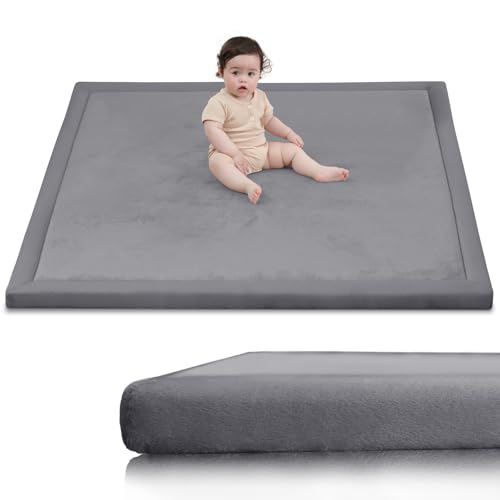
【Safe & Certified for Babies】Our baby play mat is designed with safety as the top priority. Certified by OEKO-TEX fabric standards and tested to meet CPSIA and ASTM requirements, this kids play mat is free from harmful substances. Parents can choose with confidence, knowing their little ones are playing on a non-toxic, ultra-soft crawling mat.
Raising Public Awareness About Walker Dangers
Raising public awareness about the dangers of baby walkers is essential, not just for preventing injuries but also for fostering a safer environment for our little ones. We need to focus on public education and community outreach to tackle this issue head-on. Despite warning labels, the alarming statistics—like 21 hospitalizations daily, with 30% involving severe head injuries—show more must be done.
Here’s how we can make a difference:
- Community Programs: Educational campaigns can spread awareness about walker dangers.
- Social Media: Quick, wide-reaching platforms for urgent information.
- Healthcare Collaborations: Trusted voices, providing credible advice.
- Parent Workshops: Discussing safety and alternatives in engaging settings.
Regulatory Challenges and Industry Responses
After understanding the importance of spreading awareness about the dangers of baby walkers, let’s explore the regulatory challenges and industry responses that shape their safety.
We know that regulatory compliance is crucial in ensuring the safety of baby walkers. The Consumer Product Safety Improvement Act of 2008 requires the CPSC to establish safety standards, which include ASTM F977-22e1, focusing on construction and stability. Despite these regulations, enforcement remains a challenge, as oversight varies.
On the industry side, manufacturers strive for compliance by adopting these standards and obtaining JPMA certifications. Industry innovation plays a role too, as some companies develop new designs to enhance safety. They also engage in public awareness campaigns, highlighting safety features. However, balancing safety with perceived utility continues to be a complex issue.
The Role of Parental Decision-Making in Infant Safety
When it comes to infant safety, parental decision-making plays a crucial role. We know that parental anxiety and decision fatigue can cloud our judgment, especially when we’re sleep-deprived. These feelings might push us toward shortcuts, like baby walkers, seeking convenience and peace of mind. But it’s essential to pause and consider the facts.
- Anxiety and Stress: They can lead to hurried choices. Let’s rely on credible sources and trusted professionals for guidance.
- Sleep Deprivation: It makes us seek easy solutions. Understanding safety mechanisms helps us make informed decisions.
We should embrace tailored information from healthcare providers, ensuring our decisions are well-rounded. By staying informed and connected, we can mitigate risks and prioritize our baby’s safety effectively.
Frequently Asked Questions
How Do Baby Walkers Impact Social Interaction in Infants?
Let’s explore how baby walkers might influence social skills. They could limit peer interaction by restricting mobility, potentially delaying motor skills and affecting confidence. This may impact a child’s ability to engage meaningfully with their environment and peers.
Are There Any Psychological Effects Associated With Baby Walker Use?
Let’s explore how baby walkers might impact infants’ psychological aspects. They can hinder cognitive development and emotional regulation, causing dependency and anxiety. As we learn together, it’s crucial to prioritize safe, nurturing environments for our little ones.
Do Baby Walkers Influence an Infant’s Sleep Patterns?
We’ve all wondered about baby walkers and their impact on our little ones. While they don’t directly influence sleep patterns, they can delay developmental milestones, which might indirectly affect sleep quality. Let’s prioritize natural growth for better outcomes.
What Cultural Factors Affect Baby Walker Usage?
Isn’t it fascinating how our cultural perceptions and regional practices dictate baby walker usage, even when evidence contradicts their benefits? Yet, we persist, embracing tradition over caution, often without considering potential developmental impacts. Let’s explore this irony together.
How Do Baby Walkers Compare to Traditional Parenting Methods Globally?
Let’s explore how baby walkers compare to traditional methods. Globally, cultural perspectives shape their use. Traditional practices often emphasize hands-on care, fostering developmental milestones naturally, while walkers might compromise these benefits. We should cherish bonding over convenience.