As an Amazon Associate, we earn from qualifying purchases. Some links on this site are affiliate links at no extra cost to you. Our recommendations are based on thorough research and editorial judgment.
How to Safely Clean Your Baby’s Ears: A Parent’s Guide

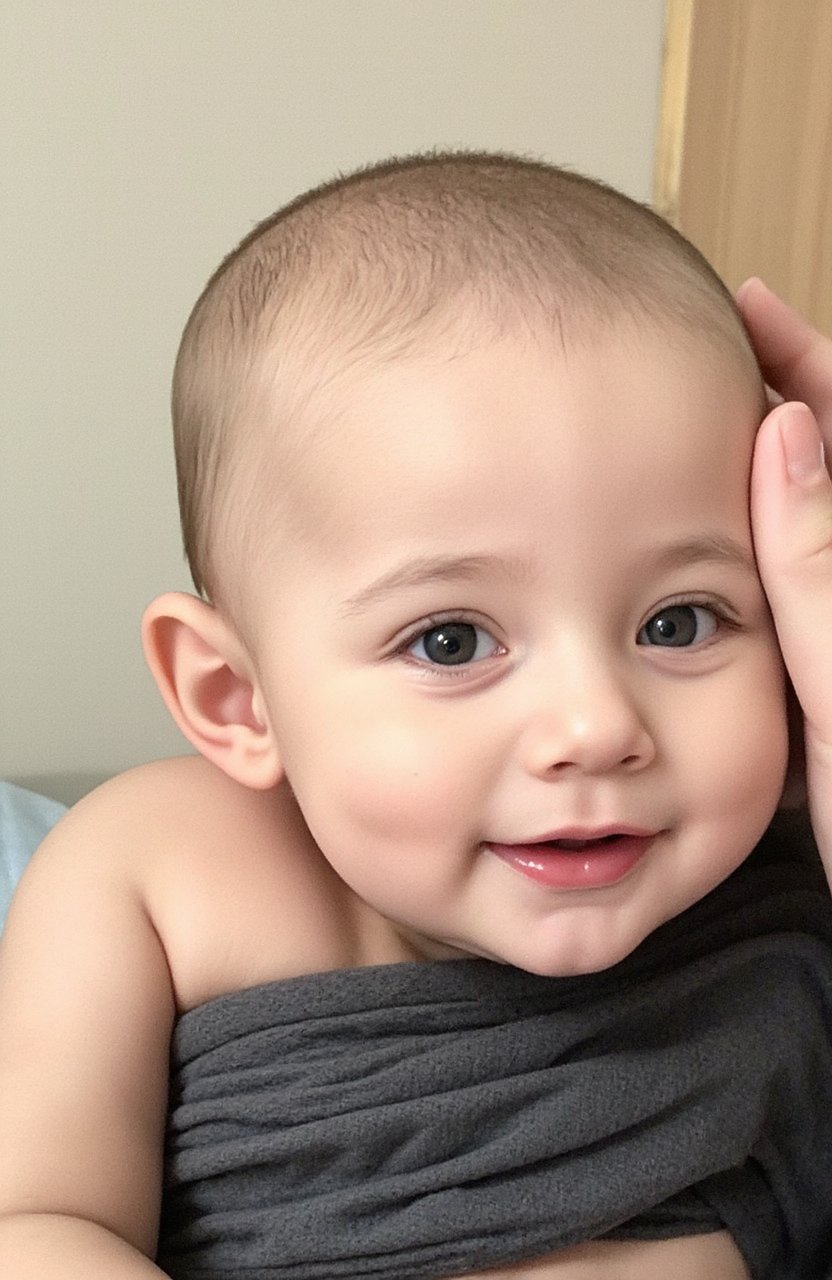
To safely clean your baby’s ears, let’s stick to gentle methods. Use a damp washcloth to wipe around the ears during bath time. Avoid inserting anything into the ear canal, as this can push wax deeper. Warm baths help naturally loosen wax with steam. Watch for signs of discomfort like ear tugging or fussiness, which might suggest issues. Always consult a pediatrician if you’re unsure. Continue learning to ensure you’re equipped with all the best practices.
Key Takeaways
- Use a damp washcloth to gently clean the outer ear without inserting it into the ear canal.
- Avoid using cotton swabs or fingers inside the baby’s ears to prevent pushing wax deeper.
- Employ a 50:50 mixture of mineral oil and vinegar to soften earwax when necessary.
- Monitor for signs of discomfort or ear issues, such as tugging or fussiness, and consult a pediatrician if needed.
- Regular warm baths can help naturally loosen earwax with steam, aiding in gentle cleaning.
Understanding the Role of Earwax in Your Baby’s Ear Health
You may be interested


When it comes to your baby’s ear health, understanding earwax plays a crucial role. Earwax functions as a natural defense mechanism, crucial for keeping your little one’s ears healthy. It acts as a barrier against dust, dirt, and even bacteria, protecting the sensitive eardrum and ear canal.
- Moisturizing and Protecting: Earwax keeps the ear canal’s skin moist and healthy, preventing dryness and irritation.
- Natural Cleaning: It traps foreign particles, helping clean the ears naturally.
- Infection Prevention: With its antibacterial properties, earwax reduces infection risks.
We should let earwax be, as it supports overall ear function and maintains the right pH balance. Trust that this tiny hero is working hard to safeguard your baby’s ear health.
Recognizing Causes and Risks of Earwax Buildup
As we appreciate the role of earwax in your baby’s ear health, it’s important to recognize when this natural defense might become problematic. Common symptoms of earwax buildup include decreased hearing, ear irritation, and your little one rubbing their ears. Visible wax in the ear canal or a complete blockage can also signal the need for earwax removal.
Let’s explore what might cause excessive buildup. Using cotton swabs or inserting fingers can push wax deeper, while earplugs or hearing aids trap it. Swimming might increase wax production in some babies.
Understanding risk factors helps us prevent issues. Some children naturally produce more wax, and the shape of their ear canal can influence buildup. Recognizing these factors allows us to address and manage earwax effectively.
Recommended Products

【SUITABLE FOR ALL AGES】-The kit comes with LED lights and 4 ear scoops, which also comes with two silicone ear scoops and a 2x magnifying glass to make it easier to see the ear canal, and its soft rounded scoop tips are ideal for ear wax removal for kids and adults. Our ear tweezers with light effectively treat both dry and wet earwax.

ALL IN ONE PICKER: 3-in-1 multifunctional design combines specialized tools for nose boogers, ear wax and nail care in one convenient product. All in one picker eliminates the need for multiple grooming tools while ensuring you always have the right tool for baby hygiene

Debrox Ear Wax Removal Drops use microfoaming action to gently soften and loosen excess ear wax, allowing it to easily drain
Safe Methods for Cleaning Your Baby’s Ears
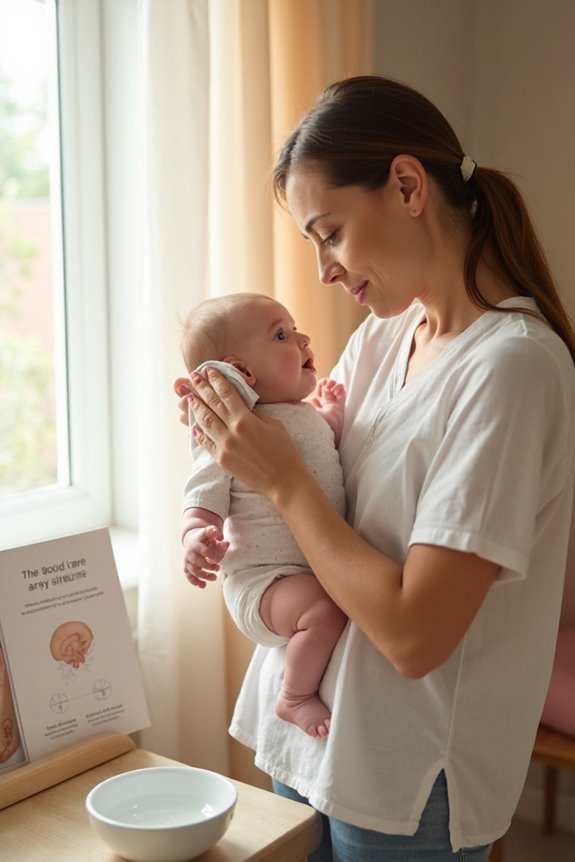
Sometimes, cleaning your baby’s ears can feel like navigating a maze of dos and don’ts. But don’t worry, we’ve got you covered with safe and gentle home remedies for ear cleaning. First, try a 50:50 mixture of mineral oil and vinegar to soften earwax. It’s simple, yet effective. Alternatively, a mix of hydrogen peroxide and distilled water can work wonders when applied with an eye dropper. Remember, these methods help in softening, not removing, earwax. A warm bath can also be beneficial; steam helps loosen wax naturally. Always avoid inserting objects into your baby’s ears, like cotton swabs. If things seem uncertain or symptoms persist, don’t hesitate to consult a healthcare provider for professional advice.
Recommended Products
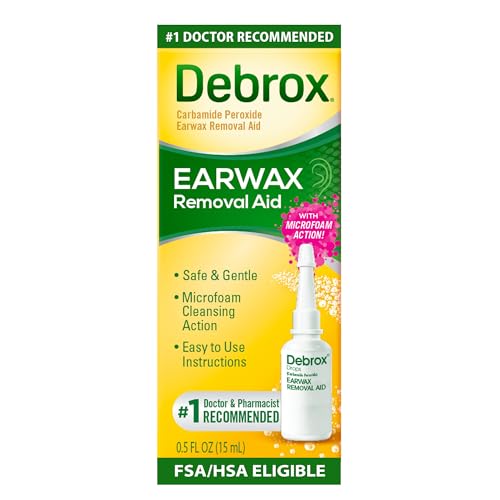
Debrox Ear Wax Removal Drops use microfoaming action to gently soften and loosen excess ear wax, allowing it to easily drain

GENTLE FORMULA FOR LITTLE EARS: NAVEH PHARMA CleanEars Baby is a mild spray made to gently soften everyday earwax in the outer ears of infants and children. The gentle composition is designed with little ones in mind, helping keep small ears feeling clean and comfortable as part of a daily routine

Complete Ear Wax Removal Kit: Includes ear drops, bulb syringe, & ear plugs for a full ear cleaning routine at home
Effective Use of Washcloths and Baby-Safe Wipes
After exploring safe methods for cleaning your baby’s ears, let’s focus on using washcloths and baby-safe wipes effectively. The washcloth benefits are numerous; they allow us to gently clean the outer part of the baby’s ear during bath time. A damp washcloth helps control moisture and remove visible earwax without going near the inner canal. Consistent use ensures excellent ear hygiene.
When choosing baby-safe wipes, focus on wipe safety. Opt for those specifically designed for infants, avoiding inner ear use to prevent wax from being pushed inside. These wipes, made with gentle ingredients, are perfect for when visible wax is present. Together, washcloths and wipes maintain ear cleanliness, manage moisture, and promote healthy skin. Incorporating both into our daily routine offers comprehensive care.
Recommended Products

BABY ESSENTIALS: Dr. Talbot's Ear Wax Removal Tool and Nose Cleaner for Baby will help your little one breathe and sleep easier by gently removing dried mucus and ear wax build-up

BEAR-ABLE SAFETY AND COMFORT - oogiebear's special rubber scoop and loop are gentle enough for sensitive little noses and ears and firm enough to clean quickly and effectively while the patented bearhead design ensures it never goes up too far.

SOFT AND GENTLE FLANNEL BABY WIPES – Feel the softness of these OsoCozy baby wipes that are made of 100% cotton flannel so they will always feel smooth on your baby’s delicate skin.
Importance of Keeping Ears Dry After Baths
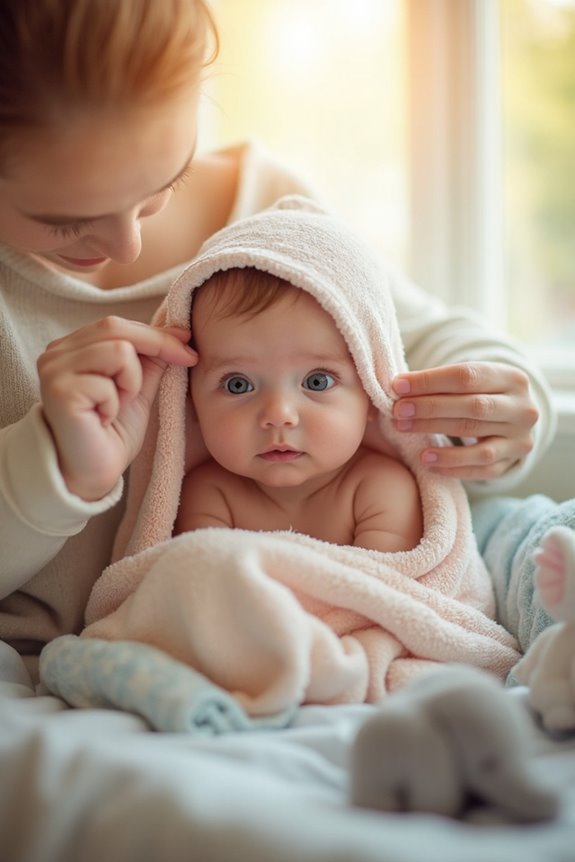
Ensuring your baby’s ears are dry after baths is crucial to prevent infections, which can be caused by excess moisture. We know, as parents, that infections can be worrying, so let’s focus on effective drying techniques.
- Gently tilt your baby’s head to help water drain naturally.
- Use a soft towel to pat the outer ear and behind it, avoiding rubbing to prevent skin irritation.
Recommended Products

Ultra Soft - Crafted with premium 500GSM viscose from bamboo, KeaBabies 2-Pack Snuggle Hooded Baby Towels for newborns are plush, soft and gentle on all skin types, even newborns with sensitive skin.

Officially Licensed Lilo & Stitch Baby Boys Hooded Bathrobe with 3D Ears, a must have for new parents and every young Stitch fan, ideal as Disney baby loungewear, infant bathrobe, kids hooded robe, or a cozy character robe.

Ultra Soft - Crafted with premium 500GSM viscose from bamboo, KeaBabies 2-Pack Snuggle Hooded Baby Towels for newborns are plush, soft and gentle on all skin types, even newborns with sensitive skin.
Potential Risks of Inserting Objects Into the Ear
While it’s natural for children to be curious explorers, inserting objects into their ears can lead to significant risks that we should be aware of. Ear object insertion is often driven by curiosity or mimicking others, and without proper child supervision, small items like beads, buttons, and pebbles can find their way into tender ears.
The complications range from immediate pain and swelling to more severe issues like hearing loss or even facial nerve paralysis. Removing these objects can be tricky, especially with non-graspable ones. It’s crucial to seek help from trained professionals to avoid escalating complications.
To prevent these incidents, we must supervise playtime, keep small objects out of reach, and educate our little ones about the dangers of putting things in their ears.
Monitoring for Signs of Discomfort or Infection
When it comes to monitoring your baby for signs of discomfort or infection, it’s all about being observant and informed. We need to watch for ear tugging signs, as this can indicate discomfort. If your little one seems unusually fussy or crying irritability increases, it might be due to ear pain. Their sleep patterns can also offer clues; difficulty sleeping might suggest underlying issues.
Let’s keep an eye on their temperature too—fever can be a significant indicator of an infection. Check for fluid drainage from the ear, which requires immediate attention. By staying vigilant for these signs, we can help ensure our baby’s ears remain healthy and free from infection. Remember, our attentive care makes all the difference.
When to Consult a Pediatrician for Earwax Concerns
How do we know when it’s time to see a pediatrician for concerns about our baby’s earwax? Recognizing key earwax symptoms is crucial. Persistent hearing loss, discomfort, or visible buildup should prompt a pediatric evaluation. If earwax is hard or stuck, don’t attempt home removal—it can worsen issues. Instead, consult a pediatrician, especially if symptoms like fever or pain develop.
Here are signs that need immediate attention:
- Pus or blood draining from the ear
- New or persistent fever
- Increased irritability or pain
Pediatricians can expertly evaluate our baby’s ear health, discerning whether earwax or another issue is causing symptoms. Their professional guidance reduces the risk of complications and ensures safe, effective ear care. Remember, when in doubt, it’s always best to consult a professional.
Strategies to Prevent Earwax Buildup
As we’ve discussed the signs that warrant a visit to the pediatrician, it’s also wise to consider how to prevent earwax buildup in the first place. Earwax serves as natural ear protection, safeguarding the delicate ear canal. Here’s how we can embrace its benefits without falling for common earwax myths:
- Minimal Intervention: Trust that earwax will migrate outward naturally. Avoid removing it unless it causes discomfort or hearing issues.
- Safe Cleaning: Gently wipe the outer ear with a warm washcloth, ensuring not to insert anything into the ear canal.
- Avoiding Tools: Steer clear of cotton swabs; they risk pushing wax deeper and causing injury.
Recommended Products

15-count package of gentle, disposable cleansing cloths are convenient for on-the-go and provide a quick, gentle and refreshing cleanse of your baby's skin

BABY ESSENTIALS: Dr. Talbot's Ear Wax Removal Tool and Nose Cleaner for Baby will help your little one breathe and sleep easier by gently removing dried mucus and ear wax build-up

Dual ended for easy cleaning: Our patented scoop tip is different from anything else on the market, engineered to quickly and effectively swipe out dried boogers and ear wax. Loop end removes sticky mucus.
Maintaining a Healthy Ear Environment for Your Baby
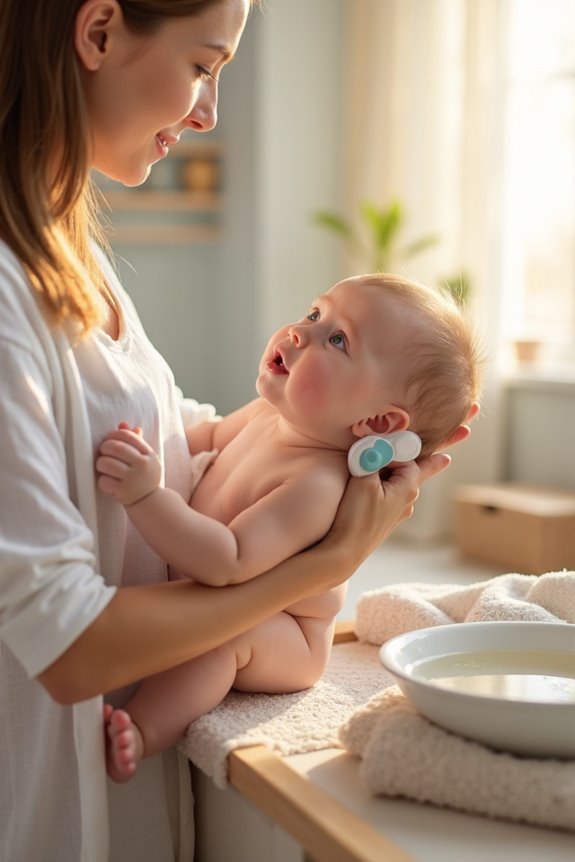
Creating a healthy ear environment for your baby involves a few key practices that can make a big difference in their ear health. Let’s focus on ear hygiene and baby wellness. We should clean the outer ear gently using a soft washcloth or baby-safe ear wipes, ensuring we never insert anything into the ear canal. After bathing, it’s important to dry the outer ear completely to prevent moisture buildup. This helps reduce the risk of infections like swimmer’s ear.
We should also monitor our baby’s ears for signs of trouble—like redness, discharge, or persistent tugging—and consult a pediatrician if these symptoms appear. Remember, earwax is a natural protector, so let it do its job without interference. Trusting these practices supports your baby’s ear health.
Frequently Asked Questions
Can Ear Infections Affect My Baby’s Hearing Development?
Yes, ear infections can impact our baby’s hearing development. They might lead to hearing loss, affecting how they reach developmental milestones. Let’s ensure prompt treatment and regular check-ups to support their auditory growth and overall development.
Are There Natural Remedies for Reducing Earwax Production?
Let’s explore natural remedies for earwax prevention together. We’ve found that natural oils like olive or mineral oil can help. They soften earwax, making it easier to manage and reduce build-up over time. Cozy solutions await!
How Can I Tell if My Baby Has an Ear Injury?
We know it’s worrying. To identify ear injury signs in our baby, let’s watch for ear tugging, increased crying, sleep disturbances, or visible redness/swelling. Baby ear pain can manifest through these changes, so stay observant.
What Are Signs of Earwax Allergies in Babies?
We might worry about earwax allergies in babies, but true allergies are rare. Instead, let’s focus on earwax symptoms like itchiness or discomfort, which can mimic allergy signs. Consulting a healthcare professional will clarify any concerns.
How Often Should I Check My Baby’s Ears for Wax Buildup?
Did you know that up to 10% of children experience earwax buildup? We should check our baby’s ears only if there’s discomfort. Regular ear cleaning and wax removal aren’t usually needed unless symptoms persist.