As an Amazon Associate, we earn from qualifying purchases. Some links on this site are affiliate links at no extra cost to you. Our recommendations are based on thorough research and editorial judgment.

Why Do Babies Sleep So Much? Development & Sleep Patterns

We understand why babies sleep so much, and it’s all about development. Their growing bodies need ample rest, with newborns clocking 16 to 17 hours daily. This sleep isn’t just about rest; it’s crucial for releasing growth hormones that fuel height and brain development. They alternate between REM and NREM sleep to support brain maturation and tissue repair. As sleep patterns stabilize around six months, healthy sleep habits support their growth journey. We’ll explain more about sleep dynamics.
Key Takeaways
- Babies require 12 to 16 hours of sleep daily to support rapid physical growth and development.
- Sleep is crucial for releasing growth hormones, which promote height, muscle mass, and bone density in babies.
- Newborns sleep in short segments due to small stomachs and need regular feeding.
- REM sleep, which constitutes about 50% of a newborn’s sleep, is essential for brain growth and memory formation.
- As babies mature, their sleep patterns stabilize, with longer periods of NREM sleep for physical recovery.
The Role of Sleep in Baby Growth
You may be interested



When we think about the role of sleep in a baby’s growth, it’s fascinating to realize just how critical those peaceful hours are. Sleep isn’t just rest; it’s a powerhouse of growth.
- Growth Hormones Release: While we sleep, human growth hormones surge, allowing our little ones to gain height, muscle mass, and bone density.
- Tissue Repair: Quiet sleep phases are crucial for tissue repair, nurturing your baby’s physical development.
- Rapid Growth: Babies grow about an inch monthly from birth to six months. Sleep fuels this amazing transformation.
- Energy Restoration: Think of sleep as the battery recharge, ensuring your baby has the energy for continuous growth.
We can’t overstate how vital those 12 to 16 hours of sleep are each day. Sleep truly nurtures growth.
Understanding Newborn Sleep Patterns
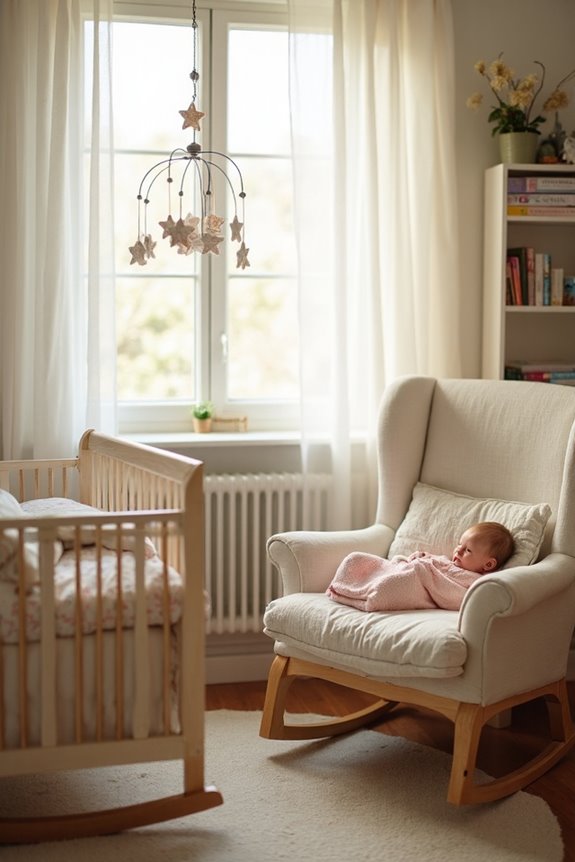
To understand newborn sleep patterns, it’s crucial to recognize how different they are from ours. Newborns sleep about 16 to 17 hours daily, divided into short, frequent segments due to their need for regular feedings. Their sleep variability is notable, as each baby’s total sleep time can differ.
- Total Sleep Duration:
- Babies sleep extensively to support rapid growth.
- Sleep stabilizes as they age, especially after six months.
- Sleep Segments:
- Typically last 1 to 2 hours.
- Frequent awakenings are common due to small stomachs.
- Nighttime Sleep:
- Most don’t sleep through the night until at least 3 months.
- Nighttime stability increases with age.
This variability in newborn sleep reflects their developmental needs and gradual adjustment to a more structured sleep pattern.
Recommended Products

Special Design: The waist of this swaddle is tightened to give the baby a slight sense of restraint, making the baby feel as safe as in the mother's womb. The loose bottom allows the baby's legs to maintain natural curvature, healthy development

Gentle and Comfy:Wrrernsin sleeping sack is crafted from 100% pure cotton fabric, soft and skin-friendly, with exceptional breathability to create a comfy sleeping space for babies. Meeting the safety standards of the US Consumer Product Safety Commission (CPSC), it ensures worry-free use for little ones. The 0.5 tog warmth level and sleeveless design effectively reduce underarm sweating, keeping babies dry and cozy all night—perfect for year-round use

IDEAL SLEEP SACK - BubblePanda baby sleep sack is made from luxurious rayon made from bamboo, known for its buttery softness. This hypoallergenic and breathable fabric helps regulate your baby's body temperature, wicking away sweat to create a soothing and comfortable atmosphere for babies' sleep.
The Importance of REM and NREM Sleep
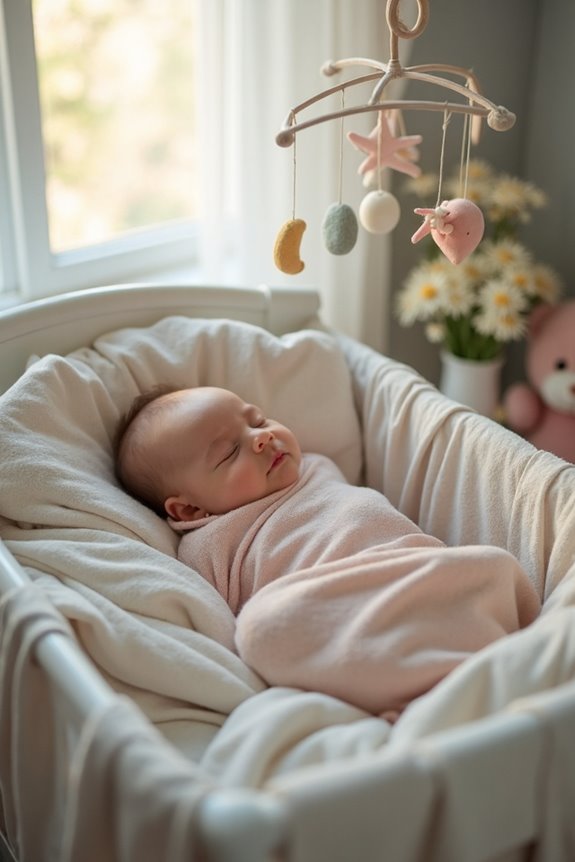
As we learn about newborn sleep patterns, it’s important to explore the roles of REM and NREM sleep in early development. REM sleep is vital for brain growth, making up about 50% of a baby’s sleep. This active sleep stage, with its rapid eye movements and irregular breathing, supports memory formation and neurological maturation—key REM benefits. Babies can easily wake during REM, unlike the deeper, more restorative NREM sleep.
Let’s highlight the NREM significance: while initially a single stage, it’s crucial for physical growth and recovery. Known as “quiet sleep,” NREM allows babies to rest deeply, with minimal movement and regular breathing. As infants mature, they’ll spend more time in differentiated NREM stages, resembling adult sleep patterns.
Recommended Products
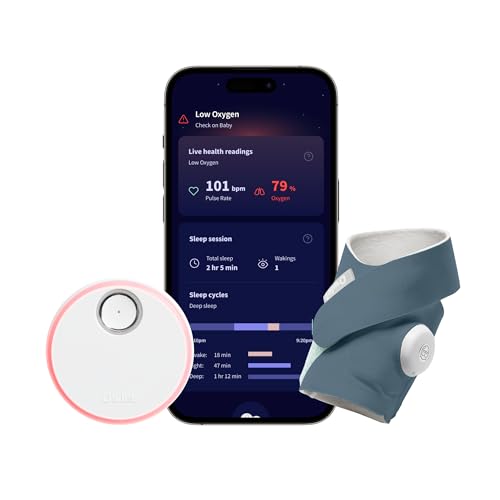
What is Owlet Dream Sock? Dream Sock is the #1 best selling smart baby monitor (Source: Circana, Jan–Dec 2025) in the US that tracks your baby's pulse rate and oxygen levels in real-time and sends alerts when those readings leave the preset zones, delivering priceless peace of mind so the whole family can sleep better.

SMART BABY BREATHING & SLEEP MONITOR: Track your baby’s abdominal movement, sleep position, and feeling temperature trends to stay informed day and night. Receive timely notifications through the app or audible alerts if your baby rolls over or shows signs of feeling warm.

TRANSMISSIVE HEART RATE WITH IMPROVED ACCURACY: The all-new Sense-U Smart Sock Shoe 2 uses advanced transmissive PPG sensing technology for improved precision when tracking your baby’s heart rate and sleep patterns, helping you better understand your baby’s rest.
Beginning Sleep Training
Beginning sleep training can seem daunting, but understanding the various methods can make it more manageable. We have several options to consider, each with unique comfort methods:
- Extinction Methods: Effective for many, these involve reducing parental intervention over time. Unmodified extinction slightly outperforms modified versions but only marginally.
- Graduated Extinction: Gradually increase response times to your baby’s cries, easing them into self-soothing.
- Parental Presence: Stay with your baby until they fall asleep, though it might not extend sleep duration.
- Cry It Out & Controlled Crying: Controversial yet structured, these involve allowing crying with scheduled comfort intervals.
Consistency is key, regardless of the method. Research shows sleep training can benefit up to 25% of babies, enhancing sleep without negative effects.
Recommended Products

𝗛𝗲𝗹𝗽 𝗞𝗶𝗱𝘀 𝗦𝗹𝗲𝗲𝗽 𝗕𝗲𝘁𝘁𝗲𝗿: Dreamegg sound machine baby offers 34 soothing sounds, including 11 nature sounds, 7 ambient sounds, 6 white noise sounds, and 10 melodies. The diverse range of sounds and immersive experience can quickly settle the children down, speeding up their transition to sleep. Say goodbye to the hassle of restless babies before bedtime or at nursery time!

OK TO WAKE CLOCK - Do you have a problem with your child getting up way too early in the morning? the okay to wake clock is a game changer which uses colors (green light red light) to teach your kids understanding the concept of when to stay in bed and when to get up.

SOUND MACHINE: Nursery essential with timer/auto shut-off (15, 30, 60 mins) and 7 sleepy sounds - white noise, pink noise, heartbeat, lullaby, bird, waves, and wind.
The Connection Between Sleep and Nutrition
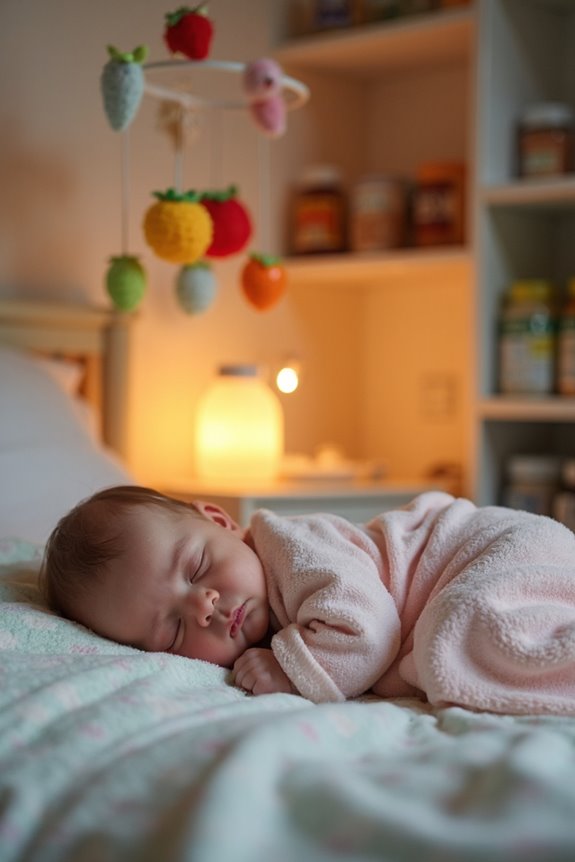
Sleep training is just one piece of the puzzle; understanding how nutrition affects your baby’s sleep is equally important. Let’s explore how certain nutrients play a role in this delicate balance:
- Nutrient Timing: Feeding with the right nutrients before bedtime can enhance sleep quality.
- Tryptophan Impact: This amino acid influences sleep by calming brain activity.
- Breastfeeding Benefits: Breast milk, rich in nutrients that naturally fluctuate, helps in sleep regulation.
- Omega 3s Role: These support the central nervous system and improve sleep.
- Dietary Variety: A diverse diet ensures better nutrient absorption and sleep patterns.
Recommended Products


Factors Impacting Baby Sleep Quality

Understanding the factors that impact a baby’s sleep quality is crucial, as it helps us create the best environment for restful nights. Let’s explore how environmental influences and emotional support play significant roles.
- Environmental Influences:
- Sleep Environment: Maintain a quiet, comfortable room with suitable temperature.
- Light Exposure: Encourage natural light during the day to aid circadian rhythms.
- Noise Levels: Keep noise minimal to avoid sleep disruptions.
- Emotional Support:
- Parental Involvement: Offer consistent, reassuring presence to foster security.
- Emotional Well-being: Ensure a stable emotional environment to promote better sleep.
Recommended Products

【COMPACT BUT POWERFUL】- D11 Max has more skills. Designed for all things sleep, this sound machine comes with favorable features: rechargeable battery, 21 soothing sounds, customized timers, various volume levels, child-lock for safety, and even memory functions! It is not only a sleep soother sound machine for baby kids, but also an effective white noise machine for adults sleeping & relaxation.

𝟑𝟎 𝐒𝐨𝐨𝐭𝐡𝐢𝐧𝐠 𝐒𝐨𝐮𝐧𝐝𝐬 𝐟𝐨𝐫 𝐋𝐢𝐟𝐞 & 𝐅𝐨𝐜𝐮𝐬: Choose from 8 white noises, 8 fan sounds, 10 nature sounds (rain, ocean, birds), and 4 lullabies—all crisp and clear. Skip scrolling with one-tap playback to instantly block snoring, traffic, or office noise. One device creates the perfect backdrop for sleep, work, yoga, travel, or quiet nights.
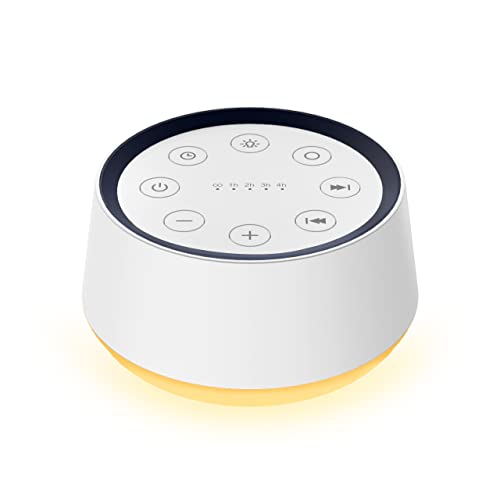
❤[30 Natural and Soothing Sounds] Our white noise machine provides 30 soothing sounds, including 3 Brown noise, 2 White noise(White noise, Pink noise), 2 fan noises( Loud and Soft Fan), 8 lullabies and 15 natural sounds( Rain, Sea waves, Brook, Bird, Train, etc.). This sound machine suitable for relieve stress, relax your mind and create a relaxing sleep environment.
Frequently Asked Questions
How Does Room Temperature Affect a Baby’s Sleep Duration?
We understand the importance of maintaining perfect ambient temperature for our little ones. It directly impacts their sleep quality. Too hot or too cold? It disrupts their rest, reducing sleep duration and affecting overall well-being.
Can Teething Disrupt a Baby’s Sleep Patterns?
Imagine teething symptoms like a storm disrupting calm seas; they can cause sleep disruptions for our little ones. It’s essential we navigate these choppy waters together, using soothing techniques and maintaining consistency to restore peaceful nights.
What Role Does White Noise Play in Helping Babies Sleep?
Let’s explore white noise’s role in soothing our little ones. White noise benefits babies by masking disruptions, improving sleep quality, and providing a calming effect. Sound machines ensure a consistent sleep environment, making bedtime easier for everyone.
How Do Vaccinations Impact a Baby’s Sleep Schedule?
In the grand tapestry of parenting, we’ve observed how vaccinations can lead to sleep disturbances in babies. These vaccination effects may cause altered sleep schedules, often increasing sleep duration, especially with afternoon doses. Rest easy together.
Do Baby Sleep Patterns Vary by Individual Temperament?
Yes, baby sleep patterns do vary by individual temperament. We see how temperament factors influence sleep variations, making each baby’s needs unique. Let’s embrace these differences and understand our little one’s unique rhythm together.