As an Amazon Associate, we earn from qualifying purchases. Some links on this site are affiliate links at no extra cost to you. Our recommendations are based on thorough research and editorial judgment.


When Do Babies Cluster Feed? Understanding the Pattern

When babies cluster feed, it often happens in the evening during growth spurts or developmental changes. Common ages include the newborn stage, two weeks, and three months. This means your baby may feed frequently over a few hours, especially between 6 pm and midnight. It’s normal for babies to want multiple short feeds as they establish important routines. By understanding these patterns, you’re prepared to support your baby’s needs and can explore more ways to help along the way.
Key Takeaways
- Babies typically cluster feed during growth spurts around two weeks, one month, and three months of age.
- Cluster feeding usually occurs in the evening, often starting around 6 pm and lasting until midnight.
- Signs of cluster feeding include frequent, short feeding sessions and increased irritability when not eating.
- Cluster feeding supports rapid growth and development by meeting increased nutritional needs.
- Evening cluster feeding helps establish milk supply and provides emotional comfort for the baby.
Key Ages for Cluster Feeding
You may be interested



Let’s talk about the key ages when babies typically experience cluster feeding. We notice that in the first few days, from 0 to 5 days, infants often breastfeed frequently and irregularly. Around two weeks, they hit their first major cluster feeding period, a sign of rapid infant growth. By one month, another intensive feeding phase happens, preparing them for a major growth spurt at six weeks.
These cluster feeding periods continue, with one of the last significant phases occurring around three months. During these times, we see more frequent feeding sessions, often in the evenings. Each baby’s pattern is unique, yet these ages give us a framework to anticipate when cluster feeding might intensify, supporting their incredible growth journey.
Understanding Growth Spurts
While babies grow rapidly in their first year, understanding growth spurts can help us better support them during these dynamic periods. Growth spurts are times of rapid physical development, often marked by increased height, weight, and size. They typically occur around 7 to 10 days after birth, and then again at 3 to 8 weeks, with later spurts at 3, 6, 9, and 12 months. During these times, you might notice changes like increased appetite, sleep pattern shifts, irritability, and quick outgrowing of clothes and diapers. To support healthy baby development, we can focus on:
- Encouraging frequent feeding
- Monitoring and adapting to sleep changes
- Ensuring nutritional balance
- Providing comfort for irritability
Tracking these changes can reassure us that our little one’s on the right path.
Typical Feeding Patterns
Understanding typical feeding patterns is crucial as we navigate the early months of a baby’s life. Babies exhibit varied feeding frequencies, with newborns often feeding around 9 times per day by Day 3, then slightly less by Day 5. This variability is influenced by factors like gender, birth method, and whether the baby receives expressed human milk.
- Feeding Frequency: On average, newborns have 9.4 sessions daily, decreasing to 9 by Day 5.
- Variability: Boys and late-term or Caesarean-born babies might feed more often.
- Session Duration: Breastfeeding sessions range widely, from 1 to 447 minutes.
We also find that maternal choices, socioeconomic conditions, and cultural factors shape these patterns. Recognizing these influences helps us support our little ones better.
Recommended Products

【Breastfeeding Essentials Must Have】The breastfeeding pillow is an excellent gift for baby showers, registry must-haves, and special occasions. Picking an adorable, original baby nursing pillow design that matches your friends' or family' needs. It is an ideal gift for moms, friends, and anyone seeking secure and comfortable baby-holding.
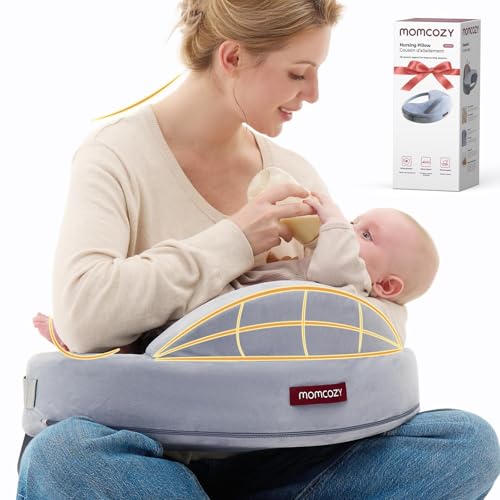
[Ergonomic Comfort and MaxSupport] Made of 100% safe memory foam. Different from other nursing pillows, the Momcozy original breastfeeding pillow is like a combination of "powerful hands"and "fluffy clouds", comfortably ergonomic supporting baby and mom's arm, maintaining at the ideal height and position for better latching. No more pain and sore arms, more confident and healthier nursing
Recognizing Cluster Feeding Signs
Have you ever noticed your baby wanting to eat again just after finishing a meal? If so, they might be displaying cluster feeding signs. Recognizing hunger cues, like fussiness or crying until fed, helps us understand our baby’s needs. Sometimes they’ll act frustrated during feedings, latching on and off, or searching for the nipple. These are indicators they’re not quite satisfied.
- Short Feeds, Frequent Returns: Babies often eat in short spurts, returning to the breast or bottle frequently.
- Fussiness When Awake: They may be irritable when they’re not eating.
- Short Rests Between Feeds: Expect brief naps between these frequent feeds.
Understanding these patterns allows us to respond more effectively, ensuring our little ones are content and well-fed.
Evening Feeding Frequency
Evening hours often bring a unique feeding rhythm, known as cluster feeding, which can be both puzzling and challenging. As our babies settle into their evening routines, we notice the frequent short feeds, beginning around 6 pm and sometimes extending until midnight. During these times, they might feed briefly, unlatch, fuss, and then nurse again. This pattern, though demanding, helps them prepare for a longer nighttime sleep.
To handle these evening feeding sessions, we can adopt feeding strategies:
- Recognize that short rests between feeds are normal.
- Understand increased fussiness can stem from overstimulation or hunger.
- Create a calm, soothing environment to ease their comfort-seeking behavior.
Recommended Products

SOFT AND BREATHABLE - Our baby nursing pillow is filling hollow 7D PP fiber cotton material and the nursing pillow cover is made of soft and breathable fleece material, so that it can keep the baby cozy and comfortable.

Easy Deep Latch for Baby, Stress-Free Nursing for Mom:Momcozy nursing pillow provides great support for mom and baby during breastfeeding or bottle-feeding. It encourages better posture, takes pressure off your shoulders & neck,and makes breastfeeding easier and more comfortable. Baby feeds comfortably lying down, no fuss and no tears

Nursing Essentials for New Parents- A nursing pillow reduces the distance and angle you need to position arms when bottle feeding or breast feeding your baby. Breastfeeding pillows prevent your arms, neck, and upper back from strain when baby-feeding or bonding with your little one. Your baby would also be able to adjust comfortably while feeding
Impact on Milk Supply
As we navigate the evening’s cluster feeding, it’s important to consider how these frequent nursing sessions impact our milk supply. Frequent nursing is key to milk production, as each session sends signals to our brain to increase supply. Here’s how:
- Biological Basis: Nursing frequency boosts prolactin, driving milk production.
- Hormonal Regulation: Prolactin peaks in the morning, tapers by evening, explaining more frequent evening feeds.
- Supply and Demand: Cluster feeding balances milk supply with baby’s needs, stimulating increased production.
Our bodies adapt beautifully, adjusting milk production to meet the growing demands of our little ones. By responding to these signals, we ensure our babies have plenty, while our milk supply remains robust and responsive. Remember, cluster feeding is natural, ensuring our babies thrive.
Recommended Products

Lactation Support for Breastfeeding: Dietary supplement drink mix made with fenugreek, fennel and milk thistle, ingredients traditionally used in breastfeeding support routines

AMERICA’S #1 LACTATION BRAND – Trusted by millions of moms and with over 10 million bottles sold

AMERICA’S #1 LACTATION BRAND – Trusted by millions of moms and with over 10 million bottles sold
Managing Feeding Demands
When managing the demands of cluster feeding, it’s crucial for us to create a flexible approach that adapts to our babies’ unpredictable schedules. We can implement feeding strategies that allow us to respond promptly to their needs while ensuring we maintain our own well-being.
- Flexible Feeding Schedules: Adjusting feeding times can help accommodate the frequent, intense demands of cluster feeding.
- Parental Nutrition: It’s vital to keep ourselves nourished and hydrated, helping us stay energized during those late-night feeds.
- Adequate Rest: Prioritize rest whenever possible to recharge and manage nighttime challenges effectively.
- Professional Support: Consulting healthcare professionals can provide invaluable advice for handling cluster feeding smoothly.
Recommended Products

Easy Deep Latch for Baby, Stress-Free Nursing for Mom:Momcozy nursing pillow provides great support for mom and baby during breastfeeding or bottle-feeding. It encourages better posture, takes pressure off your shoulders & neck,and makes breastfeeding easier and more comfortable. Baby feeds comfortably lying down, no fuss and no tears

ERGONOMIC DESIGN: Elevate your nursing journey with our unique nursing pillow. The wrap-around feature ensures ideal positioning & latch for effortless breast or bottle feeding. Secure & supportive, it's the ultimate companion for you & your baby.

ENHANCED COMFORT & RELAXATION: Our innovative ergonomic design nursing bottle & breastfeeding pillow incorporates wraparound back support, offering maximum comfort & ensuring the ideal positioning for you & your baby. This feature helps maintain the perfect nursing position, making every feeding session a comfortable & enjoyable experience for mom & baby.
Supporting Mothers During Cluster Feeding
Supporting mothers during cluster feeding involves more than just feeding techniques; it’s about creating an environment that nurtures both physical and emotional well-being. We can begin by ensuring practical preparation is in place:
- Wear comfortable clothing, like nursing bras, to ease feeding.
- Stay hydrated and keep snacks nearby for energy.
- Use baby carriers for portable feeding, soothing babies on the go.
Emotional support is equally vital. Let’s encourage:
- Partner involvement to handle non-feeding tasks, allowing for rest.
- Seeking professional guidance from lactation consultants.
- Joining community support groups for shared experiences and advice.
Recommended Products

Ultra Comfort & Soft Material: HBselect nursing bras are made of 92% nylon and 8% elastane, ensuring softness, comfort, and support without feeling constricting. The high-elasticity material will not compress the chest, allowing it to better adapt to your changing body shape during pregnancy and breastfeeding. Perfect for use during pregnancy, breastfeeding, and in the postpartum period throughout the day.
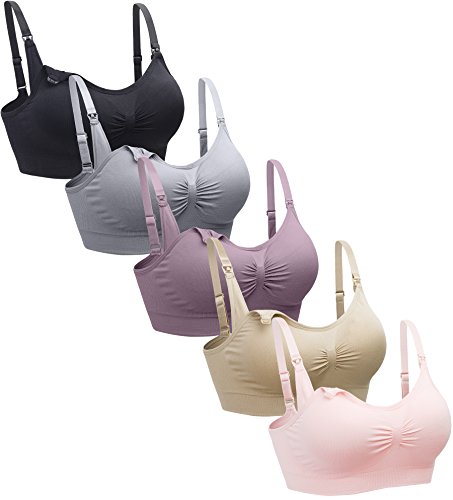
SUITABLE FOR MOTHER AND BABY: Our design ideas are all for mom and baby,most important for pregnancy or nursing is comfortable and convenience,not only at wearing experience but also at shopping and service process.Suekaphin nursing bra features wireless cup,adjustable straps,removable padding,one-step feeding clasp.We offered multiple colored bras in different group for choosing,include color matched extenders,no need to purchase any more accessories,all you need are in pack.

Ultimate Comfort Nursing Bras: This nursing bra is crafted from double-layer breathable fabric and four-way stretch elastic material that provides ample support and easily adapts to moms' changing shape. Soft and moisture-wicking, it retains its shape after washing, making it ideal for pregnancy, breastfeeding, and postpartum wear throughout the day, with nighttime wear being especially comfortable.
Health Benefits for Infants
Cluster feeding, a term that might sound a bit technical, brings a host of health benefits to infants. Let’s explore how this feeding pattern contributes to your baby’s well-being:
- Growth Support: Frequent feeds ensure they’re getting the right nourishment during those critical growth spurts.
- Emotional Security: These sessions strengthen the bond between you and your baby, providing comfort and reassurance.
- Milk Supply Adjustment: Cluster feeding naturally boosts milk supply, matching your infant’s increasing needs.
- Optimized Nutrition: This pattern guarantees optimal nutrition, important for healthy weight gain and development.
- Sleep Promotion: Well-fed babies often enjoy better sleep, which is crucial for their growth.
Long-term Developmental Effects

As we dive into the long-term developmental effects of cluster feeding, it’s important to recognize how these intense feeding sessions play a crucial role in your baby’s growth and development. Cluster feeding isn’t just about meeting immediate nutritional needs; it also fosters emotional bonding and immune development.
- Emotional Bonding: These frequent feedings enhance the connection between you and your baby, laying the foundation for a strong emotional bond.
- Immune Development: Breast milk consumed during this period supports your baby’s immune system, preparing them for future challenges.
- Nutritional Balance: By ensuring your little one receives essential nutrients, cluster feeding contributes to their overall health and development.
Ultimately, these sessions are a vital part of nurturing a healthy, thriving child.
Frequently Asked Questions
Can Cluster Feeding Occur With Bottle-Fed Babies?
Yes, bottle feeding can involve cluster feeding. We often see it disrupt feeding schedules. Let’s ensure we’re observing cues and maintaining a consistent routine, providing the little ones the comfort and nutrition they need.
How Can Fathers Support During Cluster Feeding Phases?
We can support fathers by encouraging a nurturing presence and offering practical assistance. Let’s share diaper duties, provide emotional support, and create a restful environment. Together, we’ll ensure both baby and partner feel loved and cared for.
What Are Common Misconceptions About Cluster Feeding?
We’ve all heard the wild cluster feeding myths, like it’s a vampire-like feeding frenzy signaling low milk supply. Truth is, frequent feedings are normal, comforting, and crucial for growth, not a sign of failure.
Are There Signs of Overfeeding During Cluster Feeding?
We often wonder if overfeeding signs overlap with cluster feeding. Let’s watch for spitting up, gassiness, and rapid weight gain. Though cluster feeding is natural, these signs might suggest we need to consult our pediatrician together.
How Does Cluster Feeding Affect Maternal Mental Health?
Imagine navigating a stormy sea; cluster feeding can feel like that, increasing maternal fatigue. With emotional support, we find our compass, ensuring smoother sailing through those turbulent waters, strengthening our mental health and confidence together.