As an Amazon Associate, we earn from qualifying purchases. Some links on this site are affiliate links at no extra cost to you. Our recommendations are based on thorough research and editorial judgment.


Baby Feeding Guidelines: What New Parents Need to Know

We know new parents want the best for their babies, and feeding is crucial. Breastfeeding’s benefits are immense, lowering infant illness risks. If breastfeeding isn’t an option, formula’s a solid alternative; seek guidance when choosing. Around 6 months, introduce purees to diversify nutrition. Ensure essential nutrients like iron and zinc are included. Always prioritize safety and consult pediatric professionals. With supportive strategies, feeding your baby can be a rewarding experience, packed with discoveries ahead.
Key Takeaways
- Breastfeed exclusively for six months to support infant immunity and development.
- Choose appropriate formula and consult healthcare providers for guidance if breastfeeding isn’t possible.
- Introduce complementary foods around six months, starting with thin purees.
- Ensure dietary diversity with five out of eight food groups daily, focusing on iron-rich foods.
- Avoid unregulated feeding practices and seek pediatric advice for safe infant nutrition.
The Importance of Breastfeeding
You may be interested



When it comes to nurturing our little ones, breastfeeding holds a special place due to its numerous benefits for both babies and mothers. Let’s explore why:
- Breastfeeding Benefits: It’s associated with a reduced risk of childhood acute leukemia and provides a lower risk of SIDS. Babies breastfed for at least six months often show fewer delays in milestone attainment, enhancing neurodevelopment.
- Breastfeeding Duration: The World Health Organization recommends exclusive breastfeeding for six months, continuing beyond can reduce leukemia risks.
Breastfeeding also supports infants’ immune systems, lowering infection rates, while offering optimal nutrition. For mothers, it reduces cancer risks and aids in postpartum weight management. Together, these factors highlight breastfeeding’s profound impact on our children’s early health and development.
Formula Feeding as an Alternative

Although breastfeeding has its undeniable benefits, it’s important to know that formula feeding is a viable and effective alternative for many families. Let’s explore formula types and feeding schedules to find what fits your baby best.
- Formula Types: Choose from powdered, liquid concentrate, or ready-to-use. Options like cow’s milk or soy cater to different dietary needs. Always consult a healthcare provider when selecting a formula.
- Feeding Schedules: In the first week, babies typically need 1 to 2 ounces per feeding. As they grow, feeding amounts and frequency will adjust naturally.
Recommended Products

GET MORE REWARDS POINTS: Scan the MySimilac QR code on select products to earn points toward a Reward

CONTAINS: One 23.2-ounce tub of infant formula milk-based powder with iron

COMPLETE INFANT NUTRITION: Made in Australia, Bubs 365 Day Grass Fed Infant Formula has been carefully developed for bubs ages 0 to 12 months. Enriched with omega-3 DHA and omega-6 ARA to ensure safety, quality, purity, and nutrition
Introducing Complementary Foods
Formula feeding can be a reliable choice for many families, but as your baby grows, it’s time to think about introducing complementary foods. At around 6 months, we can gradually incorporate different textures, starting with thin purees and slowly transitioning to thicker consistencies. It’s essential to monitor for any allergy introduction by offering new foods singly, like peanuts or eggs, and observing any reactions.
Let’s begin with iron-rich foods, crucial for preventing deficiencies. We should continue breastfeeding alongside complementary foods, adjusting amounts based on your baby’s hunger cues. Start with small portions—about 2-3 tablespoons, 2-3 times daily. As they grow, we increase both the variety and frequency of foods. Remember, managing food texture is vital to prevent choking and ensure a safe eating experience.
Recommended Products

DESIGNED FOR LITTLE HANDS AGES 6 TO 18 MONTHS This clever Pre-Spoon, tailored for tiny hands, eliminates scooping and balancing struggles. Best of all, there is no wrong way to hold it, thanks to its secret: a thick contoured handle that provides a secure, no-slip grip. Ideal for use at home, daycare, or even while traveling so your baby can practice mealtime skills anywhere.

SPOON SET FOR BABIES 6+ MONTHS: Nuby's Baby's First Spoons Set helps little ones transition from soft foods to semi-solid foods one step at a time

Master Utensils Effortlessly - As your baby transitions to solid food and self-feeding, these spoons will come as a game changer for little hands to get the hang of utensils like a breeze! Best for first stage starters (teething infants) and toddlers, too.
Ensuring Nutritional Diversity
Ensuring your baby’s nutritional diversity is a key step in their overall development, and it’s all about offering a wide range of food options. We should aim for dietary diversity by including five out of eight food groups daily. These include grains, proteins, vegetables, fruits, dairy, and fats. Nutrient balance is essential, so let’s offer a variety of protein sources, like meats and beans, and ensure iron and zinc intake through options like fortified cereals.
For optimal growth, introduce yogurt and cheese before 12 months, but avoid cow’s milk and honey. Limiting added sugars and high-sodium foods can help prevent early taste preferences. By focusing on these practices, we’re setting the stage for healthy eating habits and development.
Vitamin D and Other Supplements

As we explore the importance of dietary variety for our little ones, it’s also vital to consider the role of vitamin D and other supplements in their growth journey. Vitamin D is crucial for developing strong bones and preventing deficiencies. For infants under 12 months, a daily intake of 400 IU is recommended. Breastfed babies need this supplement since breast milk has limited vitamin D, while formula-fed infants should supplement if they drink less than 32 ounces daily.
To ensure supplementation safety, we should:
- Use liquid forms for infants
- Start within the first month of life
- Consult healthcare providers before beginning any supplement
Recommended Products

Infant vitamin d drops with 400 IU of vitamin D per serving
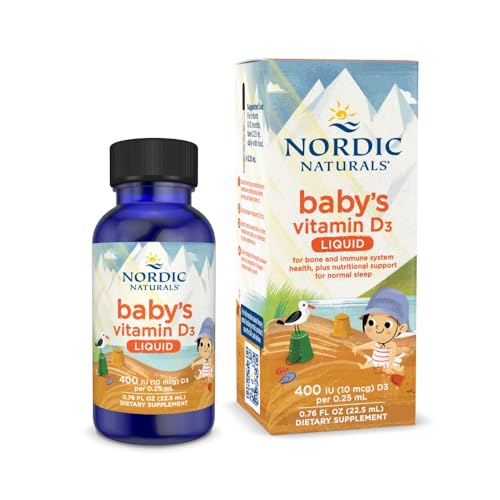
WHY BABY'S VITAMIN D3 - Growing babies need vitamin D to support healthy bone development, immune system function & normal sleep rhythms.*

Just one drop a day
Safety in Infant Feeding Practices
When it comes to feeding our infants safely, we need to be aware of both recommended practices and the risks associated with unregulated methods. Unregulated practices, like using donor breast milk from unverified sources or non-FDA reviewed European formulas, can lead to significant safety risks. Nutritional deficits and serious health concerns can arise from these choices, impacting our baby’s development.
To keep our little ones safe, let’s seek guidance from pediatricians. They can steer us away from unsafe practices and suggest approved, healthier alternatives. Remember, some products available online may not be thoroughly reviewed, increasing potential harms. By prioritizing informed decisions and professional advice, we can ensure our infants’ well-being as they grow and thrive in their early months.
Recommended Products

OUR BRAIN BUILDING DUO: Enfamil NeuroPro infant formula has MFGM components and expert-recommended DHA also found in breast milk. Shown to support brain development in baby’s first year


GET MORE REWARDS POINTS: Scan the MySimilac QR code on select products to earn points toward a bonus offer
Overcoming Breastfeeding Challenges
Feeding our little ones safely not only involves making informed decisions about what they consume but also addressing the hurdles that come with breastfeeding. Many of us have faced sore or cracked nipples, with about 31.9% of new mothers experiencing this in the first week. Let’s not forget the struggle with insufficient milk production, affecting nearly 19.4%.
- Lactation Consultants: These professionals can guide us through challenges, offering personalized advice.
- Nipple Care: Proper care helps prevent pain and injury, ensuring more comfortable feeds.
Breast engorgement and positioning difficulties can also arise, but with the right techniques and support, we can overcome these obstacles. Remember, we’re in this together, learning and growing with our babies.
Recommended Products

CERTIFIED ORGANIC: Made from a blend of organic herbs and oils traditionally used to soothe and moisturize dry skin, Earth Mama's Organic Nipple Butter is Certified Organic by Oregon Tilth balm ideal for sore, cracked breastfeeding nipples. And it's the first lanolin-free nipple cream in the U.S.

100% Natural and Safe for Baby: No need to remove lansinoh nipple cream before breastfeeding. Made with a single natural ingredient, and never any petroleum, parabens, fragrance, or taste

SORE NIPPLES, SOOTHED: Purelan lanolin cream helps soothe sore nipples and dry skin during breastfeeding. This Medela nipple cream nourishes, protects, and strengthens the skin's barrier so you can breastfeed more comfortably.
Support Systems for New Parents
Navigating the early days of parenting can be overwhelming, but having a strong support system can make a world of difference. We know that community support, social connections, and reliable parenting resources are key to ensuring our emotional wellbeing. Connecting with local organizations and parent networks can help us feel less isolated. Many parents find comfort in joining support groups or online communities, where shared experiences foster understanding and provide practical advice.
To enhance our parenting journey, consider these steps:
- Seek out local organizations offering parenting resources.
- Engage with community networks for emotional support.
- Build social connections with other parents through events or online forums.
Frequently Asked Questions
How Can I Soothe a Colicky Baby During Feeding Times?
Like a gentle breeze calming stormy seas, we can soothe colicky symptoms by using soothing techniques: burping often, holding them upright, and creating a peaceful environment. Let’s nurture them with love and patience, bringing comfort during feeding times.
What Are Signs of an Infant Food Intolerance?
We should watch for signs like nausea, stomach cramps, or diarrhea in our little ones. Infant allergies can cause feeding reactions, leading to irritability or skin rashes. Let’s be attentive and consult a pediatrician if symptoms persist.
How Do I Establish a Feeding Routine for My Baby?
Let’s establish a feeding schedule by aligning it with our baby’s sleep patterns. We’ll start with frequent feeds and gradually increase intervals as they grow. Together, we can create a nurturing routine that suits their needs.
What Should I Do if My Baby Refuses to Eat?
Feeding our little ones can feel like navigating a maze. If our baby refuses to eat, let’s watch for baby hunger cues and minimize feeding distractions. Patience and consistency, dear friend, will guide us through this challenge.
How Can I Tell if My Baby Is Getting Enough to Eat?
We know it’s tough, but let’s look for hunger cues and monitor feeding frequency. If they’re gaining weight, have frequent wet nappies, and seem active and alert, they’re likely getting enough to eat. We’re here to help!