As an Amazon Associate, we earn from qualifying purchases. Some links on this site are affiliate links at no extra cost to you. Our recommendations are based on thorough research and editorial judgment.


What Is the Best Formula for Babies: A Parent’s Guide

Choosing the best baby formula feels overwhelming, but we’ve got you covered. Consider cow’s milk-based formulas for a reliable choice enriched with nutrients. Soy-based options cater to vegetarians, while organic formulas like Bobbie offer reduced chemical exposure. Safety is key, so ensure formulas meet FDA standards and watch for allergens. Start with 1-2 ounces per feed for newborns. These practical tips set you on a path to finding the perfect formula for your baby’s needs. Discover more insights ahead.
Key Takeaways
- Choose cow’s milk-based formulas for a reliable source of essential nutrients and lactose for many infants.
- Consider soy-based formulas for vegetarian infants needing plant-based protein and nutrition without dairy.
- Opt for iron-fortified formulas to meet critical nutritional requirements for infant development.
- Ensure the formula meets FDA safety standards for nutrients, contamination, and packaging.
- Consult healthcare professionals to personalize formula choices based on allergies, intolerances, and nutritional needs.
Types of Baby Formulas
You may be interested



Let’s dive into the world of baby formulas, where choosing the right one can feel like a big decision. We know you want the best for your little one, and understanding the types of formulas can help. Most parents start with cow’s milk-based formulas, which are enriched with lactose and essential nutrients. They’re often a reliable choice for many infants. But, if you’re raising a vegetarian or have concerns about cow’s milk allergies, soy-based formulas are a great alternative. They offer a plant-based protein that supports nutrition without dairy.
- Cow’s Milk-Based: Common, with added nutrients.
- Soy-Based: Ideal for vegetarians or dairy-sensitive babies.
Exploring these options ensures your baby gets the nourishment they need.
Recommended Products

GET MORE REWARDS POINTS: Scan the MySimilac QR code on select products to earn points toward a Reward

REDUCES FUSSINESS & GAS: Soy-based formulas have been clinically shown to help reduce common feeding problems such as fussiness & gas when switching from milk-based formulas

Key Considerations for Choosing a Formula

When it comes to choosing the right baby formula, understanding the key considerations can help guide you through this important decision. Our formula preferences often hinge on achieving a nutritional balance that supports our baby’s growth. Here’s what we need to consider:
- Nutritional Requirements: Look for iron-fortified options, as iron is crucial for development. Ensure the formula provides essential nutrients, including proteins, carbohydrates, fats, vitamins, and minerals.
- Safety and Regulation: Trust brands inspected by the FDA for safety and nutritional standards. Check expiration dates and avoid damaged containers.
- Allergies and Intolerances: Select formulas based on your baby’s needs. Cow’s milk-based is typical, but soy or hypoallergenic options exist for specific conditions.
- Preparation and Feeding: Follow water ratio instructions and storage guidelines to ensure safety and effectiveness.
Recommended Products

GET MORE REWARDS POINTS: Scan the MySimilac QR code on select products to earn points toward a Reward

COMPLETE NUTRITION: Mama Bear Sensitivity Premium provides complete nutrition for baby's first year; this enhanced formula has multi HMOs versus our single HMO formulation; compare to the nutrition of Similac Pro-Sensitive
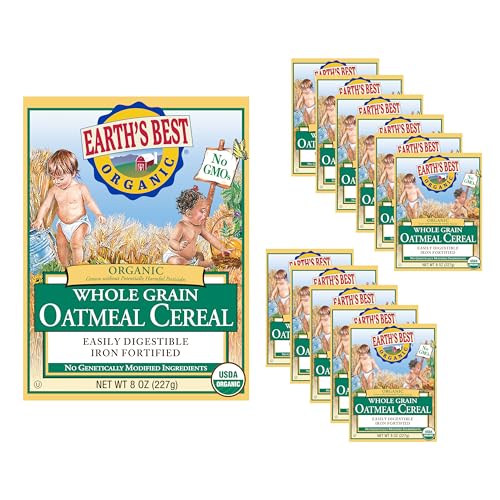
4+ MONTHS FIRST FOODS: Easily digestible infant cereal for babies transitioning from formula or breast milk to solid foods
Organic Baby Formula Options

Choosing the best organic baby formula can feel daunting, but understanding your options makes it easier. Let’s explore the organic formula benefits and compare brands. Organic formulas reduce your baby’s chemical exposure by avoiding pesticides and antibiotics. They often use grass-fed milk, which aids digestion, and lactose as a natural sweetener. Many include whey protein and prebiotics for gut health.
When comparing organic brands, consider these:
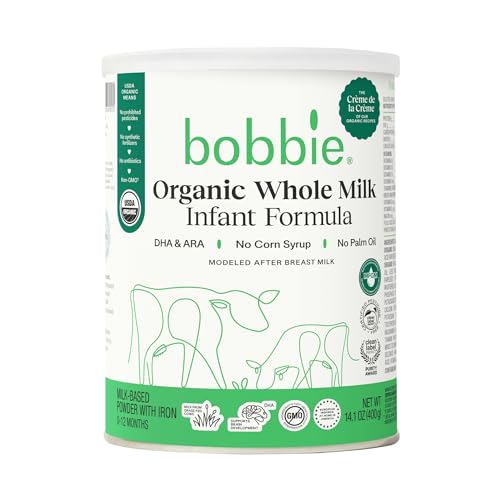
- Bobbie Organic Infant Formula: Offers grass-fed milk and whey protein.
- Baby’s Only Organic: Budget-friendly with quality ingredients.
- HiPP and Holle: European brands with strict standards.
- Happy Baby: Known for lactose sweetening and prebiotics.
Each choice supports your baby’s health uniquely, so pick what best suits your family’s needs.
Recommended Products

WHAT’S LEFT OUT MATTERS: Made without artificial growth hormones, palm olein oil, and corn syrup, and is non-GMO
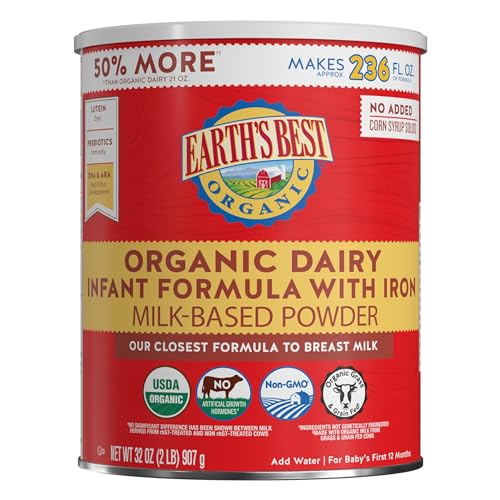
Nutrition First: Made with organic* milk from grass and grain-fed cows (!), our Dairy Infant Formula with Iron has lutein, prebiotics, and DHA and ARA to give your baby nutrients that support the body’s defenses, brain, and eye development
Ensuring Formula Safety and Quality
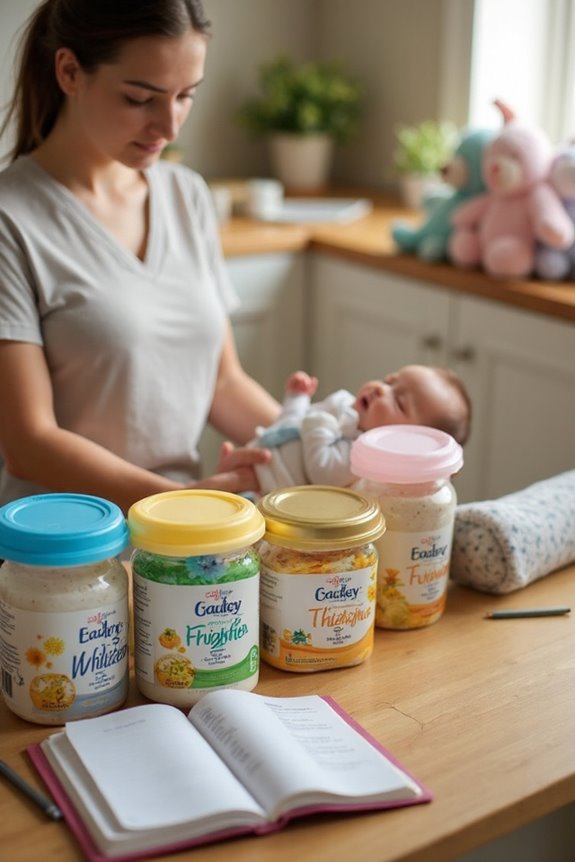
As we consider the best organic baby formula for our little ones, it’s equally important to focus on ensuring the formula’s safety and quality. The FDA oversees formula testing and ingredient sourcing to safeguard our children’s health. Here’s what we need to know:
- FDA Oversight: Manufacturers must adhere to strict safety standards, ensuring water and ingredients meet EPA guidelines.
- Nutrient Requirements: Formulas need a precise balance of at least 30 nutrients, with specific vitamin and mineral levels.
- Testing and Inspections: Finished products undergo rigorous testing for contamination and compliance, including checks for harmful chemicals like arsenic and lead.
- Packaging Safety: FDA evaluates packaging materials to prevent exposure to unsafe substances.
Understanding these measures helps us make informed decisions, providing peace of mind as we nourish our babies.
Recommended Products

Our best for bellies: we are the only USDA organic formula with probiotics & prebiotics to help support gut bacteria to be closer to breastfed infants, immune system development, and digestive health

Our best for bellies: we are the only USDA organic formula with probiotics & prebiotics to help support gut bacteria to be closer to breastfed infants, immune system development, and digestive health *compared to formulas without prebiotics & probiotics

COMPLETE INFANT NUTRITION: Made in Australia, Bubs 365 Day Grass Fed Infant Formula has been carefully developed for bubs ages 0 to 12 months. Enriched with omega-3 DHA and omega-6 ARA to ensure safety, quality, purity, and nutrition
Tips for Parents on Formula Feeding
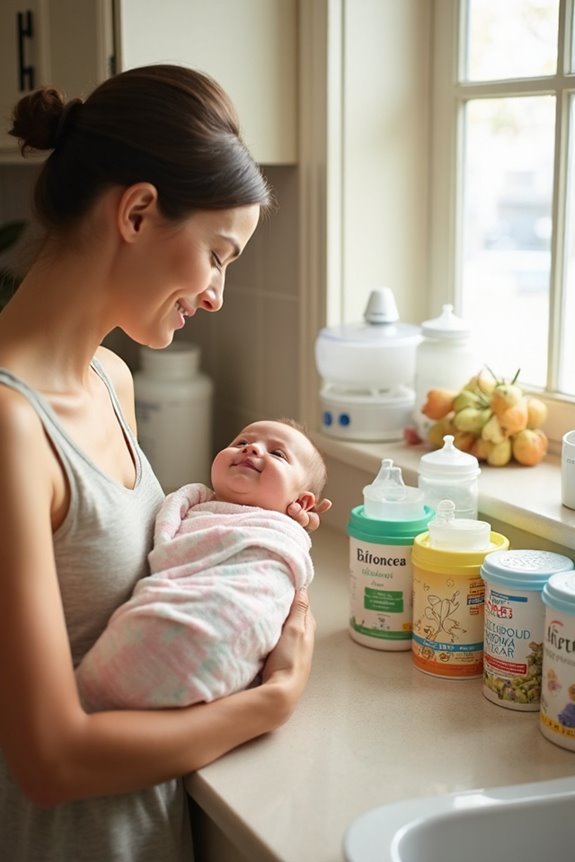
Feeding our babies with formula can be a rewarding journey when we understand the basics and follow some helpful tips. Recognizing feeding schedules and hunger cues is essential. Let’s explore how we can make this experience smoother:
- Feeding Schedules: Newborns typically need 8-12 feedings a day. As they grow, their stomachs can handle more, allowing longer intervals.
- Hunger Cues: Look for signs like sucking on fists or rooting. If your baby seems hungry after a feed, they might need more formula.
- Meal Sizes: Start with 1-2 ounces per feed, gradually increasing to 3-4 ounces by the first month’s end.
- Consultation: Always consult a healthcare professional for personalized advice. Our journey becomes easier with the right guidance.
Recommended Products

MOST ADVANCED WAY TO AUTOMATICALLY MAKE A WARM, FORMULA BOTTLE IN SECONDS: Precise mixing technology automatically mixes formula and water to the perfect consistency every time without air bubbles - No measuring, no mixing, no fuss

Designed For Seamless Transition Between Bottle and Breast: Natural Start bottles have silicone nipples that are designed with an anti-colic valve and mimic the flexibility of a breast

✔ MILK REPLACER - The ZooPro Milk Replacer 32/40 is a powdered formula that mixes with water to form a complete food source for orphaned or rejected baby animals, as well as pregnant females.
Frequently Asked Questions
What Are the Environmental Impacts of Formula Production?
You can’t have your cake and eat it too. Formula production significantly impacts our environment. We must adopt sustainability practices to reduce its carbon footprint, addressing energy use, water consumption, and transitioning to renewable resources for a healthier planet.
How Does Formula Feeding Affect Bonding With My Baby?
We’re exploring how formula feeding affects bonding with our baby. Formula feeding offers bonding benefits through shared feeding techniques, allowing both of us to connect deeply with warmth, eye contact, and sensitive care, nurturing a strong emotional bond.
Are There Any Plant-Based Formula Options Available?
Let’s dive into the garden of plant-based options, offering a bounty of nutritional benefits. They’re like a gentle embrace for our little ones, providing essential nutrients while being dairy-free and kinder to our precious planet.
How Can I Reduce the Cost of Formula Feeding?
We know formula feeding can be costly, but let’s save together. Consider bulk purchasing and opting for store brands. They meet the same nutritional standards as name brands, and buying in bulk can significantly reduce expenses.
What Are the Common Myths About Formula Feeding?
Did you know 60% of parents use formula? Let’s tackle myths: formula safety is ensured by strict regulations, and there’re great formula alternatives. We’re here to support your choices, ensuring your baby’s well-being and happiness.