As an Amazon Associate, we earn from qualifying purchases. Some links on this site are affiliate links at no extra cost to you. Our recommendations are based on thorough research and editorial judgment.

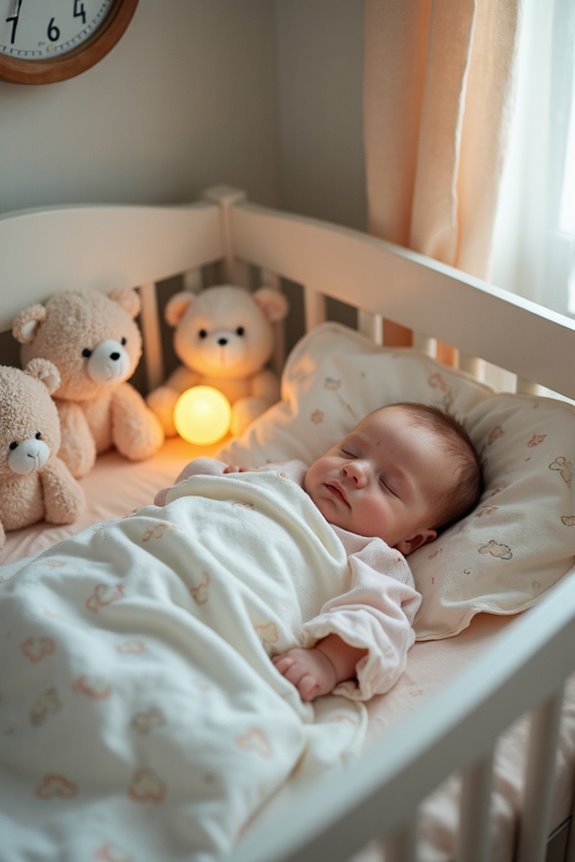
When Can Babies Safely Sleep With a Blanket?

Babies shouldn’t sleep with a blanket until they’re at least 12 months old. Before then, using blankets can increase the risk of suffocation and positional asphyxia. Instead, we can dress our little ones in appropriate layers to keep them warm. Once they show signs of improved mobility and established sleep patterns, we can consider introducing a lightweight, breathable blanket. Let’s create a safe sleep environment. Continue on to discover more essential tips for your baby’s sleep safety.
Key Takeaways
- Babies can safely sleep with a blanket after six months, when the risk of SIDS decreases.
- Ensure babies have improved muscle strength and mobility before introducing a blanket.
- Use lightweight, breathable blankets to prevent overheating and ensure safety.
- Always monitor the baby’s safety and comfort when transitioning to a blanket.
- Keep the crib free from other soft items, like pillows and toys, to reduce suffocation risks.
Understanding Safe Sleep Guidelines
You may be interested



When it comes to ensuring our little ones sleep safely, understanding safe sleep guidelines is crucial. Following these guidelines can greatly enhance infant safety and reduce risks like SIDS. Here’s what we need to keep in mind:
- Avoid soft bedding: No pillows, bumper pads, or loose blankets in the crib, especially for babies under 12 months.
- Firm mattress only: Use a fitted sheet on a flat, firm mattress.
- Dress for warmth: Instead of blankets, layer your baby in clothing appropriate for the environment.
The Risks of Using Blankets for Infants
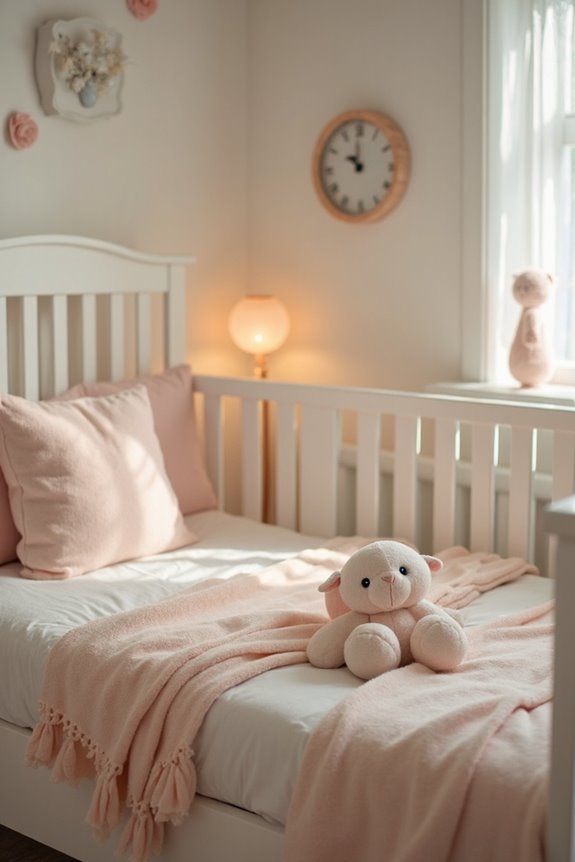
Using blankets for infants can seem harmless, but there are significant risks we need to consider. Here’s what we should keep in mind:
- Blanket Suffocation: Soft blankets can cover an infant’s face, leading to dangerous airway obstruction.
- Positional Asphyxia: Incorrect positioning during sleep, especially with soft bedding, can result in fatal asphyxia.
- Swaddle Safety: Ordinary blankets used for swaddling have been linked to tragic incidents of positional asphyxia.
The American Academy of Pediatrics advises against soft bedding, emphasizing that infants, particularly those under six months, are especially vulnerable. To ensure our little ones sleep safely, it’s crucial to create a firm, flat sleep surface without any blankets, pillows, or soft items that could pose serious risks.
Recommended Products

Gentle and Comfy:Wrrernsin sleeping sack is crafted from 100% pure cotton fabric, soft and skin-friendly, with exceptional breathability to create a comfy sleeping space for babies. Meeting the safety standards of the US Consumer Product Safety Commission (CPSC), it ensures worry-free use for little ones. The 0.5 tog warmth level and sleeveless design effectively reduce underarm sweating, keeping babies dry and cozy all night—perfect for year-round use

100% Cotton: Made from 100% cotton, our baby sleep sack applys top 10% of the premium cotton, which is more breathable and soft on delicate skin. 0.5 tog fit for moderate seasons. With this wearable blanket, your baby would neither get sweaty nor catch a cold.

Gentle and Comfy:Wrrernsin sleeping sack is crafted from 100% pure cotton fabric, soft and skin-friendly, with exceptional breathability to create a comfy sleeping space for babies. Meeting the safety standards of the US Consumer Product Safety Commission (CPSC), it ensures worry-free use for little ones. The 0.5 tog warmth level and sleeveless design effectively reduce underarm sweating, keeping babies dry and cozy all night—perfect for year-round use
Age Recommendations for Blanket Use
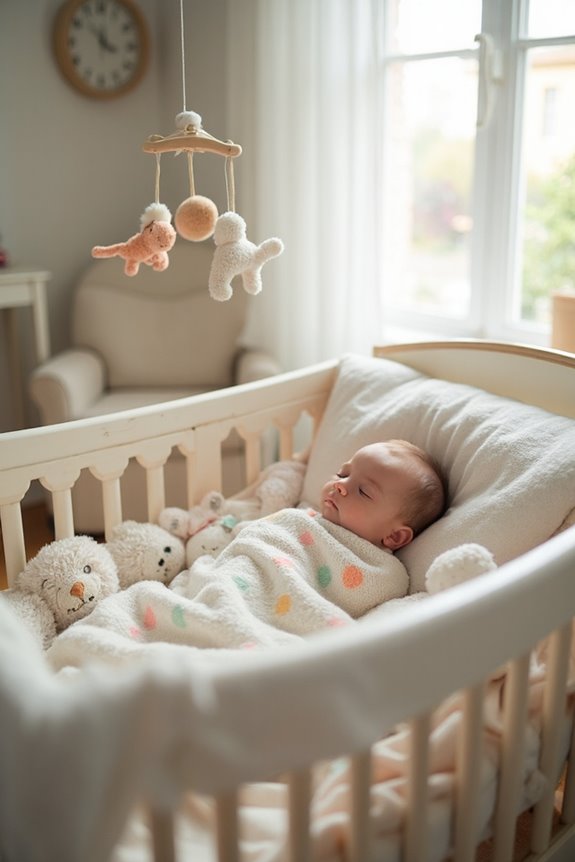
Choosing the right time for your baby to start using a blanket can be a bit tricky, and it’s important for us to understand the guidelines set by experts. The American Academy of Pediatrics emphasizes blanket safety, recommending we avoid loose blankets during the first six months of our infant’s life. This is when the risk of sudden infant death syndrome (SIDS) is highest.
Instead, we can consider:
- Wearable blankets or sleepers for warmth without suffocation risks.
- Ensuring our babies sleep on firm surfaces free from soft bedding.
- Layering clothing to help maintain a safe temperature.
As we navigate this journey, consulting our pediatrician will provide personalized advice tailored to our baby’s needs and development.
Signs That Your Baby Is Ready for a Blanket
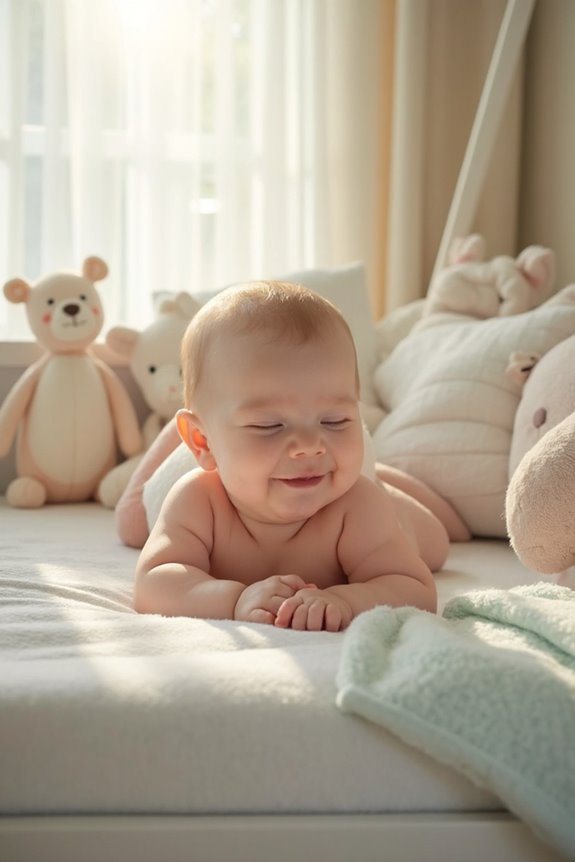
As our little ones grow and develop, we often find ourselves wondering when it’s safe for them to start using a blanket. To help us gauge readiness, we can look for signs of physical readiness and emotional indicators:
- Improved Muscle Strength: Can your baby move around easily? This helps prevent suffocation.
- Mobility: If they can roll over and change positions safely, that’s a good sign.
- Calm Demeanor: Is your baby relaxed during sleep? A consistent calmness suggests they’re ready.
- Established Sleep Patterns: Regular sleep routines indicate they can handle a new addition.
When we observe these signs, we can feel more confident about introducing a blanket into their sleep environment. Always remember to create a safe sleeping space!
Safe Blanket Practices for Older Infants
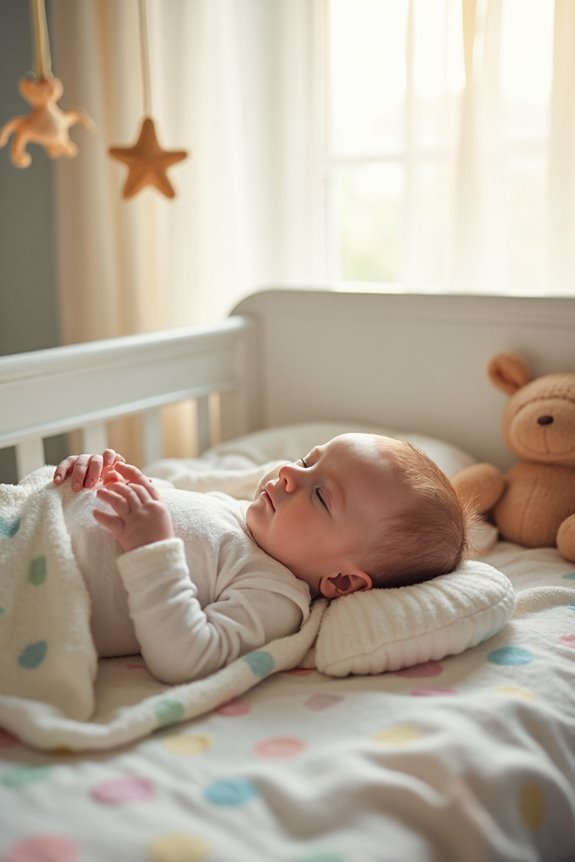
When we think about introducing blankets to our older infants, it’s important to remember that safety is our top priority. As we navigate the blanket transition, let’s keep a few key practices in mind to ensure toddler safety:
- Use only lightweight, breathable blankets to prevent overheating.
- Avoid thick or loose bedding that could bunch or cover their face.
- Ensure the crib remains free of pillows, soft toys, and bumper pads.
- Supervise your baby during naps to observe how they interact with the blanket.
- Transition gradually from sleep sacks to blankets, making sure your child can roll over and move their head independently.
Recommended Products

100% ORGANIC COTTON MUSLIN SWADDLE: These soft and breathable swaddles are gentle on baby's sensitive skin and free from harsh chemicals. Perfect for newborns, infants, and toddlers. This is a GOTS certified product.

Cozy Cotton: Our muslin swaddle blankets are made of 100% cotton, ultra-soft and gentle on your baby’s delicate skin. Thanks to its breathable weave, your little one can enjoy peaceful sleep. A must-have for parents who prioritize comfort and stylish design for their baby.

100% Cotton 2-Pack – Made from soft, fine pure cotton, the Nyessmee baby sleep sack is breathable and helps wick away moisture, making it gentle enough for baby's sensitive skin. Each set includes 1 print & 1 solid design, offering a cute and convenient spare option that works well for both baby boy and girl—making it easy to rotate and a true nursery essential.
Alternatives to Blankets for Sleep
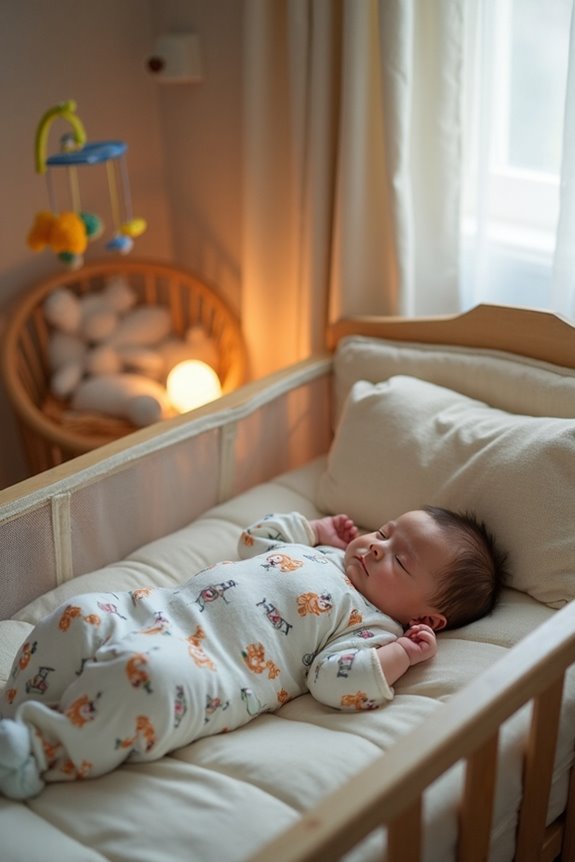
Finding safe alternatives to blankets for sleep can be a game-changer for both parents and babies. We can explore some wonderful options that ensure comfort and safety.
- Sleep Sacks: These snug fits reduce suffocation risks and offer sleep sack benefits like temperature regulation and breathability.
- Wearable Blankets: Similar to sleep sacks, they provide warmth without loose fabric.
- Layered Clothing: Dressing our little ones in breathable materials under a sleep sack helps manage temperature effectively.
- Lovey Stuffed Dolls: These provide comfort while minimizing risks.
Recommended Products

【Perfect for Sensitive Skin】Baby sleep sack for all seasons,No risk of overheating in babies- Made of 100% Rayon Cotton. Super soft, cozy. machine washable. Perfect for babies with sensitive skin.

Safe sleep long-sleeve wearable blanket sleep sacks

𝐑𝐈𝐆𝐇𝐓 𝐒𝐈𝐙𝐄 = 𝐁𝐄𝐓𝐓𝐄𝐑 𝐒𝐋𝐄𝐄𝐏: Choose the SIZE S (SMALL) Swaddle UP baby sleep sack made for 8 – 13 lbs, and up to 62 cm / 25 in. Tap the size chart to confirm weight and height, then buy with confidence. The right weight based fit keeps this arms up newborn swaddle snug at the shoulders while hips stay free, stops fabric creeping over faces, reduces returns, and lets every tired parent enjoy longer, safer sleep night after night
Choosing the Right Blanket Material
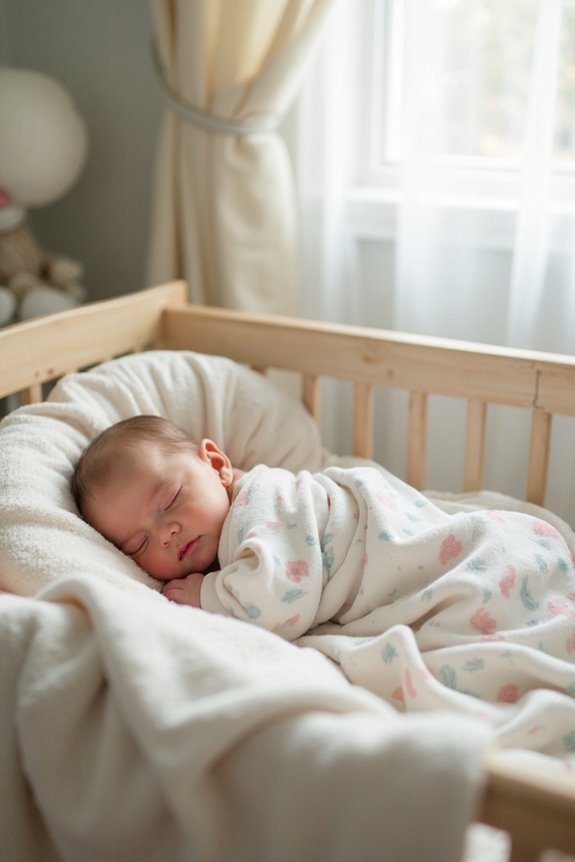
Choosing the right blanket material for our little ones is essential for ensuring their comfort and safety during sleep. When selecting a blanket, we should consider:
- Fabric Softness: Cotton and bamboo are great choices, as they’re soft, breathable, and durable. Minky offers a plush feel that babies love.
- Hypoallergenic Options: Organic cotton is perfect for sensitive skin, minimizing the risk of irritation.
- Breathability: Look for loosely woven fabrics to allow airflow, preventing overheating.
Ultimately, we want our babies to feel secure and cozy without compromising their safety. By prioritizing soft, hypoallergenic materials, we can create a sleep environment that promotes restful nights for our little ones. Always remember, a safe blanket is key for peaceful sleep!
Recommended Products

Organic Cotton: Crafted from organic cotton fibers, meeting the highest standards for purity and responsible production. Naturally breathable and gentle against delicate newborn skin.

Organic Cotton: Crafted from organic cotton fibers, meeting the highest standards for purity and responsible production. Naturally breathable and gentle against delicate newborn skin.

Certified Organic Cotton - Free from harmful chemicals, and sustainably made, this baby blanket is soft, breathable, and Naturally gentle on baby’s delicate skin. The lightweight fabric ensures comfort and warmth without being too heavy as if babies were in their mother's bosom, making it an ideal choice for babies and mothers.
Monitoring Your Baby’s Sleep Environment
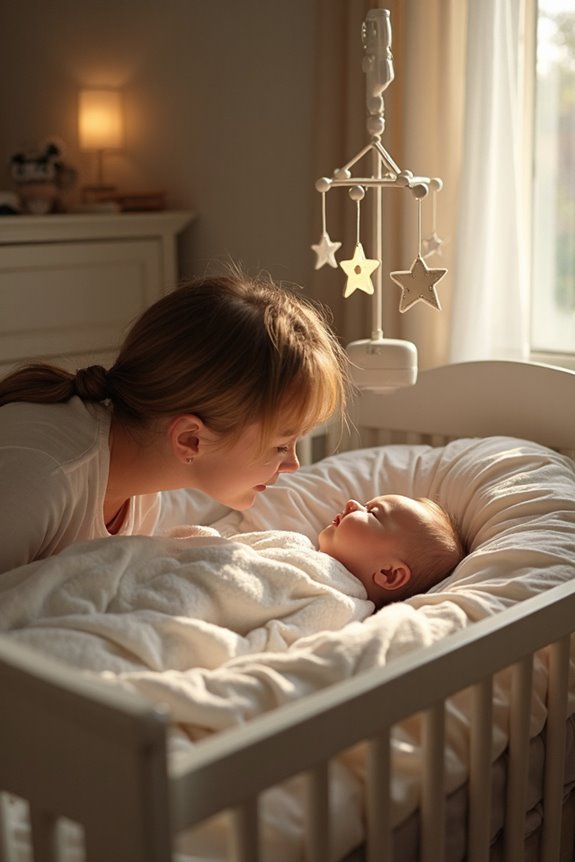
Creating a safe sleep environment for our babies is crucial, and there are several key aspects we need to monitor. Here’s how we can ensure our little ones sleep soundly:
- Firm Mattress: Always use a safety-approved crib with a firm mattress and a snug sheet.
- Avoid Soft Bedding: Keep pillows, loose sheets, and blankets out of the crib.
- Room Temperature: We should regularly check the temperature, aiming for a comfortable setting, perhaps using a thermometer.
- Safe Position: Always lay our babies on their backs to sleep.
- No Hazards: Conduct a thorough environment assessment to eliminate cords or clutter.
Importance of Consistent Safety Practices
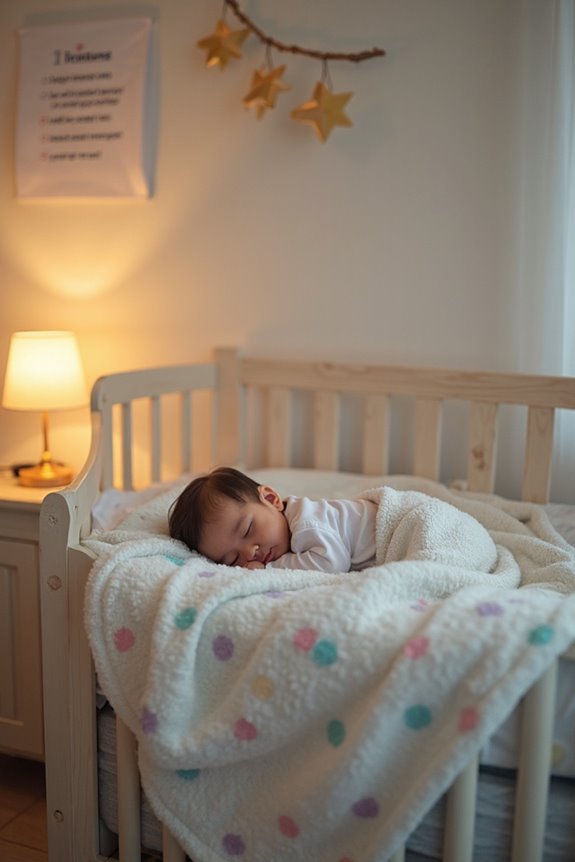
While ensuring our babies sleep safely is a top priority, it’s essential that we consistently follow safety practices to minimize risks. By adhering to safety compliance guidelines, we can significantly reduce the chances of SIDS and suffocation. Here are some key practices:
- Follow AAP Guidelines: Avoid blankets for babies under 12 months.
- Use Breathable Materials: Opt for lightweight, breathable fabrics like cotton.
- Maintain Room Temperature: Keep it between 16°C to 20°C (61°F to 69°F).
- Consider Sleeping Bags: They’re a safer alternative to traditional blankets.
Through parental education and consistent monitoring, we can create a secure sleep environment. Let’s commit to these practices, ensuring our little ones sleep soundly and safely.
Frequently Asked Questions
Can My Baby Use a Blanket if They Roll Over?
As our little one starts rolling over, we need to prioritize blanket safety. It’s still best to wait until they’re over 12 months before introducing a blanket, ensuring a safe sleep environment for them.
What Should I Do if My Baby Refuses a Sleeping Bag?
Isn’t it ironic when our little ones refuse the very thing meant to help them sleep? Let’s explore sleeping bag alternatives and baby sleep strategies together—embracing comfort and warmth while ensuring they feel secure and cozy.
Are Weighted Blankets Safe for Older Infants?
While we understand the allure of weighted blankets for their potential benefits, infant sleep safety is paramount. It’s best to avoid them for older infants, as risks often outweigh any perceived advantages. Our little ones deserve the safest sleep possible.
How Can I Tell if My Baby Is Too Hot?
We can tell if our baby’s too hot by checking for signs of overheating, like flushed cheeks or rapid breathing. Monitoring baby temperature helps us keep them comfortable and safe while they sleep peacefully.
Can I Use a Quilt Instead of a Blanket for My Baby?
We’ve got to tread carefully when it comes to quilt safety. Thick quilt materials can pose risks, like overheating. Let’s stick to breathable blankets or sleeping bags for our little ones’ cozy sleep environment.