As an Amazon Associate, we earn from qualifying purchases. Some links on this site are affiliate links at no extra cost to you. Our recommendations are based on thorough research and editorial judgment.

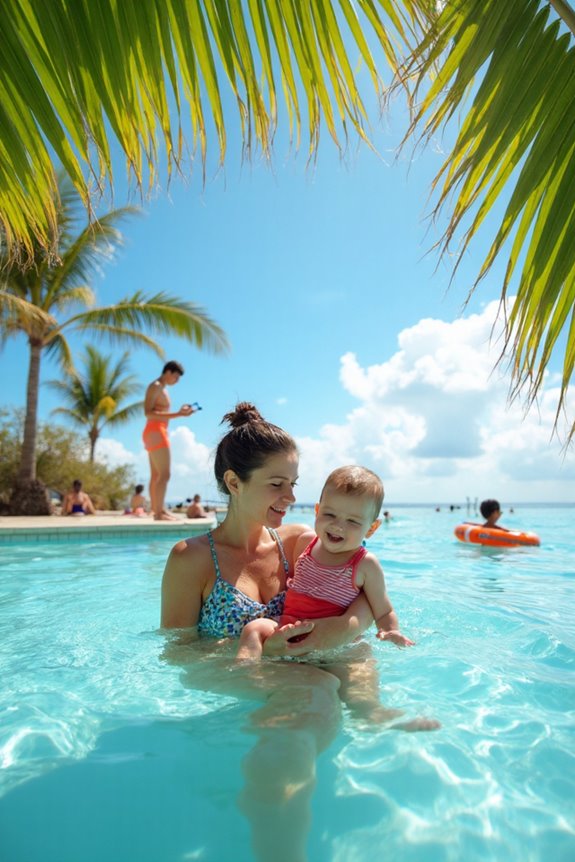
When Can Babies Safely Enter the Pool?

When can babies safely enter the pool? We recommend introducing babies to the pool around 6 months old. At this age, they’ve likely developed the head control needed to enjoy the water. Always keep your baby within arm’s reach, as supervision is crucial. Avoid public pools due to infection risks until your baby reaches 6 months. This is just the start. There’s more to know about safe water activities and the gear that keeps your little one secure.
Key Takeaways
- Babies can generally enter the pool safely at around 6 months old.
- Consult a pediatrician to assess your baby’s readiness for pool introduction.
- Avoid public pools for babies under 6 months due to infection risks.
- Always maintain close supervision with an adult within arm’s reach.
- Use four-sided pool fencing and alarms to ensure a safe environment.
Age Guidelines for Water Introduction
You may be interested



When thinking about introducing your baby to the pool, it’s important to consider a few key age guidelines that can help ensure a safe and positive experience. We know each baby is unique, so assessing infant readiness is crucial. Around 6 months, many babies have developed head control and show responsiveness to water experiences, marking a common age for pool introduction.
However, let’s remember that developmental milestones vary. Consulting a pediatrician can provide personalized advice based on your baby’s growth. Before 6 months, it’s best to avoid public pools due to infection risks. For babies showing readiness, water play classes can foster a love for water, enhance bonding, and manage fears. Focusing on comfort level, we can ensure an enjoyable and enriching experience.
Importance of Supervision and Safety
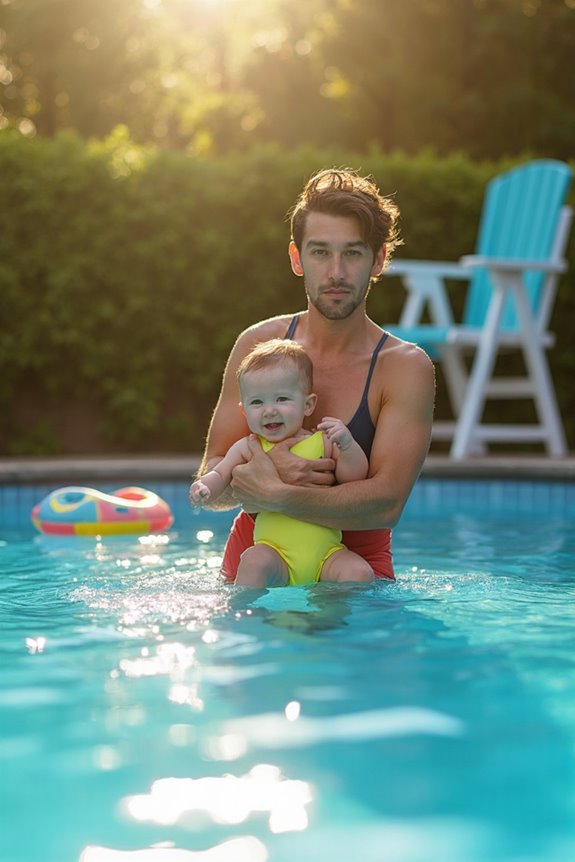
Although introducing your baby to the water can be a joyful experience, ensuring their safety is paramount. We can’t stress enough the supervision importance when it comes to water activities. Babies and toddlers should always be within arm’s reach, allowing for immediate assistance if needed. Designating a Water Watcher—an adult focused solely on supervising—ensures continuous vigilance, as drowning can occur quickly and silently.
Safety awareness extends beyond mere presence. Swim lessons, while not a substitute for supervision, enhance safety. Here are some key points to remember:
- No Unattended Time: Never leave children alone, even momentarily.
- Swim Lessons: Early lessons can reduce drowning risks.
- Drain Safety: Keep children away from drains to prevent entrapment.
Ensuring a Safe Pool Environment
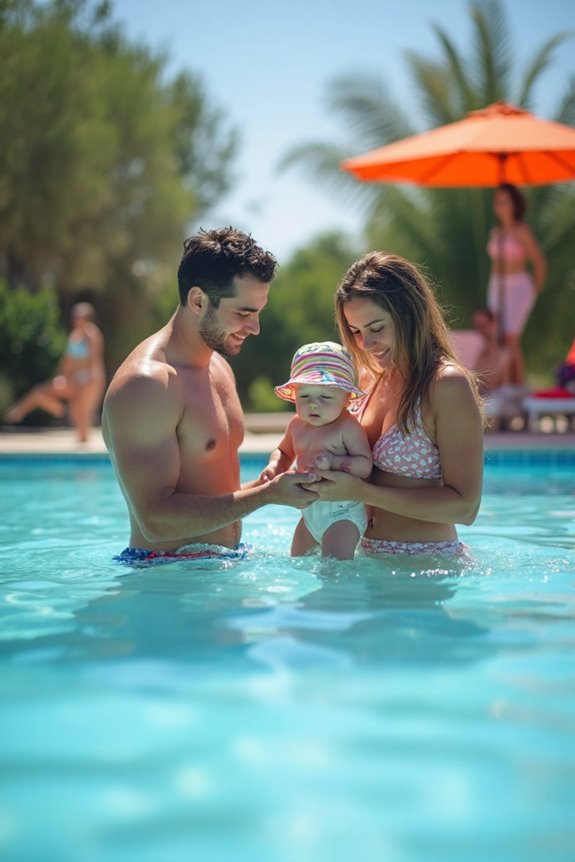
Let’s talk about creating a safe pool environment, because keeping our little ones secure while they enjoy the water is as important as watching them closely. Together, we can ensure safety by focusing on pool fencing and gate requirements. Here’s what we need to do:
- Pool Fencing: Install barriers at least 4 feet high with openings no wider than 4 inches to prevent unauthorized access.
- Gate Requirements: Use self-closing, self-latching gates that open away from the pool. Latches should be 54 inches off the ground.
Regular maintenance is crucial. Check fence integrity and ensure gates function properly. Also, consider additional safety measures like pool alarms. By prioritizing these steps, we create a welcoming, secure space for our children to enjoy the water safely.
Recommended Products

NOTE: SUPER LOUD--140 dB, if you use it indoors, you may feel too noisy.The volume can't be controlled.
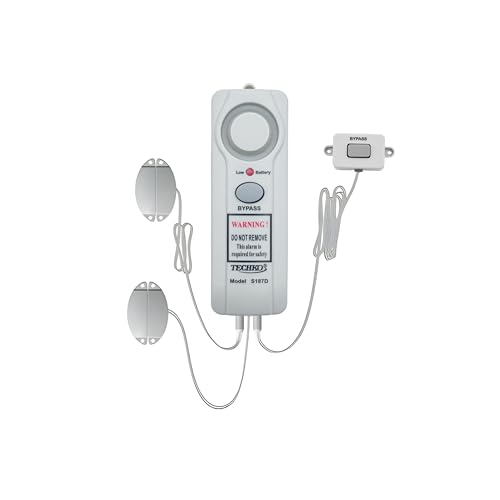
Pass Pool Inspections: Compliant with UL 2017 safety standards & Child Pool Safety Law.

【Quick Alarm】When the distance between the alarm and the magnetic sensor exceeds 0.78 inches, the door alarm will sound an alarm and the LED light will come on, TECKNET alarm system for home security can quickly alert you to any abnormality of the door and window.
Recommended Water Activities for Babies
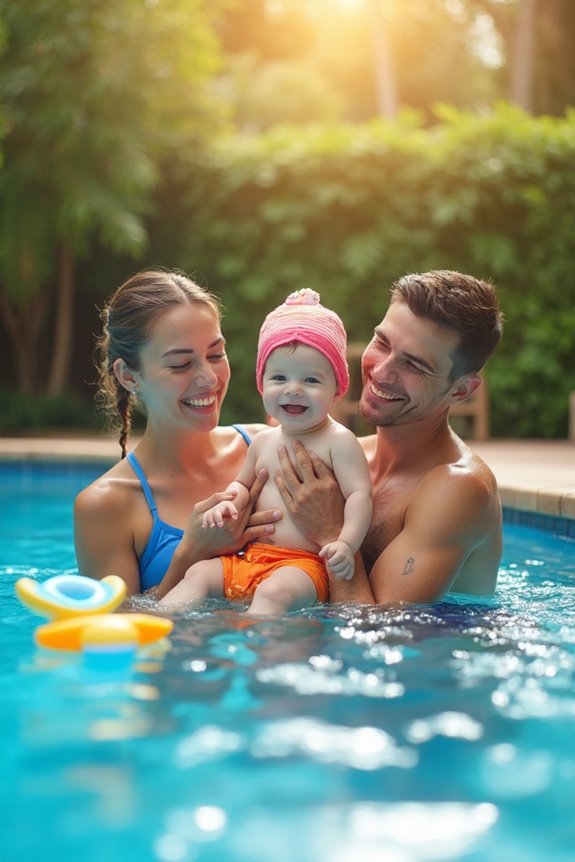
Exploring water activities with your baby can be both fun and beneficial, offering a world of sensory and developmental opportunities. Let’s dive into some engaging options:
- Basin or Bowl Play: This simple setup lets babies experience water exploration by splashing and feeling textures.
- Paddle Pool Activities: A paddle pool provides a safe, controlled environment for sensory activities, perfect for curious little minds.
- Water Tables: Ideal for older babies, these tables encourage hand-eye coordination and motor skills through interactive play.
- Sensory Bins: Adding toys to water bins enhances exploration, introducing concepts like buoyancy.
- Outdoor Play: Shallow pools under supervision offer joyful water exploration, fostering social interaction and cognitive growth.
Selecting the Right Safety Equipment
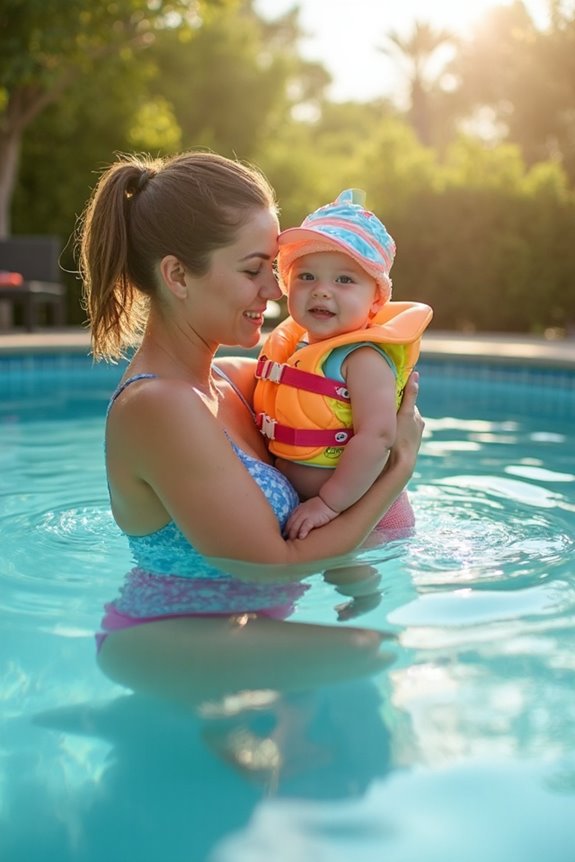
When we think about keeping our little ones safe around water, selecting the right safety equipment becomes crucial. Let’s explore important equipment types:
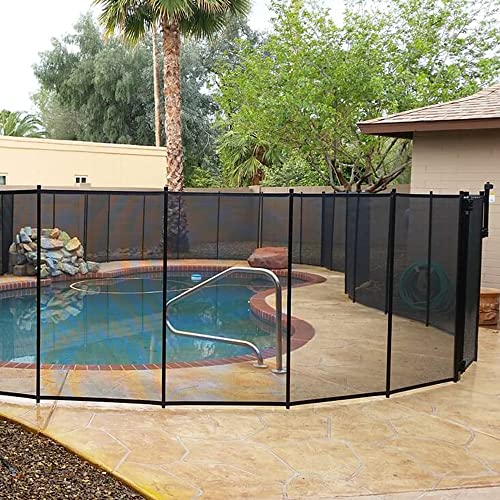
- Four-Sided Fencing: A fence that’s at least 4 feet high with self-closing gates is vital. It should enclose the pool completely, preventing climbing.
- Mesh Pool Fences and Safety Nets: These offer durable barriers. Safety nets, installed professionally, catch children if they fall.
- Alarms: Pool, door, and gate alarms alert us to unsupervised access, providing an early warning system.
- Pool Covers and Drain Safety: Maintain power safety covers and ensure drain grates meet standards to avoid entrapment.
- Life Jackets: A snug, Coast Guard-approved life jacket is essential, but not a substitute for supervision.
Selecting the right safety gear keeps our precious ones protected.
Recommended Products
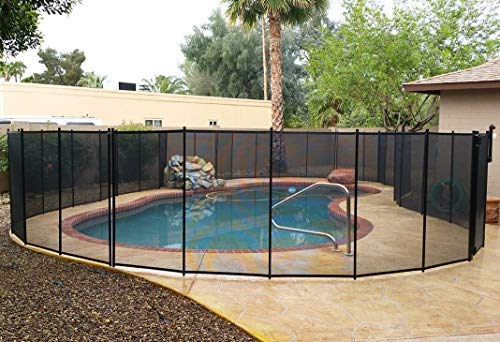

Easy to Install . VINGLI fence section comes complete with hardware and clear instructions, the 5/8'' drill bit is needed to drill holes. It is easy to install as long as you follow the instructions and use the recommended drill. Note: You can also make a fence at the interface to use as the door.
Preparing for Pool Time With Your Baby
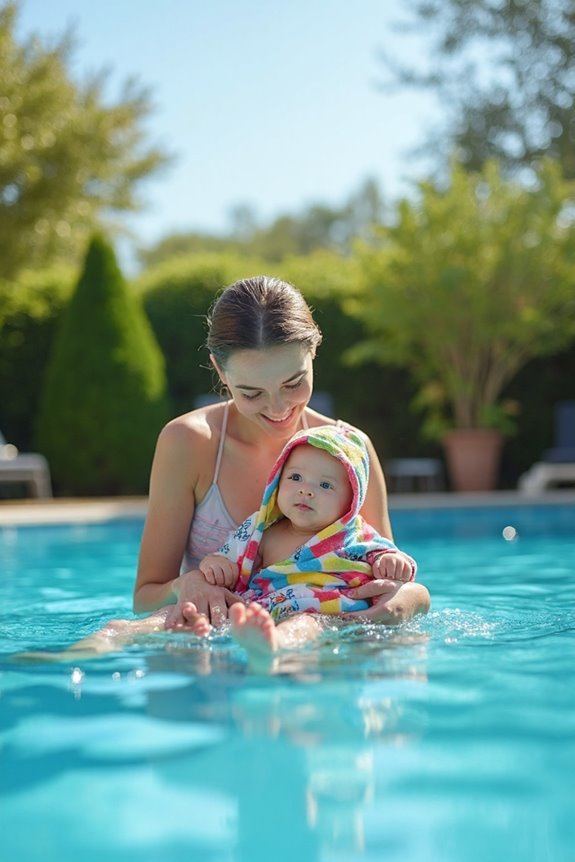
As we get ready to take our little ones to the pool, ensuring a safe and enjoyable experience involves careful preparation. First, let’s focus on water acclimation. Introducing our babies to the pool should be a gradual process. Start by letting them dip their toes in, helping them feel the water’s texture and temperature.
To ensure their comfort, choose pools with water temperatures between 86°F (30°C) and 92°F (33°C). Shallow pools are ideal, allowing us to hold our babies securely while they explore. Remember, continuous supervision is key. An adult should always be present, ready to provide support.
Finally, using waterproof diapers helps maintain hygiene without compromising our little ones’ comfort. Let’s make pool time a delightful experience for everyone involved!
Recommended Products
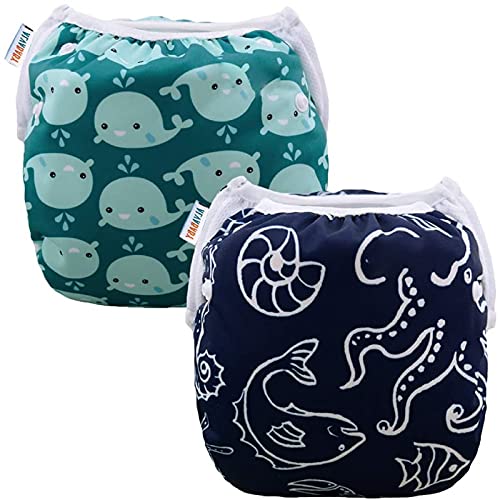
FASHION & STYLISH -A trim and attractive design that has a terrific fit on most babies. It can accommodate a range of different body shapes.


Wegreeco Swim Diaper: Size Large is great for baby nine months - three years old, weight 20-40 lbs; Size Small is great for baby 0-8 months, weight 10-19 lbs, if the baby is thin, we suggest size S
Maintaining Pool Hygiene and Cleanliness
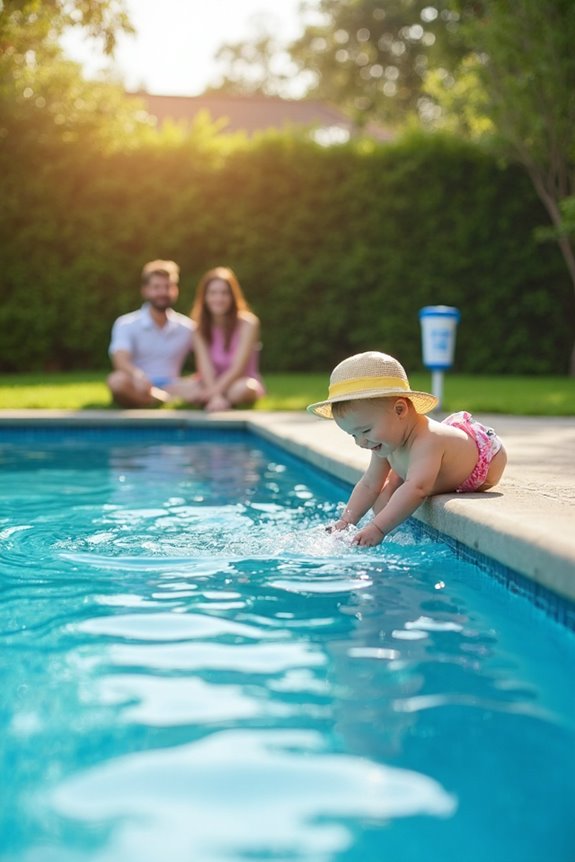
Keeping our pool clean and hygienic is just as important as preparing for pool time with our baby. We must ensure regular pool cleaning to prevent bacterial growth and maintain water clarity. Testing the water’s pH and chlorine levels frequently helps us achieve the right chemical balance, ensuring a safe swimming environment. Let’s not forget about our pool filter system—it should be working efficiently to remove any contaminants.
Here’s a quick checklist:
- Skim and vacuum the pool regularly to clear debris.
- Keep the pool area clean to avoid tripping hazards.
- Inspect slip-resistant surfaces to prevent falls.
Recommended Products
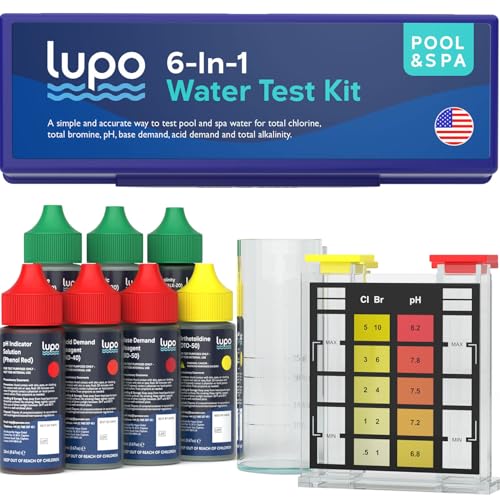
6-IN-1 POOL TESTING KIT: An easy-to-use, accurate pool test kit for testing six essential water quality parameters in residential pools and spas: Total Chlorine, Total Bromine, pH, Base Demand, Acid Demand and Total Alkalinity. Includes reagents for 100 tests, helping keep your water safe and balanced.

7 Way: These test strips for pools and spas read 7 different chemicals in the water. The pool strips test 7 way offer clear readings in daylight and come with detailed instructions
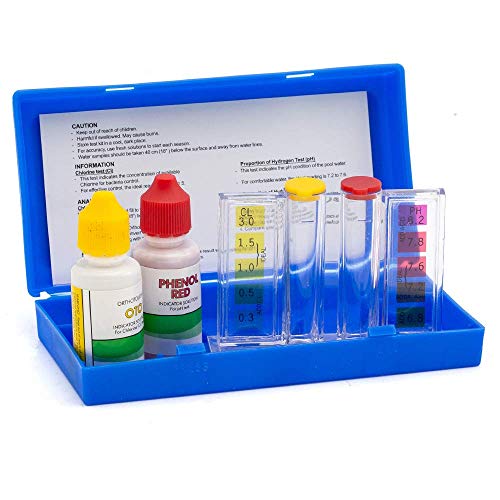
2 Way Pool Water Test Kit For Test For OTO, CL, and PH Level
Emergency Preparedness and Response
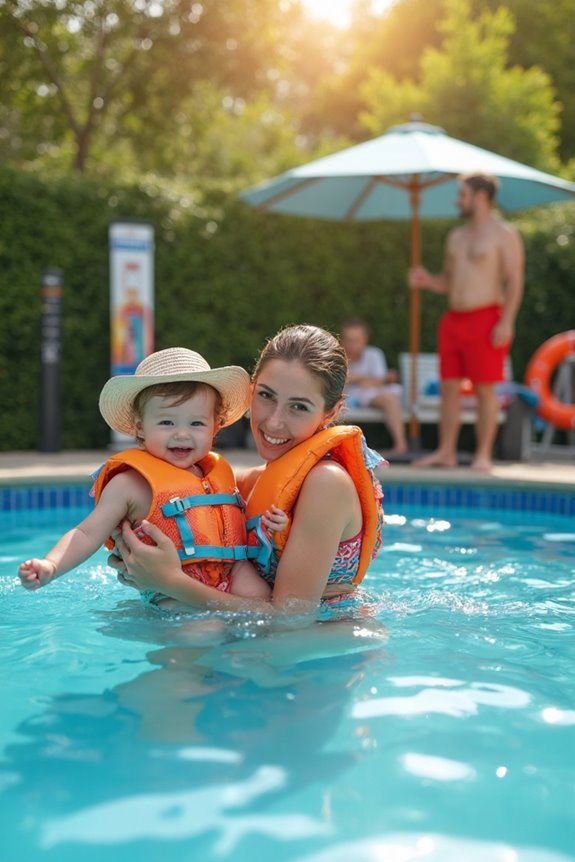
Ensuring our babies’ safety in and around the pool is a responsibility we can’t take lightly. We need to be prepared for any situation, and having a solid response plan is essential. Here’s how we can be ready:
- Emergency Contact: Keep a list of emergency numbers by the pool.
- Supervision: Always have an adult actively watching the water.
- CPR Training: Get certified and practice regularly to ensure we’re ready to act.
- First Aid Kit: Keep it stocked and nearby.
- Secure Fencing: Prevent unsupervised access with proper barriers.
Understanding these steps helps us act quickly and stay calm during emergencies. By preparing, we’re not just protecting our little ones; we’re ensuring their pool experiences are safe and enjoyable.
Recommended Products

ESSENTIALS FOR EMERGENCY: Everything you need is in this first aid kit! Our kit includes over 150 professional-grade medical and safety supplies, all kinds of bandages, gloves, povidone-lodine prep pad, metal tweezers, tourniquet, etc. 100% latex free

[Durable First Aid Bag] YIDERBO first aid bag is made by high quality EVA which is water resistant, shockproof and wear resistant. Thanks to its compact dimension, it is ideal for taking with you when travelling, hiking, skiing, camping, in the car, backpack, handbag and outdoor adventures. It is also perfect for extended use.
Frequently Asked Questions
Can Babies Wear Sunscreen While in the Pool?
We’re here to guide you, so let’s dive in! For babies over six months, water-resistant sunscreen types are key. Apply generously, avoiding eyes, and reapply every two hours or after swimming for optimal protection. Stay sun-safe together!
How Do I Know if My Baby Enjoys the Water?
We can tell if our baby enjoys the water by observing their reactions. Look for signs like giggling, smiling, and voluntary movement. These infant swimming preferences show they’re comfortable and having fun in the pool.
Are There Specific Signs of Water-Related Distress in Babies?
Let’s talk baby safety and water awareness. We should watch for signs like lack of response, panicked movements, or unusual sounds. Our little one’s safety matters most, so let’s keep them within arm’s reach and stay attentive.
What Should I Pack for a Baby’s Pool Day?
Let’s make sure we’ve got everything for our little one’s pool day! Pack baby swim gear like swim diapers and sun hats, along with pool safety essentials: extra towels, sunscreen, waterproof bags, and a first aid kit. Enjoy!
How Often Should I Rehydrate My Baby During Pool Time?
Let’s ensure a safe pool experience by following a hydration schedule. We should rehydrate our baby every 15-20 minutes, keeping a close eye on signs of thirst. Pool safety is about staying vigilant and responsive to their needs.