As an Amazon Associate, we earn from qualifying purchases. Some links on this site are affiliate links at no extra cost to you. Our recommendations are based on thorough research and editorial judgment.


When to Take Your Baby With RSV to the ER?

If your baby with RSV shows severe symptoms like rapid, shallow breathing, cyanosis, or decreased activity, it’s time to head to the ER. Watch for chest retractions, nasal flaring, and wheezing—signs of respiratory distress. Dehydration is another warning: fewer wet diapers, sunken eyes, or dry mouth. For babies, maintaining oxygen levels is vital, with anything below 89% being concerning. RSV can escalate quickly, and recognizing these signs early can prevent complications. Let’s explore more.
Key Takeaways
- Take your baby to the ER if they show severe breathing difficulties like short, shallow breaths or chest retractions.
- Seek emergency care if your baby exhibits a bluish tint to their skin, lips, or nails.
- Visit the ER if your baby has fewer than one wet diaper every eight hours, indicating dehydration.
- Go to the ER if your baby is unusually lethargic or significantly less active than normal.
- Consult emergency services if oxygen saturation levels fall below 89% or breathing issues worsen.
Recognizing Severe RSV Symptoms
You may be interested



Have you ever wondered how to spot severe RSV symptoms in your baby? It’s crucial to recognize these signs early to prevent RSV complications. We need to look for:
- Short, Shallow Breathing: If your baby breathes rapidly or with difficulty, it’s a red flag.
- Chest Retractions and Nasal Flaring: These indicate respiratory distress.
- Cyanosis: A bluish tint to skin, lips, or nails signals low oxygen.
- Wheezing: A high-pitched sound during exhalation suggests blocked airways.
Understanding these signs helps us act quickly. Severe symptoms might lead to complications like pneumonia or bronchiolitis. Babies, especially those under six months, are more vulnerable. By staying informed, we can ensure their safety and seek medical help when needed.
Recommended Products

Pulse Oximeter Medical Grade with Fast & Accurate Readings: This medical grade handheld pulse oximeter with a soft wrap probe provides fast, accurate SpO2, PR and respiration rate readings (SpO2: 0-100% ±2%; PR: 25-250 bpm ±2%/2bpm). It delivers clear results in 8-10 seconds, suitable for infant pulse oximeter use, toddler oximeter, and adult finger sensor for continuous monitoring & spot-checking.

Small Finger Chamber: Designed with a compact fingertip space for a comfortable fit, paired with a cute panda look for a friendly user experience.

[Know your Baby's Sleep] Tracks your baby's heart rate, average oxygen level and movement overnight, could be your good helper to know your baby sleep.
Understanding Respiratory Distress
Understanding respiratory distress in infants is crucial, especially when illnesses like RSV are involved. We know that respiratory infections can cause breathing difficulties, which can escalate quickly. Recognizing the symptoms of respiratory distress ensures we act promptly.
- Definition: It’s when breathing becomes tough, often because of inflammation or infection.
- Causes: RSV inflames the small airways in the lungs, leading to distress.
- Symptoms: Look for rapid breathing, nasal flaring, and wheezing.
- Complications: If untreated, issues like pneumonia or bronchiolitis may develop.
- Indicators for Emergency Care: Watch for fast, shallow breathing. It’s a sign to seek immediate help.
Recommended Products
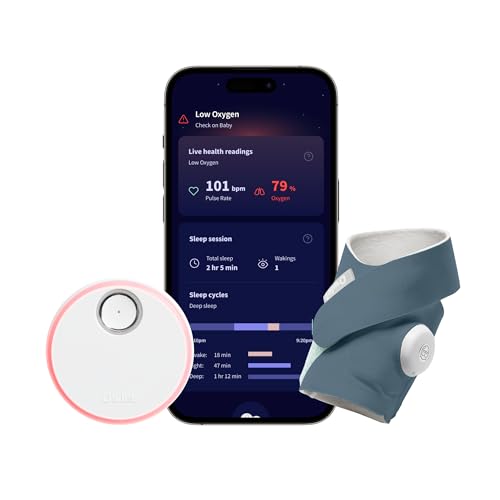
What is Owlet Dream Sock? Dream Sock is the #1 best selling smart baby monitor (Source: Circana, Jan–Dec 2025) in the US that tracks your baby's pulse rate and oxygen levels in real-time and sends alerts when those readings leave the preset zones, delivering priceless peace of mind so the whole family can sleep better.
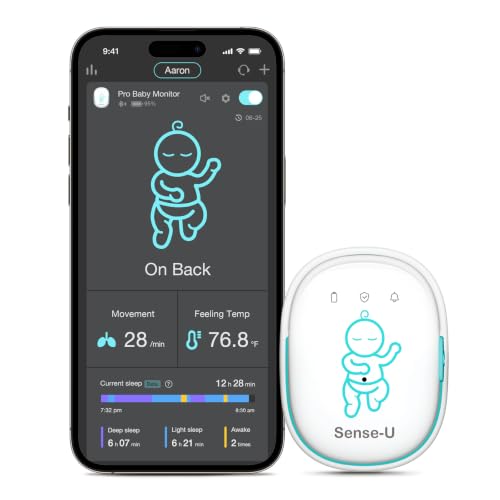
SMART BABY BREATHING & SLEEP MONITOR: Track your baby’s abdominal movement, sleep position, and feeling temperature trends to stay informed day and night. Receive timely notifications through the app or audible alerts if your baby rolls over or shows signs of feeling warm.

Movement-based notifications – The Hero SE is designed to provide a Vibration Notification if no movement activity is detected for 15 seconds. If no movement activity is detected for a further 5 seconds, an Audible Notification sounds so that you can check on your child, confirm that movement activity is present, and verify that the device is correctly positioned.
Identifying Signs of Dehydration
Dehydration is a concern we should take seriously, especially when our babies are sick with RSV. Let’s talk about identifying dehydration signs and explore hydration strategies for dehydration prevention.
- Fewer wet diapers: If your little one has fewer than one every eight hours, it’s a red flag.
- Dry mouth: Noticeable lack of saliva is another sign.
- Sunken eyes: A visible change in eye shape can indicate dehydration.
- Less tear production: Reduced tears when crying signal a need for more fluids.
- Decreased urine output: If urine output has declined noticeably, it’s time to act.
Recommended Products

ELECTROLYTES: Feel your best. Amazon Basic Care Mixed Fruit Electrolyte Solution is an electrolyte drink designed to help restore electrolytes and fluids. A full-flavored hydration option for adults and children. Compare to Pedialyte
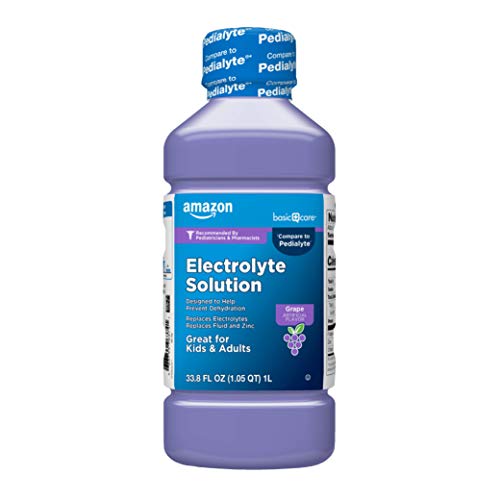
ELECTROLYTES: Feel your best. Amazon Basic Care Grape Electrolyte Solution is an electrolyte drink designed to help restore electrolytes and fluids. A full-flavored hydration option for adults and children. Compare to Pedialyte

ELECTROLYTES AND ZINC: Electrolytes are minerals that are important to keep your body hydrated; Amazon Basic Care Unflavored Electrolyte Solution with zinc is for children and adults; compare to Pedialyte
Noticing Changes in Activity Levels

When our babies catch RSV, it’s crucial we pay attention to any changes in their activity levels, as these can signal how the illness is affecting them. We might notice they become more irritable or fussy, which are signs of discomfort. If they’re less active or seem unusually tired, this could indicate fatigue setting in.
- Irritability: Look for increased fussiness, a common reaction to discomfort.
- Decreased Activity: Watch for lethargy, which can appear as unusual quietness or less movement.
RSV symptoms often start mild, like a common cold, but can worsen. If activity changes are significant or persistent, it’s important to seek medical advice. Sometimes, these changes are early indicators of complications needing immediate attention. Always trust your instincts; you know your baby best.
Recommended Products

ULTIMATE PEACE OF MIND: Featuring patented Wakeup Technology to continually monitor abdominal movement and alert parents if no abdominal movement is detected, the Oma Sense smart baby monitor is a wearable baby monitor for infants that offers priceless peace of mind. Because we know being a parent can be hard enough.

Babysense monitors and detects baby's movements through the mattress.

BUNDLE PACK: BABYSENSE VIDEO BABY MONITOR V24R combined with BABYSENSE 7 Baby Movement Monitor - Provides Optimal Monitoring
Monitoring Oxygenation Issues
As concerned parents, we understand the significance of keeping a close eye on our baby’s oxygenation levels when they have RSV. Monitoring oxygen saturation is crucial. A reading above 89% is generally acceptable, according to the American Academy of Pediatrics. Let’s discuss some practical monitoring techniques:
- Pulse Oximetry: This non-invasive method helps us easily track oxygen saturation levels at home.
- Signs to Watch: Look for cyanosis (blue-tinged skin) or increased respiratory distress, which can signal low oxygen saturation.
In severe cases, these signs may indicate the need for oxygen therapy. By staying vigilant and using these techniques, we can quickly address any issues and seek medical help if needed, ensuring our little ones get the care they deserve.
Recommended Products
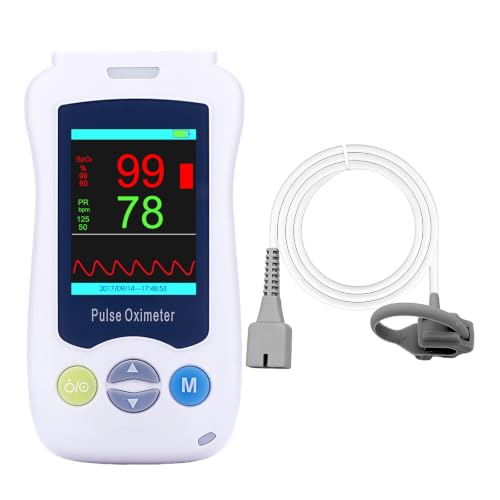
HANDHELD PULSE OXIMETER - Manhero blood oxygen monitor uses advanced pulse tickle sensor to measure SpO2 and PR more accurately. Continuous baby pulse oximeter measurements will be displayed in about 8-10 seconds. With the SpO2 measuring range of 0~100% and an accuracy of 1%. The PR measuring range is 25~250 bpm, with an accuracy of 1% or 1 bpm

DESIGNED SPECIALLY FOR SMALL FINGERS – Recommended finger thickness for proper use is 0.2-0.6 inch (5-16 mm).

Get 24 Pulse Oximeter Probe Wraps: embrace a sufficient and comfortable solution to your daily optical transducer wrapping needs, obtain 24 pulse oximeter probe wraps, sufficient to fulfill your everyday replacement necessities, whether you need it for a neonatal foot, infant toe, or a pediatric or adult finger, this package has got you covered
Considering Age and Vulnerability Factors

While keeping an eye on our baby’s oxygenation levels is important, it’s equally vital to consider age and vulnerability factors that might increase the risk of serious RSV complications. Age considerations play a crucial role:
- Preterm Infants: These little ones have smaller airways and less developed immune systems.
- Under Two Years: At this tender age, children are more prone to severe infections.
- Seasonal Influence: Younger children face higher risks during peak RSV months.
Vulnerability assessment is key for preterm babies, who often have immature lungs and low birth weights, making them candidates for hospitalization. Let’s also be mindful of environmental factors, like daycare attendance, which can heighten exposure risks. Recognizing these nuances helps us act swiftly, ensuring our baby’s safety and well-being.
Frequently Asked Questions
How Can I Prevent My Baby From Getting RSV?
Think of RSV prevention like building a fortress for our little ones. We can strengthen defenses with RSV vaccination options and fortify walls through diligent hygiene practices. Let’s protect our babies with knowledge and care.
Is RSV Contagious to Adults and Older Children?
Yes, RSV is contagious to adults and older children. While symptoms are usually milder, they can still spread the virus. Let’s practice good hygiene and stay informed about RSV transmission to protect our loved ones.
What Are the Home Care Tips for Mild RSV?
Let’s focus on home remedies for mild RSV. We’ll keep our baby hydrated, use a humidifier for better breathing, and ensure plenty of rest. For symptom management, we’ll manage fever with medications and monitor their condition closely.
When Should I Follow up With a Pediatrician After an ER Visit?
Isn’t it curious how essential timely follow-ups are? After an ER visit, let’s schedule a post-ER follow-up with our pediatrician. Their recommendations ensure our baby’s recovery and help us spot any changes quickly.
Are There Any Long-Term Effects of RSV in Infants?
We understand your concern. Long-term complications from RSV in infants can include persistent respiratory issues, such as asthma and decreased lung function. Let’s stay informed and vigilant to support our little ones’ health together.