As an Amazon Associate, we earn from qualifying purchases. Some links on this site are affiliate links at no extra cost to you. Our recommendations are based on thorough research and editorial judgment.

Can Babies Have Pedialyte? When It’s Safe to Use

Yes, babies can have Pedialyte, but it’s vital we follow age-related guidelines. For infants under 6 months, stick to breast milk or formula. Between 6 months and a year, consult a pediatrician for safe use. Older babies, over 10 months, may use Pedialyte for mild dehydration with guidance. Remember, always monitor portions, especially in young infants. If you’d like to learn about dosage, recommendations, and potential signs of intolerance, explore further!
Key Takeaways
- Infants under 6 months should avoid Pedialyte; focus on breastfeeding or formula instead.
- For infants 6 to 10 months, use Pedialyte only with a doctor’s guidance due to dehydration risks.
- Pedialyte is safer for infants over 10 months to manage mild dehydration with pediatrician advice.
- Dosage should be 100–150 mL/kg based on weight; consult a physician for infants under 1 year.
- Seek medical attention if vomiting lasts over 12 hours or if severe dehydration signs appear.
Age Recommendations for Pedialyte Use
You may be interested



When should you consider giving Pedialyte to your baby? We know it’s crucial to maintain infant hydration and electrolyte balance, especially when they’re under 1 year old. Here’s how we can navigate age recommendations for Pedialyte use:
- Infants Under 6 Months: Avoid Pedialyte. Instead, focus on breastfeeding or formula.
- 6 to 10 Months: Use only with a doctor’s guidance due to dehydration risks.
- Over 10 Months: With careful pediatrician advice, Pedialyte can help manage mild dehydration.
- Over 1 Year: Generally safer for light dehydration, but still consult when unsure.
Our little ones are vulnerable, so let’s ensure any decisions about Pedialyte involve a pediatrician to keep their electrolyte levels balanced and healthy.
Recommended Products

ELECTROLYTES: Feel your best. Amazon Basic Care Mixed Fruit Electrolyte Solution is an electrolyte drink designed to help restore electrolytes and fluids. A full-flavored hydration option for adults and children. Compare to Pedialyte

ELECTROLYTES AND ZINC: Electrolytes are minerals that are important to keep your body hydrated; Amazon Basic Care Unflavored Electrolyte Solution with zinc is for children and adults; compare to Pedialyte
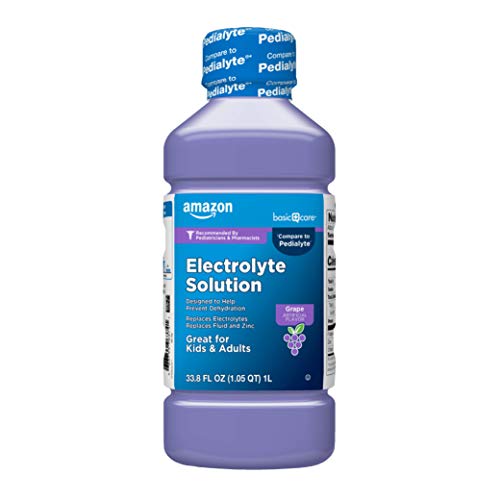
ELECTROLYTES: Feel your best. Amazon Basic Care Grape Electrolyte Solution is an electrolyte drink designed to help restore electrolytes and fluids. A full-flavored hydration option for adults and children. Compare to Pedialyte
Appropriate Dosage and Administration
To provide our babies with the right care, knowing the appropriate dosage and administration of Pedialyte is key. Let’s dive into these aspects with a caring approach.
- Dosage Guidelines:
- For maintenance, give 100–150 mL/kg based on the child’s weight.
- For instance, a 3 kg infant needs 300–450 mL daily.
- Always consult a physician for infants under 1 year.
- Administration Frequency:
- Offer in small, frequent sips every 15 minutes if tolerated.
- Adjust volume per dose based on the child’s thirst and tolerance.
- Watch for signs of intolerance like vomiting or refusal.
Recommended Products

RAPIDLY RESTORES ELECTROLYTES: Has 2x electrolytes and 75% less sugar vs the leading sports drink (Pedialyte AdvancedCare liquid liters have 1080mg sodium and 13g sugars per liter; leading sports drink has460mg sodium and58g sugars per liter)

WITH PREBIOTICS: Amazon Basic Care Advantage Care electrolyte drinks include PreVital Prebiotics for advanced rehydration with prebiotics to help support the digestive system. Compare to Pedialyte AdvancedCare

RAPIDLY RESTORES ELECTROLYTES: Has 2x electrolytes and 75% less sugar vs the leading sports drink (Pedialyte AdvancedCare liquid liters have 1080mg sodium and 13g sugars per liter; leading sports drink has460mg sodium and58g sugars per liter)
Understanding the Risks for Young Infants
While it’s common to reach for Pedialyte when a little one seems dehydrated, we need to understand the risks involved, especially for infants under 1 year. Young infants are particularly vulnerable to dehydration due to their small body size and rapid fluid loss. It’s crucial to use Pedialyte under medical supervision, as their systems are sensitive to other fluids.
- Infants Under 6 Months: Stick to breast milk or formula to avoid complications.
- Infants 6 Months to 1 Year: Medical guidance is necessary before introducing Pedialyte.
Recommended Products

HYDRATE AND FEEL BETTER FAST: Pedialyte electrolyte solution is designed to replace fluids and electrolytes more effectively than common beverages like some sports drinks, juices, water, and sodas

Electrolyte Blend Formula: Contains a mix of key electrolytes and sugar for hydration

HYDRATE AND FEEL BETTER FAST: Pedialyte electrolyte solution is designed to replace fluids and electrolytes more effectively than common beverages like some sports drinks, juices, water, and sodas
When to Seek Medical Attention
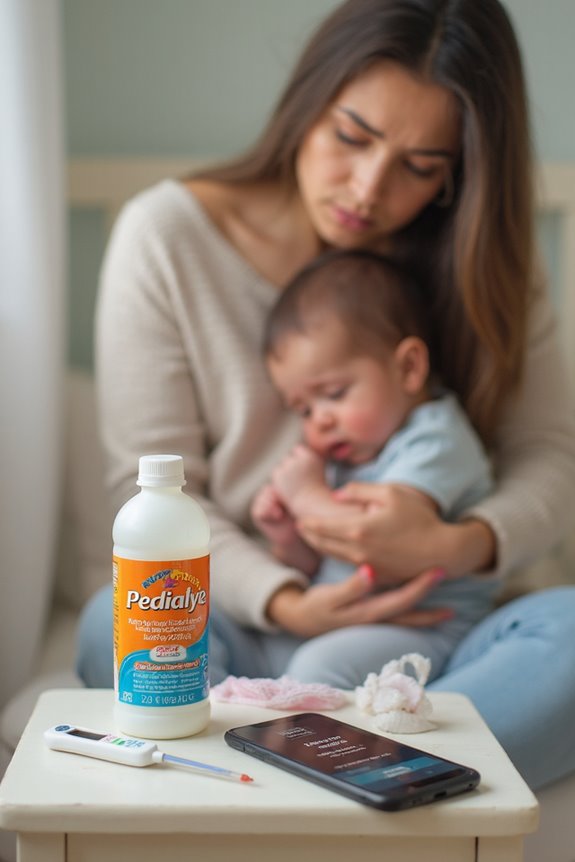
Recognizing when it’s time to seek medical attention for your baby is vital, especially if they’re experiencing symptoms like vomiting or diarrhea. We need to watch for specific vomiting concerns and diarrhea signs to ensure our little ones stay safe. Here’s when to consult a doctor:
- Vomiting Concerns:
- Vomiting lasts over 12 hours.
- Vomit is bright green, red, or brown.
- Fever over 102°F accompanies vomiting.
- Multiple vomiting episodes in 24 hours.
- Diarrhea Signs:
- Diarrhea lasts more than 8 hours.
- Blood in diarrhea.
- Frequent, severe diarrhea with a fever.
- Signs of severe dehydration like sunken eyes.
If these symptoms arise, it’s crucial to act promptly. Our vigilance can make all the difference in our baby’s health.
Recommended Products

CHILDREN'S IMMUNE SUPPORT: This organic apple-citrus electrolyte solution helps to restore zinc and encourage immune system support
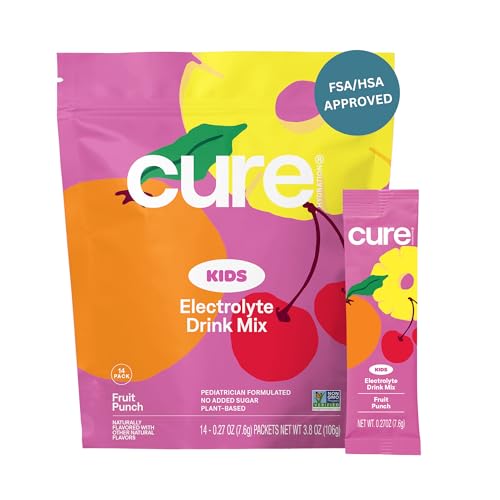
SCIENTIFICALLY BACKED, KID-FRIENDLY FORMULA: Pediatrician Formulated, based on the World Health Organization’s formula for Oral Rehydration Solution (ORS), the gold standard of rehydration. Kid-approved taste, with a formula parents can trust.

HYDRATE AND FEEL BETTER FAST: Pedialyte electrolyte solution is designed to replace fluids and electrolytes more effectively than common beverages like some sports drinks, juices, water, and sodas
Benefits of Pedialyte for Hydration
When it comes to keeping our little ones hydrated, Pedialyte offers several notable benefits. We can count on its rapid rehydration and efficient electrolyte balance to restore essential minerals like sodium, potassium, and chloride—crucial for nerve and muscle function, especially after vomiting or diarrhea.
- Safe and Gentle: Perfect for babies’ sensitive tummies, it’s a gentle option when they’re feeling off.
- Supports Wellness: Besides maintaining hydration, it aids in circulation and digestion.
- Versatile Use: Whether they’re dehydrated from illness or a hot day, Pedialyte steps in effectively.
Unlike water, it provides vital electrolytes, making it a superior choice, and its low sugar content ensures it’s healthier than sugary drinks. Remember, it’s readily available and doesn’t require a prescription.
Common Misconceptions About Pedialyte
How often have we heard someone say Pedialyte is just for kids or that it’s a magic fix for hangovers? Let’s debunk these Pedialyte myths together.
- Not Just for Kids: Pedialyte benefits adults too, offering more sodium than sports drinks, ideal for severe dehydration. It’s a go-to for those recovering from hangovers or intense workouts.
- Hangover Cure-All?: While it helps with dehydration, it’s not a hangover cure. Replenishing electrolytes doesn’t eliminate all symptoms.
- Misunderstood Ingredients: Despite claims, Pedialyte contains dextrose, not being sugar-free. Artificial sweeteners are also present, except in organic versions.
Frequently Asked Questions
Can Pedialyte Be Mixed With Baby Food?
Did you know 60% of our body is water? While mixing Pedialyte with baby food isn’t recommended, its hydration benefits are crucial during illness. Let’s always prioritize health by consulting a pediatrician for safe use.
Is Pedialyte Suitable for Babies With Allergies?
Let’s consider if Pedialyte’s suitable for babies with allergies. We should monitor allergy symptoms and check ingredient safety carefully. Consulting our healthcare provider ensures we’re making the best choice for our little one’s well-being.
How Should Pedialyte Be Stored After Opening?
Let’s chat about proper storage. We refrigerate Pedialyte immediately, use it within 48 hours, and keep it away from heat. This ensures a longer shelf life. Remember, our little ones’ health depends on our careful actions.
Can Pedialyte Be Used for Teething Relief?
We understand you’re wondering if Pedialyte helps with teething symptoms. It doesn’t alleviate teething pain but is a great hydration option if diarrhea causes dehydration. For teething relief, consider cold teething toys or over-the-counter solutions.
Are There Any Pedialyte Alternatives for Lactose Intolerant Babies?
Let’s dive into a sea of lactose-free options, where homemade electrolyte drinks become our life raft. Together, we can ensure our little ones stay hydrated without dairy, using simple, effective alternatives that feel like a warm embrace.