As an Amazon Associate, we earn from qualifying purchases. Some links on this site are affiliate links at no extra cost to you. Our recommendations are based on thorough research and editorial judgment.


When to Worry About Baby Congestion: Signs to Watch For

We understand how worrying baby congestion can be. Let’s watch for signs like persistent cough, discomfort in breathing, or fever over 100.4°F. If congestion lasts more than two weeks or if your baby has thick green nasal discharge, consult a professional. Rapid breathing, wheezing, a bluish tint around the lips, and refusal to eat require immediate medical attention. Keeping an eye on dehydration signs, like fewer wet diapers, is essential. You’ll gain more helpful insights next.
Key Takeaways
- Persistent congestion lasting beyond two weeks requires medical evaluation.
- Breathing difficulties, such as rapid or labored breathing, warrant immediate attention.
- Thick, green, or yellow nasal discharge may indicate an infection.
- Fever exceeding 100.4°F in infants older than 3 months should be evaluated.
- Signs of severe distress, like a bluish tint around lips, need urgent medical care.
Recognizing Nasal Congestion Symptoms
You may be interested



When it comes to recognizing nasal congestion symptoms in babies, understanding the signs can help us address their discomfort early. We notice the stuffy or runny nose, and perhaps even sniffling, snoring, or noisy breathing while they sleep. These signs can affect baby comfort, making them irritable or fussy. To ease these symptoms, soothing techniques like using a humidifier or gently clearing nasal passages with saline drops can be quite effective.
Common causes include viral infections, allergies, or dry air. If nasal discharge thickens or turns yellow or green, it might indicate an infection. Observing how congestion impacts feeding and sleep helps us provide timely care. Remember, we’re in this together, ensuring our little ones are comfortable and content.
Recommended Products

Little Remedies Sterile Saline Nasal Spray and Drops temporarily clears stuffy, dry, or crusty noses and keep baby's nose clear and moisturized

GENTLE, NON-MEDICATED CONGESTION RELIEF: The Frida Baby Saline Mist Spray provides safe, drug-free relief for baby congestion by effectively loosening thick, stubborn boogers and moisturizing dry nasal passages. It’s ideal for babies suffering from allergies, colds, or dry environments.

Mommy's Bliss saline Spray/Drops cleans, moisturizes and soothes delicate nasal passages for little ones (babies)
Identifying Chest Congestion Indicators

How can we tell when a baby’s chest congestion is something to worry about? Let’s listen closely: wheezing sounds, those high-pitched noises when they breathe out, often point to airway obstruction. Grunting noises, on the other hand, suggest strained breathing and could mean respiratory distress. If we’re noticing a persistent cough, it might be a sign of chest congestion, especially when paired with a fever. Additionally, watch for difficult breathing—rapid or labored breaths may indicate a more serious issue.
- Wheezing: High-pitched breathing sound
- Grunting: Strained breathing
- Coughing: Persistent, concerning if paired with fever
- Fever: Possible infection sign
- Difficulty Breathing: Rapid or labored
Recommended Products

Gentle suction clears baby’s breathing passages

EASILY clear baby airway and nasal passages of mucus and congestion to assist in breathing easier and clearer

GENTLE & NON INVASIVE: NoseFrida SnotSucker nasal aspirator for baby ensures comfort by creating a seal with the exterior of the baby's nostril, allowing for gentle and effective suction without intrusion.
Understanding General Congestive Signs

Let’s dive into the general signs of congestion that you might notice in babies. When we see our little ones with congestive symptoms, it’s essential to understand what they mean. Common signs include:
- Runny or Stuffy Nose: Often due to a cold or upper respiratory infection.
- Sniffling and Snoring: Indicating nasal obstruction.
- Coughing and Sneezing: Especially at night, suggesting a cold or irritation.
- Thick or Discolored Mucus: Green or yellow can be infection signs.
Recognizing these symptoms helps us determine when to worry. While a runny nose might be harmless, persistent fever or trouble breathing are infection signs needing attention. By staying informed, we can better care for our babies, knowing when it’s crucial to seek medical help.
Sleep Disruption Signals
Have you noticed any changes in your baby’s sleep patterns lately? It’s important we pay attention to nighttime breathing and sleep disturbances, as they can signal congestion issues.
- Low-pitched snoring: Often harmless, but it may disrupt sleep.
- High-pitched sounds: Could indicate an obstruction, needing medical attention.
- Frequent awakenings: Congestion discomfort often causes more wake-ups.
- Difficulty settling: Babies might struggle to fall back asleep.
- Shorter sleep cycles: Congestion can interrupt sound sleep periods.
- Behavioral changes: Increased irritability or fussiness at night.
These symptoms can affect your baby’s overall sleep quality and well-being. If these signs persist or worsen, it’s wise to consult a pediatrician to address potential underlying issues.
Physical Changes to Monitor

While observing your baby closely, it’s essential to monitor for physical changes that may signal congestion-related distress. We should pay attention to the following physical signs:
- Difficulty Breathing: Listen for snoring or sniffling sounds.
- Nasal Flaring: Look for flared nostrils indicating respiratory effort.
- Mouth Breathing: Watch for dry lips and potential oral health issues.
- Blue-Colored Skin: Notice any bluish tint under the eyes or around the mouth.
Feeding difficulties often accompany these signs. If your little one faces trouble nursing or shows a decreased appetite, it might be due to discomfort from congestion. Bottle feeding may become challenging, with increased risks of choking or gagging. These issues can lead to weight loss concerns, so let’s keep a careful eye on these changes.
Common Causes of Nasal Congestion

When it comes to understanding the common causes of nasal congestion in babies, it’s crucial to recognize the various factors that can contribute to this issue. Viral infections like the common cold are frequent culprits. We should also consider environmental irritants—such as air pollutants and tobacco smoke—that irritate tiny nasal passages. Allergic reactions to pollen, dust mites, or pet dander are other potential causes. Dry air, especially in heated homes during winter, can lead to this discomfort as well. Structural abnormalities, like narrow nasal passages, might make congestion more likely in some infants.
- Viral Infections: Common colds, RSV
- Environmental Irritants: Smoke, pollutants
- Allergic Reactions: Pollen, dust
- Dry Air: Winter months
- Structural Abnormalities: Narrow passages
Recommended Products
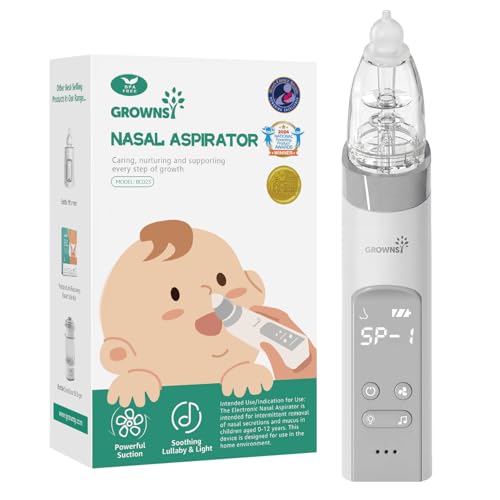
SAFETY AND COMFORT: GROWNSY baby nose sucker is equipped with 3 tips from food-grade silicone, the soft and flexible material ensures it is gentle on your baby's sensitive inner surfaces of the little noses. Select the appropriate silicone tip based on your child's age and nasal size.

RECOMMENDED HOSPITAL GRADE SILICONE EAR SYRINGE & NASAL ASPIRATOR - Made of 100% SILICONE that works effectively to clear fluid or mucus built up within your baby’s nose and/or ear. Not only is it BPA, Phthalate & Latex free, there isn’t even plastic to worry about!

Safe & Efficient Clean-Up: Large-flow electric baby nasal aspirator with three adjustable suction levels you can choose for the moment. Quickly and effectively removes sticky boogers and nasal mucus while your hands stay clean. No mouth suction or bulb syringe needed, designed for babies and toddlers, simple for daily use at home or on the go
Potential Triggers for Chest Congestion

Let’s explore what might trigger chest congestion in babies, building on our understanding of nasal congestion causes.
- Viral Infections: These are common culprits. Viruses like respiratory syncytial virus (RSV) and influenza can lead to significant chest congestion in little ones. Their small airways are particularly vulnerable to such infections.
- Airborne Irritants: Exposure to pollutants, smoke, and allergens can also exacerbate congestion. These irritants can inflame a baby’s delicate respiratory system, causing discomfort and breathing difficulties.
- Environmental Factors: Dramatic changes in weather or humidity can trigger congestion, too. Babies are especially sensitive to these shifts, which can dry out their nasal passages.
Recommended Products

[3-in-1 Humidifier Meets All You Expect] Cool Mist Humidifier+Aromatherapy+Mood Light, purchase for once to satisfy all you expect! Let Homvana H101 be the best companion in your bedroom.

ULTRASONIC COOL MIST HUMIDIFIER: Our baby humidifier converts water into a refreshing mist that runs up to 60 hours. The mist adjuster allows for a customizable experience, with a simple knob twist. The BPA-free water tank helps achieve safety and purity.

𝙁𝙖𝙨𝙩 𝙃𝙪𝙢𝙞𝙙𝙞𝙛𝙞𝙘𝙖𝙩𝙞𝙤𝙣 𝘼𝙡𝙡 𝙉𝙞𝙜𝙝𝙩: Runs for up to 25 hours on low thanks to its SUPER LARGE capacity of 2.5 liters. The soothing moisture helps quickly relief congestion and dry throat.
Warning Signs of Serious Conditions

Recognizing when baby congestion is a cause for concern is crucial for every parent and caregiver. We need to be vigilant about respiratory infections and dehydration signs.
- Respiratory Distress: Watch for rapid breathing, wheezing, or blue discoloration around the lips. Grunting sounds, coughing up blood, and feeding difficulties are red flags.
- Infection Indicators: Persistent fever over 100.4°F, eye or nasal discharge, and signs of ear pain need attention. Increased irritability or lethargy can also suggest an infection.
- Dehydration Signs: Fewer wet diapers, refusal to feed, and dry mouth are concerning. Vomiting after feeding and low energy levels require prompt action.
These signs require immediate medical attention to protect our little ones’ health. Please consult a healthcare provider if you notice any of these symptoms.
Effective Monitoring and Management Techniques
Although baby congestion is common and often manageable, understanding effective monitoring and management techniques is vital for keeping our little ones comfortable and healthy. Let’s explore how we can tackle this together.
Monitoring Techniques:
- Regular Check-Ups: Schedule routine health visits for early detection.
- Vital Signs: Keep an eye on temperature and breathing.
- Symptom Tracking: Note any changes in snoring or coughing.
- Environmental Factors: Limit exposure to allergens and dust.
- Sleep Patterns: Observe disruptions in sleep.
Management Strategies:
- Saline Solutions: Use drops or sprays to loosen mucus.
- Humidifiers: A cool mist humidifier adds moisture, easing congestion.
- Suctioning: A rubber bulb can gently clear nasal passages.
Recommended Products

Little Remedies Sterile Saline Nasal Spray and Drops temporarily clears stuffy, dry, or crusty noses and keep baby's nose clear and moisturized

ALL-IN-ONE BABY NASAL CARE KIT: Includes the original NoseFrida SnotSucker nasal aspirator, a bottle of all-natural saline nasal spray, & 10 extra hygiene filters to provide congestion relief for babies & toddlers. Your go-to solution for colds, & flus

Little Remedies Sterile Saline Nasal Spray temporarily relieves stuffy, dry, or crusty noses and keeps baby's nose clear and moisturized
When to Consult a Healthcare Professional

How do we know when it’s time to call a healthcare professional about our baby’s congestion? By focusing on symptom assessment, we can determine when to seek help. If our little one is struggling to breathe, has a bluish tint around the lips or nails, or is refusing to eat, it’s crucial to act promptly.
Consider reaching out if the congestion persists beyond two weeks, or if there’s a persistent cough or thick, green discharge. High-risk infants or those under 3 months with any congestion need careful monitoring. When fever exceeds 100.4°F, especially in infants older than 3 months, consultation is wise.
Exploring treatment options with a professional helps us ensure our baby receives appropriate care tailored to their needs.
Frequently Asked Questions
Can Teething Cause Congestion in Babies?
Imagine teething as a gentle storm, causing waves of symptoms like drooling and chewing. While it stirs congestion indirectly, remedies like teething toys and cold cloths sail us through, soothing our baby’s discomfort and nurturing closeness.
How Does Congestion Affect a Baby’s Hearing?
We know congestion can cause fluid buildup, leading to temporary hearing loss in babies. It’s essential to watch for any signs of discomfort. Let’s ensure we’re vigilant about their symptoms and consult professionals when needed.
What Role Do Probiotics Play in Preventing Congestion?
We’re exploring how probiotics might help in reducing congestion. While direct evidence is limited, their benefits for gut health and immune function could indirectly support respiratory health. Let’s consider these probiotic benefits as part of our baby’s wellness journey.
Are Breastfed Babies Less Likely to Experience Congestion?
Isn’t it ironic how breastfeeding benefits, like immune support, make breastfed babies less likely to experience congestion? We get to enjoy fewer sleepless nights, knowing that our little ones are better protected from pesky colds.
How Can Essential Oils Help With Baby Congestion?
We understand how much you care about your little one’s comfort. Essential oils offer natural remedies for baby congestion. By using eucalyptus or lavender in a diffuser, we can create a calming atmosphere that eases breathing naturally.