As an Amazon Associate, we earn from qualifying purchases. Some links on this site are affiliate links at no extra cost to you. Our recommendations are based on thorough research and editorial judgment.

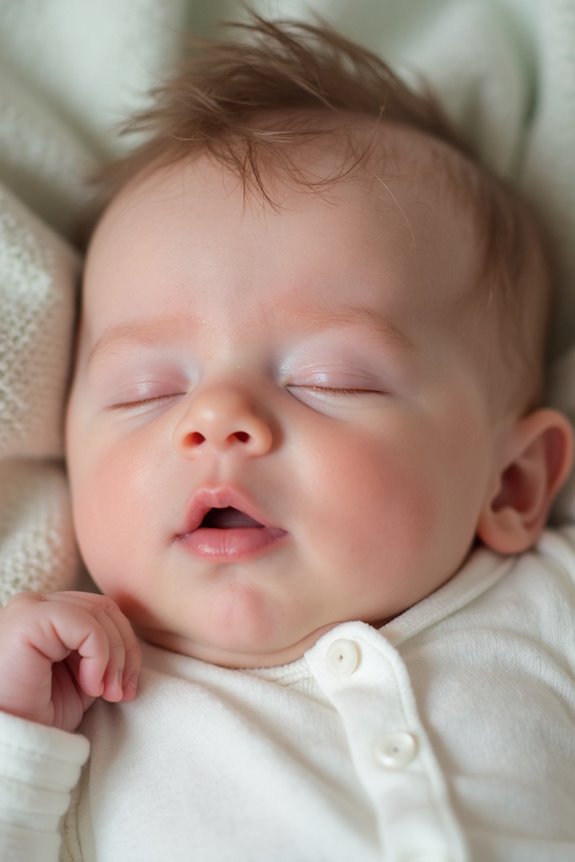
Do Babies Sweat? Understanding Infant Perspiration

We know babies are capable of sweating, though not as we adults do. Eccrine glands, forming in the womb, start on their palms and soles, gradually covering more areas. You’ll notice forehead sweating at birth—it’s normal, helping them regulate temperature. Climate, crying, and deep sleep can influence this. So, dress them in layers and monitor for overheating. If sweating is excessive with other symptoms, consider consulting a doctor. Curious to understand more about this topic?
Key Takeaways
- Newborns have eccrine sweat glands that become active on palms and soles.
- Sweating in infants primarily helps regulate body temperature.
- High temperatures, humidity, and overdressing can trigger infant sweating.
- Infant eccrine glands produce odorless sweat, while apocrine glands activate at puberty.
- Excessive sweating in comfortable settings may indicate underlying health issues.
Development of Sweating in Newborns
You may be interested



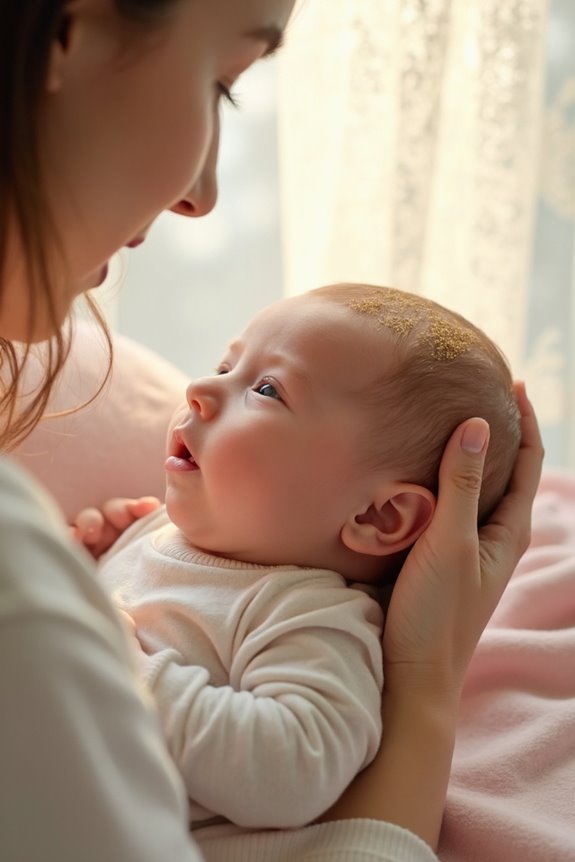
When it comes to understanding the development of sweating in newborns, we need to start with the basics of sweat gland development. Did you know that these glands begin forming as early as the fourth and fifth month of pregnancy? In newborn physiology, the first active eccrine glands appear on the palms and soles. These crucial glands gradually spread to cover more of the body, but they’re not all fully active at birth. Typically, you’ll notice the most active sweating on a newborn’s forehead.
- Eccrine gland development: Starts early, achieves full body coverage later.
- Palms and soles: First to show functional glands.
- Forehead activity: Most prominent at birth.
- Apocrine glands: Present, but dormant until puberty.
Understanding these details helps us appreciate the complexity of our little ones’ systems.
Factors Contributing to Infant Sweating
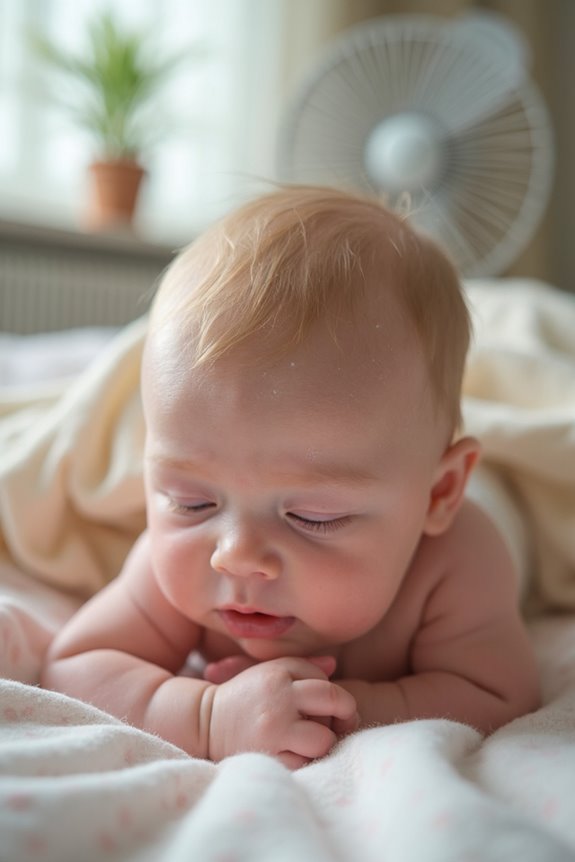
While we might not always think about it, several factors contribute to why babies sweat, and understanding these can help us keep them comfortable. Let’s explore the environmental triggers and physiological responses that play a role:
- Environmental Triggers: High temperatures and humidity can lead to discomfort and sweating. Overdressing or heated rooms might cause overheating. Climate conditions and poor ventilation also impact sweating.
- Physiological Responses: Babies may sweat from crying or fussing, reflecting increased energy use. Sleep patterns can lead to sweating during deep sleep. Even limited physical activity or anxiety might cause perspiration.
Recommended Products

SAFETY COMES FIRST-Made from high-quality cotton and superior zipper, Unnivoll baby sleep sack is certified to meet Consumer Product Safety Commission (CPSC) guidelines, eliminate all potential risks and provide a safe sleeping environment for your little one.

100% Cotton: Made from 100% cotton, our baby sleep sack applys top 10% of the premium cotton, which is more breathable and soft on delicate skin. 0.5 tog fit for moderate seasons. With this wearable blanket, your baby would neither get sweaty nor catch a cold.
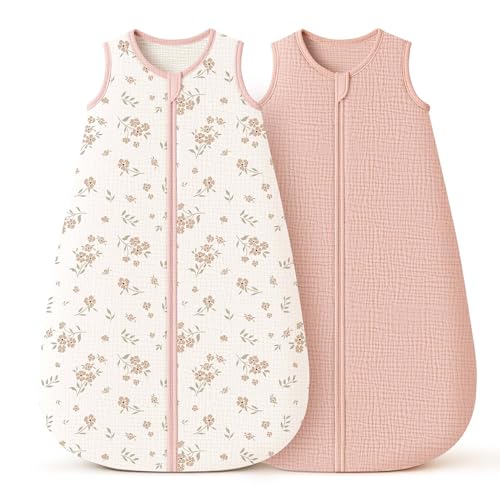
Double-Layer Muslin for Breathable Comfort: Crafted from OEKO-TEX certified muslin cotton with a soft double-layer design, this wearable blanket offers gentle warmth and breathability—perfect for naps and bedtime in warmer rooms or transitional seasons. Each set includes 2 sleep sacks—one in a solid color and one with a delicate print—blending comfort and style for everyday rotation in your nursery
Characteristics of Sweat Glands in Infants
Understanding the characteristics of sweat glands in infants is essential for grasping how their bodies manage temperature. Babies come into the world with two sweat gland types: eccrine and apocrine. While apocrine glands won’t activate until puberty, eccrine glands start developing around the fourth month of gestation. Initially forming on the palms and soles, these glands expand by the sixth fetal month to cover most of the body.
Eccrine function is critical for temperature regulation, producing odorless sweat that helps cool the body. In newborns, eccrine glands are most active on the forehead and gradually on the torso and limbs. Though limited in sweating compared to adults, infants still rely on these glands to prevent overheating, underscoring their importance in early development.
Managing Infant Temperature and Sweating
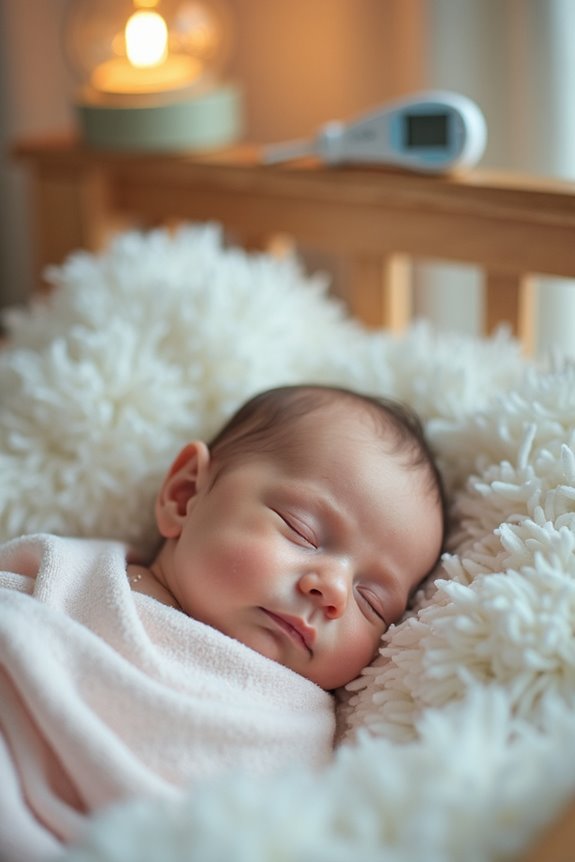
Managing an infant’s temperature and sweating is essential for their comfort and health. Together, we can create a cozy environment that supports their fragile thermoregulatory system. Our little ones rely on temperature regulation through nonshivering thermogenesis, primarily utilizing brown fat. We’ve got several strategies to help:
- Clothing: Dress the baby in layers to adjust warmth as needed.
- Room Temperature: Keep it between 20-22°C for optimal comfort.
- Skin-to-Skin: Embrace them against your chest to share warmth.
- Warm Baths: Use cautiously to gently adjust body temperature.
Recommended Products

[High Accuracy & 5s Fast Refresh]: Built-in smart temperature humidity sensor, the indoor thermometer is accurate to ±1°F while humidity is ±5%RH. Enjoy precise data from the room thermometer indoor every 5 seconds
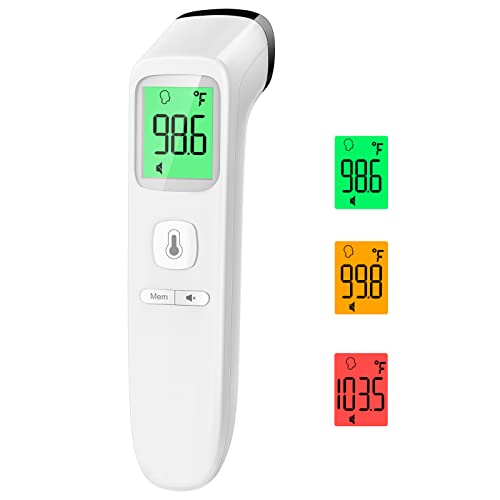
Reliable & Accurate: Goodbaby Forehead Thermometer has been clinically tested and found to be a fast and absolutely reliable gadget to use. It is ideal for forehead readings.

[Simple and easy-to-read thermo-hygrometer] A thermo-hygrometer with an easy-to-read layout of temperature and humidity in a compact body.The color is white and simple, so it matches any interior.
Recognizing Signs of Overheating
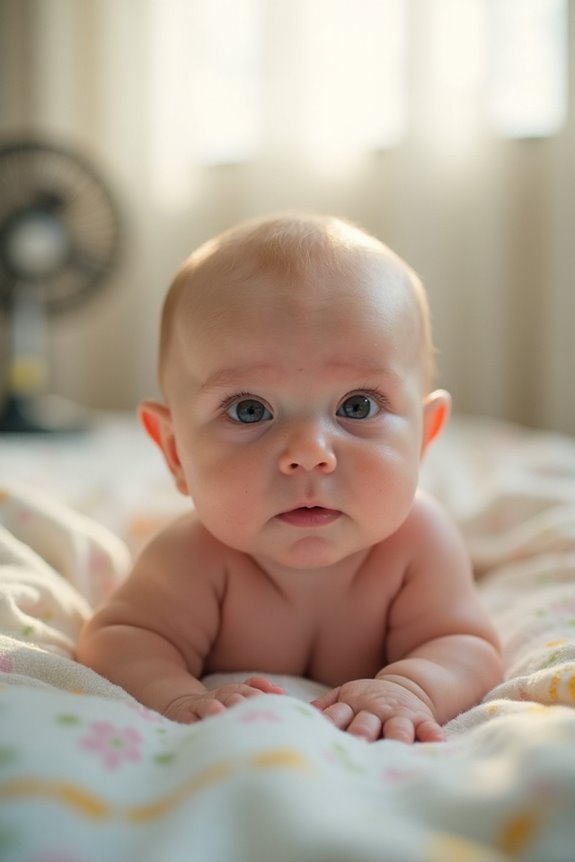
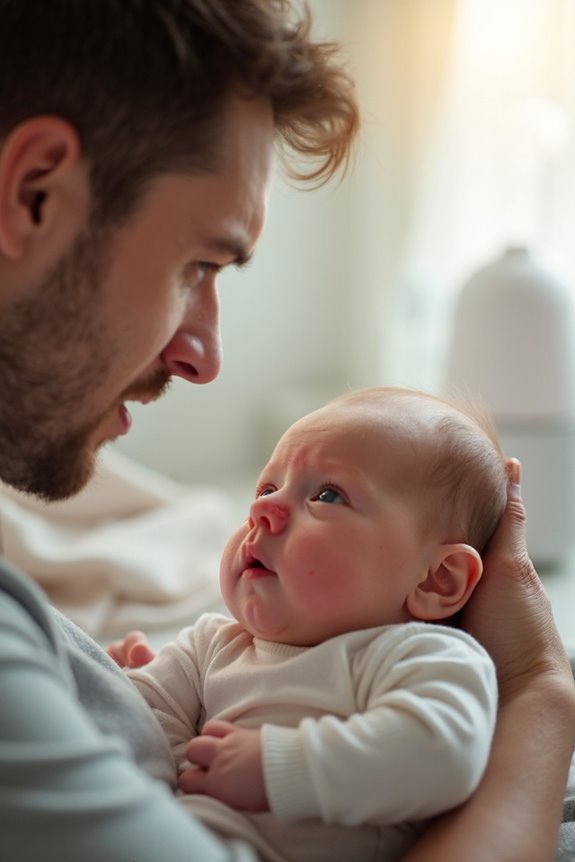
Recognizing when a baby is overheating is crucial for their comfort and safety, as their bodies aren’t as adept at regulating temperature. We should watch for overheating symptoms like flushed skin or a hot touch. A baby’s damp hair, especially on the head and neck, can be a clear signal. Environmental influence plays a part too; high room temperatures or overdressing can elevate their risk.
Pay attention if our little ones become unusually fussy or restless, as these behavioral changes often accompany physical signs. Remember, a warm room or too many layers can increase overheating chances. By understanding these symptoms, we can better protect our babies, ensuring their environment is comfortable and safe. Let’s stay vigilant and responsive to their needs.
Recommended Products

Wellness Indicator: This humidity meter with humidity level icon indicates air conditions - DRY/COMFORT/WET, allowing this humidity sensor to ensure you’re always aware of changes to your home/household with just a quick glance

COLORFUL ROOM TEMPERATURE MONITORING: KELVIN changes colors depending on whether the room temperature is too hot, too cold or just right! Red for too hot, Amber for just right, and Blue for too cold.

Face Icon Comfort Indicator: Humidity temperature gauge features face icons to indicate DRY/COMFORT/WET air conditions, quickly informs you how to adjust your humidifier or dehumidifier to achieve optimal comfort.
Health Considerations of Infant Perspiration
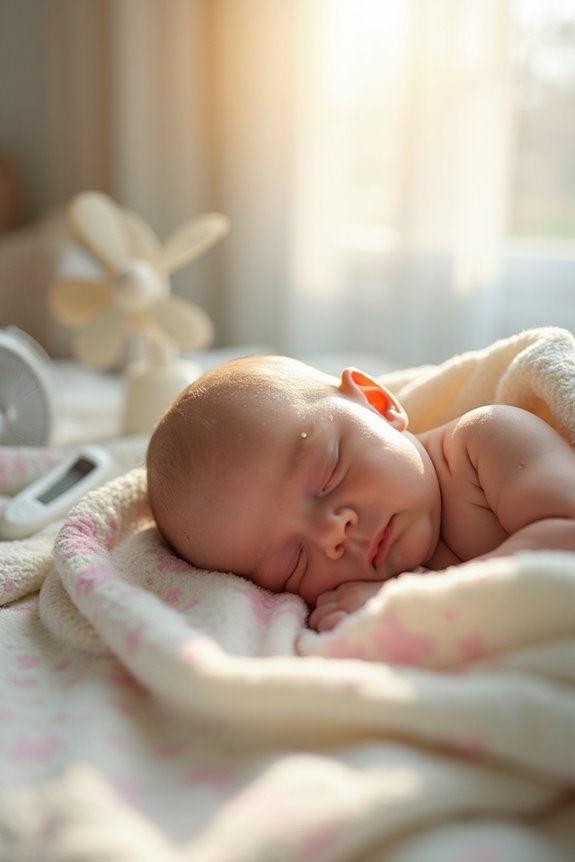
When we notice our little ones showing signs of overheating, it’s important to consider the health implications of their perspiration. Babies’ sweat patterns can reveal a lot about their condition. Since infants have underdeveloped sweat glands, they’re not as efficient at cooling down as we are, putting them at risk for overheating and related issues like SIDS.
Let’s keep an eye on these important factors:
- Vitamin D Deficiency: Can lead to excessive sweating, often seen in premature babies.
- Environmental Risks: A cool, comfortable environment is crucial to prevent overheating.
- Regional Sweat Patterns: Babies tend to sweat more on their heads, especially in warm conditions.
Recommended Products

𝟮-𝗶𝗻-𝟭 𝗕𝗮𝗯𝘆 𝗘𝘀𝘀𝗲𝗻𝘁𝗶𝗮𝗹: Dreambaby digital thermometer will instantly read bath water and nursery room temperatures to ensure that your baby’s sensitive skin can be kept safer from harsh temperatures. With its adorable duck design your child will reach for this cute toy with enthusiasm!
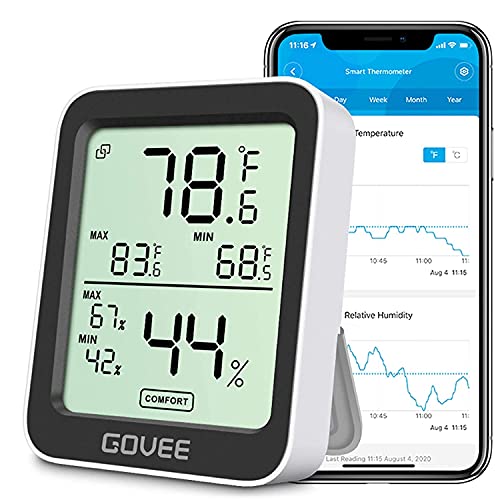
Smart Features: The Govee Wireless Thermometer Hygrometer supports all basic functions as well as smart functions such as remote monitoring and temp humidity graphs. Our humidity meters are reliable and easy to use for homes, greenhouses and more.(Only supports 164ft Bluetooth connection)

𝐀𝐜𝐡𝐢𝐞𝐯𝐞 𝐭𝐡𝐞 𝐈𝐝𝐞𝐚𝐥 𝐓𝐞𝐦𝐩𝐞𝐫𝐚𝐭𝐮𝐫𝐞: Dreambaby Turtle Room & Bath Thermometer, is a versatile baby bath thermometer designed for optimal safety. This floating toy thermometer not only adds a playful touch to the tub but is also a reliable safety measure for monitoring water temperature
When to Seek Medical Advice for Infant Sweating
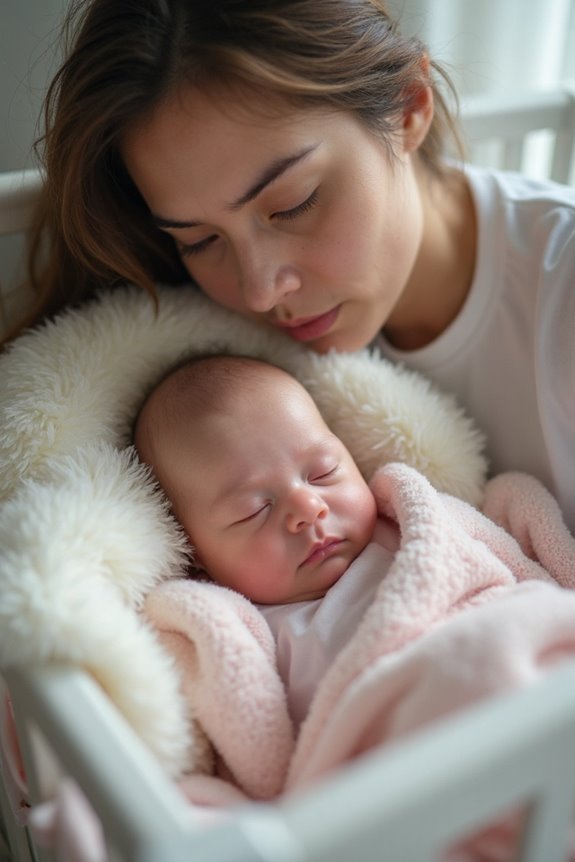
Even though it might be tempting to brush off a baby’s sweating as normal, understanding when it becomes a concern can really make a difference. We need to recognize that prolonged excessive sweating in comfortable temperatures could point to underlying conditions. If we notice sweating symptoms like fever, lethargy, or difficulty breathing, it’s crucial to seek medical advice promptly.
Consider these sweating causes:
- Heart-related issues if sweating occurs during feeding.
- Hyperhidrosis if unexplained sweating happens in cool environments.
- Infections or fevers showing as sweating.
Let’s keep a close watch on:
- Unusual sweating patterns.
- Excessive sweating on body areas other than the head.
- Changes in urine output or signs of dehydration.
Discuss these concerns with healthcare professionals, ensuring our little ones’ well-being.
Recommended Products
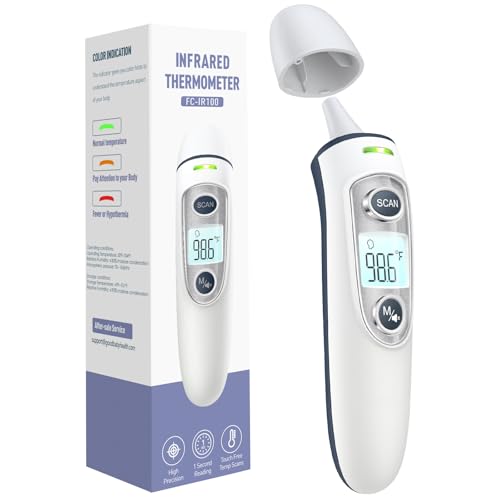
【FAST AND EASY TEMPERATURES READINGS】Taking your baby’s temperature with GoodBaby digital thermometer is as simple as pointing, and pressing a button. It uses infrared technology, and can show readings in Celsius or Fahrenheit.

ACCURATE FOR ALL AGES: Designed for infants, toddlers, and kids, this thermometer delivers reliable readings whether used rectally, orally, or under the arm, adapting as your child grows.

Reliable & Accurate: Goodbaby Forehead Thermometer has been clinically tested and found to be a fast and absolutely reliable gadget to use. It is ideal for forehead readings.
Frequently Asked Questions
Can Infants Sweat When They Have a Fever?
Ever wondered if infants sweat with fever? Though their cooling mechanisms aren’t fully developed, sweat can be a fever response. Like a whisper of change, it signals shifts in their tiny bodies, inviting close attention and care.
Do All Infants Sweat the Same Amount?
We understand that not all infants sweat the same amount due to differences in sweat glands and infant physiology. Factors like age, genetics, and health influence their perspiration. Let’s cherish these unique little beings and their individuality.
How Does Infant Sweating Differ From Adult Sweating?
When we explore infant physiology, we’ll find that babies have more active sweat glands on their heads than adults, who sweat more evenly. This difference affects how infants cool down, making temperature regulation a shared responsibility.
Can Certain Clothing Materials Affect an Infant’s Ability to Sweat?
Isn’t it ironic how non-breathable fabrics make regulating temperature a breeze? We should definitely stick to breathable materials like organic cotton for our little ones, ensuring they stay comfy and cool, while we dodge those pesky heat traps.
Are There Cultural Differences in How Infant Sweating Is Perceived?
We often see cultural beliefs shaping how we perceive infant sweating. Sweating norms vary globally; some view it as a health concern, others as normal. Let’s explore how these beliefs impact our parenting practices and perceptions.