As an Amazon Associate, we earn from qualifying purchases. Some links on this site are affiliate links at no extra cost to you. Our recommendations are based on thorough research and editorial judgment.


How to Stop a Baby From Vomiting: 5 Effective Remedies

When your baby is vomiting, it’s vital to act quickly with proven strategies. First, adjust feeding frequency, offering smaller, more frequent feedings. Stick to a liquid diet, starting with clear fluids in tiny amounts. Hydration techniques like using oral rehydration solutions help prevent dehydration. Consult a pediatrician before trying medication if needed. Also, create a calm, restful environment with low stimulation for recovery. Let’s explore these remedies to ensure your little one feels better soon.
Key Takeaways
- Feed the baby smaller portions more frequently to prevent overloading the digestive system.
- Encourage clear fluids like water and oral rehydration solutions for hydration.
- Hold the baby upright during and after feeding to reduce air intake.
- Use electrolyte solutions in small amounts to prevent stomach overload.
- Ensure the baby rests in a calm environment between feedings for recovery.
Adjust Nursing Frequency
You may be interested



When it comes to adjusting nursing frequency to help stop a baby from vomiting, we might find that feeding more frequently, but in smaller amounts, can make a significant difference. Babies have tiny stomach capacities, so spacing out feedings in shorter intervals can prevent overloading their digestive system.
Let’s consider these tips:
- Monitor Feeding Intervals: Regularly scheduled, smaller feedings reduce the chance of vomiting.
- Observe Stomach Capacity: A newborn’s stomach can only handle so much, so smaller portions are key.
- Adjust Techniques: Holding the baby upright during and after feeding helps reduce air intake.
Recommended Products

Easy Deep Latch for Baby, Stress-Free Nursing for Mom:Momcozy nursing pillow provides great support for mom and baby during breastfeeding or bottle-feeding. It encourages better posture, takes pressure off your shoulders & neck,and makes breastfeeding easier and more comfortable. Baby feeds comfortably lying down, no fuss and no tears

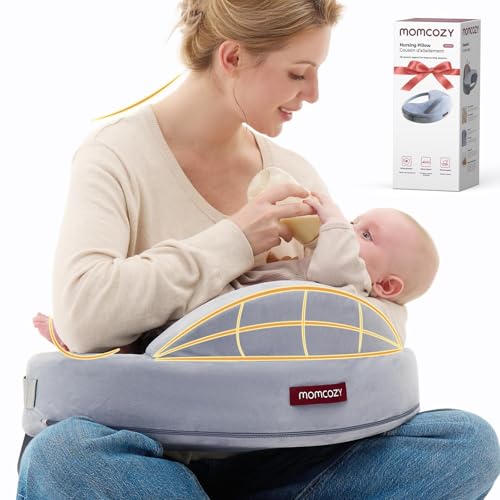
[Ergonomic Comfort and MaxSupport] Made of 100% safe memory foam. Different from other nursing pillows, the Momcozy original breastfeeding pillow is like a combination of "powerful hands"and "fluffy clouds", comfortably ergonomic supporting baby and mom's arm, maintaining at the ideal height and position for better latching. No more pain and sore arms, more confident and healthier nursing
Encourage a Liquid Diet

Although it might seem challenging, encouraging a liquid diet for a baby who’s vomiting can be a crucial step towards recovery. Let’s focus on clear fluids. They’re the gold standard, helping soothe an upset tummy. Initially, we should offer 1-2 teaspoons of safe liquids, like water or oral rehydration solutions (ORS), every 5-10 minutes.
- Clear fluids: ORS like Pedialyte, water, or clear broths are recommended.
- Avoid: Milk, fruit juices, and fizzy drinks, as they can worsen symptoms.
- Observe: If vomiting continues, pause for an hour before trying again.
- Increase gradually: Once tolerated, slowly double the intake over two hours.
Recommended Products
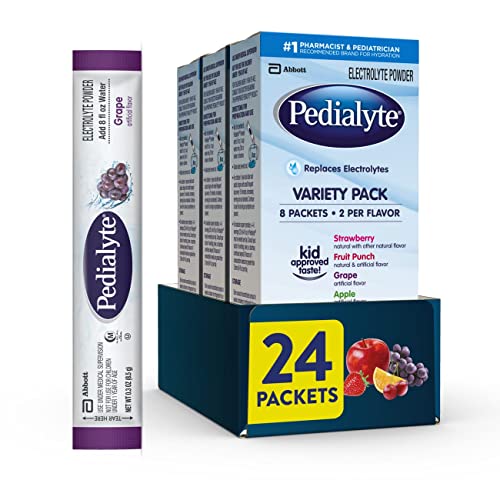
Electrolyte Blend Formula: Contains a mix of key electrolytes and sugar for hydration

Electrolyte Blend Formula: Contains a mix of key electrolytes and sugar for hydration

ELECTROLYTES AND ZINC: Electrolytes are minerals that are important to keep your body hydrated; Amazon Basic Care Unflavored Electrolyte Solution with zinc is for children and adults; compare to Pedialyte
Employ Hydration Techniques

Now that we’ve considered a liquid diet, let’s focus on employing effective hydration techniques to support a baby’s recovery from vomiting. Utilizing electrolyte solutions is key—they balance vital salts and are absorbed faster than plain water, helping rehydrate quickly. These solutions combine salt, sugar, and water, replenishing lost nutrients and potentially reducing vomiting episodes.
- Small Frequent Intakes: Offer liquids in small amounts, preventing stomach overload and easing discomfort. This approach ensures faster absorption and reduces dehydration risks.
- Hydration Tools: Use a spoon or syringe for babies under one year, allowing accurate measurement and stress-free administration.
- Set Hydration Goals: Aim for 3 ounces of fluid per ten pounds of body weight, adjusting as needed. This helps track progress and ensures sufficient fluid intake.
Recommended Products

ELECTROLYTES: Feel your best. Amazon Basic Care Mixed Fruit Electrolyte Solution is an electrolyte drink designed to help restore electrolytes and fluids. A full-flavored hydration option for adults and children. Compare to Pedialyte
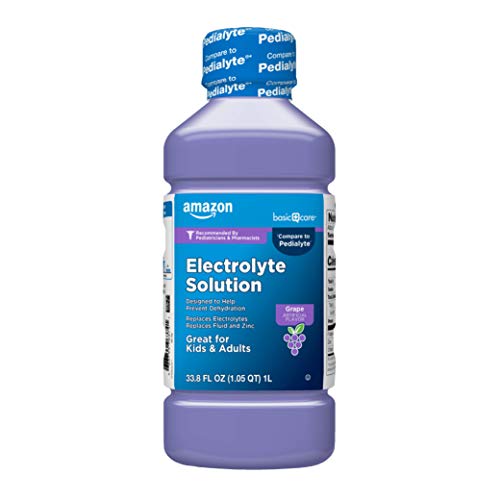
ELECTROLYTES: Feel your best. Amazon Basic Care Grape Electrolyte Solution is an electrolyte drink designed to help restore electrolytes and fluids. A full-flavored hydration option for adults and children. Compare to Pedialyte

HYDRATE AND FEEL BETTER FAST: Pedialyte electrolyte solution is designed to replace fluids and electrolytes more effectively than common beverages like some sports drinks, juices, water, and sodas
Consider Medication Options

In considering medication options for a baby struggling with vomiting, it’s crucial we approach the topic with care and informed judgment. Some medications, like Promethazine and Ondansetron, can help, but they require careful use. Here’s what we need to know about medication safety and pediatric considerations:
- Age Matters: Most antiemetics are cautiously used in children over 2 years old. Promethazine is contraindicated for those under 2 due to serious side effects.
- Consultation is Key: Always consult a pediatrician before starting any medication.
- Monitor Closely: Keep an eye on your little one for any side effects.
Ondansetron, despite being used off-label, has shown promise in reducing hospital visits. We should rely on our pediatrician’s guidance to make the best choice.
Recommended Products

PHARMACIST RECOMMENDED NAUSEA RELIEF: Emetrol is a pharmacist-recommended brand with a history of 60 years of soothing tummies. Provides rapid relief from nausea due to stomache ache or overindulgence
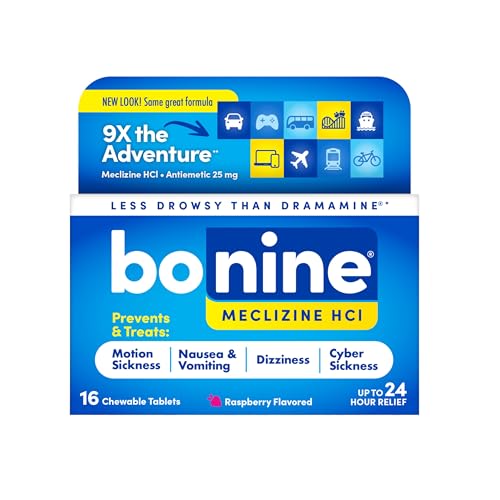
TAKE BACK THE DAY: Why let nausea or motion sickness ruin your day. With 16 total tablets of 25 mg of Meclizine Hydrochloride, this powerful non-drowsy antiemetic will keep nausea away for 24 hours so you can enjoy your day

RAPID NAUSEA RELIEF - Get fast relief from your stomach aches and nausea with Emetrol Liquid. This non-drowsy cherry flavored liquid provides quick relief to your upset stomach. Used to treat nausea that is caused by food poisoning, overindulgence in food and drink, motion sickness, or car sickness
Utilize Home Care Strategies

Caring for a baby who’s vomiting can be challenging, but with the right home care strategies, we can help them feel better and recover faster. Let’s focus on creating comfort and monitoring symptoms closely.
- Rest and Environment: Ensure the baby rests between feedings in a clean, calm space. Avoid overstimulation to help them relax.
- Monitoring Signs: Keep a close eye on dehydration signs—dry mouth or fewer wet diapers. This helps us catch any issues early.
- Fluid Management: Offer small sips of oral rehydration solutions frequently. This strategy maintains hydration without overwhelming the stomach.
- Comfort Measures: Use gentle rocking or a soft blanket for added comfort during recovery.
Recommended Products
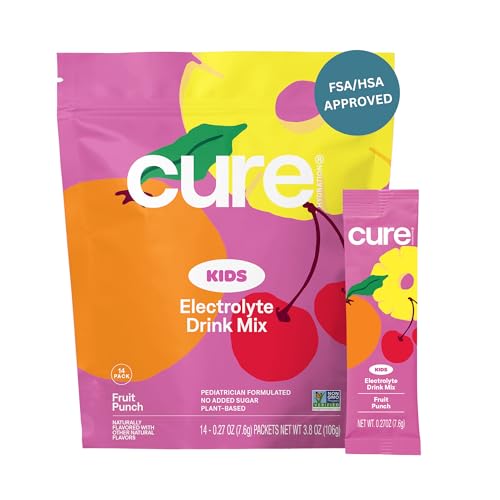
SCIENTIFICALLY BACKED, KID-FRIENDLY FORMULA: Pediatrician Formulated, based on the World Health Organization’s formula for Oral Rehydration Solution (ORS), the gold standard of rehydration. Kid-approved taste, with a formula parents can trust.

The information below is per-pack only

SCIENTIFICALLY BACKED, KID-FRIENDLY FORMULA: Pediatrician Formulated, based on the World Health Organization’s formula for Oral Rehydration Solution (ORS), the gold standard of rehydration. Kid-approved taste, with a formula parents can trust.
Frequently Asked Questions
What Are Common Causes of Vomiting in Babies?
We’ve all been there, wondering why our little ones are upset. Common causes of vomiting include baby reflux, infections, overfeeding, and allergies. It’s critical to understand these triggers to help our babies feel better.
How Can I Tell if My Baby Is Allergic to Something?
We get it, spotting allergy symptoms in your baby can be daunting. Look for baby reactions like hives, vomiting, or facial swelling soon after eating. Trust your instincts and consult a healthcare provider if you’re concerned.
Can Teething Cause Vomiting in Infants?
We often wonder if teething can cause vomiting in infants. While teething symptoms like drooling and discomfort are common, vomiting is rare. It’s important to distinguish between typical teething discomfort and signs of illness.
Is It Normal for a Baby to Vomit After Every Feeding?
It’s like a rollercoaster for their tiny tummies. Yes, frequent vomiting after feeding can be normal. Let’s explore feeding techniques and understand baby digestion together, ensuring our little ones are comfortable and thriving.
When Should I Take My Baby to the Hospital for Vomiting?
We should take our baby to the hospital if they show dehydration signs like no wet diapers or are lethargic. It’s crucial to seek emergency care if they’re unable to wake or have severe symptoms. Stay vigilant.