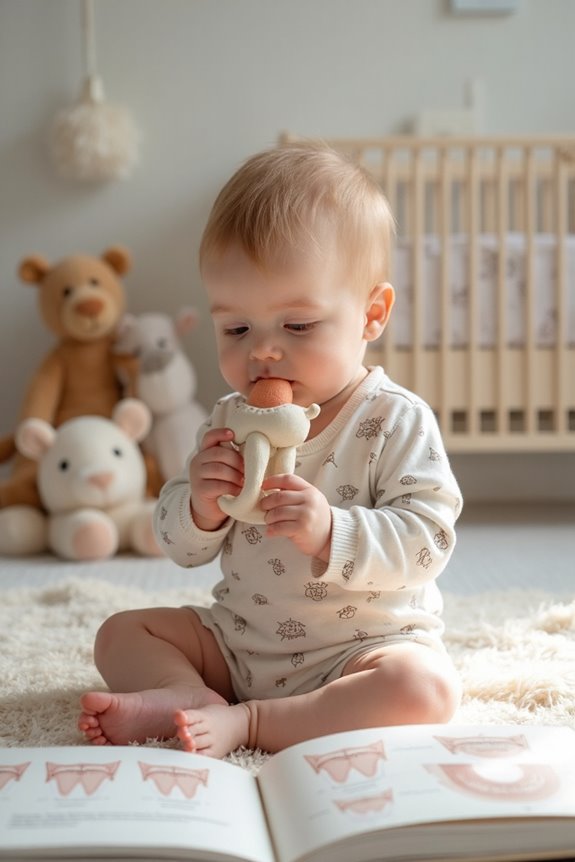
As an Amazon Associate, we earn from qualifying purchases. Some links on this site are affiliate links at no extra cost to you. Our recommendations are based on thorough research and editorial judgment.

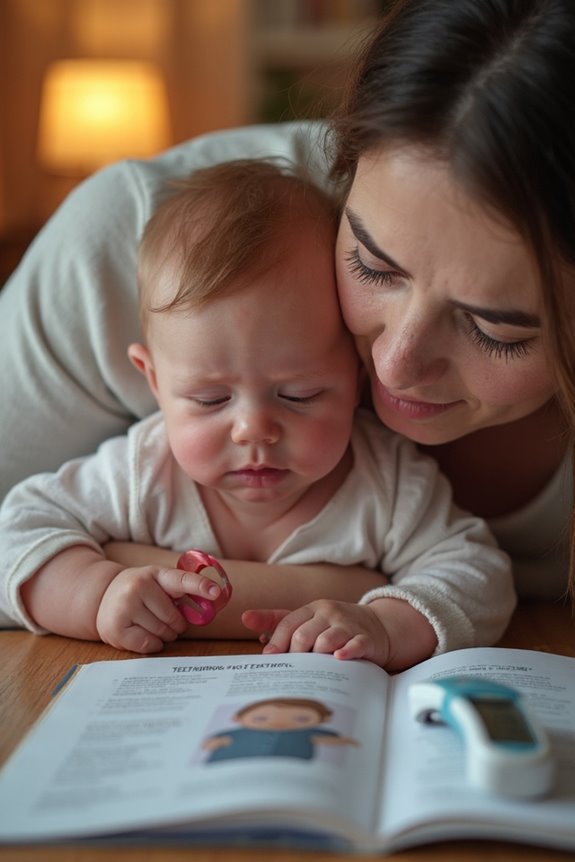
Can a Baby’s Teething Cause a 103-Degree Fever?

While teething can cause slight temperature elevations, it usually doesn’t lead to a fever as high as 103°F. Typically, teething may cause mild symptoms like drooling, irritability, and gum discomfort. A fever of 103°F often suggests an underlying issue, possibly a viral or bacterial infection, rather than teething. It’s important to monitor other symptoms and consult with your healthcare provider to ensure proper care. In exploring further, you’ll uncover more about distinguishing these scenarios.
Key Takeaways
- Teething may cause slight temperature elevation but not a fever above 100.4°F.
- A fever of 103°F is typically not caused by teething.
- High fevers in infants are usually due to infections, not teething.
- Fever during teething may indicate an unrelated illness requiring medical attention.
- Consult a healthcare provider if an infant has a fever of 103°F.
Understanding Normal and Elevated Body Temperatures
You may be interested



Let’s dive into understanding normal and elevated body temperatures, which is essential for keeping an eye on your little one’s health. We know that a normal temperature for infants can range from 97.9°F to 100.2°F rectally. Isn’t it fascinating how temperature fluctuations are quite common due to factors like room temperature and time of day?
- Normal Temperature Range: For newborns, a slightly higher average temperature of 99.5°F is typical due to their metabolic rate.
- Age Variations: As children grow, their normal temperature may settle around 97.52°F.
- Factors Influencing Temperature: Higher activity levels and the environment can cause temporary changes.
Recommended Products
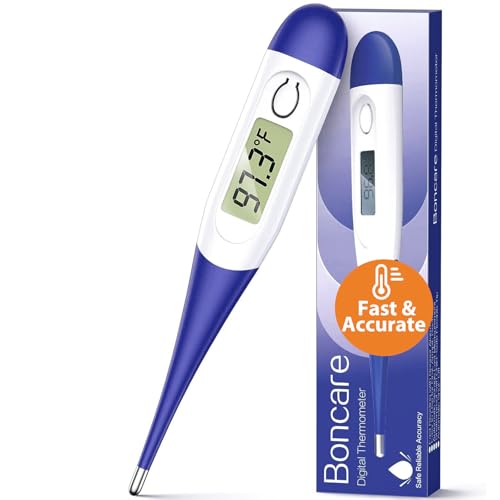
Safe Thermometers for Adults and Babies: Boncare thermometer comes with a soft silicone tip and a reliable stainless - steel probe. It's designed for oral, rectal, or axillary use, making it suitable for infants, children, adults, and dogs. It offers great convenience and ensures safety for you and your family.

PRECISION FOR PEACE OF MIND: Delivers accurate temperature readings in just 10 seconds, so you can quickly assess your baby's health at any time of day or night.

ACCURATE FOR ALL AGES: Designed for infants, toddlers, and kids, this thermometer delivers reliable readings whether used rectally, orally, or under the arm, adapting as your child grows.
Fever Definitions and Age Variations

When it comes to monitoring your little one’s health, understanding what constitutes a fever is key. We know that fever variations can be tricky, especially when considering age. For infants under 3 months, a fever starts at 100.4°F (38°C), and immediate medical attention is advised. Older infants, however, have a slightly higher threshold, generally at 101.2°F (38.4°C).
- Infants under 3 months: Fever is 100.4°F or higher.
- Infants over 3 months: Fever typically starts at 101.2°F.
Teething can cause a slight temperature rise, but not a true fever. Monitoring infant health involves watching for additional symptoms. Always consult a healthcare provider if a fever persists or if your child seems unusually uncomfortable. Stay informed and trust your instincts.
Common Symptoms of Teething
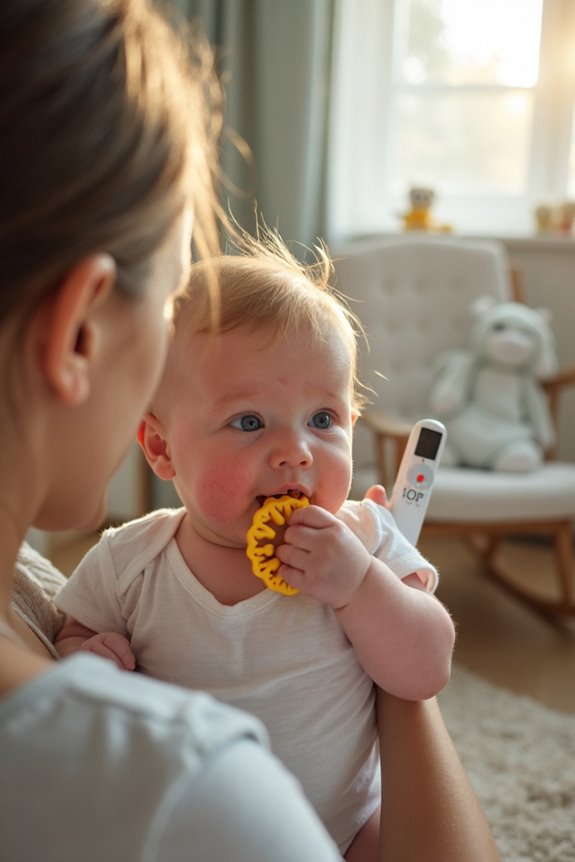
Teething is a milestone that every baby goes through, and while it may seem daunting, understanding the common symptoms can help you navigate this phase with confidence. Let’s explore these signs together and consider how they fit into the teething timeline.
- Fussiness and Irritability: Many babies become cranky, impacting their sleep and your peace.
- Drooling: More than half experience excessive drooling, leading to chin and neck rashes.
- Gum and Ear Rubbing: Babies gnaw on objects and rub gums to ease discomfort, sometimes mistaking ear pain for teething.
- Mild Temperature Elevation: Occasionally, a slight rise in temperature occurs.
Symptom management involves comforting your little one, keeping drool in check, and offering safe objects to chew on.
Recommended Products

🍼【10-Piece Baby Rattles & Teethers Set】 This premium 10 baby toys set includes a variety of soft silicone teethers and gentle bell rattles. Designed to engage your baby’s senses (touch, sound, sight). Different shapes (rings, animals, easy-grip handles) help develop fine motor skills and hand-eye coordination for 0-3-6-12 months infants.

Innovative Cooling Relief: The Nippii freezable teething pacifier delivers soothing comfort for teething babies with a unique cooling effect that lasts up to 30 minutes. This freezer pacifier design ensures your baby’s gums are soothed without chilling the cheeks, face, or hands, so cooling relief stays exactly where your baby needs it.

Material Safety:Baby teething toys are made of food-grade silicone. Resistant to high and low temperatures, can be boiled, steam or refrigerated, -50° to 230°
Distinguishing Between Teething and Fever
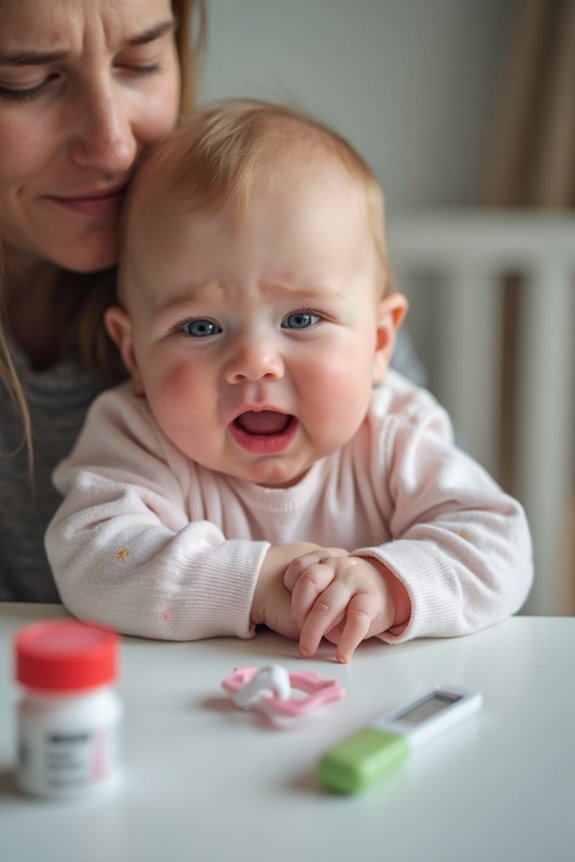
How can we tell if a baby’s discomfort is due to teething or an actual fever? Let’s explore the differences together.
First, we should check the temperature. A genuine fever starts at 100.4°F, while teething may cause a slight rise without surpassing this threshold. Keep the teething timeline in mind—typical symptoms include drooling, gum pain, and irritability. Fever symptoms, on the other hand, might follow distinct fever patterns, such as sweating and loss of appetite.
Also, notice if symptoms overlap: irritability can happen with both, but fever tends to make it more intense. Monitoring these signs helps us distinguish between teething and potential illness. Remember, if a fever persists, consulting a healthcare professional is essential for your baby’s well-being.
Causes of High Fever in Infants
As we dive into the causes of high fever in infants, it’s important to remember that such fevers can be a sign of various underlying issues. We often encounter viral infections, like the common cold or flu, which are typical culprits. Bacterial infections, such as urinary tract infections or pneumonia, can also lead to high fevers.
Let’s not forget about other potential causes:
- Immunizations: Can sometimes cause mild fevers.
- Respiratory Infections: Frequent in infants, especially with daycare exposure.
- Environmental Factors: Overheating can result in low-grade fevers.
Monitoring your baby’s symptoms helps us determine the cause. While most fevers are harmless, they can occasionally signal more serious conditions. Staying informed and vigilant is essential for our little ones’ health and well-being.
Recommended Products
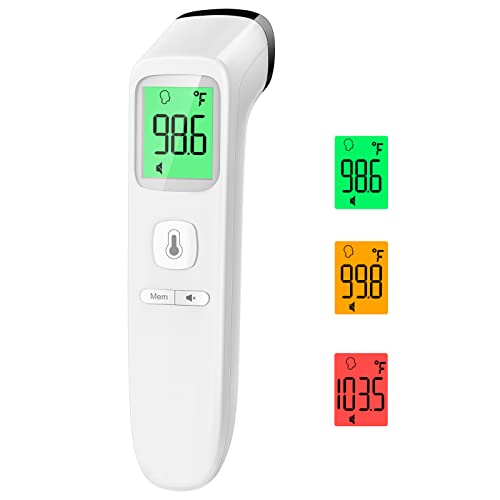
Reliable & Accurate: Goodbaby Forehead Thermometer has been clinically tested and found to be a fast and absolutely reliable gadget to use. It is ideal for forehead readings.

Non-contact Thermometer: According to the infrared technology, you can measure body temperature without touching the ear or the forehead, prevent cross-infection between multiple people. Measurement Distance: 2-3.15 inch.

RAPID RESULTS: Obtain precise infrared temperature readings in just one second, ensuring quick and accurate assessment using the infrared thermometer.
When to Seek Medical Attention
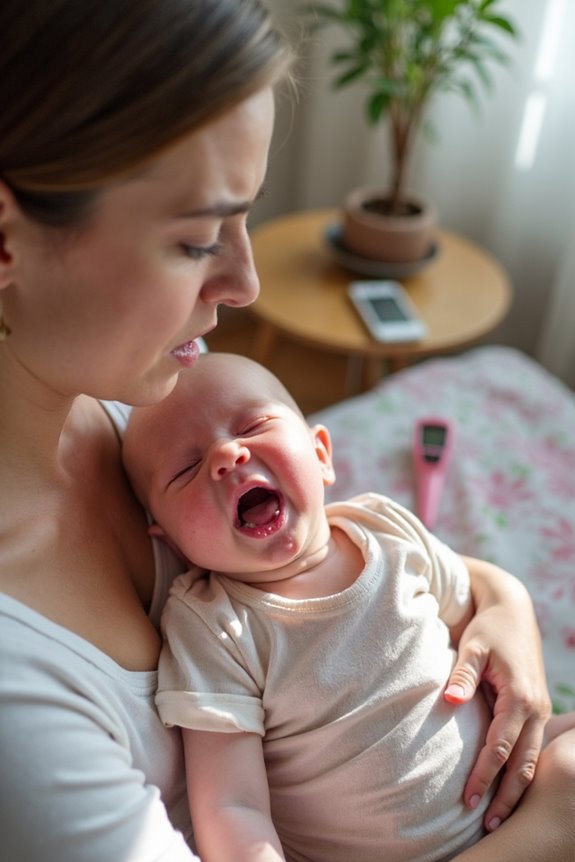
When should we reach out for medical help if our little one has a fever? Navigating fever patterns and symptom evaluation is crucial. Here’s when to contact a healthcare provider:
- Infants Under 3 Months: A fever over 100.4 F (38 C) needs immediate attention.
- Persistent Fevers: Lasting more than 24 hours? It’s time to see a doctor.
- High Fevers: Above 102 F (39 C) in infants over 3 months requires evaluation.
- Severe Symptoms: Diarrhea, vomiting, or a rash alongside the fever are red flags.
- Medical Emergencies: Fever at 104 F (40 C) or blue lips demand urgent care.
Let’s ensure our baby stays safe by monitoring these concerns closely and seeking help when necessary. We’re all in this together, after all!
Recommended Products

【±0.2°F High-Precision Sensor & Reliable Temperature Monitoring】Equipped with a high-performance sensor and compensation algorithm, this Momcozy baby thermometer delivers fast, accurate readings with ±0.2°F precision.By tracking temperature changes, it helps parents better understand their baby’s condition and make timely care decisions for infants and kids.
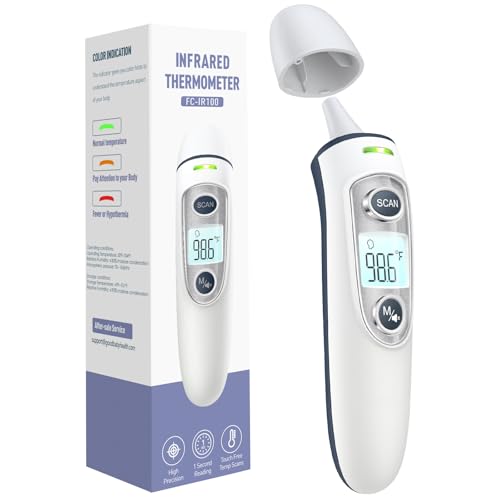
【FAST AND EASY TEMPERATURES READINGS】Taking your baby’s temperature with GoodBaby digital thermometer is as simple as pointing, and pressing a button. It uses infrared technology, and can show readings in Celsius or Fahrenheit.

Safe Thermometers for Adults and Babies: Boncare thermometer comes with a soft silicone tip and a reliable stainless - steel probe. It's designed for oral, rectal, or axillary use, making it suitable for infants, children, adults, and dogs. It offers great convenience and ensures safety for you and your family.
Managing Mild Teething Symptoms at Home

Managing mild teething symptoms at home doesn’t have to be a daunting task. We’ve got a variety of natural remedies and soothing techniques to help. Cold remedies, like chilled teething rings or washcloths, can numb sore gums. A gentle gum massage with our clean fingers can ease discomfort, using a circular motion and light pressure.
For those quiet moments, consider offering breastfeeding or a pacifier to provide comfort. Physical touch, like cuddling, also works wonders. Let’s not forget the power of a tranquil bath—it’s a great distraction.
Chilled foods, such as pureed fruits, can provide relief, but always supervise closely. Herbal remedies, like chamomile or diluted clove oil, can also help soothe. Together, we can manage teething with ease.
Recommended Products

COOLING TEETHING RELIEF: Each teether is filled with purified water and can be placed in the refrigerator for a soothing, cool sensation that helps reduce teething discomfort. The chilled surface soothes sore gums, offering relief for teething babies

Water-filled teethers soothe baby’s gums

Comforts growing babies as they develop
Dispelling Teething Myths and Misconceptions
Why do so many myths about teething persist despite all the information available? We understand that parental concerns often lead to beliefs in teething myths, seeking comfort in explanations for their baby’s discomfort. Let’s address some misconceptions:
- High Fever: Teething doesn’t cause high fevers. A 103-degree fever could indicate an illness, not teething.
- Appetite Loss: Not all babies lose their appetite due to teething.
- Teething Remedies: Avoid using teething gels due to risks. Opt for safe alternatives like chilled teething rings.
- Diarrhea: No scientific link between teething and diarrhea.
Recognizing accurate teething symptoms helps us provide better care. Remember, drooling and mild gum pain are normal. Consult healthcare professionals when needed to ensure your baby’s wellbeing.
Frequently Asked Questions
What Are Effective Ways to Soothe a Teething Baby?
We know teething can be tough, but let’s soothe our little ones with teething toys and cold compresses. Gently press their gums with a clean finger and keep the room calm. Together, we can ease their discomfort.
Can Teething Affect a Baby’s Sleep Patterns?
Ah, the joys of parenting—teething discomfort, those delightful sleep disturbances! We all know teething can turn our precious sleep schedules into a circus. Let’s stick together and tackle those midnight wake-ups with soothing strategies and understanding.
Are There Any Specific Foods to Avoid During Teething?
We know teething’s tough, but let’s skip hard or sticky foods. They can make it worse. Instead, try soothing techniques like soft, cold foods or teething gels. These teething remedies can bring comfort to our little ones.
How Long Does the Teething Process Usually Last?
We know you’re curious about the teething duration. Typically, teething lasts from 6 to 24 months. We’ll notice signs of teething like drooling and fussiness as each tooth emerges. Let’s navigate this together.
Can Teething Cause Changes in Bowel Movements?
We’ve noticed teething symptoms may coincide with changes in bowel consistency. While it’s not a definitive link, some babies experience loose stools. Let’s watch for diet or illness as potential causes too. We’re here for you.