As an Amazon Associate, we earn from qualifying purchases. Some links on this site are affiliate links at no extra cost to you. Our recommendations are based on thorough research and editorial judgment.

When Do Babies Start Standing? Milestones to Expect

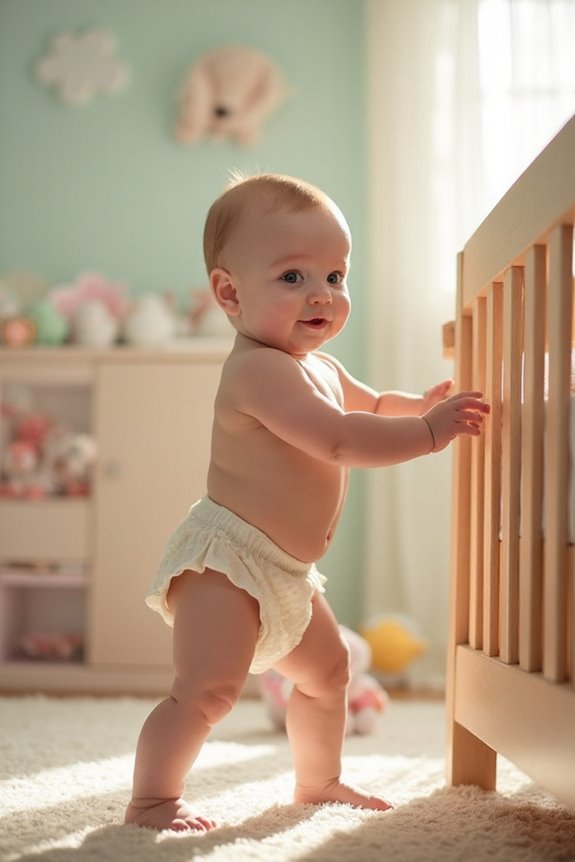
When do babies start standing? Let’s break it down. Typically, babies pull to stand between 7 to 12 months, using furniture or our hands for support. They gain confidence standing with help before achieving independent standing around 9 to 12 months. Each baby develops at their own pace, often standing independently by 16.9 months. Encouraging play and ensuring a safe environment promotes their progress. Curious to uncover more milestones in this exciting journey?
Key Takeaways
- Babies typically start pulling to stand between 7 and 12 months.
- Independent standing usually occurs between 9 and 12 months.
- Muscle strength and balance are crucial for standing development.
- Babies often use furniture or caregivers for support while learning to stand.
- Each child’s standing milestone can vary, typically occurring between 9 and 16.9 months.
Key Developmental Phases in Standing
You may be interested

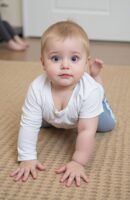

When we think about babies starting to stand, it’s important to understand the key developmental phases involved. To reach this milestone, babies gradually develop muscle coordination and balance awareness. Let’s explore these essential steps:
- Muscle Development: Strong leg and core muscles enable babies to support their weight.
- Balance Awareness: As they grow, babies become aware of gravity, learning to balance against it.
- Posture Maturation: Transitioning from a flexed posture to an upright stance is vital.
- Leg Alignment: Initially bow-legged, babies’ legs straighten, aiding balance.
Each month, we witness remarkable improvements. With our support and encouragement, babies gain confidence, building their balance and coordination. Remember, every child progresses at their unique pace—let’s celebrate these small victories together.
Pulling to Stand: The Initial Phase
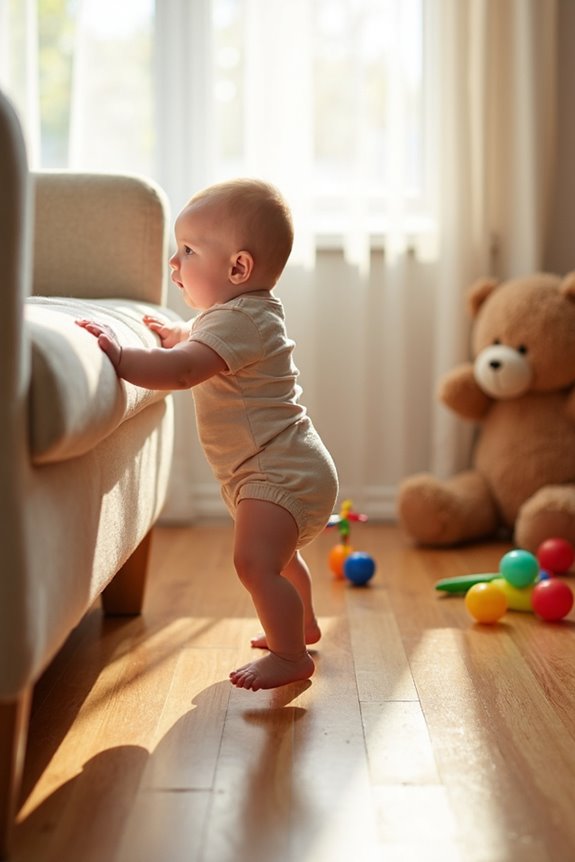
While observing a baby’s journey toward standing, understanding the initial phase of pulling to stand can be fascinating. This milestone typically occurs between 7 and 12 months, marking an exciting time for both babies and caregivers. To pull themselves up, babies need to develop muscle strength in their legs and core. They often use furniture like coffee tables or family members’ hands as support, which helps them build essential balance skills.
Let’s consider some signs a baby might be ready to pull to stand:
- Muscle Development: Strong legs and core.
- Curiosity: Interest in standing.
- Balance Skills: Some coordination present.
Recommended Products
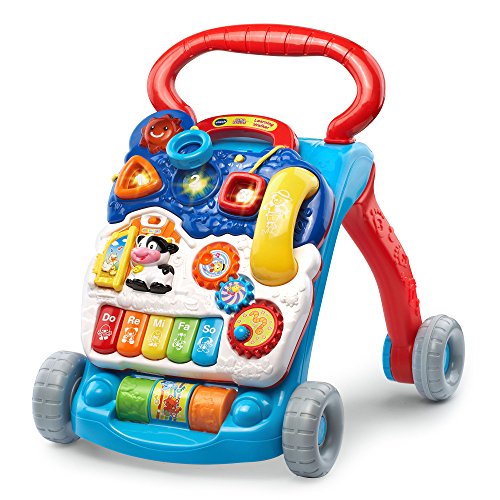
Removable Tray: The activity-packed, detachable panel is perfect for babies who can sit up; it can also re-attach to the walker for on-the-run fun on both carpet and bare floors

Montessori Mirror with Pull Up Bar: This montessori mirror with bar combines a baby mirror for wall, sturdy baby pull up bar, and interactive tummy time mirror to inspire curiosity and exploration. Babies love watching themselves while developing motor skills, confidence, and early learning through play
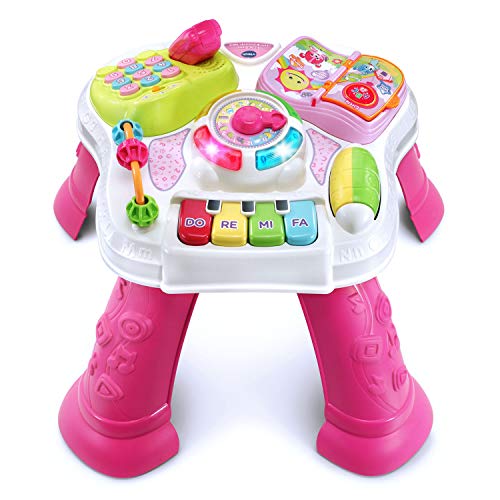
The Sit-to-Stand Learn and Discover Table grows with your baby, transforming from a floor toy into a two-way learning table
Standing With Support: Gaining Confidence
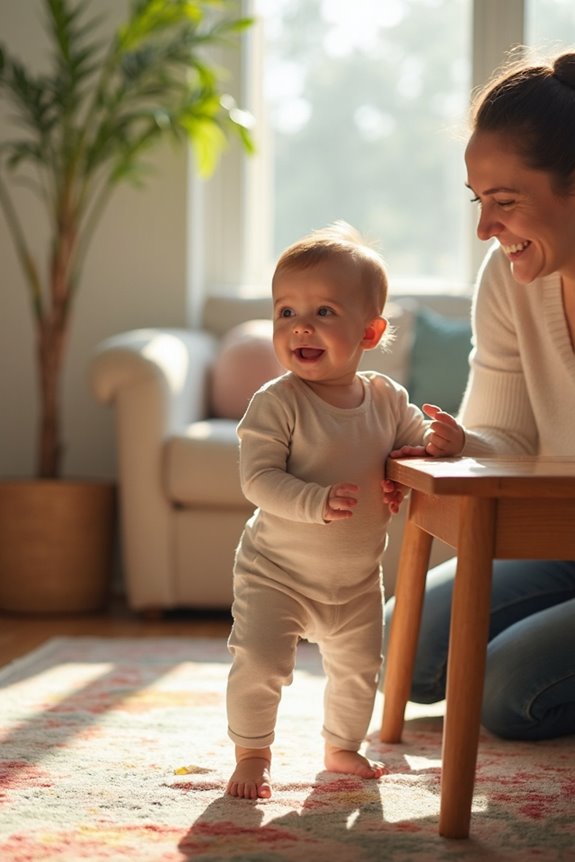
As babies move from pulling to stand to standing with support, we enter a thrilling stage where they start gaining confidence in their newfound skills. Around 7 to 12 months, they begin practicing balance exercises, using furniture or our hands for support. This phase is crucial for developing muscle strength in their legs and core.
- Furniture Support: Couches and tables are perfect for little hands to grip while they strengthen their muscles.
- Parental Support: Our hands or legs offer a comforting balance aid.
- Activities: Encourage standing with toys on soft surfaces to minimize falls.
- Balance Exercises: Simple activities like reaching for toys enhance coordination and stability.
As they gain confidence, we’ll witness their delight in this milestone, building a foundation for future independence.
Recommended Products
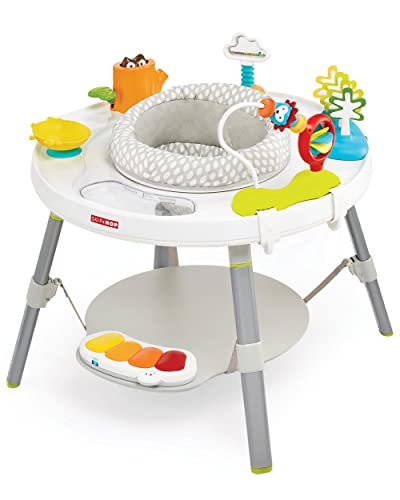
Grows With Baby in 3 Stages: Designed in collaboration with a pediatrician for babies who can hold their head upright unassisted and are not yet walking or climbing out, our baby activity center supports little ones from 4 months up to 25 lbs. It transitions seamlessly through three developmental stages: Sit, Swivel & Play for early engagement, Cruise & Interact to encourage standing and movement, and finally converts into a sturdy toddler activity table with a smooth plastic surface for coloring, crafts, snacks and imaginative play.

Panda-themed interactive push walker & activity center that grows with baby from sitting to pulling up and walking all around

Quality Material: Baby toddler stand up rings are made of braided strap and premium plastic, sturdy rings and wear-resistant straps make our products can be used for a long time. Healthy material, safe and assured without any harmful material.
Achieving Independent Standing
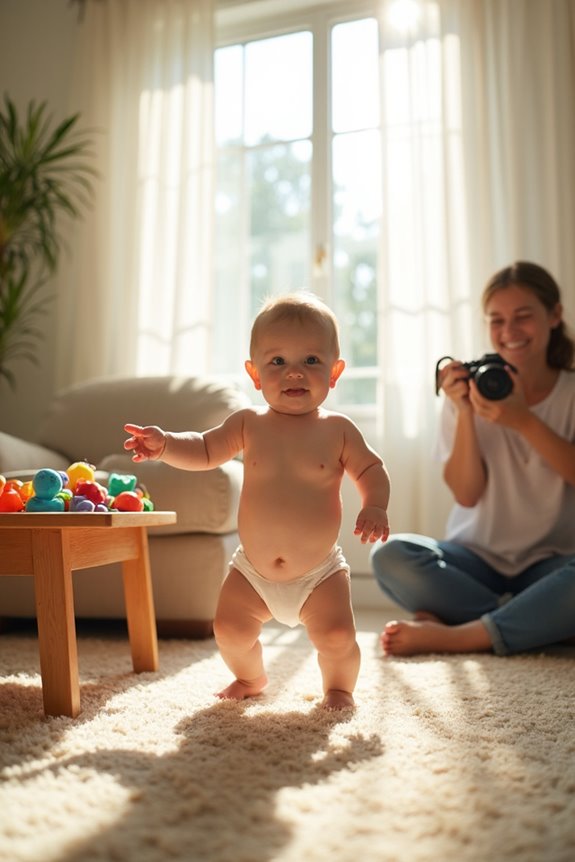
Achieving independent standing is an exciting milestone for both babies and parents, marking a significant step toward walking. As our little ones strive for this achievement, they’re not just standing; they’re improving their balance and strengthening their muscles. Here’s what we can expect:
- Developmental Window: Typically, babies stand independently between 9 and 12 months, with full independence often by 10.5 to 14 months.
- Balance Improvement: Developing a strong core and leg muscles is vital, as is enhancing their vestibular sense to minimize falls.
- Encouragement: Let’s encourage practice through play and social interactions.
- Safety: Baby-proofing our homes ensures they can explore safely.
Our support and encouragement will make this journey rewarding for both them and us.
Recommended Products
Removable Tray: The activity-packed, detachable panel is perfect for babies who can sit up; it can also re-attach to the walker for on-the-run fun on both carpet and bare floors
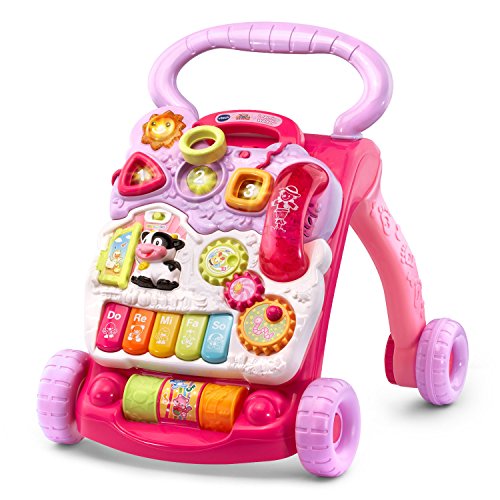
Removable Tray: The activity-packed, detachable panel is perfect for babies who can sit up; it can also re-attach to the walker for on-the-run fun on both carpet and bare floors

Portable and comfy infant chair that helps your baby sit up
Transitioning From Standing to Walking
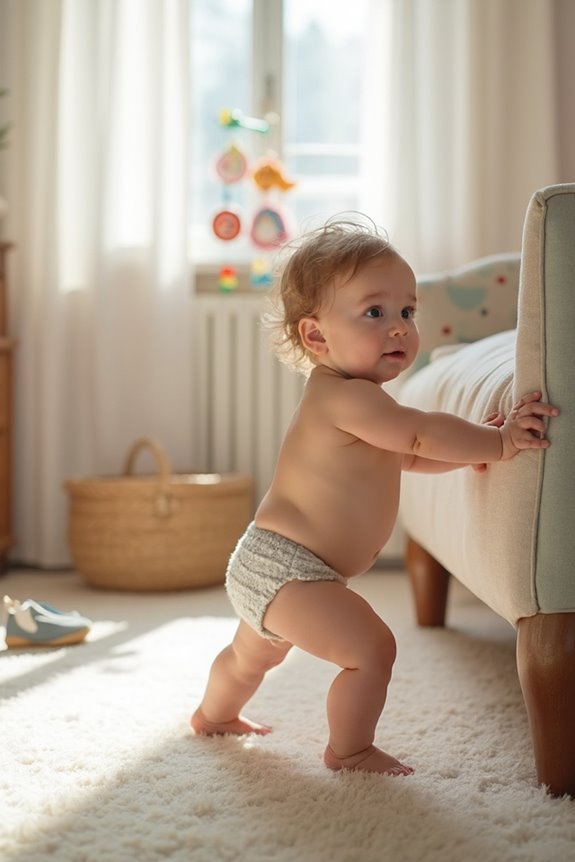
Our little ones have mastered standing, and now they’re on the brink of another exciting milestone: walking. As they transition from standing to walking, it’s all about refining balance coordination and building muscle strength. Here’s what to watch for:
- Furniture Cruising: They’ll start cruising along furniture, practicing their newfound balance and coordination skills.
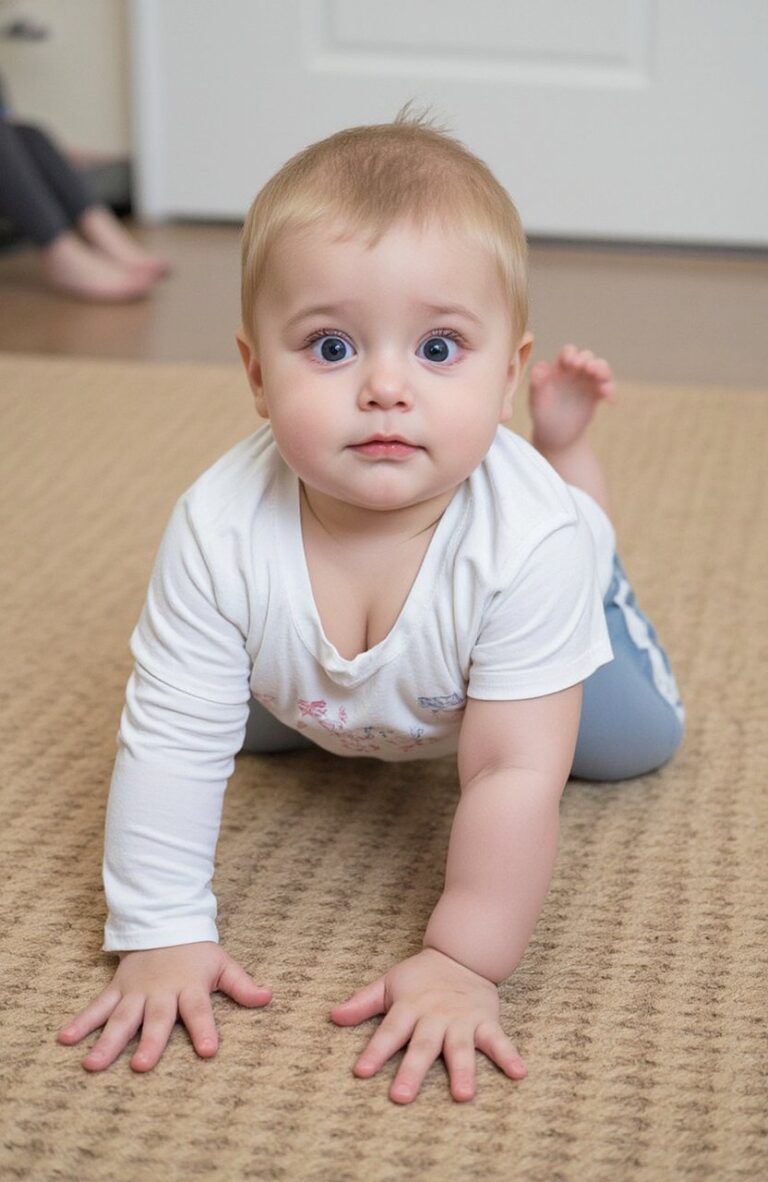
- Kneeling and Quadruped Positions: Moving through these positions enhances muscle strength, preparing them for those first steps.
- Confidence Building: As they stand more often, their confidence grows, encouraging them to take risks like stepping forward.
Recommended Products

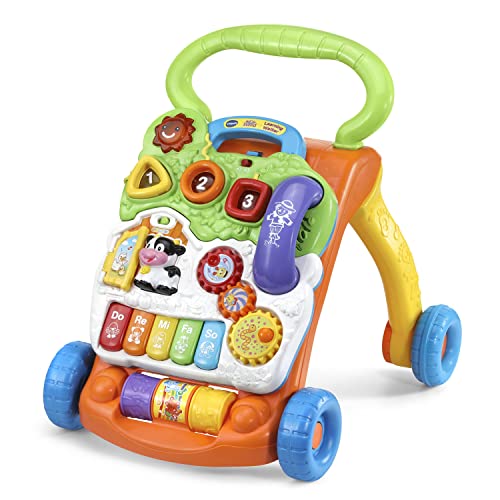
Baby Sit-to-Stand Walker Learning Toys: This innovative baby push walker is designed to naturally encourage your baby's walking development, providing gentle support to inspire those precious first steps while turning the learning process into a joyful exploration. More than just a walking aid, it's a reliable companion that grows with your little explorer every step of the way

2-in-1 Baby Walker & Activity Center: More than a push walker — this wooden baby walker combines walking support with an interactive activity center. Mirrors, gears, and learning toys keep babies engaged while walking or playing, growing with them from first steps to independent play.

Baby Sit to Stand Walker Toys: Encourage babies' first steps, helps develop their coordination and strength by pushing the walking toy forward in order to help learn initial standing and walking
Supporting Your Baby’s Standing Development
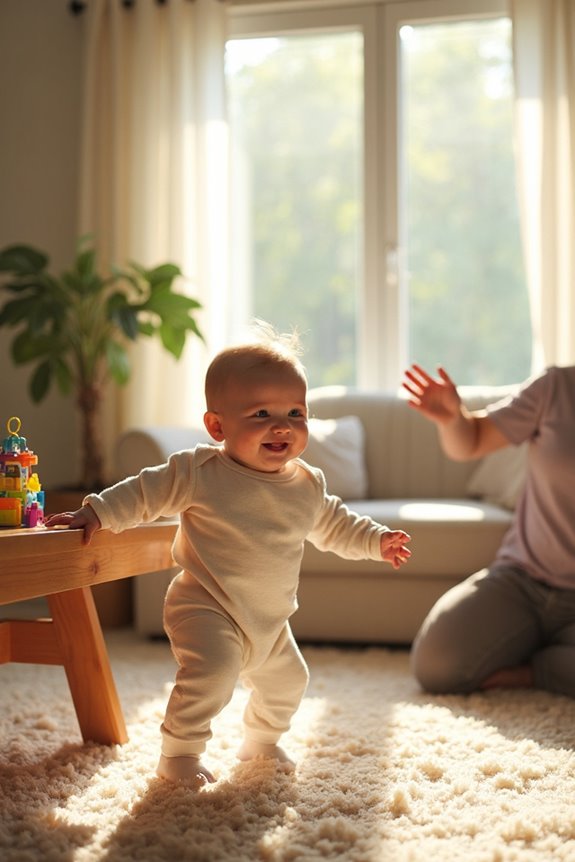
When it comes to supporting your baby’s standing development, creating a nurturing environment is key. We can use environmental influence to encourage motor growth effectively. Consider these steps:
- Stable Objects: Provide furniture for them to pull up on. It helps with balance and confidence.
- Tummy Time: Regular tummy time builds neck and back muscles, crucial for standing.
- Leg Support: Hold your baby upright to strengthen those little legs.
- Soft Play Areas: Ensure safe, cushioned areas for standing attempts.
- Physical Interaction: Engage in activities like dancing to improve coordination.
Recommended Products

Converts from Activity Center, to Activity Play Table, and to a Flat Table

Grows With Baby in 3 Stages: Designed in collaboration with a pediatrician for babies who can hold their head upright unassisted and are not yet walking or climbing out, our baby activity center supports little ones from 4 months up to 25 lbs. It transitions seamlessly through three developmental stages: Sit, Swivel & Play for early engagement, Cruise & Interact to encourage standing and movement, and finally converts into a sturdy toddler activity table with a smooth plastic surface for coloring, crafts, snacks and imaginative play.
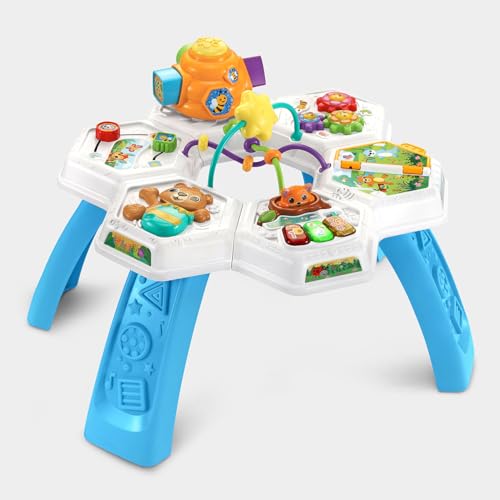
Explore seven developmental play zones on this buzzworthy activity table that transforms from floor play to standing play as they grow
Understanding Individual Variability in Standing Milestones
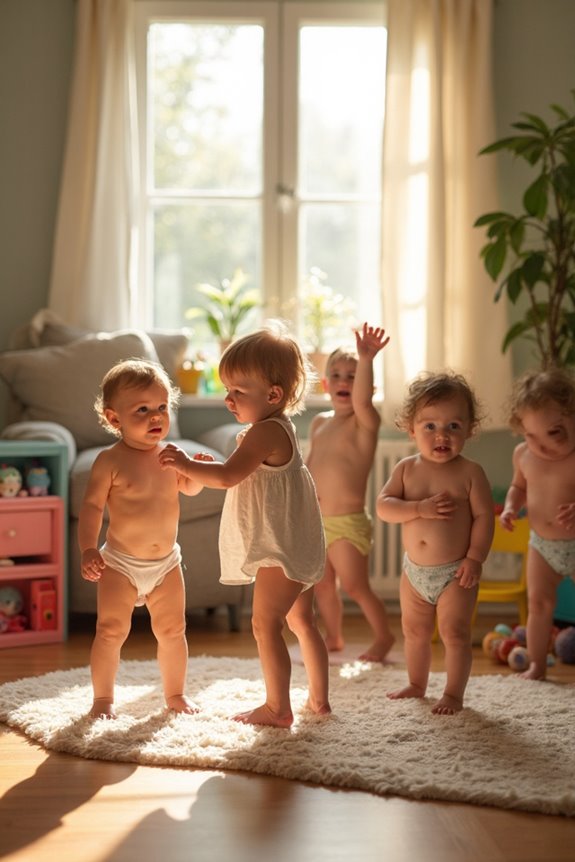
As we create a nurturing environment for our baby’s standing development, it’s important to understand that each child’s journey is unique. Let’s explore how genetic factors, environmental influences, and health conditions shape this milestone.
- Genetic Factors: Just like eye color, genetics play a role in when our little ones reach standing milestones.
- Environmental Influences: A stimulating environment, filled with encouragement and opportunities to explore, can enhance motor skills.
- Health Conditions: Some conditions might delay standing, but many children catch up with time.
Conducting developmental assessments allows us to track progress, ensuring any concerns are addressed early. Remember, standing typically occurs between 9 and 16.9 months, showcasing the wide range of normal development. Let’s celebrate each small step, knowing every child’s path is beautifully unique.
Frequently Asked Questions
What Are Signs My Baby Might Be Ready to Start Standing?
We can spot baby readiness for standing by noticing improved balance, strong leg and core muscles, and their attempts to pull up. When they use standing support like furniture, it’s a clear sign they’re almost there.
Can Baby Walkers Help My Child Stand Sooner?
We understand wanting your little one to stand sooner, but walker safety is a concern. Instead, let’s explore walker alternatives like floor time and hand-holding, which support development without the risks walkers might pose.
What Are Common Myths About Babies Learning to Stand?
We often hear standing misconceptions, like early standing indicates intelligence or future physical prowess. Let’s remember, each baby develops uniquely, and pushing too hard or overemphasizing standing can be more harmful than beneficial.
Are There Any Specific Toys That Promote Standing Development?
We’ve found standing toys and activity centers are fantastic for promoting our little one’s standing development. They’re designed to engage and support babies, enhancing their balance and muscle strength while sparking their curiosity and confidence.
How Can I Ensure My Home Is Safe for a Standing Baby?
We’ve got a gazillion baby proofing tips to ensure our little one’s safety. From securing furniture to using safety gear like outlet covers and window guards, we’ll transform our home into a fortress of love and security.