As an Amazon Associate, we earn from qualifying purchases. Some links on this site are affiliate links at no extra cost to you. Our recommendations are based on thorough research and editorial judgment.

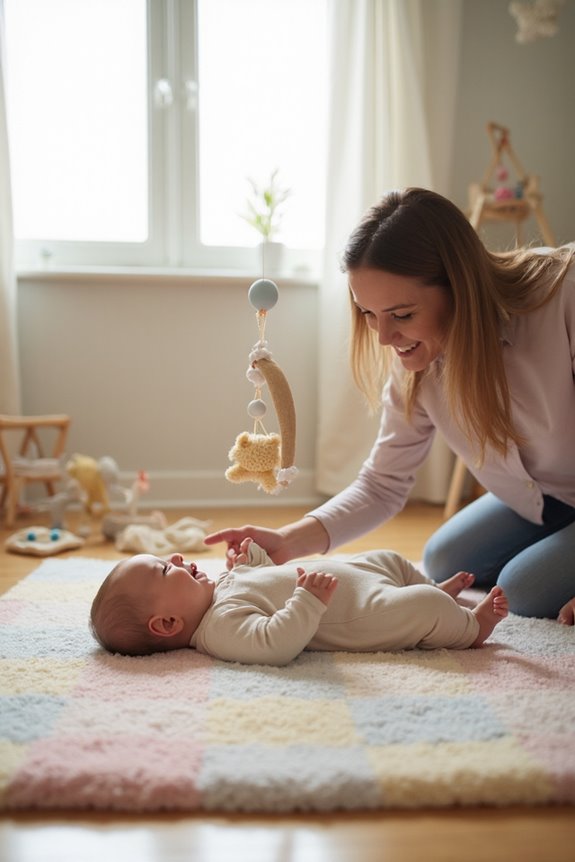
How to Help Your Baby Learn to Roll Over Safely

To help your baby learn to roll over safely, let’s focus on setting up a secure environment. Ensure their crib has tight, flat sheets and is free from loose objects to minimize risks, and place them on their back to sleep. During tummy time, encourage movement with toys placed just out of reach and use mirrors to stimulate tracking. Regular practice strengthens muscles and promotes development towards rolling. With these steps, you’ll support your baby’s growth safely and effectively, unlocking even more wonderful milestones.
Key Takeaways
- Ensure a safe sleeping space with tight, flat crib sheets and no pillows or blankets.
- Engage in daily tummy time to strengthen neck and upper body muscles.
- Position toys slightly out of reach to encourage movement and engagement.
- Use baby-friendly wedges to create a gentle incline for easier rolling.
- Monitor milestones and consult a pediatrician if rolling hasn’t started by 7 months.
Creating a Safe Environment for Your Baby
You may be interested



When it comes to helping your baby learn to roll over, creating a safe environment is our top priority. We know you want your little one to explore safely, so let’s talk baby proofing essentials.
- Ensure a Clear Sleeping Space: Crib sheets should be tight and flat. Keep the crib free from pillows and blankets to prevent suffocation risks. Opt for breathable bedding to avoid overheating.
- Safe Sleeping Practices: Always place your baby on their back initially, even if they can roll over. This significantly reduces the risk of SIDS. Avoid swaddling once they start rolling; consider sleep sacks with open arms instead.
These steps ensure a secure, comforting space where your baby can develop confidently and safely.
Recommended Products

Gentle and Comfy:Wrrernsin sleeping sack is crafted from 100% pure cotton fabric, soft and skin-friendly, with exceptional breathability to create a comfy sleeping space for babies. Meeting the safety standards of the US Consumer Product Safety Commission (CPSC), it ensures worry-free use for little ones. The 0.5 tog warmth level and sleeveless design effectively reduce underarm sweating, keeping babies dry and cozy all night—perfect for year-round use

Special Design: The waist of this swaddle is tightened to give the baby a slight sense of restraint, making the baby feel as safe as in the mother's womb. The loose bottom allows the baby's legs to maintain natural curvature, healthy development

Special Design: The waist of this swaddle is tightened to give the baby a slight sense of restraint, making the baby feel as safe as in the mother's womb. The loose bottom allows the baby's legs to maintain natural curvature, healthy development
Encouraging Practice During Tummy Time
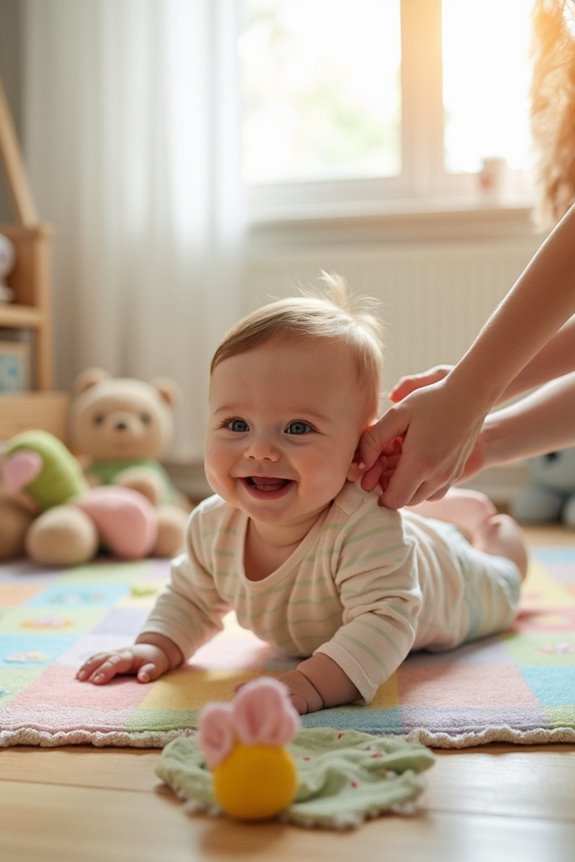
Although helping your baby learn to roll over can seem daunting, we can make it a fun and rewarding experience with some simple strategies during tummy time. Let’s dive into some tummy time techniques that offer rolling encouragement, ensuring your little one gets the most out of their practice sessions.
- Supportive Positioning: Position your baby so they can easily shift side to side, promoting natural rolling movements.
- Inclined Surfaces: Use wedges or pillows to create a gentle incline, making it easier for your baby to roll.
- Daily Tummy Time: Strengthen those neck and upper body muscles with daily sessions.
- Toy Placement: Put toys just out of reach, prompting them to move and engage.
- Mirrors and Reflections: Encourage visual tracking with mirrors to stimulate movement.
Recommended Products

✓WHY TUMMY TIME SUPPORT TOY - Paediatricians generally recommend parents to make their 2-6 months old babies spend at least 30 minutes of tummy time each day. This enables your baby to progress in a natural development. With this tummy time support toy your baby can have fun time with total comfort. You can use this toy for your baby from its birth time too.

Polar Bear Tummy Time Mat Props Up: Made to make tummy time easier for babies and parents!

Premium Material: Detachable Cushion is made from premium polyester, soft yet firm 100% polyester filling, skin friendly, suitable for baby sensitive skin, give the baby comfortable and safe protection. Spot clean only with a damp sponge or cloth, do not machine wash, hand wash with cold water.
Understanding Developmental Stages of Rolling

Understanding the developmental stages of rolling is crucial as we guide our little ones through this exciting milestone. Babies typically start with rolling techniques like moving from back to side as early as 3 months. Progressing to belly-to-back rolling, often between 3 and 5.5 months, they eventually master back-to-belly techniques by 5 to 7 months. It’s important to remember that developmental variability is normal—some babies may reach these stages sooner or later than others.
- Signs of Readiness: Look for your baby pushing up on their arms, developing neck strength, and showing hip and leg movement.
- Importance: Rolling builds gross motor skills, paving the way for sitting and crawling.
- Monitor Progress: Keep an eye on milestones and consult a pediatrician if concerned.
Supporting Different Rolling Directions

Let’s dive into the fascinating world of baby rolling techniques, where a few simple steps can make a big difference in helping your little one move confidently. We know that belly rolls and side rolls are essential milestones. Babies often roll from belly to back between 4 and 6 months, while back to belly rolls usually occur between 5.5 and 7.5 months. Side rolls often happen around 4 to 5.5 months, acting as an intermediary step.
To support these movements, consistency in practice is key. Tummy time is crucial for building the neck and arm strength needed for rolling. Create a supportive environment with soft mats and minimal distractions. Position toys just out of reach, encouraging your baby to stretch and roll naturally.
Safety Precautions During Rolling

When your baby begins to roll, ensuring their safety becomes even more crucial. Rolling safety involves several key precautions we should consider to avoid crib hazards.
- Swaddling Restrictions: Once rolling starts, it’s time to stop swaddling. This change prevents movement restriction and reduces the suffocation risk.
- Sleep Environment Setup: Make sure the crib is clear of pillows, blankets, and toys. These can pose suffocation hazards.
- Sleep Position: Place your baby on their back to sleep. Even if they roll, this position reduces SIDS risk.
- Crib Sheet Maintenance: Use a tight, flat crib sheet to prevent entanglement.
- Supervision: Always supervise your baby, especially if they have trouble rolling back onto their back.
Let’s prioritize safety as our little ones explore rolling.
Recommended Products

BETTER FIT: Measures 52”X 28”, our crib sheets can snug fit most standard crib and toddler bed mattresses. 8'' deep pocket provides a safe and secure 360 degree coverage and protection for your luxury mattress.

100% Organic Cotton: Keep your newborn perfectly comfortable all night. 100% GOTS certified fabric acts as a soothing layer against delicate skin. These breathable baby bed sheets help prevent overnight discomfort and sweat.

PERFECT FIT: The crib sheet measures 52" X 28" X 8". The elastic bandage wraps around to ensure that our crib mattress sheets fit your crib mattress snugly, not loose, but flat, giving your baby a comfortable bedding.
Encouraging Physical Development Through Play

Creating an engaging play environment is a key step in supporting your baby’s physical development. We can achieve this by setting up a safe and open space on the floor, where our little ones can freely explore. This not only strengthens their muscles but also lays the groundwork for rolling.
To encourage movement, let’s place toys or books just out of reach, turning playtime routines into motor skill games. Regular tummy time is vital too, as it builds neck and back strength. Engaging your baby with various textures and sounds during play will stimulate their senses and curiosity.
Recommended Products
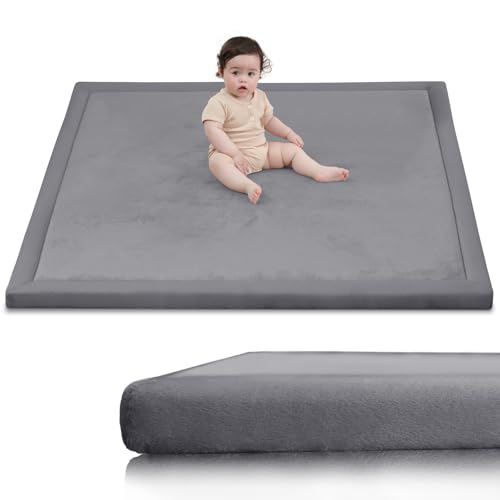
【Safe & Certified for Babies】Our baby play mat is designed with safety as the top priority. Certified by OEKO-TEX fabric standards and tested to meet CPSIA and ASTM requirements, this kids play mat is free from harmful substances. Parents can choose with confidence, knowing their little ones are playing on a non-toxic, ultra-soft crawling mat.

Newborn Baby Essentials - The baby play gym is designed to develop stage-based sensory and motor skill. The soft mat provides a comfortable space for baby to rest, entertain and learn, and the hanging toys can stimulate baby's sight hearing and touch, they can effectively enhance the development of sensory perception and improve physical coordination

6 SENSORY HANGING TOYS & BONUS CARDS: Elevate playtime with our baby gym's 6 removable toys. These thoughtfully crafted toys cater to your baby's growth needs and spark boundless sensory exploration. As a delightful bonus, we also include 12 colorful milestone cards to celebrate each month of your baby's incredible journey.
Monitoring Your Baby’s Progress and Milestones
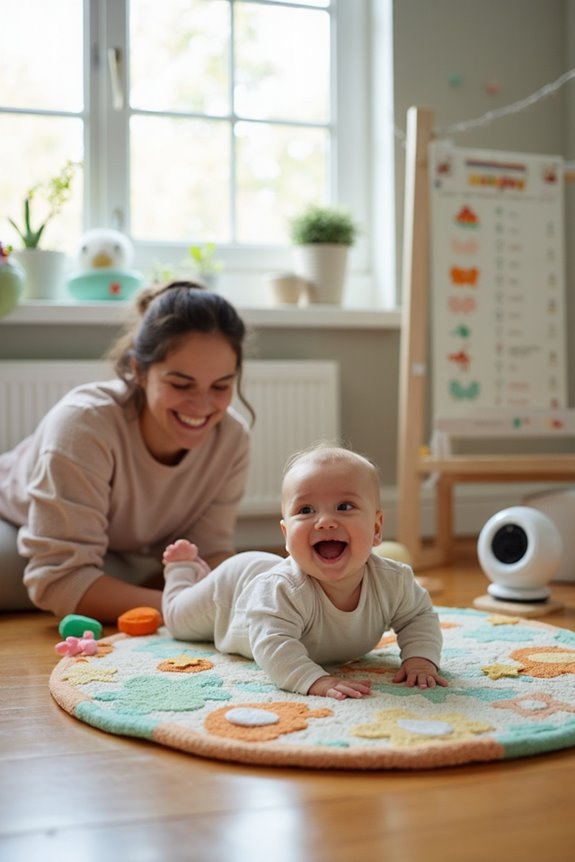
As we create a stimulating play environment, it’s important to also keep an eye on how our baby is progressing with their milestones. Tracking milestones by documenting progress helps us understand their development. Babies typically start rolling between 4 to 7 months, often beginning from their tummy to their back.
Let’s keep a journal to note when rolling first occurs and in which direction. Recording these moments gives us insight into their growing abilities. We can observe signs like rocking side to side or reaching for toys, which indicate readiness for rolling.
To track progress, we might note:
- Frequency and consistency of rolling
- Intentional vs. accidental rolls
- Changes in ability or method
Monitoring these details helps ensure our baby’s development stays on track.
Recognizing When to Seek Professional Guidance

How do we know when it’s time to consult a professional about our baby’s development? Recognizing developmental delays early is essential. If your baby hasn’t started rolling over by 7 months, it might be time for a pediatric evaluation. Remember, every baby develops at their own pace, but it’s wise to consult a pediatrician if you notice any concerns.
- Typical Milestones: Babies usually roll from back to side between 4 and 5.5 months.
- Professional Insight: Pediatricians can assess overall development, not just individual milestones.
- Regular Check-Ups: These help us track progress and address any potential concerns.
Ensuring Proper Nutrition and Health for Development

When it comes to ensuring our baby’s proper nutrition and health for development, establishing a solid foundation is key. As we navigate the journey of healthy feeding, understanding nutrition basics helps us make informed choices. Breast milk offers essential nutrients and antibodies, while formula serves as a reliable substitute.
As our little ones approach six months, introducing solids like rice cereal becomes an exciting milestone. Let’s diversify their diet with nutrient-rich foods such as fruits, veggies, and proteins, while gradually introducing allergenic foods to minimize allergy risks. Hydration is important, but let’s avoid overdoing water to prevent imbalances.
Monitoring growth with regular check-ups and watching for signs of food allergies ensures our babies thrive, building healthy habits together.
Recommended Products
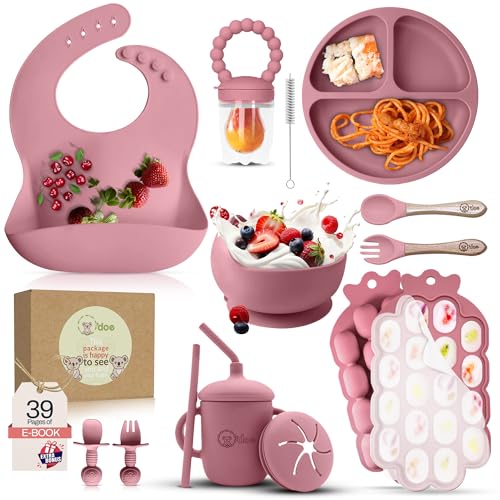
𝟏𝟓-𝐢𝐧-𝟏 𝐁𝐚𝐛𝐲 𝐖𝐞𝐚𝐧𝐢𝐧𝐠 𝐄𝐬𝐬𝐞𝐧𝐭𝐢𝐚𝐥𝐬 – 𝐅𝐮𝐥𝐥 𝐒𝐢𝐥𝐢𝐜𝐨𝐧𝐞 𝐅𝐞𝐞𝐝𝐢𝐧𝐠 𝐊𝐢𝐭: This complete baby silicone feeding set includes everything: suction plate, bowl, bib, baby spoon and bowl set, sippy cup, freezer tray, fruit feeder, and baby toothbrush. It’s the perfect feeding set for 6 month old, made for baby led weaning. Ideal for those looking for a premium baby solids starter kit, baby dish set, or baby dining set.

𝐒𝐄𝐋𝐅 𝐅𝐄𝐄𝐃𝐈𝐍𝐆 𝐒𝐄𝐓 – 𝟏𝟓 𝐌𝐮𝐬𝐭-𝐇𝐚𝐯𝐞 𝐁𝐚𝐛𝐲 𝐖𝐞𝐚𝐧𝐢𝐧𝐠 𝐄𝐬𝐬𝐞𝐧𝐭𝐢𝐚𝐥𝐬: This upgraded silicone baby feeding set includes a suction plate, bowl, bib with catcher, 2 large toddler spoons & forks, 2 small silicone utensils, sippy cup with snack cap, fruit feeder with cap, freezer tray with lid, and baby toothbrush – the perfect baby feeding essentials and baby led weaning supplies for 6M+. (Also ideal as assiette bebe or vaisselle bebe gift set.

【100% SAFE】Our spoons are made of high-quality, food-grade silicone and are dishwasher safe. They are completely free from BPA, PVC, lead, phthalates, and any toxic materials. Have peace of mind when using our silicone spoons.
Frequently Asked Questions
How Can I Make Rolling Over Fun for My Baby?
Let’s make rolling over fun by placing rolling toys within reach and playing playful music. We’ll watch as our little one giggles and kicks, creating a joyful atmosphere together. It’s these shared moments that build precious memories.
What Are Signs My Baby Is Ready to Roll Over?
Let’s watch for signs of readiness: our baby’s improved head control, increased curiosity, and rocking side to side. Engaging in tummy time helps strengthen muscles, supporting essential developmental milestones as they prepare to roll over.
Can Siblings Help in Encouraging Rolling Over?
Absolutely, siblings can help! Through sibling interaction and role modeling, our little ones observe and imitate, making those first rolls more exciting. Let’s nurture this bond, creating an inviting environment for them to explore and grow together.
How Can I Integrate Rolling Practice Into Daily Routines?
Sure, because who doesn’t want to integrate rolling exercises into playtime routines, right? Let’s embrace the chaos of mealtime, diaper changes, and bath time as golden opportunities to sneak in some rolling practice. We’ve got this!
Are There Specific Times of Day Better for Practicing Rolling?
Let’s consider the best times for practicing rolling. Morning sessions are great after a nap when they’re alert. Evening playtime can also be effective, as long as they’re not too tired. Consistency and timing matter.