As an Amazon Associate, we earn from qualifying purchases. Some links on this site are affiliate links at no extra cost to you. Our recommendations are based on thorough research and editorial judgment.

When Do Babies Typically Start Sitting Up and Crawling?

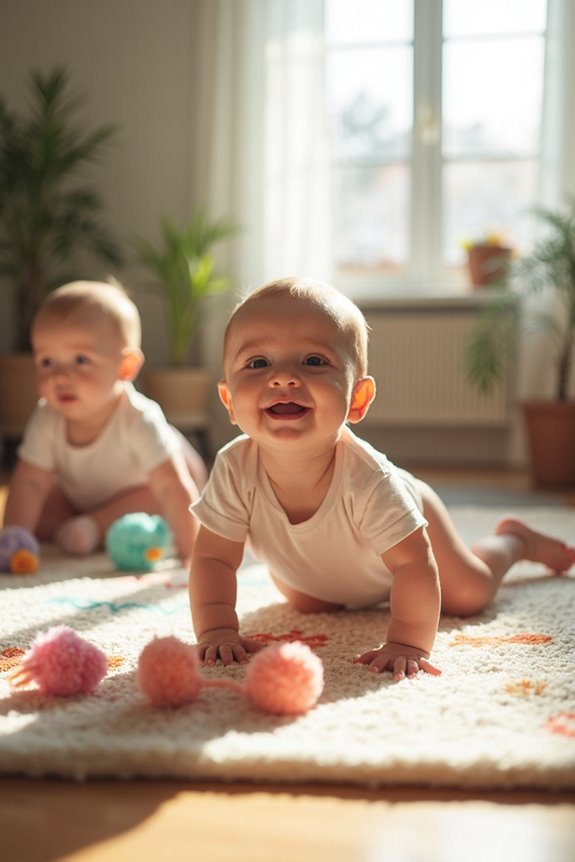
We typically see babies start sitting up unsupported around 7 to 9 months, transitioning from needing support to sitting independently. Crawling usually follows between 8 to 10 months. These milestones depend on factors like muscle strength from tummy time, caregiver support, and opportunities for exploration. Encouraging toys placed just out of reach can motivate movement. Regular practice with safe environments and varied positions can enhance your baby’s development, leading you to explore even deeper insights.
Key Takeaways
- Babies typically start supported sitting between 3 to 5 months and achieve independent sitting by 7 to 9 months.
- Wobbly sitting, where babies learn balance, occurs around 5 to 7 months.
- Crawling usually begins around 8 to 9 months, transitioning from sitting to a quadruped position.
- Pre-crawling movements may appear between 7 and 10 months as babies prepare for mobility.
- Tummy time and engaging toys are crucial for developing the muscles needed for sitting and crawling.
Developmental Stages of Sitting Up
You may be interested
Understanding when babies start sitting up involves recognizing several key developmental stages. We embark on this journey with supported sitting, which typically starts between 3 to 5 months. At this stage, babies require our hands for balance, as they engage in crucial muscle activation. Strengthening both the front and back muscles is essential for them to maintain their position.
- Supported Sitting: Occurs with our help as they build muscle strength.
- Wobbly Sitting: At 5 to 7 months, they wobble, learning balance.
- Independent Sitting: By 7 to 9 months, they often sit unaided.
This progression is beautiful to witness, as little ones evolve from needing our hands to sitting independently, demonstrating their growing strength and control. Let’s support them every step of the way.
Factors Influencing Sitting Development
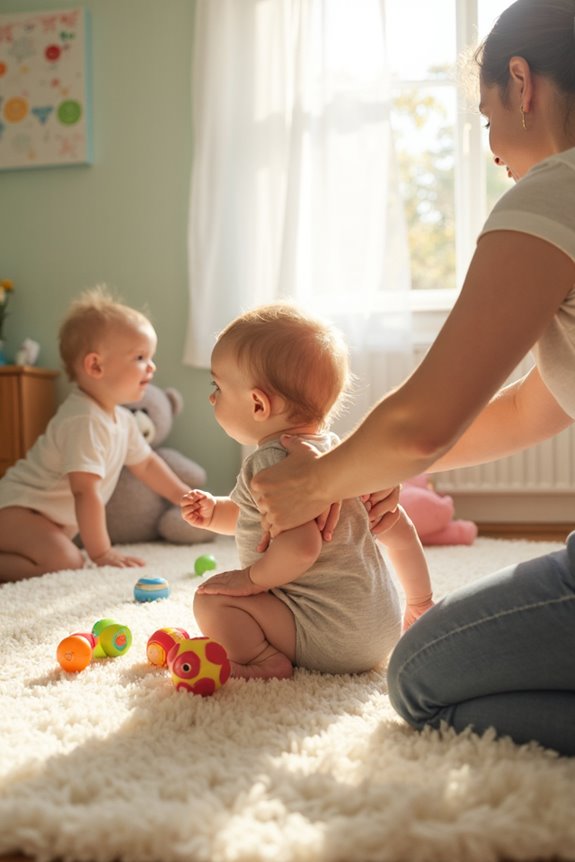
While sitting development may seem straightforward, a variety of factors can influence this critical milestone. Let’s explore these together.
- Biological Variables: Genetics and preterm birth can impact an infant’s ability to sit independently.
- Cultural Variations: Different childcare practices, like how much support caregivers provide, affect sitting proficiency. In some cultures, infants are encouraged to sit earlier due to traditional practices.
- Environmental Influences: Opportunities for exploration in diverse environments enhance sitting skills, offering infants the chance to develop neck and upper body strength.
- Caregiver Support: Initially, we provide maximum support, gradually decreasing it to promote independence.
Recommended Products

【Interactive Activity Seat for Play and Exploration】 This soft foam activity seat creates a cozy and engaging space for kids during playtime, reading, and interactive activities. The surrounding cushions provide a comfortable environment that encourages independent play and exploration.

ERGONOMIC SUPPORT - KidCo HuggaPod provides essential seat support for your baby's seated position, promoting proper posture and comfort during playtime.

Portable and comfy infant chair that helps your baby sit up
Transition From Sitting to Crawling
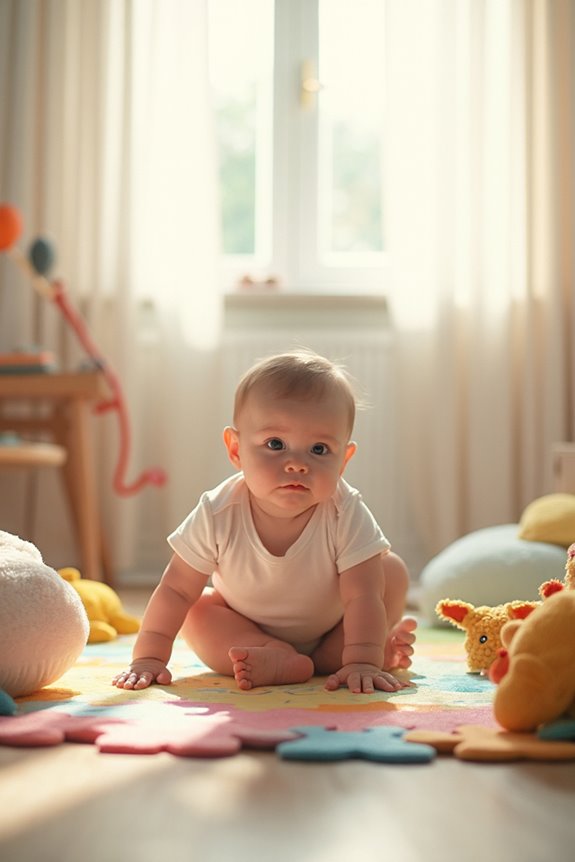
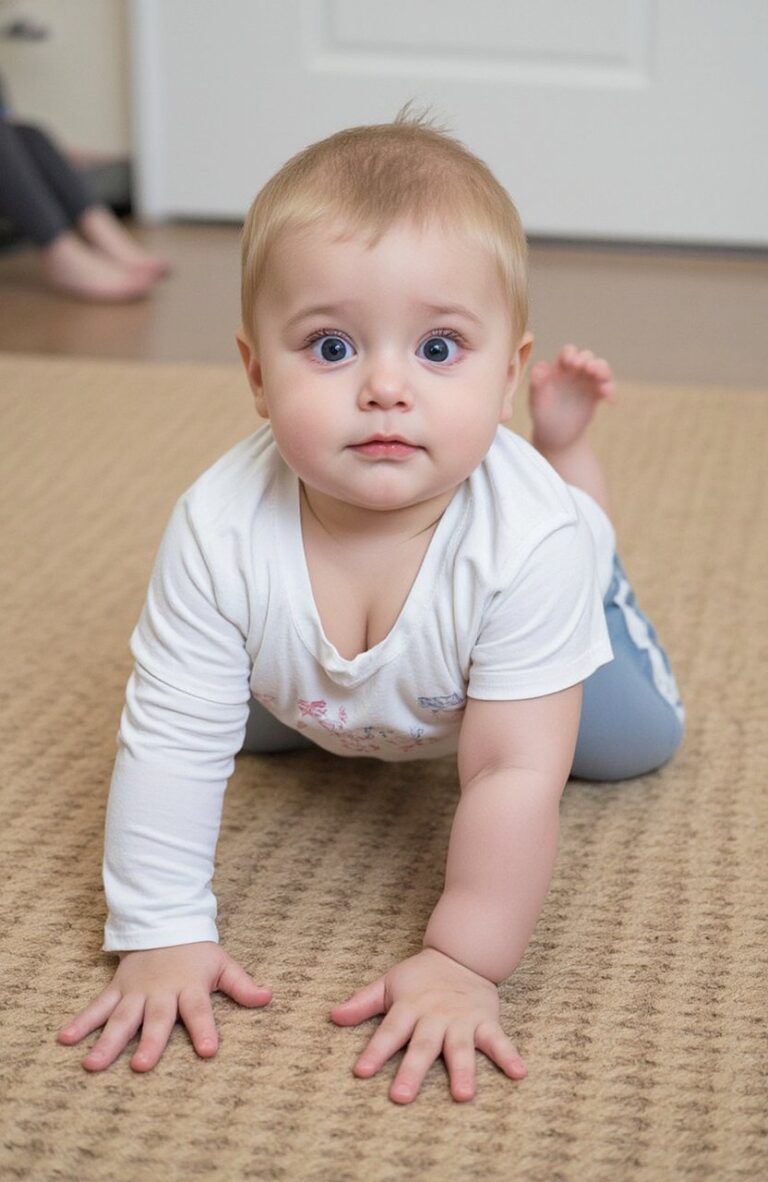
As babies grow, they embark on an exciting journey from sitting to crawling, and this transition is a significant developmental milestone. Around 8 to 9 months, this adventure begins as they shift from sitting to the quadruped position, getting ready for crawling. We can use transition techniques to encourage them, like placing toys just out of reach to motivate movement. Their motor skills enhance through side sitting and kneeling positions, which help develop balance and strength.
- Side Sitting: Offers stability, aiding the transition.
- Kneeling Position: Prepares for further mobility.
- Hands and Knees: Crucial for crawling, fostering exploration.
Some babies might start earlier or later, but with our support, they’ll find their way, growing stronger each day.
Recommended Products
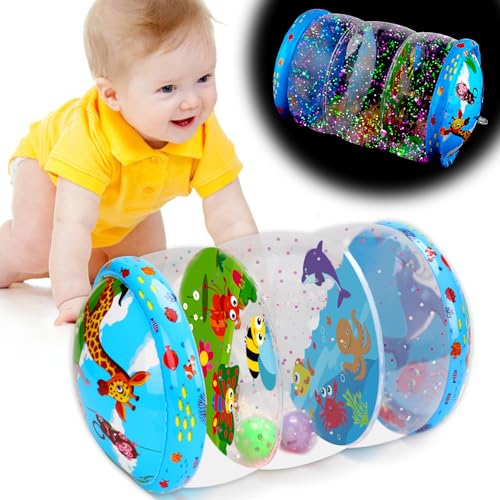
Babies Jumbo Roller Toys with Creative Design: Our rolling baby toy feature cute animals of the sea and land, come with two rattling balls inside. Even after crawling it has fun balls and holes to shake stuff through. Attract baby's attention to help baby crawl. Any baby that is crawling will absolutely love this fun baby crawling toys. Sensory toys for babies. Perfect choice as birthday gifts, great crawling toys for babies 6-12 months. Baby gifts for girls boys 1 year old.
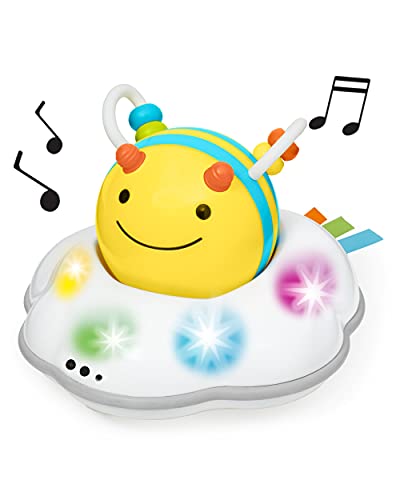
Encourages Crawling in 3 Stages: Our Explore & More Follow-Me Bee crawl toy is designed to grow with your baby, featuring three developmental stages that encourage discovery and exploration, motor skills and sensory development for babies age 5m+

Move and crawl with the animal friends on the Wiggle and Crawl Ball by VTech
Supporting Your Baby’s Sitting and Crawling Milestones
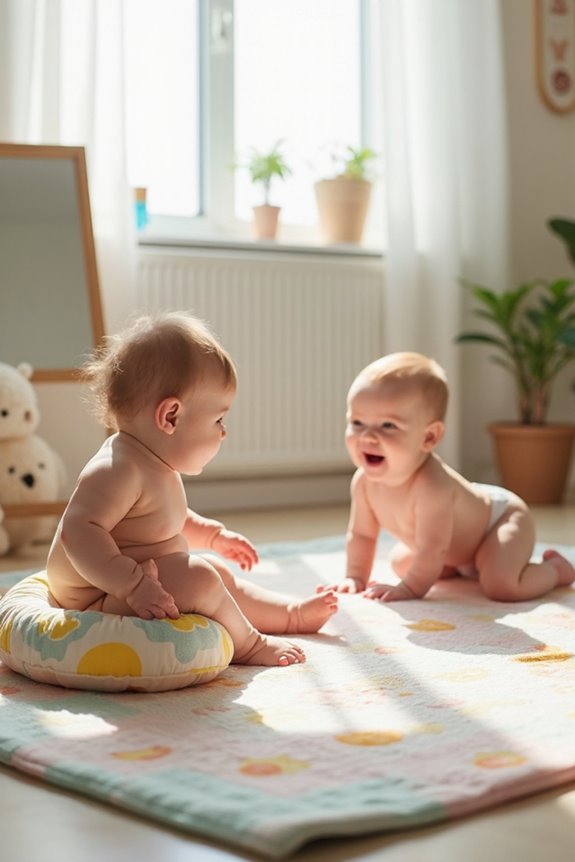
Helping your baby reach their sitting and crawling milestones is both thrilling and essential for their development. We can start by focusing on tummy time, which significantly boosts muscle strength. It’s amazing how this simple activity strengthens those crucial neck and upper body muscles. Let’s create a supportive environment by using pillows to help maintain neck alignment, and place engaging toys just out of reach to encourage stretching and reaching.
- Practice Regularly: Position babies in supported sitting to enhance balance.
- Encourage Movement: Promote play on hands and knees to prepare for crawling.
- Ensure Safety: Clear obstacles and use soft flooring to prevent injuries.
Recommended Products
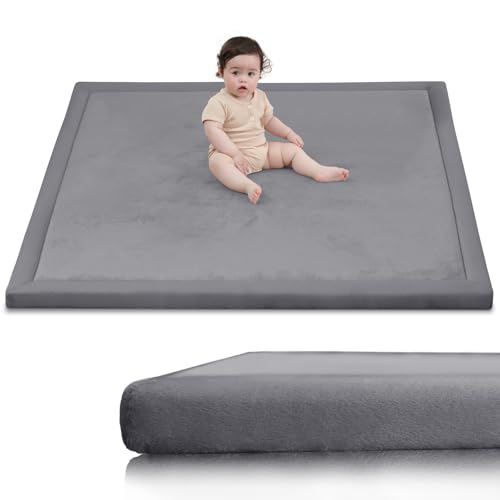
【Safe & Certified for Babies】Our baby play mat is designed with safety as the top priority. Certified by OEKO-TEX fabric standards and tested to meet CPSIA and ASTM requirements, this kids play mat is free from harmful substances. Parents can choose with confidence, knowing their little ones are playing on a non-toxic, ultra-soft crawling mat.

Promote your baby's sensory development: The soft, comfortable baby tummy time water mat is the perfect sensory toy for developing solid head, neck and shoulder muscles as well as refining the hand-eye coordination, fine motor and social skills. The bright, colourful sea animals and eye-catching illustrations will keep your baby playing for hours.

6 SENSORY HANGING TOYS & BONUS CARDS: Elevate playtime with our baby gym's 6 removable toys. These thoughtfully crafted toys cater to your baby's growth needs and spark boundless sensory exploration. As a delightful bonus, we also include 12 colorful milestone cards to celebrate each month of your baby's incredible journey.
Typical Timeline for Sitting and Crawling Milestones
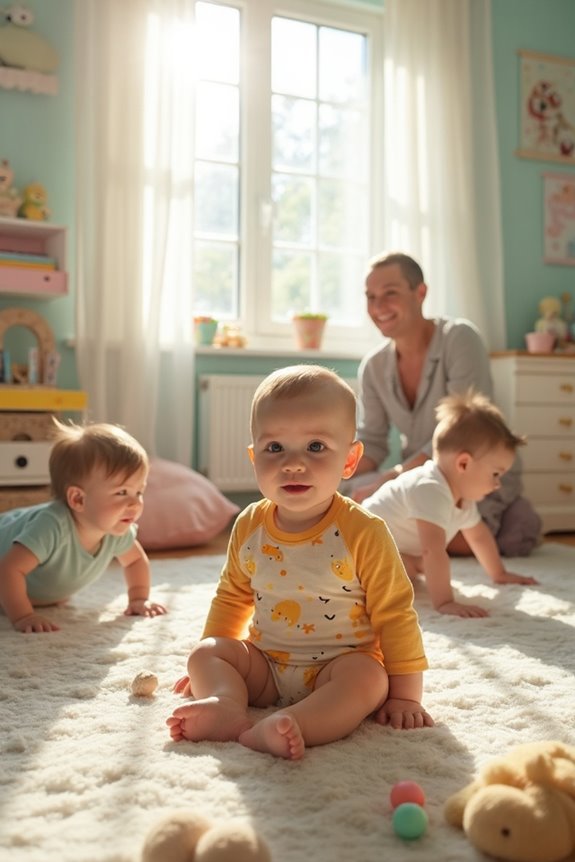
Now that we’ve explored ways to support your baby’s sitting and crawling milestones, let’s discuss the typical timeline for these exciting achievements. We start with sitting posture. Babies often develop head control between 4 and 5 months, which is necessary for sitting with support. By 6 months, many sit in a tripod position. Most achieve unassisted sitting by 8 or 9 months, though every child is unique.
Crawling techniques vary widely. Pre-crawling movements typically appear between 7 and 10 months, with classic crawling often starting between 8 and 10 months. Some babies prefer scooting or rolling. By 12 months, most are mobile. Remember, milestone timing can differ based on muscle strength, practice, and individual growth. Tracking these milestones helps monitor development.
Frequently Asked Questions
How Can I Help My Baby if They Struggle With Sitting Up?
If our baby struggles with sitting up, let’s explore physical therapy options and consider using supportive seating. We can enhance their strength and balance by encouraging practice through play and ensuring a loving, safe environment.
What Are Signs My Baby Might Have Developmental Delays?
When our baby’s developmental milestones seem like distant stars, it’s crucial we notice signs like lack of babbling, sitting difficulties, or poor eye contact. Early intervention’s our guiding light, helping bridge gaps towards brighter developmental paths.
Are There Specific Toys That Aid in Sitting and Crawling?
Let’s explore sitting toys and crawling equipment that can support our little ones. Soft blocks, stacking toys, and tunnels create engaging experiences. These tools help develop motor skills and strength, making playtime both fun and beneficial for growth.
How Should I Respond if My Baby Skips Crawling?
Think of development like a dance—sometimes babies skip steps like crawling. Let’s embrace their unique rhythm with alternative movements. If concerned about skipping milestones, we should consult a pediatrician to ensure our baby’s healthy progression.
Can Baby-Led Weaning Impact Sitting and Crawling Milestones?
Let’s explore how baby-led weaning might impact developmental milestones. By encouraging self-feeding, we’re giving our babies the opportunity to strengthen motor skills, potentially advancing sitting and crawling abilities. It’s a rewarding journey sharing these milestones together.