As an Amazon Associate, we earn from qualifying purchases. Some links on this site are affiliate links at no extra cost to you. Our recommendations are based on thorough research and editorial judgment.

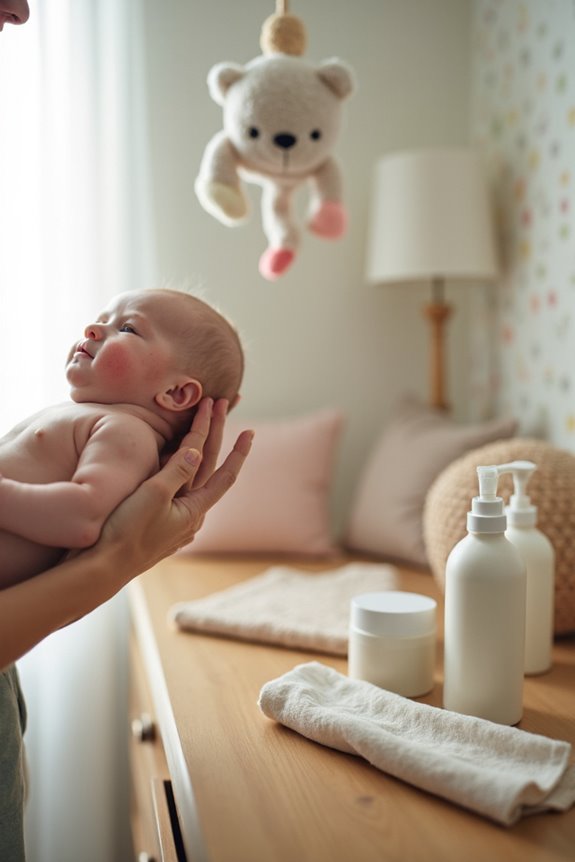
How to Get Rid of Baby Acne: Safe Solutions for Parents

When it comes to baby acne, we can reassure you that it’s a common and harmless condition. To manage it, we should gently cleanse our baby’s skin with lukewarm water and a soft washcloth, avoiding harsh soaps. Also, try to keep the environment free from irritants like strong fragrances. It’s important not to pick at the bumps; they’ll usually clear up on their own within weeks. If it lingers or worsens, consulting a pediatrician is a good step. Keep reading to discover more tips on care and prevention.
Key Takeaways
- Baby acne is harmless and typically resolves on its own within a few weeks; no treatment is usually necessary.
- Maintain gentle hygiene by using lukewarm water and a soft washcloth to cleanse the affected areas.
- Avoid harsh soaps or medicated washes, as they can irritate the skin and worsen acne.
- Consult a pediatrician if acne persists beyond six weeks or shows signs of infection or increased severity.
- Keep the baby’s skin moisturized with mild, fragrance-free products to help soothe irritation without causing more breakouts.
Understanding Baby Acne: What Parents Need to Know
You may be interested



When we first bring our little ones home, it’s common to notice a few skin changes, and one of the most frequent concerns is baby acne. This harmless condition usually appears as small red or white bumps on their cheeks, chin, or forehead and typically resolves within a few weeks. Understanding baby skincare is essential, especially since there are many acne myths out there.
- Baby acne isn’t caused by poor hygiene or diet.
- It’s not a sign of underlying health issues.
- Home remedies like breast milk or oils aren’t proven solutions.
Rest assured, this transient condition is benign and self-resolving. If it persists beyond a few weeks, or seems to cause discomfort, consulting a healthcare provider would be wise.
Common Causes of Baby Acne
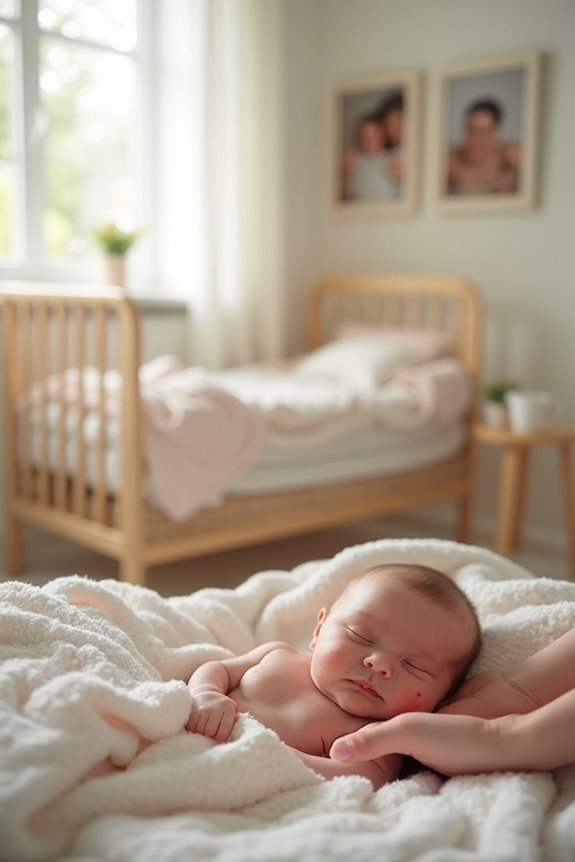
Baby acne is a common concern for many new parents, and understanding its causes can help ease worries. One primary factor is hormonal influence; hormones passed from mother to baby can stimulate oil glands, leading to acne. Typically, as these hormones decrease post-birth, the acne resolves naturally.
Additionally, environmental irritants, like certain skin products or allergens, might worsen the condition. Exposure to saprophytic yeast, specifically *Malassezia*, can also trigger an inflammatory response, contributing to acne-like symptoms. While genetic predisposition isn’t a direct cause, it may influence the severity.
Recognizing Symptoms and Characteristics
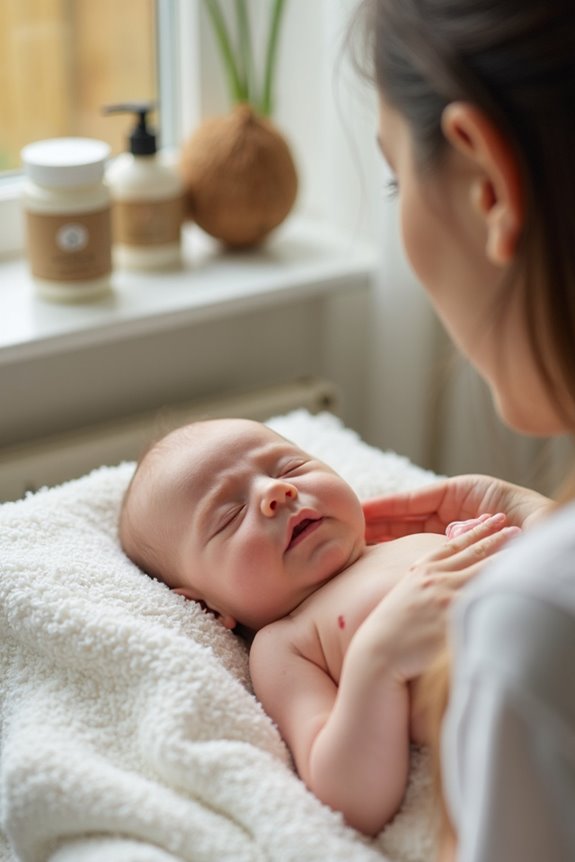
Understanding the symptoms and characteristics of baby acne can help us respond appropriately to this common condition. Recognizing these signs is essential for effective symptom identification.
- Affected Areas: Typically appears on the face, especially the cheeks, forehead, and chin, but can also show up on the chest and back.
- Appearance: We’ll notice small red bumps or pustules, sometimes with a white center.
- Visibility: The acne often becomes more visible when our little one cries.
- Pain-Free: Thankfully, baby acne is not painful and lacks blackheads.
Most cases resolve within weeks, usually without treatment. By understanding these acne characteristics, we can reassure ourselves that this is a normal stage in our baby’s early life.
Risk Factors for Developing Infantile Acne
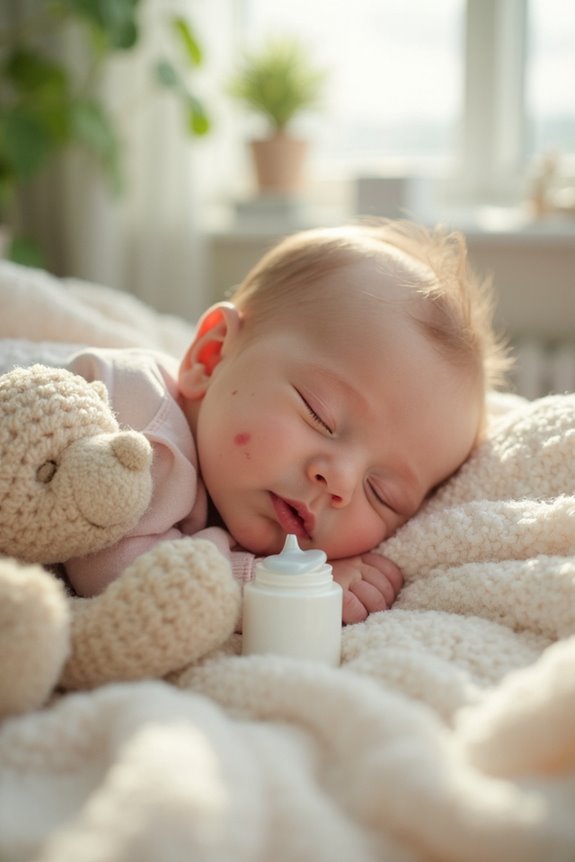
Although infantile acne is relatively uncommon, it’s important for us to be aware of the various risk factors that can contribute to its development. Here are a few key points to consider:
- Genetic Factors: If there’s a family history of acne, our little ones might be more prone to it.
- Hormonal Influences: Androgens can stimulate oil glands, leading to acne. Changes in hormones, even from maternal exposure, can play a role.
- Environmental Triggers: Irritants like certain skincare products or laundry detergents can worsen the situation.
- Specific Conditions: Rare medical issues, such as congenital adrenal hyperplasia, can also increase risk.
Natural Resolution: When to Wait It Out
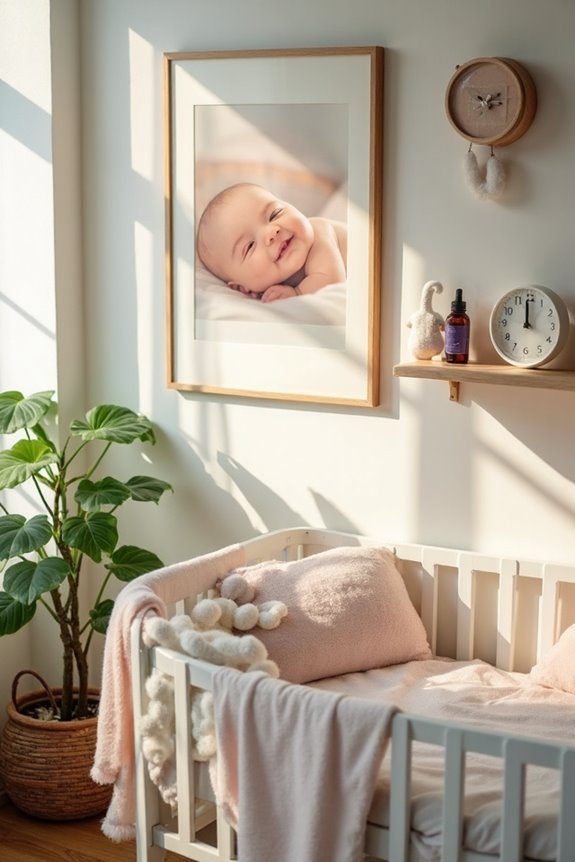
When it comes to baby acne, many of us might feel concerned, but it’s important to remember that this condition usually resolves on its own. We should embrace the idea of natural healing, as baby acne often clears up within a few weeks to a couple of months. This harmless condition, driven by hormonal influences passed from mother to baby, isn’t a sign of poor hygiene or future acne struggles.
Here’s what we can keep in mind:
- Baby acne is temporary and typically fades as maternal hormones diminish.
- Scarring is unlikely, so gentle care is key.
- If it persists beyond a few months, consulting a healthcare provider is advisable.
Patience is essential; let nature take its course!
Recommended Products

HYPOCHLOROUS ACID: (HOCl) is a naturally occurring molecule found in the human immune system that, when used on skin, helps cleanse impurities and supports natural skin healing. This gentle hypochlorous acid spray for your little ones is safe, non-toxic, and designed for delicate facial skin.

An extra-gentle gel that gently cleanses, hydrates, and soothes baby’s sensitive skin. This lightly scented body wash and shampoo is formulated to safely clean, nourish and soften newborns’ and children’s delicate hair and skin.
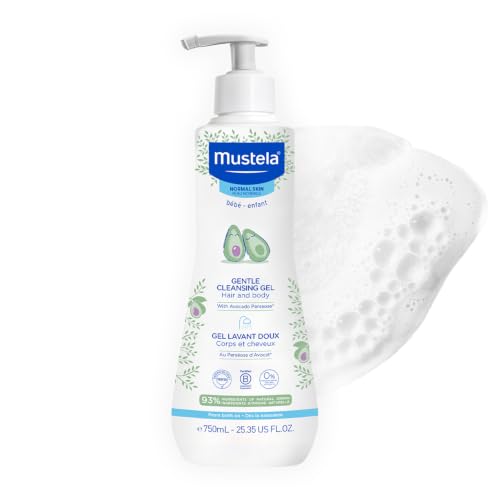
An extra-gentle gel that gently cleanses, hydrates, and soothes baby’s sensitive skin. This lightly scented body wash and shampoo is formulated to safely clean, nourish and soften newborns’ and children’s delicate hair and skin.
Gentle Hygiene Practices for Your Baby
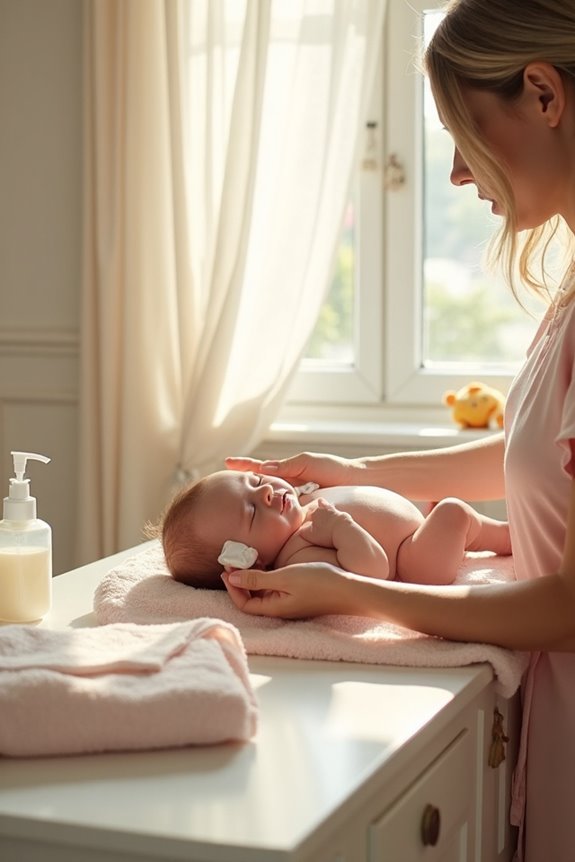
Caring for your baby’s skin, especially when dealing with baby acne, requires a gentle touch and thoughtful hygiene practices. We can make a difference with some simple steps:
- Cleanse with Lukewarm Water: This helps soothe the skin without irritation.
- Gentle Cleansing: Use a soft washcloth and a mild, fragrance-free soap to avoid scrubbing.
- Pat Dry: After washing, gently pat the skin dry instead of rubbing.
- Avoid Harsh Products: Steer clear of medicated washes; they can aggravate the situation.
Recommended Products

6-Pack KeaBabies Baby Wash Cloths - Sized at 10"x10" (25x25cm), these soft 500GSM premium viscose derived from bamboo washcloths baby are the perfect newborn bath essentials for baby boys and girls.

Soft Baby Washcloths for Delicate Skin: Made of 90% rayon made from bamboo and 10% cotton for a smooth touch when washing newborn and infant faces and tiny hands during everyday care

Soft & Gentle Muslin Washcloths: Crafted from 100% premium muslin cotton, Comfy Cubs baby washcloth is specially designed for delicate, sensitive baby skin. Great for keeping your newborn clean and comfortable during bath time.
Avoiding Irritants and Harsh Products
To keep baby acne at bay, we need to be vigilant about avoiding irritants and harsh products that can worsen the condition. By focusing on irritant identification and thoughtful product selection, we can create a soothing routine for our little ones. Here are some tips to consider:
- Choose fragrance-free and paraben-free products to minimize irritation.
- Look for items labeled “hypoallergenic” for sensitive skin.
- Avoid alcohol-based products, which can strip natural oils.
- Steer clear of harsh surfactants and artificial dyes.
Using gentle, dermatologist-tested products helps ensure our babies’ skin stays healthy. By paying attention to these details, we can protect their delicate skin from unnecessary irritation and support a calm, clear complexion.
Recommended Products

Extra Mild Formula: Mild 2 in 1 solution is specially designed for your baby's sensitive skin, and is clinically proven to be gentle on baby’s skin and scalp
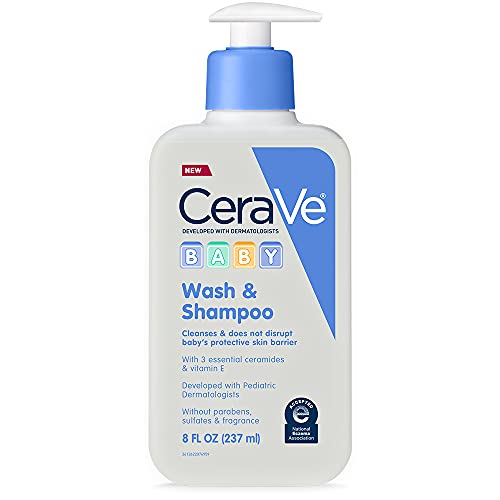
[ DEVELOPED WITH PEDIATRIC DERMATOLOGISTS, NO NASTIES & TEAR-FREE ] this gentle, tear-free, non-irritating bathtime product is a 2-in-1 baby shampoo and body wash that is free of fragrance, parabens, dyes, phthalates, and sulfates.

TIP-TO-TOE CARE: Baby Dove Fragrance Free Moisture Hypoallergenic Baby Wash gently cleanses baby's hair and skin during bath time; suitable for sensitive skin and gentle enough for newborn care.
When to Consult a Pediatrician
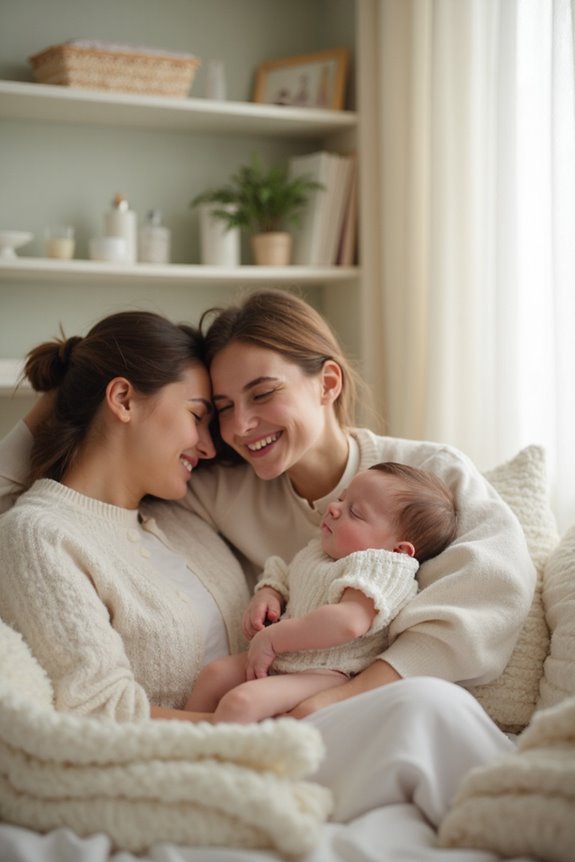
Though baby acne is a common and typically harmless condition, knowing when to reach out to a pediatrician can help us ensure our little ones get the best care possible. Here are some key signs that warrant a pediatric evaluation:
- Persistent Acne: If the acne lingers beyond six weeks, it’s wise to consult a doctor.
- Worsening Symptoms: Increased redness, swelling, or tenderness may indicate an infection needing timely intervention.
- New Symptoms: Watch for signs like blisters, peeling skin, or feeding difficulties—these should prompt a visit.
- Concerns About Scarring: If we worry about potential scarring or cysts, a pediatrician can guide us.
Even a simple call can provide reassurance. We’re in this together, and our children’s health matters!
Recommended Products

Clinically Tested & Mom-Approved: National Eczema Association Approved, Dermatologically Tested, and Pediatrician Recommended. This 100% USDA Organic baby eczema and cradle cap ointment provides instant relief, faster recovery, and long-term skin support you can trust - backed by our Satisfaction Guarantee!

Severe Acne Spot Treatment: Maximum strength, 10% Benzoyl Peroxide fights severe acne and prevents new acne from forming. Dermatologist developed and tested; Oil free and fragrance free

Maximum strength: Contains 10% benzoyl peroxide for powerful over-the-counter acne treatment; rapidly targets stubborn pimples and breakouts to help achieve clearer-looking skin without a prescription
Tips for Preventing Baby Acne
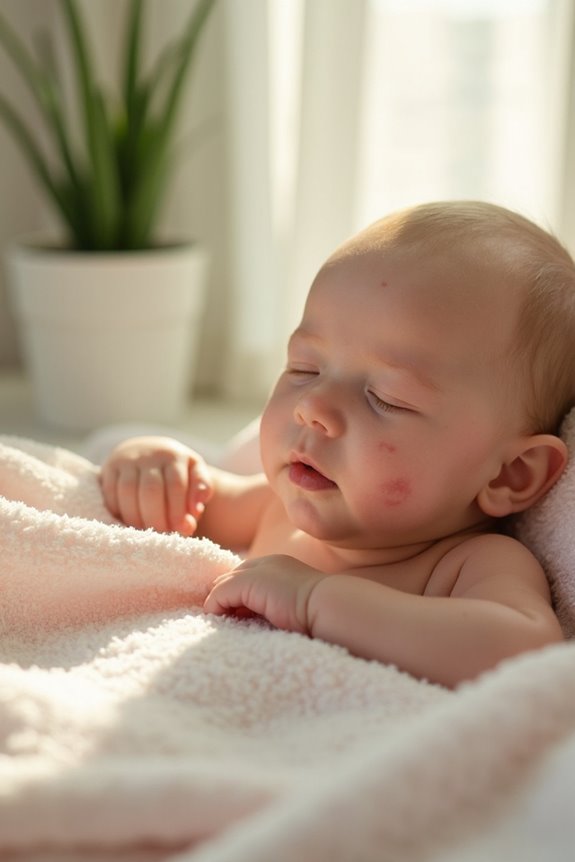
While baby acne is often a temporary condition, there are several effective strategies we can use to help prevent it. By focusing on baby skincare and establishing soothing routines, we can support our little ones’ delicate skin.
- Daily Cleansing: Gently wash your baby’s face with warm, lukewarm water each day.
- Mild Products: Use fragrance-free, mild soap specifically designed for babies.
- Gentle Care: Always handle their skin gently and avoid scrubbing or squeezing any blemishes.
- Clean Environment: Keep their surroundings free from irritants and allergens.
- Watch Hydration: Ensure they stay well-hydrated without overdoing it.
Recommended Products

NEWBORN BODY WASH FOR DELICATE SKIN: 8-fluid ounce bottle of Aveeno Baby Healthy Start Newborn Wash with prebiotic oat gently cleanses your little one's delicate skin, and is mild enough to start using from day one for newborn skin care

Best-selling 2-in-1 Shampoo and Body Wash leaves skin and hair soft and clean; Tear free and perfect for sensitive skin, our formula is gentle for baby, but great for the whole family
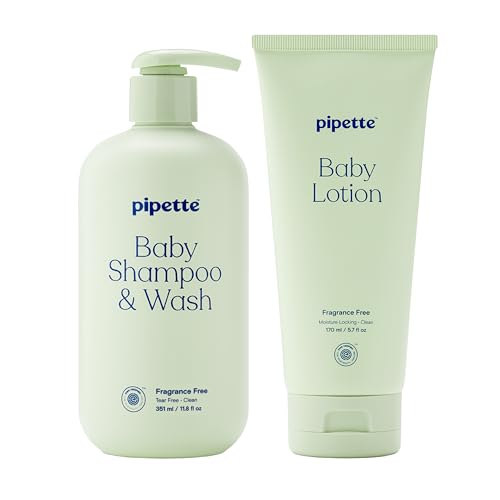
DELICATE SKIN CARE: Our set of safe and gentle bath essentials provide what you'll need every snuggle-filled day to cleanse delicate hair and skin while replenishing essential moisture and calm dry skin from head to toe.
Frequently Asked Questions
Can Baby Acne Appear on Areas Other Than the Face?
Yes, baby acne can appear on areas beyond the face, like the neck and chest. We know acne triggers may vary, but it’s essential to keep our little one’s skin gentle and clean during this phase.
Is Baby Acne Contagious to Other Babies?
Think of baby acne as a passing cloud in our little one’s sky; it’s not contagious at all. Understanding baby acne causes and gentle baby skin care helps us embrace this fleeting phase with love and patience.
Can Changing Formula Affect Baby Acne?
We understand how changing formula types can impact our little one’s skin sensitivity. If we notice acne, switching to a hypoallergenic option might help. Let’s keep an eye on their skin and consult a professional if needed.
Are There Any Home Remedies for Baby Acne?
We remember when our little one had baby acne, and we felt helpless. Natural treatments like gentle cleansing and soothing oils, such as coconut oil, can help, but let’s consult our pediatrician first, just to be safe.
Will Baby Acne Leave Permanent Scars?
We understand your concerns about baby skin and potential scarring from acne. Thankfully, most cases resolve without leaving permanent marks. With gentle acne treatments, we can support our little ones through this temporary phase together.