As an Amazon Associate, we earn from qualifying purchases. Some links on this site are affiliate links at no extra cost to you. Our recommendations are based on thorough research and editorial judgment.


When Do Babies Start Cooing and What to Expect?

Babies typically start cooing around 2 months old, delighting us with vowel-like sounds such as “ooh” and “aah.” These early vocalizations are critical for developing language skills, cognitive abilities, and emotional expressions. As they grow, expect increased sound variation, usually transitioning to babbling by 6 months. Engage with your baby’s coos to boost their sound recognition and social interaction. For a deeper understanding of your baby’s vocal journey, there’s much more to explore.
Key Takeaways
- Babies typically start cooing around 2 months with simple vowel-like sounds such as “ooh” and “aah.”
- Cooing marks the beginning of early vocalizations essential for language development and social interaction.
- Sound variations and vocal play increase between 4 to 6 months, leading to babbling around 6 months.
- Early vocalizations support cognitive development and help babies express emotions and needs.
- Parental engagement with coos enhances auditory development and sound recognition skills.
Age Milestones for Cooing
You may be interested



When it comes to understanding when babies start cooing, there are a few key milestones we can look at to guide us. Typically, cooing begins around 2 months. At this stage, you’ll notice your baby experimenting with cooing techniques, producing delightful sound variations, like “ah-ah-ah” and “ooh-ooh-ooh.” Every child’s pace is unique, so some may coo earlier or later, and that’s okay.
Let’s explore what to expect:
- 2 Months: First vowel-like sounds emerge.
- 4 to 6 Months: Sound variations increase, with more frequent cooing.
- 6 Months: Transition to babbling, adding complexity.
The journey from cooing to more advanced vocalizations is a beautiful progression. By gently encouraging these early sounds, we help guide their development.
Importance of Early Vocalizations
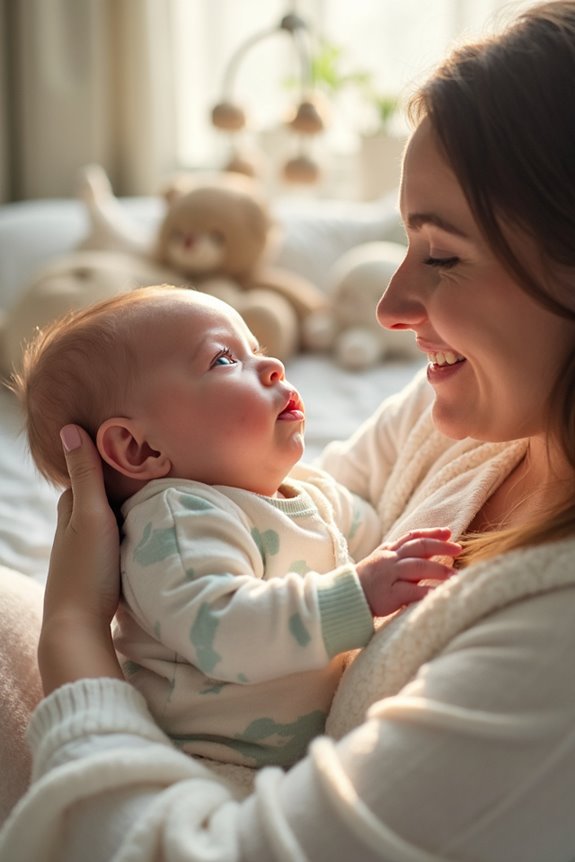
Although it might seem like just adorable babbling, early vocalizations play a significant role in your baby’s development. These sounds are more than mere noise; they’re a pathway to vocal imitation and cognitive development. When babies mimic the sounds around them, they’re not only preparing for language development but also engaging in social interaction that’s vital for their growth.
We should appreciate how these vocalizations help babies express emotions and needs, laying a foundation for effective communication. By responding to their coos, we reinforce their understanding of social influence and interaction patterns.
Research shows that infants’ vocal exploration, like forming and clustering sounds, is crucial. This process links sounds to meanings, creating a solid base for future language acquisition.
Recommended Products

Toddler Montessori Learning Toys: This educational talking flash card features 224 colorful illustrations and sounds. It includes animals, vehicles, food, fruits, and vegetables etc. Kids can expand their vocabulary and enhance cognitive skills while playing

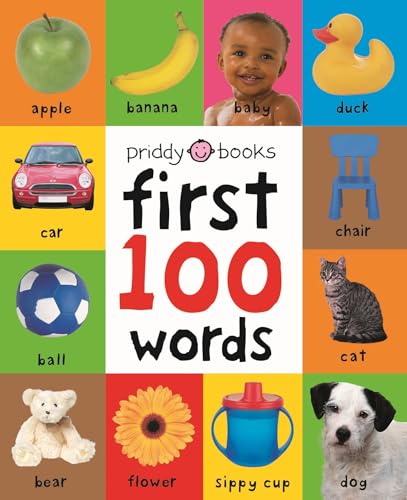
Book for helping little ones learn how to talk
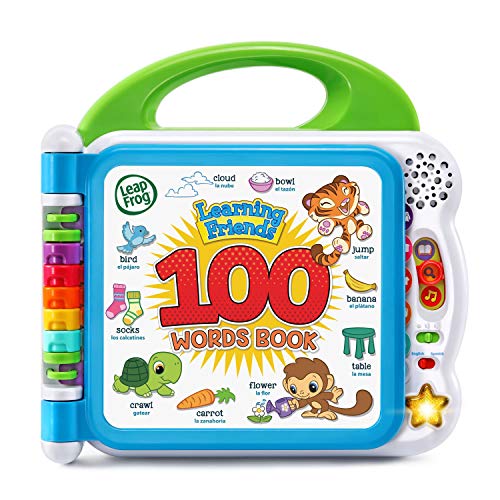
Meet learning friends Turtle, Tiger and Monkey who will introduce more than 100 age-appropriate words chosen by learning experts
Progression of Baby Sounds
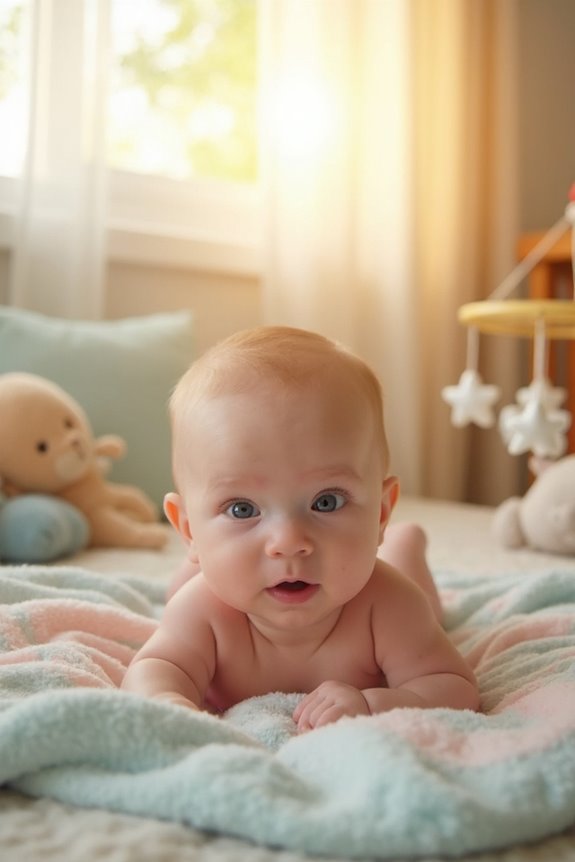
In the journey of a baby’s vocal development, the progression of sounds is a fascinating process to observe. As we watch our little ones evolve from cooing around two months, we see them engage in sound experimentation, producing delightful “oo,” “ee,” and “ah” sounds. This stage not only marks the transition from crying to cooing but also helps babies develop muscle control necessary for future speech.
- Cooing Stage: Begins around 2 months with varied sounds like “ooh” and “aah”.
- Vocal Play: After cooing, babies start making bubbly and raspberry sounds.
- Early Speech Sounds: By age 3, they typically learn “B,” “M,” and “P”.
As they experiment, they also start to imitate, setting the groundwork for language mastery.
Recognizing and Responding to Sounds
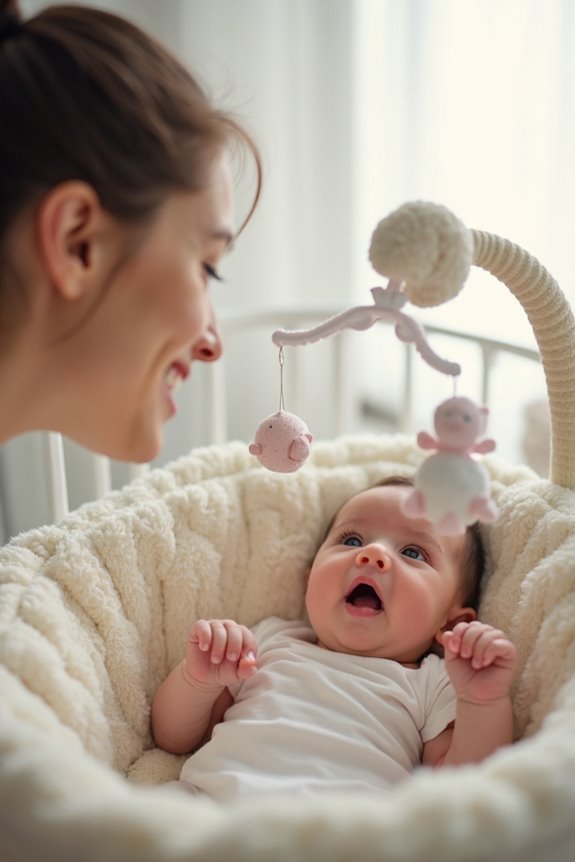
As we delve into the world of “Recognizing and Responding to Sounds,” it’s essential to understand how vital this stage is in a baby’s auditory development. From the very beginning, newborns possess basic sound awareness, localizing sounds with eye movements or slow head turns. By four to six months, they’re not just aware but actively responding to changes in tone, turning towards new sounds, and even smiling at familiar voices. Let’s consider how:
- Sound Localization: Newborns start with basic skills, gradually refining them over the first year.
- Interactive Environments: Exposure to varied sound sources supports auditory development.
- Parental Engagement: Our interactions enhance their sound recognition and response.
Recommended Products

The Baby Einstein Take Along Tunes inspires a lifelong love of music with hours of entertainment; volume control is music to mom and dad's ears


Monitoring Language Development
Let’s explore how we can keep track of our little one’s language development. Monitoring progress helps us understand their growth and respond to their needs.
- Language Tracking: Babies begin cooing around 2 to 3 months with soft vowel sounds. As they grow, notice how they start making ‘bubbly’ noises and experimenting with tones.
- Sound Differentiation: By 2 to 4 months, our babies respond to different tones, showing early social interaction skills. Watch for imitation of sounds they hear, as it signifies their budding communication abilities.
- Milestone Awareness: By 6 to 9 months, they start recognizing phrases and turning towards familiar voices. Understanding this timeline helps us support their journey, ensuring they’re reaching each milestone smoothly.
Recommended Products

【Multi-functional Learning Tablet Toy】The toddler tablet covers multiple themes, including Alphabet, Numbers, Colors, Shapes, Animals, Vehicles, Instrument, Fruits and Date. Trilingual learning toy with function of reading, sound effect and music, which makes your kid learn cognition, vocabulary, listening and pronunciation. Enjoy great fun with this interactive toys for 1 year old girl boy!

Interact With Friends: Meet learning friends Turtle, Tiger and Monkey who will introduce the alphabet through more than 100 age-appropriate words chosen by learning experts
Encouraging Communication Skills
Jumping into the world of baby talk, we can help our little ones develop communication skills by encouraging their natural vocalizations. By engaging in vocal play and sound exploration, we open the door to a language-rich environment. Here’s how we can foster these skills:
- Talk during activities: As we bathe or feed our babies, describing what we’re doing enriches their language exposure.
- Music and rhythm: Introducing music stimulates vocal experimentation. Simple songs or rhymes can make a difference.
- Reading aloud: Sharing stories exposes them to new words and sentence structures.
- Responding to babbling: By acknowledging their sounds, we encourage more vocalizations.
- Imitation games: Mimicking sounds together can enhance their vocal imitation abilities.
Recommended Products


When to Seek Professional Advice
Recognizing and encouraging early vocalizations is wonderful, but it’s equally important to know when we might need a little extra help. If your little one isn’t cooing by 4 months or babbling by 6 months, it could be time to consider developmental concerns. Let’s look closer at potential red flags:
- Lack of Vocalization: No cooing or varied sounds by 4 months.
- Limited Interaction: Not responding or initiating sounds.
- Hearing Assessment Needed: Unresponsive to voices or sounds.
If these signs resonate with you, consult a healthcare provider. They might suggest a hearing assessment or a comprehensive developmental evaluation. Remember, we’re all here to ensure our babies thrive, so don’t hesitate to seek guidance from trusted professionals.
Recommended Products

Advanced Belly Bump Speakers: Allows you to safely play music, talk, tell stories, sing lullabies or read books directly to the womb from your iOS, Android or any standard...
Frequently Asked Questions
Can Cultural Differences Affect When Babies Start Cooing?
We can’t ignore that 98% of babies hit cooing milestones around 2-3 months. Cultural practices may shape vocal interactions, but they don’t generally shift the age when cooing begins. Let’s cherish these universal early sounds.
Do Premature Babies Coo at the Same Age as Full-Term Babies?
We understand your concern about premature development. Premature babies often reach cooing milestones later than full-term peers due to adjusted age. Each baby’s journey is unique, and with love and support, they’ll find their own rhythm.
How Does Cooing Differ in Bilingual Households?
In bilingual households, cooing involves more diverse sounds due to bilingual exposure. We see enhanced language development as infants experiment with phonetic patterns, often leading to earlier recognition and differentiation between languages. It’s truly fascinating!
Are There Toys That Specifically Promote Cooing?
Let’s explore cooing toys together! Did you know 85% of babies coo more with sound stimulation? By incorporating interactive toys that promote vocal play, we can create enjoyable moments that foster our little ones’ early language development.
Can Cooing Be Influenced by Siblings’ Interactions?
We believe sibling bonding enriches interaction patterns, fostering a warm environment. Although siblings don’t directly hasten cooing, their presence encourages social responsiveness and vocal play. Let’s cherish these moments of shared growth and discovery together.