As an Amazon Associate, we earn from qualifying purchases. Some links on this site are affiliate links at no extra cost to you. Our recommendations are based on thorough research and editorial judgment.

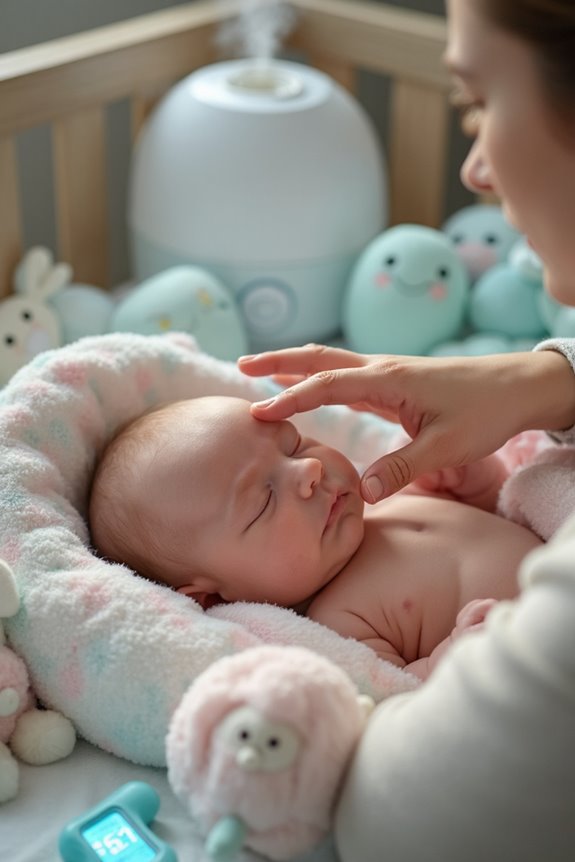
What Is Considered a Fever in Babies? Signs to Watch For

When we’re monitoring our little ones, a fever is a key sign we shouldn’t ignore. For babies, a rectal temperature of 100.4°F (38°C) or higher is considered a fever. Look for signs like irritability, changes in sleep or feeding, and unusual behaviors. Be cautious if there’s rapid breathing or a rash. Newborns are especially susceptible to serious infections, so consult a healthcare professional if you’re worried. There’s more to uncover about managing and understanding infant fevers.
Key Takeaways
- Fever in babies is defined as a rectal temperature of 100.4°F (38°C) or higher.
- Monitor for behavioral changes such as unusual sleepiness, mood swings, or irritability.
- Breathing changes and physical symptoms like rapid heart rate and blotchy skin are key signs.
- Neonates (0-28 days) with fever require immediate healthcare consultation due to infection risks.
- Viral infections and rare serious conditions, like meningitis, can cause fever in babies.
Understanding Fever in Infants
You may be interested



When it comes to understanding fever in infants, it’s crucial for us to recognize the signs and know when to take action. In our journey of infant care, debunking fever myths helps us focus on real symptoms. Let’s look at what to watch for:
- General Appearance: Your baby might seem pale or yellow.
- Breathing Changes: Notice if they’re breathing faster or harder.
- Behavioral Changes: Increased fussiness and crying can be signals.
- Physical Symptoms: Warm, flushed skin is common.
- Overall Activity: A lack of interest in play is telling.
We should also be mindful of irritability, sleep disturbances, and feeding issues. Trust your instincts—if something feels off, it might be time to consult a healthcare professional. Understanding these signs ensures we’re prepared to care for our little ones.
Temperature Criteria for Fever
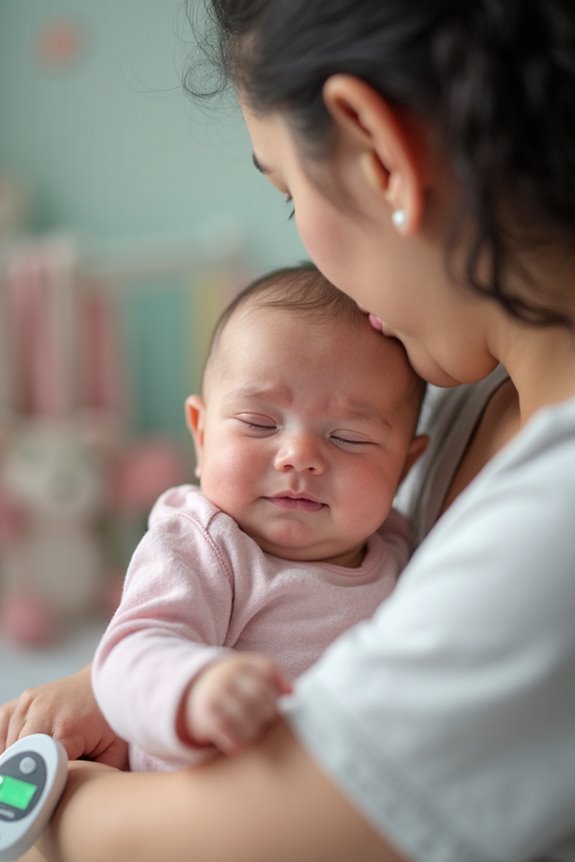
Understanding the temperature criteria for fevers in infants helps us make informed decisions about our baby’s health. Let’s break down the essentials:
- Rectal Temperature: The gold standard, with fever defined at 100.4°F (38°C) or higher. It’s the most accurate, especially for those tiny ones under 3 months.
- Underarm Temperature: Considered a fever at 99°F (37.2°C). Quick, but less precise.
- Forehead and Ear Temperatures: Digital methods are best. Avoid forehead strips and ear thermometers for infants under 6 months.
Let’s dispel fever myths—every child’s different. Accurate temperature measurement is key. Always be prepared to seek medical advice for high readings or if your instinct nudges you. We’re here to support each other in ensuring our little ones thrive.
Recommended Products

PRECISION FOR PEACE OF MIND: Delivers accurate temperature readings in just 10 seconds, so you can quickly assess your baby's health at any time of day or night.

ACCURATE FOR ALL AGES: Designed for infants, toddlers, and kids, this thermometer delivers reliable readings whether used rectally, orally, or under the arm, adapting as your child grows.

RECTAL THERMOMETER FOR BABIES: The short, flexible tip makes this baby thermometer gentle and safe to use for taking your baby's rectal temperature. The large digital display gives a fast, accurate reading so you quickly know if your infant has a fever.
Age-Specific Concerns and Guidelines
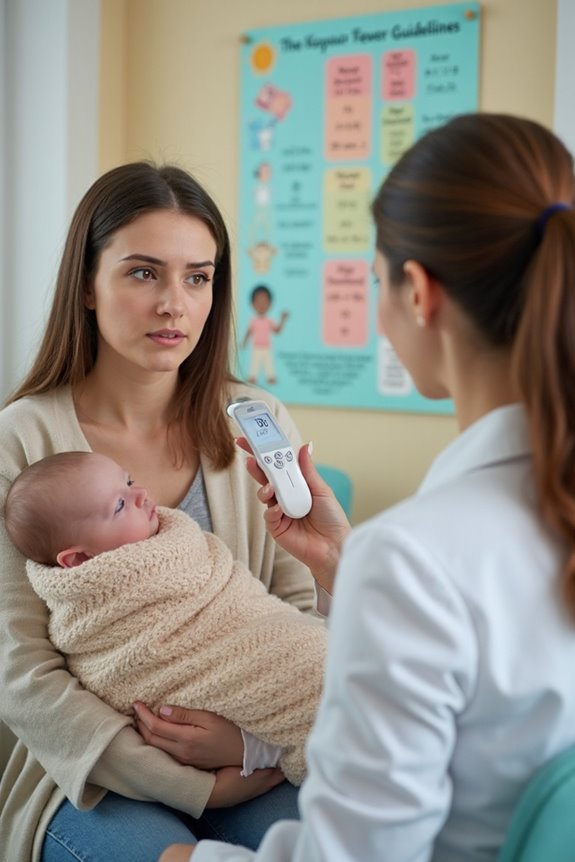
Caring for a baby with a fever can be concerning, especially since the impact of fever varies significantly with age. Let’s delve into age-specific guidelines that can help us navigate this situation together.
- Neonates (0-28 Days): Fever in this age group is critical due to higher risks of serious infections like meningitis. Immediate healthcare consultation is essential.
- Young Infants (29-90 Days): Close monitoring and sometimes a thorough diagnostic evaluation are needed to rule out bacterial infections.
- Infants 3-12 Months: Generally, we can manage fever with observation and symptom relief unless other concerning signs appear.
Risk stratification and parental education are crucial. We should learn when to seek medical help and how to manage symptoms at home effectively, ensuring our little ones’ safety and comfort.
Recommended Products
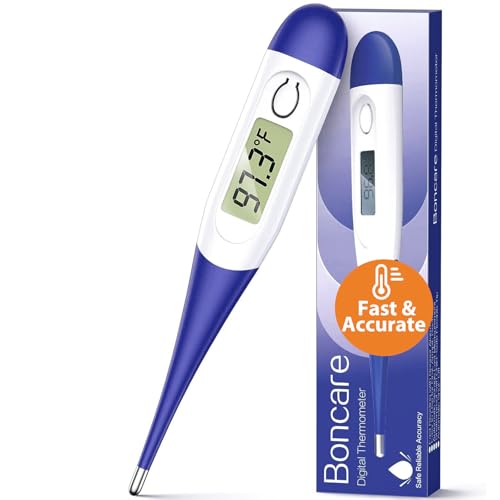
Safe Thermometers for Adults and Babies: Boncare thermometer comes with a soft silicone tip and a reliable stainless - steel probe. It's designed for oral, rectal, or axillary use, making it suitable for infants, children, adults, and dogs. It offers great convenience and ensures safety for you and your family.

Accurate reading in 30 seconds (°F/C)

Accurate, Safe & Quick: Boncare thermometers are equipped with the latest high - sensitivity advanced sensory probes, ensuring highly accurate results within just 9 seconds. This remarkable accuracy makes it a reliable choice for measuring the temperature of infants, children, adults, and the elderly.
Common Causes of Fever in Babies
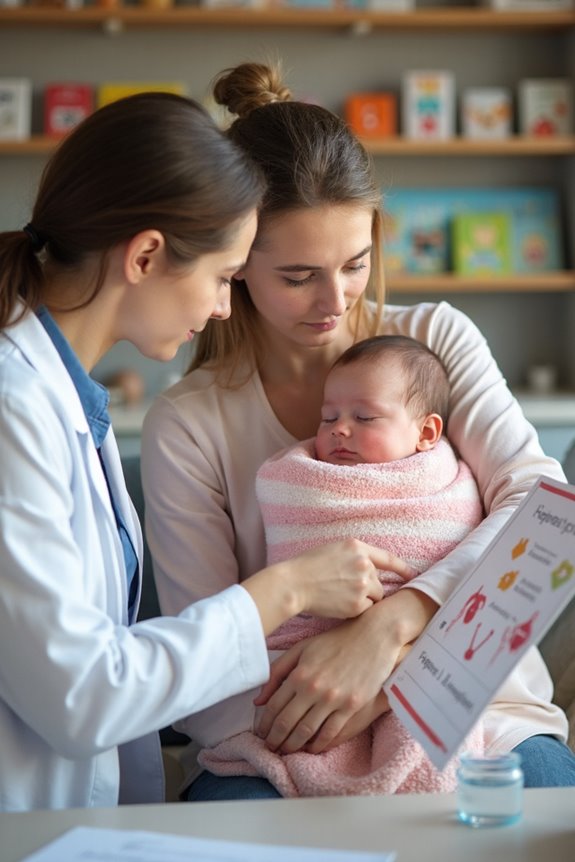
Fever in babies can be caused by a variety of factors, and knowing these can help us respond effectively. Viral infections are common culprits. For instance, the common cold, flu, and RSV often lead to fevers. Croup and roseola also fall under this category, with roseola known for high fevers followed by rashes. On the other hand, bacterial infections are another significant cause. Babies might experience fever due to urinary tract infections or ear infections. Pneumonia, whether viral or bacterial, is another possibility. Throat or sinus infections can also lead to fevers. Additionally, rare but serious conditions like sepsis and meningitis require immediate attention. Let’s always stay alert to these causes to ensure the well-being of our little ones.
Signs and Symptoms to Monitor
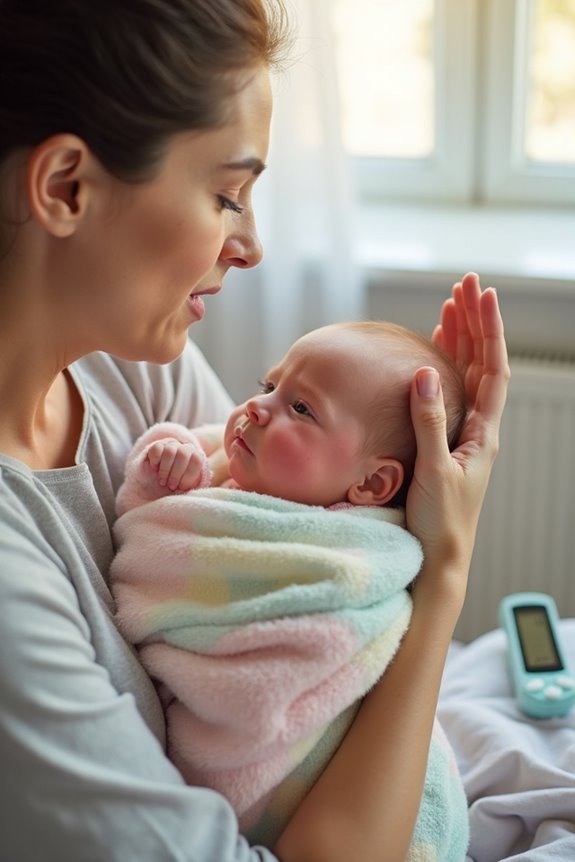
When we notice a baby with a fever, it’s essential to monitor certain signs and symptoms closely. Behavioral changes are crucial to observe. We might see our little one becoming unusually sleepy or difficult to wake, displaying mood swings, or showing increased irritability. If they’re less interested in play, these are signals worth noting.
Physical symptoms can also tell us much. We should check for rapid heart rate, blotchy skin, or sweating. In some instances, convulsions or seizures might occur, requiring immediate attention. Additionally, look for sore throat signs or any skin that feels flushed and warm to the touch.
Assessing Fever Severity and Treatment Options
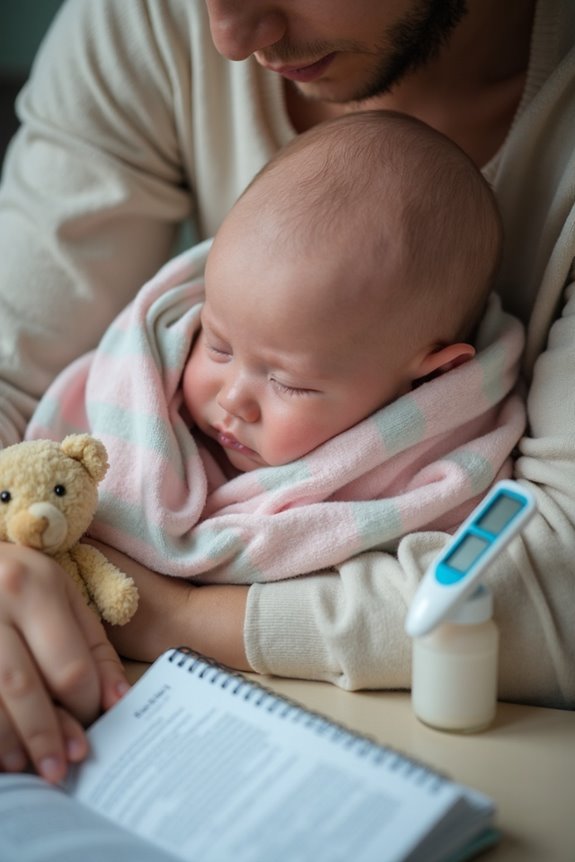
How can we determine if our little one’s fever is a cause for concern? Let’s clear up some fever misconceptions. A temperature of 38°C or higher is considered a fever, often linked to viral illnesses. While fever itself isn’t distressing, hidden causes like ear or kidney infections might be painful.
Our treatment myths often suggest quick fixes, but let’s focus on what’s proven. Here are key steps:
- Measuring: Use a rectal thermometer for accuracy.
- Medication: Antipyretics like acetaminophen or ibuprofen help but only for babies over 3 months.
- Hydration: Keep fluids up to prevent dehydration.
- Clothing: Dress lightly to manage body heat.
Recommended Products

Accurate reading in 8 seconds

A century of powerful relief: At Vicks, we believe everyone deserves a touch of care; you can rely on our line of digital thermometer for adults, kids and babies to provide quick, accurate results when you need them most
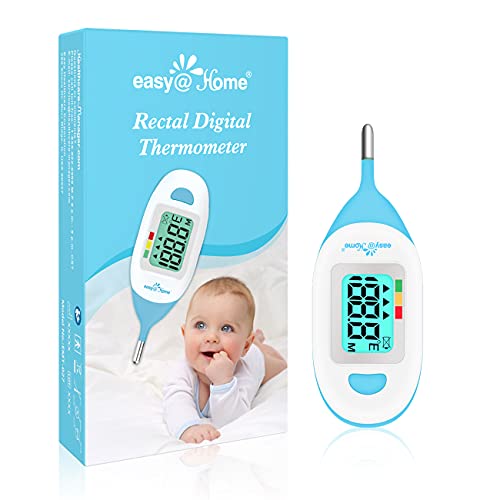
Fast & Comfortable Rectal Readings for Babies: This baby rectal thermometer delivers fast readings in about 10 seconds. Designed for infant and newborn rectal use: the short, soft, and flexible probe helps provide a comfortable and gentle temperature-checking experience for babies, toddlers, and kids.
Age-Specific Management Considerations
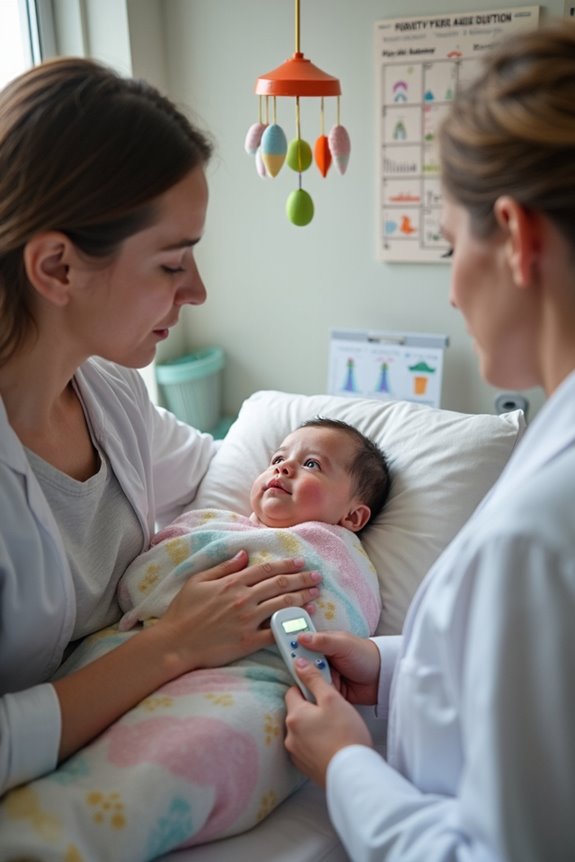
Although we might feel a bit anxious when our baby has a fever, understanding age-specific management can help us make informed decisions. There are key age-related differences we should consider for each developmental stage.
- Newborns (0-28 Days): Any fever requires immediate clinical evaluation due to high risk for serious infections. Hospital admission and antibiotics are common.
- Infants (8-21 Days): Even well-appearing babies often need hospital evaluation and testing, especially if they were born prematurely or have other health issues.
- Infants (22-28 Days): Similar to the 8-21 day group, but some might be monitored at home if well-appearing.
- Infants (29-60 Days): Clinical appearance guides the need for tests and hospital observation; outpatient care is possible for low-risk infants.
- Infants Over 3 Months: Focus on symptoms, history, and risk factors; less on labs unless needed.
Accurate Fever Diagnosis in Infants
Accurate diagnosis of fever in infants is crucial for ensuring their health and well-being, as fevers can signal serious underlying conditions. We need to debunk fever myths and focus on solid diagnostic methods. A fever in our little ones is a temperature above 100.4°F (38°C). For the most accurate reading, using a rectal thermometer is key.
When assessing a fever, let’s look for:
- Pale or yellow skin
- Rapid breathing
- Restlessness
We mustn’t overlook the importance of medical evaluations, which might include:
- Blood tests to reveal bacterial infections
- Urine cultures for urinary tract issues
- Lumbar punctures for meningitis
Additional diagnostic tools like chest radiographs and respiratory panels can help us identify infections, ensuring our infants receive the best care possible.
Recommended Products

Safe Thermometers for Adults and Babies: Boncare thermometer comes with a soft silicone tip and a reliable stainless - steel probe. It's designed for oral, rectal, or axillary use, making it suitable for infants, children, adults, and dogs. It offers great convenience and ensures safety for you and your family.

Gentle, flexible tip for comfort: This baby thermometer features a small, soft, flexible tip that’s extra gentle so you can comfortably take temperatures orally, rectally, or under the arm
Prevention and Management Strategies
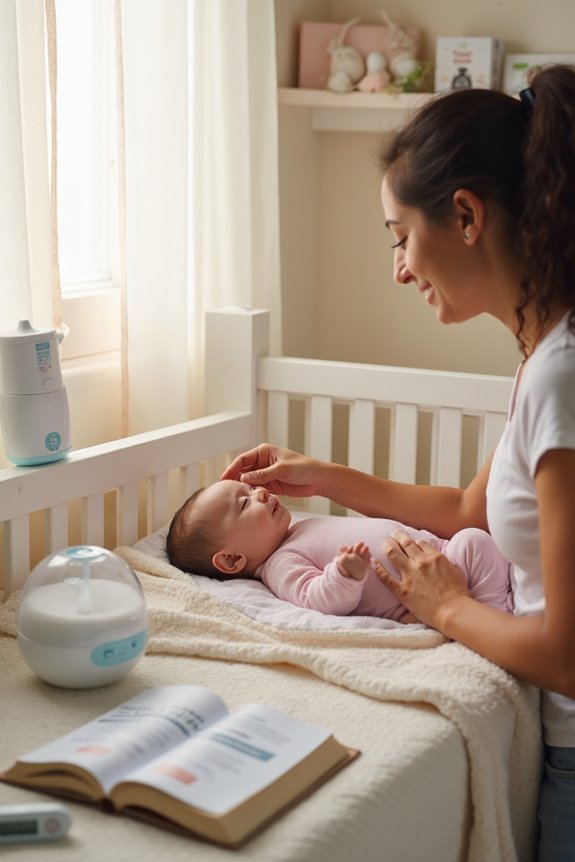
Protecting our little ones from fevers starts with a proactive approach. Fever prevention is key, and we can achieve this by breastfeeding, which offers essential antibodies and hydration. Practicing hand hygiene and maintaining vaccinations are crucial in warding off infections. Let’s also ensure a comfortable home temperature and provide a healthy diet.
When managing fevers, we should focus on hydration, temperature control, and monitoring. Dress them in light clothes and check their temperature regularly. Use acetaminophen or ibuprofen only under medical guidance. Encourage rest, and consider non-medication techniques like lukewarm baths and cool pads.
For dietary considerations, continue breast milk or formula feeds. In older infants, offer soft foods and hydration aids like Pedialyte. Always consult a doctor if uncertain.
Recommended Products
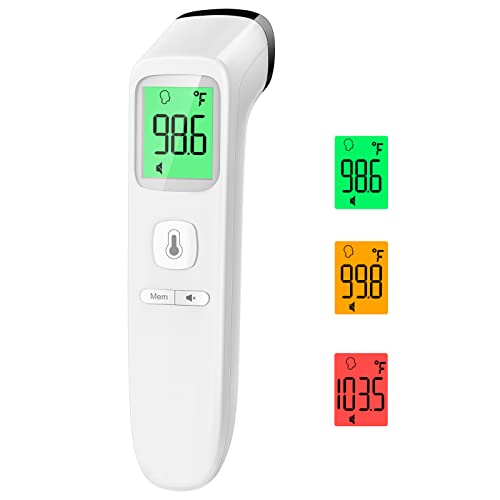
Reliable & Accurate: Goodbaby Forehead Thermometer has been clinically tested and found to be a fast and absolutely reliable gadget to use. It is ideal for forehead readings.

【±0.2°F High-Precision Sensor & Reliable Temperature Monitoring】Equipped with a high-performance sensor and compensation algorithm, this Momcozy baby thermometer delivers fast, accurate readings with ±0.2°F precision.By tracking temperature changes, it helps parents better understand their baby’s condition and make timely care decisions for infants and kids.
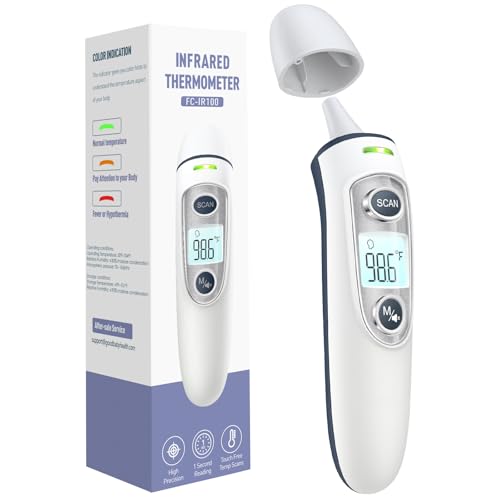
【FAST AND EASY TEMPERATURES READINGS】Taking your baby’s temperature with GoodBaby digital thermometer is as simple as pointing, and pressing a button. It uses infrared technology, and can show readings in Celsius or Fahrenheit.
Frequently Asked Questions
Can Teething Cause a Fever in Babies?
We know there are fever myths around teething symptoms. While teething might raise a baby’s temperature slightly, it doesn’t cause a true fever. Let’s always consult healthcare providers if our little ones seem feverish.
How Can I Soothe My Baby During a Fever?
Isn’t it coincidental that our little ones often need us most when they’re feverish? We can explore fever remedies and comfort measures together—like keeping them cool, dressing lightly, and offering soothing fluids to ease their discomfort.
Are Fever Seizures Common in Infants?
Let’s talk about fever seizures in infants. They’re common, affecting 2-5% of kids. Together, we’ll focus on fever management and seizure prevention to protect our little ones and ensure they’re safe and comfortable during these times.
Can Breastfeeding Affect My Baby’s Fever?
By Jove, breastfeeding benefits our little ones by reducing fever risk post-vaccination. Let’s manage fevers with continued breastfeeding, providing immunological support. It’s like a secret weapon, offering comfort and protection when our babies need it most.
How Do I Know if My Baby’s Fever Is Serious?
We’d know our baby’s fever is serious if it lasts over 1-2 days, despite trying fever remedies. If they’re lethargic, have breathing issues, or look ill, it’s crucial to contact a doctor immediately.