As an Amazon Associate, we earn from qualifying purchases. Some links on this site are affiliate links at no extra cost to you. Our recommendations are based on thorough research and editorial judgment.

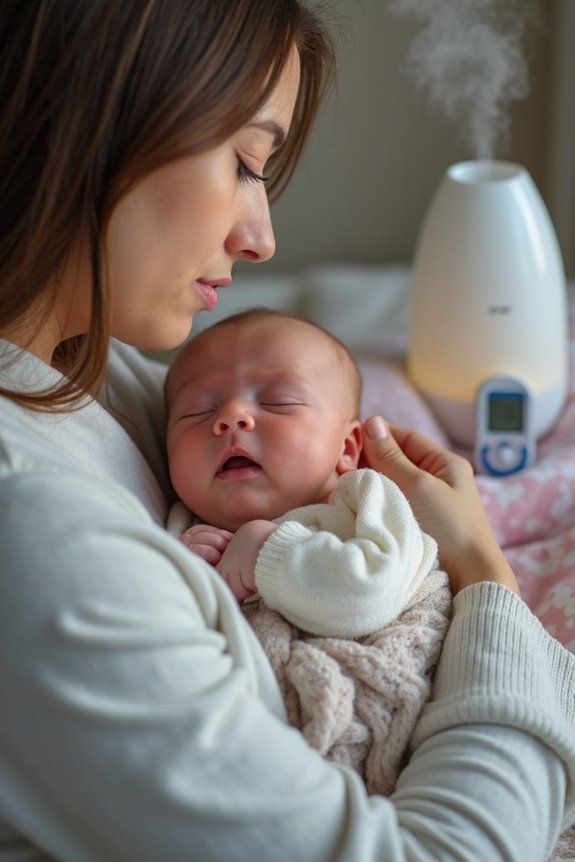
How Long Does a Baby’s Cold Typically Last?

We often find that a baby’s cold lasts around 7 to 14 days. Symptoms like a runny nose, fever, and coughing usually peak within the first few days and taper off as the immune system fights off the virus. However, some symptoms may linger, particularly a runny nose or cough, for 2-3 weeks. It’s essential for everyone around the baby to practice good hygiene to prevent the spread. By continuing, you’ll discover more helpful strategies.
Key Takeaways
- Infant colds usually last about a week but can extend to 2 weeks.
- Symptoms commonly persist for 3 to 7 days, with nasal congestion lingering longer.
- Fever typically peaks in the first few days and subsides within 3 to 5 days.
- Runny nose or cough may continue for 2 to 3 weeks after initial symptoms.
- Full recovery from a baby’s cold generally occurs within 1 to 2 weeks.
Typical Duration of a Baby’s Cold
You may be interested



When your little one catches a cold, it’s natural to wonder how long it’ll last. Typically, infant colds span about a week but can stretch to 2 weeks. Most colds are mild, resolving on their own within one week, yet symptoms like a runny nose or cough might linger for 2 to 3 weeks. Here’s what we can expect:
- Symptom Duration: Often 3 to 7 days, with nasal congestion and post-nasal drip persisting.
- Fever: Peaks in the first few days, generally subsides in 3 to 5 days.
- Recovery Timeline: Symptoms peak early, then ease. Full recovery usually happens within 1 to 2 weeks.
Factors Affecting Cold Duration in Babies

Understanding what influences the duration of a baby’s cold can help us manage expectations and care better. Key factors include the little one’s immature immune system. Babies face frequent colds, about 6 to 10 in their first year, because their immune systems are still developing. They lack the ability to fight off over 200 cold-causing viruses effectively. Environmental factors also play a role. For instance, dry air during winter can worsen symptoms, while poor hand hygiene and contaminated surfaces increase exposure risks.
To mitigate these factors:
- Encourage good hand hygiene
- Use humidifiers to maintain air moisture
- Limit indoor exposure during peak cold seasons
Common Cold Symptoms in Infants
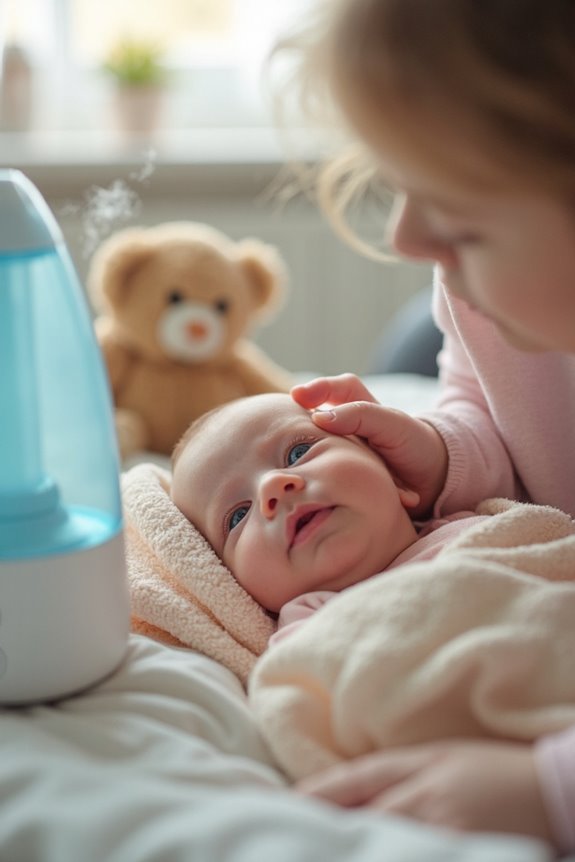
As we explore how colds manifest in infants, recognizing common symptoms can help us better navigate the challenges that come with caring for a sick baby. A runny nose often marks the beginning, quickly followed by nasal congestion. This congestion can make feeding and sleeping difficult, leading to increased fussiness. An infant cough usually follows as mucus drips down the throat.
It’s essential to monitor for a fever, which typically resolves within a couple of days. Decreased appetite and irritability may also signal that our little one isn’t feeling well. While symptoms usually worsen in the first few days, they tend to improve within 7-10 days. If severe symptoms like difficulty breathing or blue lips appear, consult a doctor promptly.
Recommended Products
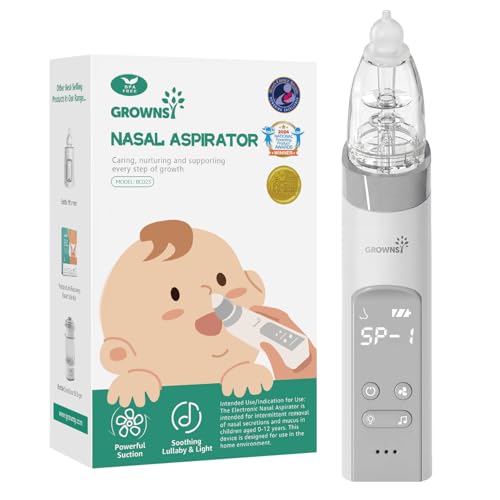
SAFETY AND COMFORT: GROWNSY baby nose sucker is equipped with 3 tips from food-grade silicone, the soft and flexible material ensures it is gentle on your baby's sensitive inner surfaces of the little noses. Select the appropriate silicone tip based on your child's age and nasal size.
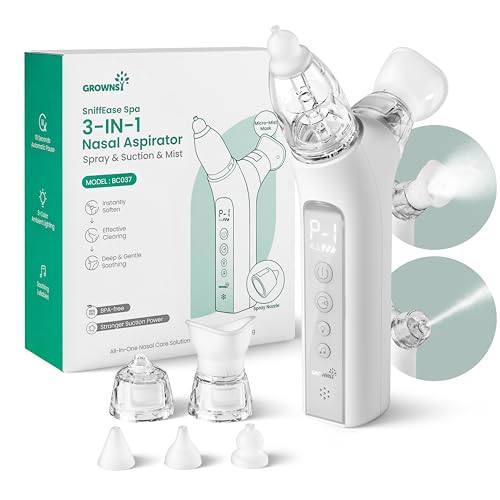
All-in-One 3-in-1 Nasal Care System: The SniffEase Spa nasal aspirator for baby offers a complete nasal care solution with Spray, Suction, and Micro-Mist functions. Use the gentle spray to loosen stubborn mucus, the adjustable suction to clear nasal passages effectively, and the fine mist to soothe and moisturize your baby’s nose and upper airways—Delivers complete nasal relief in one solution

RECOMMENDED HOSPITAL GRADE SILICONE EAR SYRINGE & NASAL ASPIRATOR - Made of 100% SILICONE that works effectively to clear fluid or mucus built up within your baby’s nose and/or ear. Not only is it BPA, Phthalate & Latex free, there isn’t even plastic to worry about!
How Colds Impact Daily Life

Caring for an infant with a cold can truly upend our daily routines, making it essential for us to adjust and plan accordingly. We often find ourselves juggling tasks like frequent nose suctioning and maintaining nasal hygiene. These extra responsibilities can lead to caregiver stress as we strive to keep our little ones comfortable.
- Sleep Disruption: Colds often disrupt sleep, necessitating extra monitoring.
- Feeding Challenges: Congestion may make feeding tough, altering feeding schedules.
- Emotional Changes: More irritability and clinginess might require additional comforting.
- Activity Limitations: Regular outings or appointments may need rescheduling.
Balancing these demands isn’t easy, but understanding these impacts helps us prepare better. By being flexible, we can minimize stress and support our baby’s recovery.
Prevention Strategies for Baby Colds

Preventing colds in babies, though challenging, is achievable with the right strategies. By focusing on hygiene practices and environmental modifications, we can significantly reduce the risk of our little ones catching a cold. Here are some steps we can take together:
- Frequent Handwashing: It’s crucial for everyone in the household to wash their hands regularly, especially before feeding or touching the baby.
- Disinfecting Surfaces: Regularly clean toys and surfaces, and use baby-safe sanitizers to minimize germs.
- Maintain Clean Air: Ensure proper ventilation and clean air filters to reduce airborne pathogens.
- Avoid Sick Contacts: Keep your baby away from anyone who is unwell.
These strategies, backed by research, not only safeguard our babies but also give us peace of mind.
Recommended Products

Contains 140 Dreft gentle cleaning multi-surface cleaning wipes

PACIFIER AND BOTTLE WIPES. Dr. Brown's Pacifier and Bottle Wipes safely clean baby's bottles, pacifiers, teethers, toys, and more.

Versatile Cleaning Solution: Baby travel essential, ideal for cleaning pacifiers, breast pumps and accessories, teethers, baby bottles, sippy cups, utensils, and more.
Managing Cold Symptoms in Infants
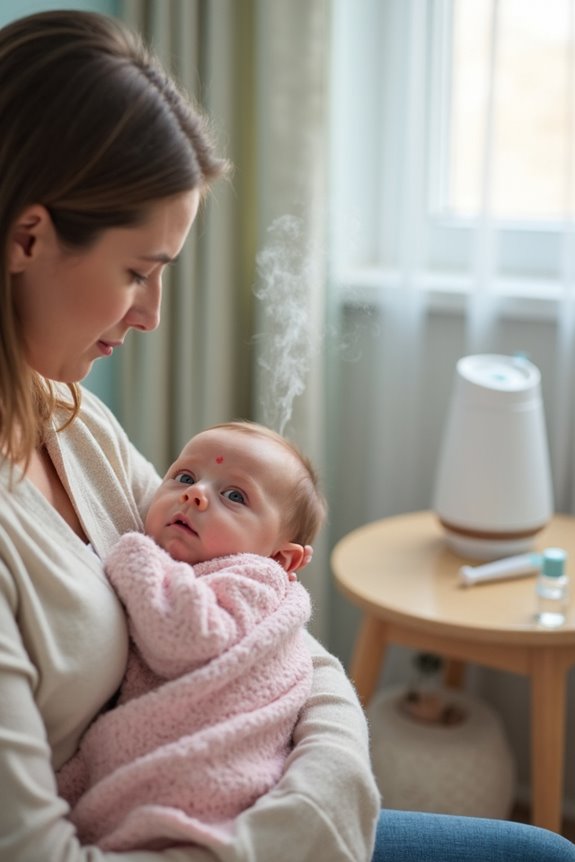
When your baby comes down with a cold, managing their symptoms can seem daunting, but it doesn’t have to be overwhelming. We can use a few home remedies and supportive care techniques to ease their discomfort. Here are some tips:
- Saline nasal drops and gentle suction: These can help relieve nasal congestion, making it easier for your baby to breathe.
- Hydration: Keep your baby hydrated with breastmilk or formula; extra fluids aren’t usually needed unless there’s a fever.
- Humidity and elevation: A humidifier can alleviate dry nasal passages, and slightly elevating the crib’s head can aid breathing.
- Gentle skin care: Protect their nose from irritation with gentle wipes.
Recommended Products

Little Remedies Sterile Saline Nasal Spray and Drops temporarily clears stuffy, dry, or crusty noses and keep baby's nose clear and moisturized

GENTLE, NON-MEDICATED CONGESTION RELIEF: The Frida Baby Saline Mist Spray provides safe, drug-free relief for baby congestion by effectively loosening thick, stubborn boogers and moisturizing dry nasal passages. It’s ideal for babies suffering from allergies, colds, or dry environments.

Mommy's Bliss saline Spray/Drops cleans, moisturizes and soothes delicate nasal passages for little ones (babies)
Long-lasting Symptoms to Watch For

As we continue to care for our little ones during a cold, it’s important to keep an eye on any long-lasting symptoms that might develop. While most cold symptoms fade within one to two weeks, some, like a long-lasting cough or a persistent runny nose, can linger for two to three weeks.
- Persistent Cough: This can sometimes extend beyond the typical cold duration. Keeping track of how long it lasts can help us decide if further action is needed.
- Runny Nose: A lingering runny nose is common but watch for changes in color or consistency, which might need attention.
Young children experience colds frequently, but if symptoms don’t improve, it might be wise to consult a healthcare professional. Let’s ensure our kids are on the path to recovery.
Potential Complications From Baby Colds
Caring for a baby with a cold can sometimes feel like navigating a maze, especially when complications arise. We must be vigilant about complication risks, as colds can sometimes lead to bacterial infections. Some common complications include:
- Ear Infections: Often bacterial, they can follow a simple cold.
- Sinus Infections: Bacteria may infect sinuses after a cold.
- Pneumonia: Particularly concerning in newborns, it can develop from a cold.
- Bronchiolitis: Inflammation of small airways, common in infants.
- Throat Infections: Another potential bacterial complication.
Newborns, with their immature immune systems, are especially vulnerable. Our proactive measures, like good hygiene and monitoring symptoms, can help. By staying aware and informed, we can address these risks and protect our little ones effectively.
Recommended Products
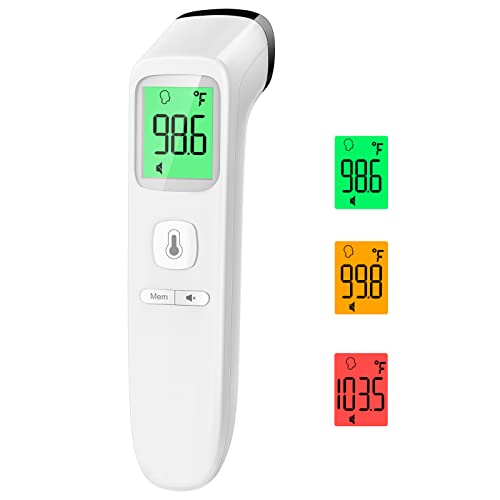
Reliable & Accurate: Goodbaby Forehead Thermometer has been clinically tested and found to be a fast and absolutely reliable gadget to use. It is ideal for forehead readings.
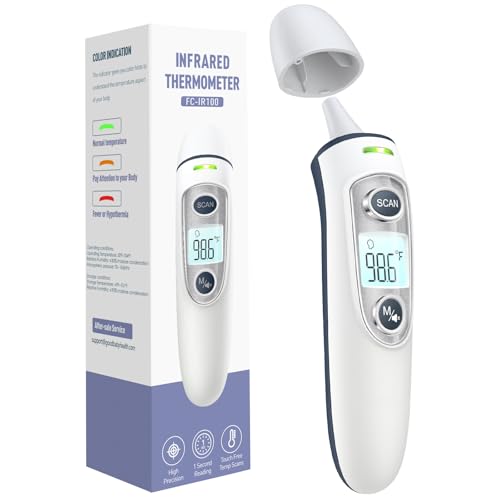
【FAST AND EASY TEMPERATURES READINGS】Taking your baby’s temperature with GoodBaby digital thermometer is as simple as pointing, and pressing a button. It uses infrared technology, and can show readings in Celsius or Fahrenheit.

ACCURATE FOR ALL AGES: Designed for infants, toddlers, and kids, this thermometer delivers reliable readings whether used rectally, orally, or under the arm, adapting as your child grows.
When to Seek Medical Advice

Even though a baby’s cold is usually a minor issue, knowing when to seek medical advice is crucial. We should always keep a close eye on our little ones. Symptom monitoring is key, especially if they’re under 3 months old, as they require early medical evaluation. Here are some signs to watch for:
- Fever or worsening symptoms.
- Difficulty breathing or severe congestion.
- Signs of dehydration, like few tears or a dry mouth.
- Ear pain or potential ear infections.
If symptoms persist beyond the usual 10 to 14 days, it’s time to call a healthcare provider. Quick action can prevent complications. Remember, we’re in this together, and seeking timely advice ensures our babies get the care they need.
Recommended Products

Safe & Efficient Clean-Up: Large-flow electric baby nasal aspirator with three adjustable suction levels you can choose for the moment. Quickly and effectively removes sticky boogers and nasal mucus while your hands stay clean. No mouth suction or bulb syringe needed, designed for babies and toddlers, simple for daily use at home or on the go

【All the Stuff Cleaned with One Suction】Momcozy nasal aspirator for baby, 3 levels of suction power for different situations of boogers cleaning, with maximum suction power to ensure one suction for cleaning baby's boogers and snot.

UNIQUE PROTECTION MODE PATENT DESIGN: Patented design by Pediatric ENT. GROWNSY baby nose sucker features a unique protection mode. If the suction port is completely blocked in protection mode, the device will stop working to prevent damage to the newborn's delicate nasal cavity. 3 food-grade silicone tips and the soft and flexible material ensure it is gentle on your baby's sensitive inner nasal surface. Safety always comes first. Select the appropriate silicone tip based on your child's age and nasal size.
Building Immunity Over Time

Understanding how a baby’s immune system develops can help us manage colds better. Babies’ immune systems are immature, making them more susceptible to viral exposure. They encounter numerous cold viruses, leading to frequent infections. But, with each infection, their immunity grows stronger.
- Frequency of Infections: Most children experience 6 to 10 colds per year until age 2.
- Immunity Development: With repeated viral exposure, they build immunity against specific viruses.
- Long-term Health Benefits: As they age, their immune system matures, reducing cold frequency and enhancing resistance.
Frequently Asked Questions
Can Teething Contribute to Cold Symptoms in Babies?
Imagine a stormy night; teething symptoms mirror cold similarities much like thunder follows lightning. While teething doesn’t cause colds, overlapping fussiness and congestion can blur the line, leaving us to comfort our little ones through both.
Are There Any Home Remedies Effective for Baby Colds?
Let’s explore remedies for baby colds together. While babies can’t have honey, steam therapy’s soothing. A warm bath helps, and cuddling enhances comfort. Remember, our gentle care makes all the difference in their recovery.
How Does Breastfeeding Affect Cold Recovery in Infants?
Imagine breast milk as a gentle shield, guarding our little one’s health. It provides immune system support and benefits, soothing a cold’s storm. Our nurturing embrace and nature’s gift together foster resilience and encourage a swift recovery.
Do Certain Baby Products Help Reduce Cold Frequency?
We often wonder if baby humidifiers and nasal aspirators can reduce cold frequency. While they’re great for easing symptoms, they don’t prevent colds. Let’s focus on hygiene and care routines to protect our little ones.
Is There a Seasonal Pattern to Baby Colds?
Could it be that seasonal viruses follow a pattern? Let’s explore. Cold prevention is key, especially during fall and winter when indoor gatherings increase. Together, we can navigate these seasons, keeping our little ones healthier and happier.