As an Amazon Associate, we earn from qualifying purchases. Some links on this site are affiliate links at no extra cost to you. Our recommendations are based on thorough research and editorial judgment.

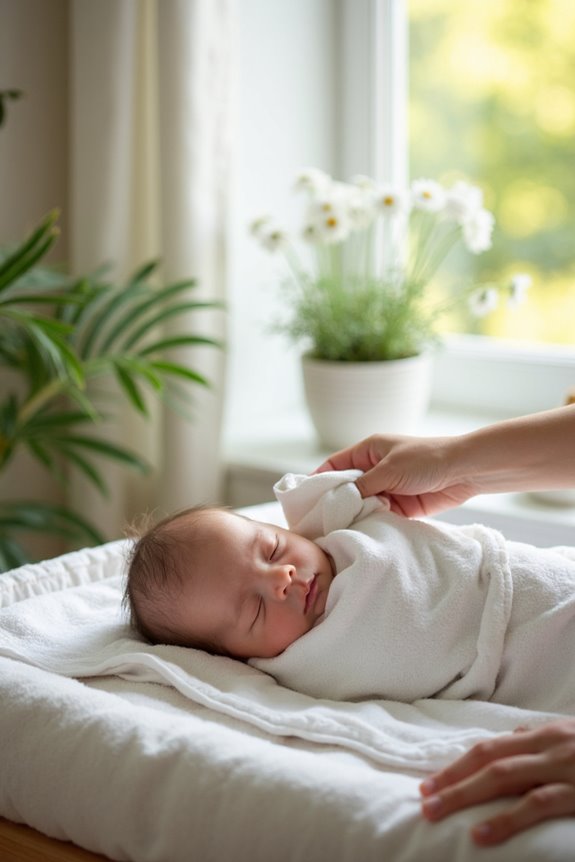
How to Reduce Fever in Babies Naturally at Home

To reduce fever in babies naturally at home, we can use various strategies. Let’s focus on hydration, offering plenty of fluids like coconut water. We should also provide light meals that are easy to digest and include probiotic-rich yogurt paired with fruit. Keeping the room cool and at a moderate temperature helps, too. Effective cooling techniques include using lukewarm baths and gentle sponging. If you’re interested, there’s more we can explore together!
Key Takeaways
- Encourage fluid intake like coconut water to maintain hydration and electrolyte balance.
- Use lukewarm baths and sponge areas with lukewarm water to cool down gently.
- Keep the room temperature comfortable between 68-72°F to promote restful sleep.
- Offer light, easy-to-digest meals, avoiding heavy or spicy foods for better comfort.
- Consult a healthcare professional before using herbal remedies, ensuring they’re safe for your baby.
Dietary Adjustments for Fever Relief
You may be interested



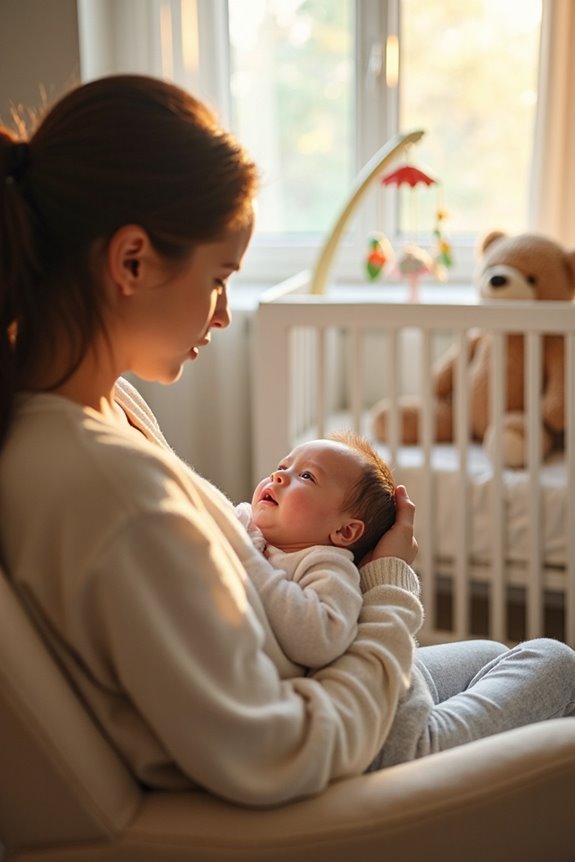
When our little ones have a fever, it’s natural to want to do everything we can to help them feel better. One way we can support their recovery is through thoughtful dietary adjustments.
- Hydration is key: Encourage fluid intake, like coconut water, to maintain electrolyte balance.
- Nutrient timing matters: Offer light, easy-to-digest meals that provide essential vitamins and minerals.
- Food combinations: Pair probiotic-rich yogurt with fruit for a nutrient boost.
Also, let’s avoid heavy meals, spicy foods, and caffeine, as these can worsen discomfort. By focusing on the right foods and drinks, we can help our little ones feel more comfortable during this challenging time. Together, we can support their healing journey with love and care.
Recommended Products

HYDRATE AND FEEL BETTER FAST: Pedialyte electrolyte solution is designed to replace fluids and electrolytes more effectively than common beverages like some sports drinks, juices, water, and sodas

RAPIDLY RESTORES ELECTROLYTES: Has 2x electrolytes and 75% less sugar vs the leading sports drink (Pedialyte AdvancedCare liquid liters have 1080mg sodium and 13g sugars per liter; leading sports drink has460mg sodium and58g sugars per liter)

DELICIOUS HERBAL RASPBERRY LIME: This lactation drink mix is an herbal raspberry lime with naturally earthy notes from organic beet root and organic lactation herbs that are working hard to support you on your breastfeeding journey, along with organic coconut water powder for electrolyte hydration
Environmental Changes to Maintain Comfort
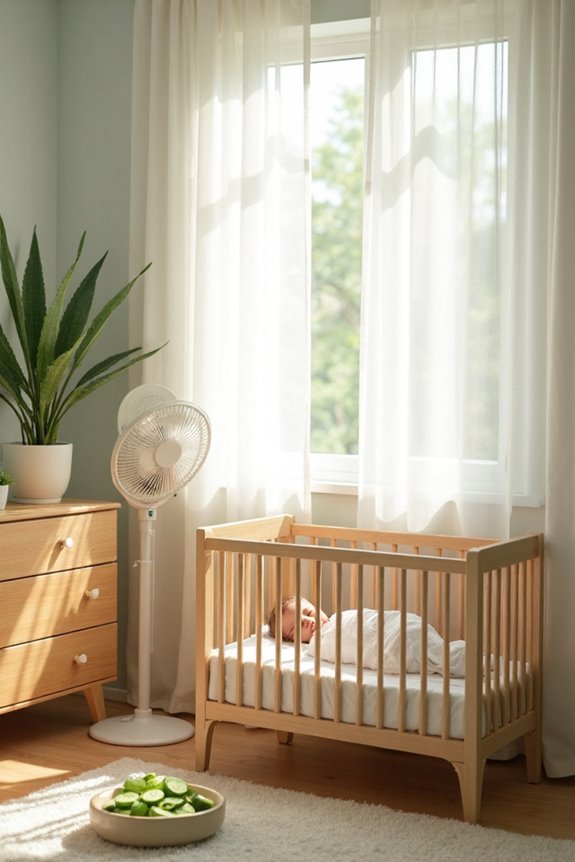
Creating a comfortable environment for our babies during a fever can significantly impact their recovery. We should focus on temperature regulation and air quality to help them feel at ease. Here are some practical steps to consider:
- Maintain a moderate room temperature: Keep it cool but not cold, ideally between 68-72°F.
- Control humidity levels: Aim for a balanced humidity that prevents dryness and supports breathing.
- Improve air quality: Ensure good ventilation and reduce pollutants to decrease infection risks.
- Dimming lights: Soft lighting promotes relaxation, helping our babies rest better.
- Minimize noise: A quiet space encourages peaceful sleep, which is vital for recovery.
Recommended Products

【25H Runtime & Rapid Relief】The 2L tank provides 25 hours of continuous mist on low. Use high-output mode (200ml/h) for instant relief from dry throat and congestion within minutes. (Note: Use on hard surfaces; avoid carpets.)
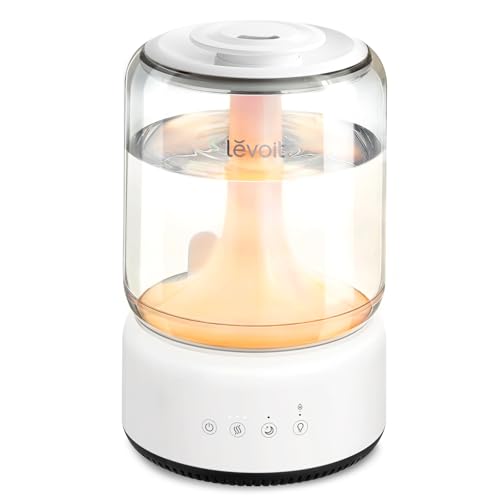
𝑮𝒐𝒐𝒅𝒃𝒚𝒆 𝑫𝒓𝒚 𝑨𝒊𝒓, 𝑹𝒆𝒔𝒕𝒐𝒓𝒆 𝑪𝒐𝒎𝒇𝒐𝒓𝒕: 270 mL/h mist output, 432 ft² coverage, and 46.8-inch mist height* to powerfully humidify your room and relieve dryness fast. *The height includes the product height.

𝐅𝐨𝐫𝐠𝐞𝐭 𝐚𝐛𝐨𝐮𝐭 𝐜𝐨𝐧𝐬𝐭𝐚𝐧𝐭 𝐫𝐞𝐟𝐢𝐥𝐥𝐬: With a 3L tank and convenient top-fill design, this humidifier large room for baby offers up to 30 hours of long run time humidification in sleep mode, ensuring dry air is no longer an issue for your family, plants, and baby.
Effective Cooling Techniques
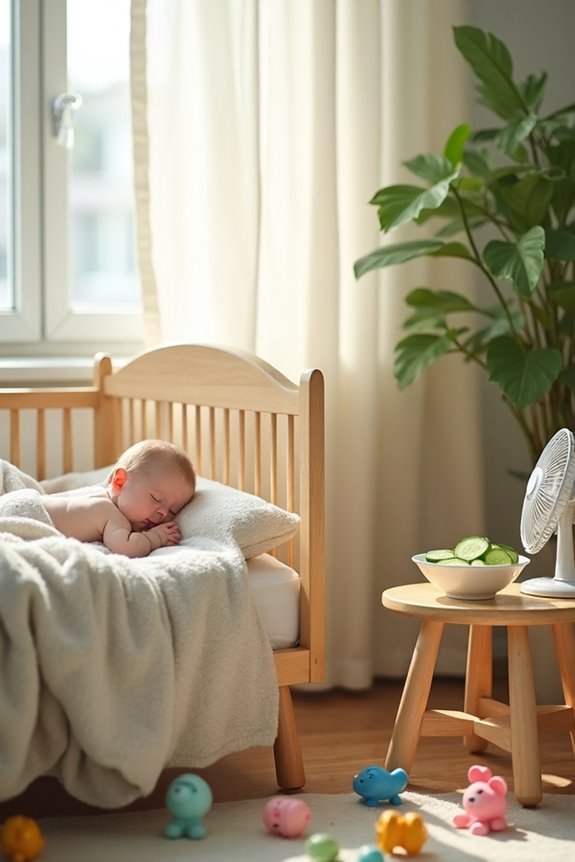
Finding ways to help our babies cool down during a fever can be essential for their comfort and recovery. One effective method we can use is lukewarm baths. We should fill the tub with water that feels warm but not hot, as cold water may cause shivering, which can actually raise their temperature.
Additionally, sponging techniques can be beneficial. Using lukewarm water, we can gently sponge areas like the forehead, neck, and feet. This method cools the body without discomfort, but we need to keep an eye on our little ones to avoid shivering.
For added relief, we might consider placing aloe vera slices on their forehead or potato slices on their feet, changing them regularly for continued effectiveness.
Recommended Products

The information below is per-pack only

COOLING RELIEF FOR FEVERS & HEADACHES: Frida Baby Cool Pads offer instant, soothing comfort for little ones suffering from fevers or headaches, providing relief without refrigeration or medication.

🌟Soft and Comfortable - Our bady bath sponges cushion are made of PU Foam Material, very soft and gentle after fully soaking in water, perfect for your baby‘s delicate skin.
Herbal Remedies for Fever Support

Herbal remedies can offer a gentle way to support our babies during a fever, especially when we’re looking for natural alternatives. One effective option is herbal teas. Chamomile tea is soothing and can help calm those feverish symptoms. Moringa and yarrow also have supportive properties, though research on their effectiveness is still developing.
When considering herbal remedies, we must think about safety considerations. Always consult with a healthcare professional before introducing any new herbal tea or tincture. It’s crucial to ensure that the chosen herbs don’t interact with any medications our little ones are on. Monitoring our babies for any allergic reactions is equally important, helping us find the best natural approach to fever management.
Recommended Products

Herbal stress relief tea: Organic Chamomile tea calms your nerves and supports healthy digestion to help you relax*

Babies of teething age have sensitive gums, which can make them uncomfortable or fussy. With Dr. Talbot’s Chamomile Nighttime Soothing Tablets, you can calm, relax, and soothe little ones, helping you both get needed rest.

Gentle Relaxation for Babies: This chamomile tea is specifically crafted for babies 6+ months, offering a gentle and natural way to help your little one relax and wind down. With organic chamomile tea, it’s free from caffeine, making it ideal for babies with sensitive stomachs. The chamomile tea bags offer a convenient, mess-free solution to brew a calming, soothing drink, making it an easy addition to your baby’s bedtime routine.
Topical Cooling Methods to Reduce Temperature

When managing a fever in babies, topical cooling methods can be a simple yet effective way to help reduce their temperature. We can use techniques like sponge bathing with lukewarm water to gently cool our little ones. Here are some tips:
- Tepid sponge bathing: Dabbing the forehead, neck, and chest can promote comfort.
- Temperature matters: Always use lukewarm water to avoid shivering.
- Frequent checks: Repeat the sponge bathing as needed, based on their response.
- Stay safe: Avoid extreme cold applications, as they can actually raise body temperature.
Combining these topical applications with medications like acetaminophen can enhance effectiveness. By taking these steps, we can help our babies feel better and more comfortable during a fever.
Recommended Products
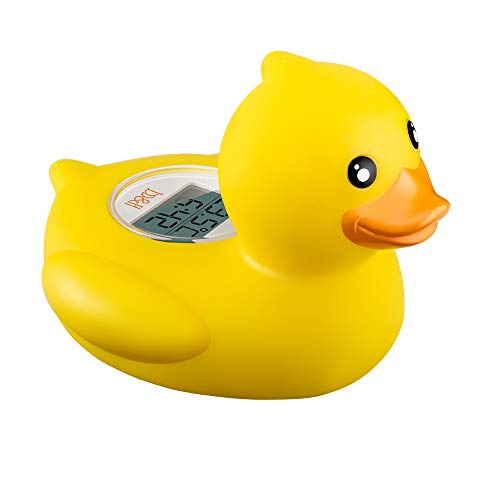
Measuring water temperature in the bathtub and room. Not only a thermometer, but also a clock. baby thermometer is a newborn bath essential. Suitable infant age is: Over 0+ years old.

Design Concept: We hope to use Doliwish baby bath thermometer otter to help baby enjoy a comfortable bath while conveying the concept of caring for the ocean and protecting the environment.

𝐀𝐜𝐡𝐢𝐞𝐯𝐞 𝐭𝐡𝐞 𝐈𝐝𝐞𝐚𝐥 𝐓𝐞𝐦𝐩𝐞𝐫𝐚𝐭𝐮𝐫𝐞: Dreambaby Turtle Room & Bath Thermometer, is a versatile baby bath thermometer designed for optimal safety. This floating toy thermometer not only adds a playful touch to the tub but is also a reliable safety measure for monitoring water temperature
Importance of Hydration and Nutrition
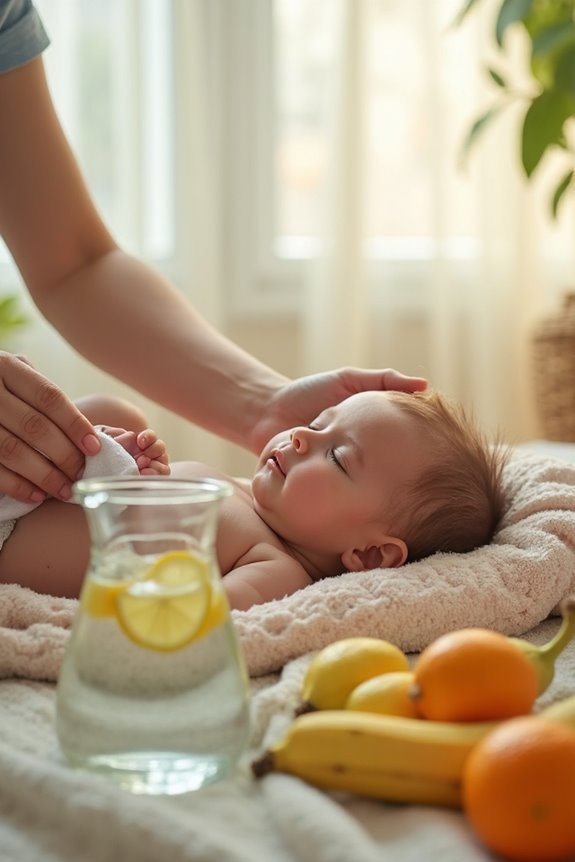
Staying hydrated and nourished is essential for our little ones, especially when they’re battling a fever. We need to focus on effective hydration strategies to ensure they get enough fluids. Remember, children aged 1-3 require about 4 cups of fluids daily.
Here are some tips to consider:
- Encourage small, frequent sips of water or milk.
- Offer hydrating fruits and vegetables, as they contribute to fluid intake.
- When they’re ready to eat, provide easy-to-digest, nutrient-rich foods that support recovery.
Proper nutrition plays a vital role too. It helps maintain energy levels and supports their immune function. By combining hydration with nutrient support, we can help our little ones feel better and recover more quickly.
Safety Precautions When Addressing Fever

Taking care of a baby with a fever can be a worrying experience for any parent. To ensure our little ones are safe, we should follow these essential safety precautions:
- Medical Supervision: Always consult a doctor if our baby is under 3 months and has a fever.
- Medication Safety: Never give aspirin; it can trigger Reye syndrome. For those over 3 months, acetaminophen is safe, while ibuprofen is fine for babies over 6 months.
- Fever Monitoring: Regularly check the baby’s temperature, and adjust clothing to prevent overheating.
- Environment Control: Keep the room cool and use lukewarm baths to help reduce fever without causing shivering.
Frequently Asked Questions
How Can I Tell if My Baby Has a Fever?
When we notice our little one feeling warmer than usual, it’s like a tiny furnace igniting. We check their baby temperature, looking for fever symptoms like irritability and changes in appetite, signaling it’s time to act.
What Are the Signs of Dehydration in Infants?
When we notice dehydration symptoms in our little ones, we should look for signs like dry mouth, fewer wet diapers, or excessive sleepiness. Keeping our infants hydrated is essential for their well-being and happiness.
When Should I Seek Medical Help for a Fever?
Did you know that 70% of parents worry about their baby’s fever? When it comes to fever management, we should always trust our instincts—seeking medical help is crucial for our little one’s health and safety.
Can Teething Cause a Fever in Babies?
We often hear fever myths surrounding teething symptoms. While teething can cause discomfort, it doesn’t typically lead to a true fever. Let’s stay informed to ensure we recognize when our little ones need help.
What Temperature Is Considered a Fever in Babies?
When our little ones feel warm, it’s like a gentle warning bell ringing. A fever in babies is a temperature above 38°C. Understanding fever causes and remedies helps us nurture them back to comfort.