As an Amazon Associate, we earn from qualifying purchases. Some links on this site are affiliate links at no extra cost to you. Our recommendations are based on thorough research and editorial judgment.

Why Can’t Babies Eat Honey? A Guide for New Parents

We can’t stress enough that honey shouldn’t be given to infants under one year old. The bacteria in honey can lead to botulism, a rare but serious illness. Babies have immature digestive systems, making them more vulnerable. Symptoms often include constipation, weakness, and poor feeding. To keep your baby safe, avoid foods with honey and consult your pediatrician for alternatives. Stay informed, and you’ll discover more about keeping our little ones healthy.
Key Takeaways
- Honey can contain botulinum spores that may cause infant botulism, a serious illness affecting babies under one year old.
- Infants’ digestive systems are not fully developed, making them more susceptible to toxins found in honey.
- Symptoms of infant botulism include constipation, muscle weakness, poor feeding, and extreme tiredness.
- The American Academy of Pediatrics recommends avoiding honey for infants until they are at least 12 months old.
- Always read food labels carefully to prevent hidden honey in processed foods for young children.
Understanding Botulism and Its Risks
You may be interested



Here’s what we need to know:
- Types of Botulism: Infant, foodborne, and wound botulism are among the most common types.
- Symptoms: Muscle weakness, constipation, and breathing difficulties can signal toxin effects.
- Infant Risk: Babies under one year are particularly vulnerable, as their digestive systems aren’t fully developed.
The Importance of Age Restrictions
When it comes to feeding our little ones, understanding age restrictions is key to their safety and health. Following age guidelines is crucial; the American Academy of Pediatrics strongly recommends that we avoid giving honey to infants under 12 months. This is because their digestive systems aren’t mature enough to handle potential toxins found in honey, which can lead to serious health issues like botulism.
To ensure our baby’s well-being, remember:
- Babies under six months are at the highest risk.
- After one year, their digestive systems can safely process honey.
- Always consult your pediatrician before introducing new foods.
Recommended Products

What's Included: This dry erase baby food checklist set contains 1 baby weaning chart, 1 food log meal planner, and 1 "101 foods before 1" checklist. Each chart measures 9 × 13 inches, and the set comes with 10 cute small fridge magnets. This reusable baby eating essentials fully helps parents record and track their baby’s food exploration journey

BABY'S FIRST FOOD CHECKLIST: Our large fridge magnet is perfect for tracking your baby's food journey as they try new foods for the first time. You can easily plan each meal while introducing your baby to an assortment of flavors to help minimize picky eating

How Honey Affects Infant Digestive Systems
Here’s what you should know:
- The infant microbiome is still maturing, lacking the necessary bacteria to combat these spores.
- Without enough stomach acid, the risk of botulism increases significantly.
- This can lead to symptoms like constipation, weak muscles, and poor feeding.
To keep your little one safe, it’s best to avoid all forms of honey until they’re at least 12 months old. Your baby’s health is worth every precaution!
Identifying Symptoms of Infant Botulism
How can we recognize the early signs of infant botulism, especially since these symptoms can develop quickly and may be easily overlooked? First, let’s focus on symptom recognition.
- Constipation is often the first noticeable symptom, so keep an eye on your baby’s bowel movements.
- You might notice a weak cry or floppy body, indicating muscle weakness.
- Watch for poor feeding—difficulty sucking or swallowing can be a red flag.
- Sagging eyelids and extreme tiredness or infant lethargy are also significant signs.
If you observe these symptoms, it’s crucial to consult a healthcare professional promptly. Early diagnosis and treatment can lead to a better outcome, so let’s stay vigilant for our little ones’ well-being.
Preventing Honey Exposure in Infants
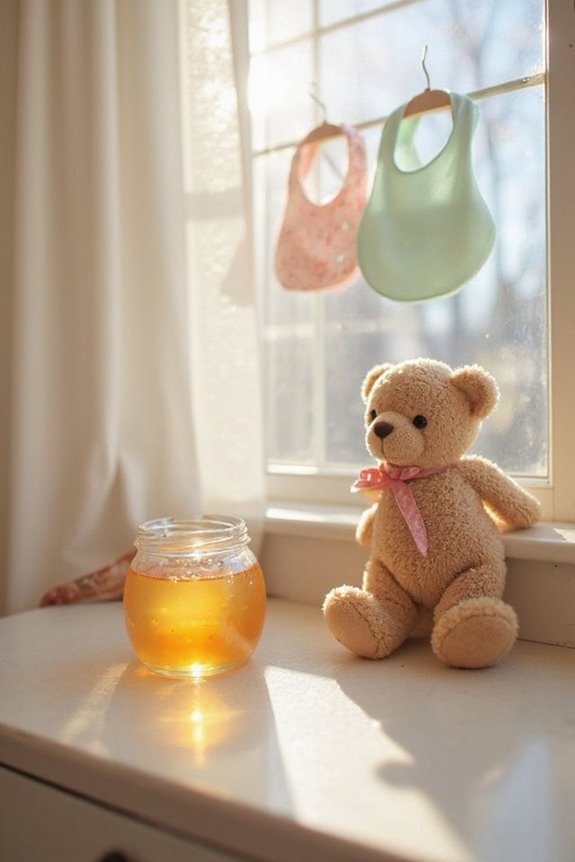
Since honey poses serious risks for infants, it’s essential for us to take proactive steps in preventing exposure. Here are some practical measures we can adopt:
- Avoid Honey: Let’s ensure we don’t feed infants any foods containing honey until they’re at least one year old.
- Check Honey Labeling: When shopping, let’s read labels carefully to avoid hidden honey in processed foods.
- Educate Caregivers: We should share information with family and friends, emphasizing the dangers of honey for infants.
- Strict Dietary Guidelines: Following strict guidelines can help us steer clear of any spore-containing foods.
Recommended Products
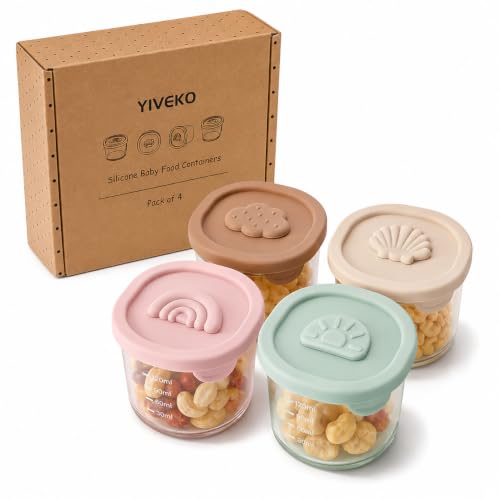
Food-Grade Silicone—Safe for Freezer, Microwave & Dishwasher: Made from premium food-grade silicone, these 4oz baby food containers are lead-free, BPA-free, phthalate-free, PVC-free. The see-through silicone cup allows parents to easily check food texture and freshness. Safe for freezer, microwave, boiling water, and dishwasher.

12-Pack, Durable 4oz Glass Jars with Lids – KeaBabies Baby Food Jars Glass check all the right boxes for a reliable baby snack containers. Ideal for busy parents as baby food containers for prepping and storing homemade meals smoothly.
![VITEVER [16 Pack] 4 oz Small Containers with Lids, Reusable Plastic Jars for Snack and Puree, Salad Dressing Container to Go, Deli Containers, Freezer Baby Food Containers, Dishwasher Safe, BPA Free](https://m.media-amazon.com/images/I/41fnLIEevxL._SL500_.jpg)
BPA-FREE; DISHWASHER SAFE; MICROWAVE SAFE; SEALABLE; STACKABLE; REUSABLE.
Alternative Sweeteners for Young Children
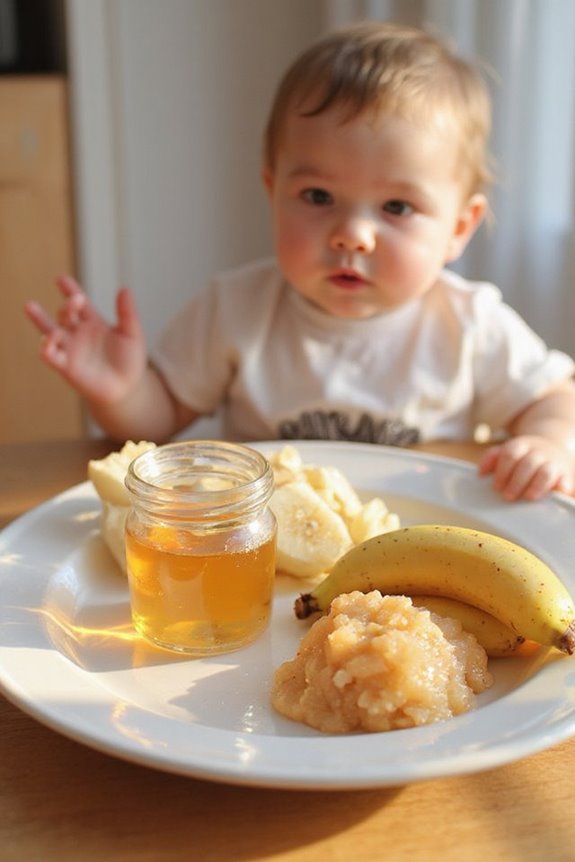
When it comes to sweetening our little ones’ meals, many parents find themselves exploring alternative sweeteners that can provide flavor without the risks associated with sugar and honey. Sugar substitutes, like saccharin and sucralose, are FDA-approved and considered safe for children in moderation. However, we should be mindful of pediatric guidelines recommending a limit of 5 milligrams per kilogram of body weight daily.
Here are some key points to consider:
- Balance is Key: Encourage a diet rich in whole, nutrient-dense foods.
- Occasional Use: Sugar substitutes can be included, but they shouldn’t dominate meals.
- Taste Development: Monitor how these substitutes may influence your child’s taste preferences.
Ultimately, fostering healthy habits from an early age supports our children’s long-term health.
Recommended Products

TASTES AMAZING: Swerve is sweet and delicious. It is a natural sugar replacement that does not have the bitter aftertaste associated with other sweeteners like stevia and monkfruit.

Made from erythritol, corn starch, and stevia leaf extract

Monk Fruit and Erythritol Sweetener: We blend monk fruit extract with erythritol, a sugar alcohol derived from non-GMO corn. This plant-based sugar alternative blend measures 1-to-1 just like sugar
The Role of Environmental Contamination

As we explore alternative sweeteners for our little ones, it’s important to consider the broader context of food safety, especially concerning honey. Environmental contamination plays a significant role in honey production and quality.
- Contamination Sources: Honey bees can gather materials from polluted areas, picking up legacy pollutants like lead or metal contaminants. Dust can also remobilize these pollutants, affecting our honey’s safety.
- Environmental Monitoring: Bees serve as indicators of environmental health, helping us understand contamination levels in our surroundings.
Given these risks, it’s crucial to avoid honey for infants until their digestive systems are more mature. By keeping informed, we can make safer choices for our little ones, ensuring their health and well-being.
Seeking Medical Guidance for Infant Nutrition

Seeking medical guidance for infant nutrition is vital, especially as we navigate the many choices available for our little ones. It’s important to follow nutritional guidelines that ensure our babies thrive. Here are some key points to consider:
- Breastfeeding: Exclusive breastfeeding for around six months is recommended for optimal health.
- Formula Feeding: If breastfeeding isn’t an option, iron-fortified formula is essential.
- Nutrient Intake: Infants need a balanced diet, rich in vitamins and minerals.
- Growth Monitoring: Regular check-ups help us track our baby’s growth and nutrition.
- Avoid Certain Foods: Stay clear of honey, dairy milk, and plant-based beverages before the first year.
Recommended Products

CONTAINS: One 23.2-ounce tub of infant formula milk-based powder with iron


GET MORE REWARDS POINTS: Scan the MySimilac QR code on select products to earn points toward a Reward
Frequently Asked Questions
Recommended Products

Simple and Wholesome: Our puffed corn and quinoa Melty Hoops are made with organic* veggies and a delicious flavor that little ones will love. Made without artificial flavors, artificial colors, or artificial preservatives, just yummy and wholesome ingredients

Mess-Free Portable Honey and Organic Tapioca for clean, less-processed fuel. Each pouch contains 1 teaspoon of honey to help keep you moving.

ORGANIC TEETHING SNACK: These organic crunchy sticks dissolve easily and help soothe your baby's gums as they teethe
Can I Use Honey in Recipes for Babies Over One Year?
Absolutely! We can use honey in recipes for our little ones over one year. Let’s explore honey substitutes or recipe modifications, ensuring we create delicious, safe treats while considering their health and taste preferences.
Is Honey Safe in Baked Goods for Infants?
As we journey through parenting, let’s tread carefully around honey safety in baked goods. Even baked, honey can hide dangers for our little ones. It’s best to keep these sweet treats off their plates.
What Are the Long-Term Effects of Infant Botulism?
When discussing the long-term effects of infant botulism, we find that most infants experience full recovery without lasting issues. Neurological development remains intact, and botulism symptoms typically resolve, allowing our little ones to thrive.
Can Breastfeeding Protect Infants From Botulism?
We know breastfeeding benefits might help delay botulism’s onset, offering some protection. However, it doesn’t prevent it entirely. Let’s prioritize botulism prevention by avoiding honey and supporting each other through this journey.
Are There Any Cultural Beliefs About Honey for Infants?
Imagine honey as a golden thread weaving through cultures. We’ve seen it symbolize nourishment and healing in countless traditions, with cultural practices often embracing it for infants, reflecting deep-rooted beliefs about well-being and growth.