As an Amazon Associate, we earn from qualifying purchases. Some links on this site are affiliate links at no extra cost to you. Our recommendations are based on thorough research and editorial judgment.


How Do Babies Breathe in the Womb?

In the womb, babies rely on a sophisticated system to “breathe.” Oxygen from the mother travels through the placenta, reaching the fetus via the umbilical vein. Meanwhile, carbon dioxide is carried away in the reverse. Though fetuses practice breathing movements by inhaling amniotic fluid, actual respiration occurs after birth. This placenta-based system, combined with fetal breathing, ensures healthy lung development and prepares the respiratory system for life outside. For more intriguing insights, continue further.
Key Takeaways
- Oxygen is transported from the mother to the fetus through the placenta and umbilical vein.
- Fetal hemoglobin has a higher affinity for oxygen than adult hemoglobin, aiding oxygen transfer.
- Carbon dioxide from the fetus diffuses into the mother’s bloodstream to be expelled.
- Fetal breathing movements help prepare respiratory muscles and maintain lung fluid balance.
- Inhaling amniotic fluid promotes lung tissue growth and prepares lungs for breathing after birth.
Oxygen Supply Through the Placenta
You may be interested



When we think about how babies get their oxygen in the womb, it’s all about the placenta. This remarkable organ facilitates placental oxygenation by transporting oxygen from the mother to the fetus. Here’s how it works:
- Diffusion: Oxygen moves across the placental villi to reach the baby.
- Umbilical Vein: The primary vessel carrying oxygen-rich blood to the fetus.
- Countercurrent Exchange: Enhances oxygen transfer by maintaining a gradient.
Now, let’s talk about fetal hemoglobin. It’s designed with a higher affinity for oxygen, allowing it to grab onto oxygen molecules more efficiently than adult hemoglobin. This ensures that even with lower oxygen levels in placental blood, the fetus receives enough to thrive. Isn’t it incredible how nature ensures the baby’s well-being?
Carbon Dioxide Removal Process

Although we often marvel at how babies get their oxygen in the womb, it’s equally fascinating to consider how they rid their bodies of carbon dioxide. Let’s explore this crucial process together. Carbon dioxide, a byproduct of the fetus’s cellular metabolism, needs proper handling to avoid accumulation. Here’s how it works:
- Transport: CO2 travels from the fetus to the placenta via the umbilical cord.
- Placental Transfer: It diffuses into the mother’s bloodstream.
- Maternal Role: Our maternal respiratory rate increases, helping clear CO2 by lowering its partial pressure.
It’s essential because any inefficiency could lead to respiratory acidosis. The body’s complex systems work seamlessly, ensuring both you and the baby are safe and healthy through these processes.
Role of Fetal Breathing Movements

As we delve into the role of fetal breathing movements, you’ll find that these tiny actions are more significant than they might appear. They play a key role in fetal muscle maturation, ensuring the respiratory muscles are toned and ready for life outside the womb. These rhythmic movements, starting as early as 15 weeks, are crucial for lung fluid balance, helping maintain the right conditions for lung growth.
- Fetal Muscle Maturation: These movements prepare the diaphragm and other muscles for their critical roles post-birth.
- Lung Fluid Balance: They help manage lung fluid, promoting healthy lung expansion and alveolar development.
Through these actions, the fetus practices breathing, setting the stage for a smooth transition to breathing air after birth.
Development of the Fetal Respiratory System

Understanding how the fetal respiratory system develops is fascinating and vital for appreciating how babies breathe in the womb. Let’s explore fetal lung development together, as it unfolds in distinct stages:
- Embryonic Period: Begins at week 4 with the invagination of ectodermal tissue.
- Pseudoglandular Stage: By weeks 8-16, bronchial buds form bronchopulmonary segments.
- Canalicular Stage: Weeks 16-26 mark respiratory bronchioles’ development and start vascularization.
- Terminal Sac Stage: From week 26 onwards, alveolar development and surfactant production increase.
As the respiratory system matures, alveolar ducts increase surface area for gas exchange. Key cells like Type I and II pneumocytes, crucial for gas exchange and surfactant production, further develop. Postnatal maturation continues, ensuring efficient breathing.
Recommended Products

LUNG FUNCTION || Lung demonstration model provides a firsthand view of how the lungs work and how other structures play into the function of the lungs

Multi-Stage Fetal Models - Detailed models show male human development at 12, 16, 22, and 30 weeks, covering critical pregnancy milestones from embryo to late-term stages

Removable Anatomical Model - This is a life-size miniature model of the human respiratory system, consisting of five removable parts: two lungs, two hearts, and the main body. Each part is highly detailed and securely connected.
Importance of Amniotic Fluid Inhalation

While it might seem surprising, amniotic fluid plays a crucial role in preparing a baby’s lungs for the outside world. Let’s explore how this miraculous fluid supports lung development:
- Inhalation Practice: From about 10-12 weeks, the fetus begins “breathing” by inhaling amniotic fluid. This practice helps expand lung tissues, promoting growth and mechanical stretch necessary for healthy lung alveoli.
- Fluid Composition: Amniotic fluid consists of water, electrolytes, proteins, and more, creating an ideal environment for fetal respiratory movements.
- Lung Growth: Regular inhalation of this fluid ensures the lungs develop properly, setting the stage for postnatal breathing.
Recommended Products

▲Material & Craftsmanship -- Medical Quality. The model of the human respiratory system is made in non-toxic PVC material, easy to clean. It is detailedly hand painted with fine craftsmanship and installed on a Base. Different color identification is used to differentiate different human lung model positions.
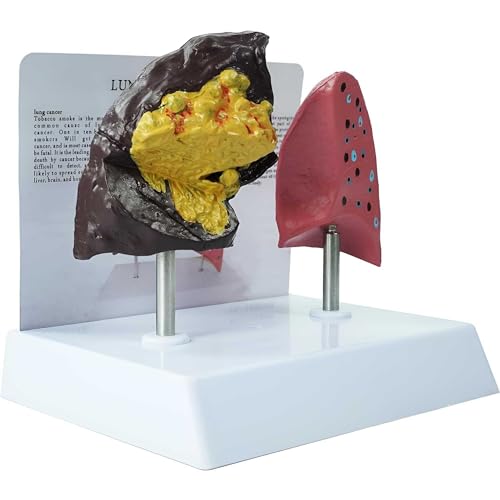
Scientifically Accurate, Visually Comparable Model: This anatomical model realistically reproduces the differences between a smoker's lungs and healthy lungs (measuring approximately 7.1inx 6.3in), based on validated medical research data. It visually demonstrates the dangers of smoking by comparing color changes, structural changes and morphological differences.

Detachable Anatomic Model - This is a life-size model of the human respiratory system consisting of 7 parts, including the following detachable parts: Larynx (2), lungs (2), heart (2), and the main body part, each part is rich in detail and fits together solidly
Preparing for Postnatal Respiration

Now that we’ve explored the role of amniotic fluid in lung development, let’s focus on how a baby’s body gets ready for that all-important first breath. As we prepare for this transition, surfactant production plays a critical role. This substance reduces surface tension, preventing alveoli from collapsing and facilitating lung expansion. It’s fascinating how the body orchestrates this complex process, isn’t it?
To understand more:
- Fetal Lung Fluid Management: This fluid decreases and is removed, priming the lungs for oxygen.
- Alveolar Maturation: Alveoli mature to ensure efficient gas exchange.
- Perfusion Improvements: Post-birth, blood flow to the lungs increases, enhancing oxygenation.
Each of these steps is vital for a seamless shift to breathing air, ensuring our little ones are well-prepared for life outside the womb.
Recommended Products

Sensor-Free Breathing Motion Monitoring: The custom-designed pattern on Nanit Breathing Wear is tracked by the Nanit Baby Monitor Camera to see your baby's breathing motion, in almost any sleeping position, without any electronics or sensors touching your baby's skin

Movement-based notifications – The Hero SE is designed to provide a Vibration Notification if no movement activity is detected for 15 seconds. If no movement activity is detected for a further 5 seconds, an Audible Notification sounds so that you can check on your child, confirm that movement activity is present, and verify that the device is correctly positioned.

HSA/FSA APPROVED - Babysense is a highly sensitive device that monitors and detects even the slightest baby's movements through the mattress.
Developmental Milestones in Fetal Respiration

As we dive into the developmental milestones in fetal respiration, it’s amazing to see just how early the groundwork for breathing begins. By Day 22, the lower respiratory tract starts to form, laying the foundation for fetal lung development. Here’s what happens next:
- Weeks 7-16: Bronchial buds branch, and major lung structures form.
- Week 13: Bronchial lumens expand, enhancing prenatal breathing dynamics.
- Week 16: Respiratory bronchioles develop, marking a key milestone.
Throughout weeks 16-24, type I and II pneumocytes differentiate, with Type II cells producing surfactant crucial for lung function. As we move to week 24 and beyond, the lungs undergo major growth and vascularization, preparing for effective breathing post-birth. Isn’t it fascinating how these tiny lungs prepare for life outside the womb?
Monitoring Fetal Breathing Movements

When it comes to monitoring fetal breathing movements, there’s a lot we can learn about the baby’s health and development. Let’s dive into how fetal monitoring provides critical health assessments:
- Techniques: We have A-scan, Doppler, and real-time scanning to detect fetal chest movements. Ultrasound in a biophysical profile and phonography-based measures offer diverse monitoring options.
- Clinical Use: Monitoring helps assess fetal well-being and circadian rhythms. A biophysical profile score gives us insight into fetal health, with 2 points for proper breathing rhythms.
- Influencing Factors: Maternal meals and time of day can sway fetal breathing patterns. Substance use might indicate distress.
Recommended Products

Clear, non-staining formula: wipes away cleanly and will not stain clothing or linens when a colorless couplant is preferred.

Clear, non-staining formula: wipes away cleanly and will not stain clothing or linens when a colorless couplant is preferred.

Acoustically correct for the broad range of frequencies used
Implications for Neonatal Health

Understanding the implications for neonatal health is crucial, especially when we consider how a baby’s early breathing patterns set the stage for their future well-being.
Let’s explore how neonatal outcomes are influenced:
- Premature Birth Challenges: Babies born too early often face respiratory health hurdles due to underdeveloped lungs. They may require breathing machines to support their fragile respiratory systems.
- Full-Term Advantages: Full-term births generally mean more mature lungs, reducing respiratory complications. The first breath is a key milestone, transitioning from amniotic fluid to air.
- Continued Development: Even after birth, lung maturation continues, which is why neonatal care, including monitoring oxygen levels and providing nutrition, is vital.
Recommended Products

ACCURATE AND RELIABLE - Accurately determine your SpO2 (blood oxygen saturation levels), pulse rate and pulse strength in 10 seconds and display it conveniently on a large digital LED display.

ACCURATE AND RELIABLE - Accurately determines your SpO2 (blood oxygen saturation levels), pulse rate and pulse strength in 10 seconds and displays it conveniently on a large digital LED display.

With a 40 hours' built-in data memory, the EMAY Oxygen Monitor allows you to record O2 & heart rate continuously.
Frequently Asked Questions
How Does Maternal Diet Affect Fetal Breathing?
Imagine a garden thriving or wilting based on its soil. Our maternal nutrition is that soil, crucial for fetal oxygenation. Each nutrient shapes their future, whispering promises or warnings in every cell as they grow.
Do Fetal Breathing Movements Cause Hiccups?
Let’s explore fetal hiccups together. They’re not directly caused by fetal breathing patterns, but both involve diaphragmatic contractions. While these hiccups seem mysterious, they’re typically harmless and simply part of the baby’s development journey.
Can Fetal Breathing Movements Be Influenced by the Mother’s Activity Level?
Like a dance, our movements can sway fetal breathing. While specifics aren’t fully documented, maternal exercise is generally beneficial for fetal development. So, let’s embrace a balanced rhythm, nurturing the little ones growing inside us.
Are There Exercises to Encourage Fetal Breathing Movements?
We’re in this together, exploring how prenatal exercises can encourage fetal breathing. Diaphragmatic breathing and core engagement enhance maternal stability, fostering an environment where fetal movements, including breathing, can thrive. Let’s nurture our little one’s development wholeheartedly.
How Do Medications Affect Fetal Breathing Patterns?
Let’s explore how medication types, like corticosteroids and cholinergics, influence fetal oxygenation. While they can alter breathing patterns by affecting arousal and sleep-wake cycles, they don’t directly impact the frequency of fetal breathing movements.