As an Amazon Associate, we earn from qualifying purchases. Some links on this site are affiliate links at no extra cost to you. Our recommendations are based on thorough research and editorial judgment.

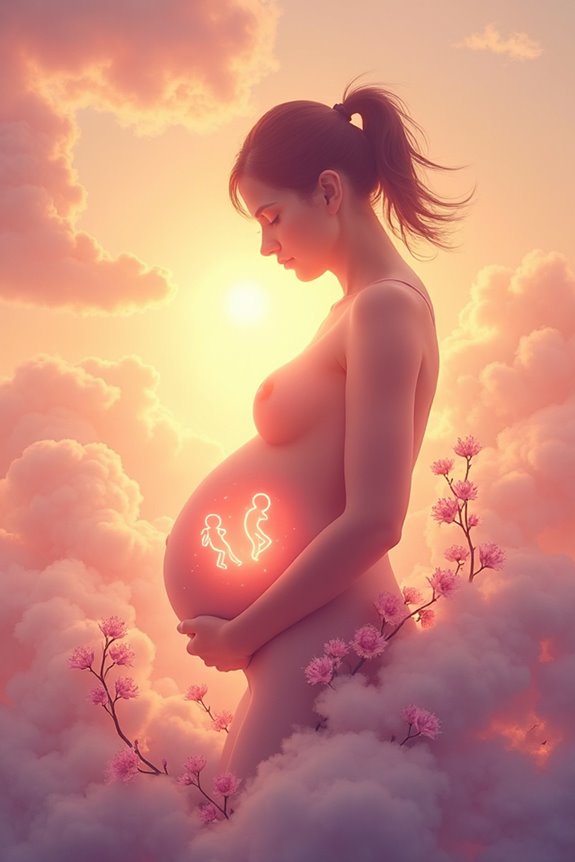
How Babies Are Made: The Science of Conception

Conception is a complex yet fascinating journey that begins when sperm travel through the vas deferens, encountering the female reproductive tract. The egg, maturing monthly, provides half of the needed chromosomes. Fertilization occurs when a sperm penetrates the egg’s barriers and fuses with its membrane. The fertilized egg quickly develops into an embryo, which then travels to the uterus. Here, it implants into the uterine lining, setting the stage for potential new life. There’s so much more to the process, so let’s explore further!
Key Takeaways
- Sperm travel through the vas deferens and are propelled by smooth muscle contractions during ejaculation, entering the female reproductive tract.
- The egg, containing half of the genetic material, is released monthly from the ovaries and has protective layers.
- Sperm encounter barriers like the corona radiata and zona pellucida, requiring enzymes to penetrate and fuse with the egg.
- After fertilization, the zygote undergoes rapid cell division, forming three germ layers that will develop into various body systems.
- The embryo migrates to the uterus, reaching the blastocyst stage and preparing for implantation into the endometrium.
You may be interested



Recommended Products

【Life-Size Female Uterus and Ovaries Anatomical Model】This human uterus and ovaries anatomy model is designed to match the actual size of the female reproductive organs, providing a realistic and detailed representation for comprehensive anatomical study. Perfect for medical education, research, and professional use.

▲Material & Craftsmanship - Medical Quality. The model of the human body is made in non-toxic PVC material, easy to clean. It is detailedly hand painted with fine craftsmanship and installed on a nice-looking Oak-wooden Base.

Mini Human Skeleton Model:This scientific human model is cast from Realistically detailed miniature model of the human skeleton,are perfect for the study and clinical settings
The Journey of Sperm
When we think about how babies are made, it’s fascinating to realize that the journey of sperm involves a complex and remarkable process.
- Sperm Transport: Sperm begin their journey in the epididymis and move through the vas deferens, propelled by smooth muscle contractions. During ejaculation, around 300 million sperm enter the female reproductive tract.
- Sperm Survival: Unfortunately, the acidic environment of the vagina poses significant challenges. Many sperm don’t survive the initial journey, but those that do can live up to five days. The cervical mucus plays a crucial role, thinning during ovulation to aid sperm transport.
Understanding this journey helps us appreciate the intricacies of conception and the remarkable resilience of sperm in their quest to unite with an egg.
Recommended Products

Specially designed for “trying to conceive” women to get pregnant naturally: These Easy@Home ovulation tests give women a greater chance of predicting their most fertile days, even if their cycle lengths vary

Specially designed for "Trying to conceive” women to get pregnant naturally: Easy@Home ovulation tests give women a greater chance of predicting their most fertile days, even if their cycle lengths are variable

Perfect for women trying to conceive (TTC) naturally: Easy@Home’s new ovulation test kit can help you navigate your TTC journey and make getting pregnant easier. Pregnancy testing can predict pregnancy earlier than a missed period. This combination kit includes 25 Ovulation Test Strips and 10 Pregnancy Test Strips
The Role of the Egg

The role of the egg in reproduction is fascinating and crucial, as it serves as the female gamete, or reproductive cell. Each month, our bodies prepare for the possibility of new life through a process called egg maturation, where an egg develops in the ovaries.
Here are a few key points about the egg:
- Genetic Contribution: The egg contains our genetic material, providing half of the chromosomes needed for a future child.
- Layers of Protection: It’s surrounded by layers that nourish and protect it, such as the corona radiata and zona pellucida.
- Haploid Nature: Being haploid, the egg holds only half the genetic information, which combines with sperm to create a unique individual.
Understanding the egg’s role deepens our appreciation of conception.
Recommended Products
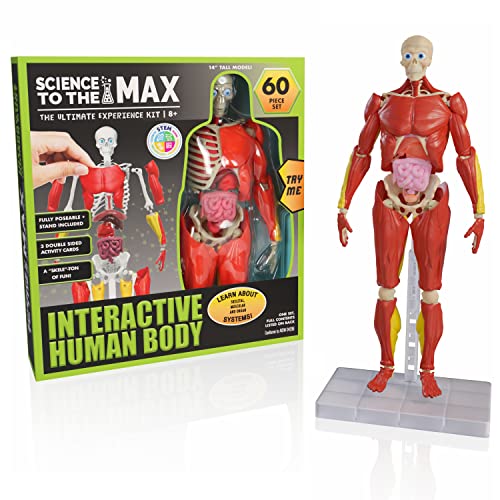
FULLY EQUIPPED 3D BODY PUZZLE – The Interactive Human Body is a 14" Tall, Fully Articulated and Posable Human Body Model. Mimic the movements of real human anatomy, and see how we move. Young scientists can get a real inside-look

Interactive Anatomy Model: The GobiDex Interactive Human Body Model is a 12.6-inch tall, self-standing, glow-in-the-dark science model that offers kids a hands-on way to explore human anatomy and understand real human structures

DISCOVER HOW THE HUMAN BODY WORKS: Take a fascinating tour of the human body as you remove 21 realistic vital organs, bones, and muscles using the included forceps and tweezers; then rebuild the model from the toes to skullcap
The Process of Fertilization
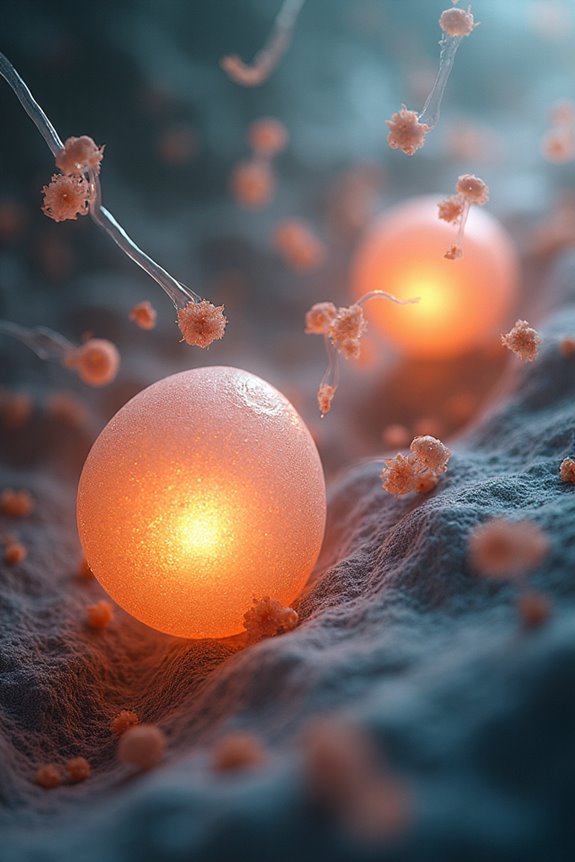
Fertilization is a remarkable process that kicks off the journey of creating new life, and understanding how it works can be both fascinating and enlightening.
When sperm reaches the egg, it faces fertilization barriers like the corona radiata and zona pellucida. Here’s how it works:
- Sperm Enzymes: Sperm release enzymes, including hyaluronidase, to penetrate these barriers effectively.
- Penetration Process: After breaking through the corona radiata, sperm continue to the zona pellucida, where they must fuse with the egg membrane.
- Genetic Exchange: Once inside, a single sperm delivers its genetic material, initiating the fusion that leads to conception.
This intricate dance of sperm and egg, marked by biochemical signals and receptor activation, ultimately sparks the creation of new life, reminding us of nature’s incredible design.
Recommended Products

GET PREGNANT FASTER: vs not using any method. This test identifies your 2 most fertile days and is 2x more accurate vs calendar methods, providing you with the opportunity to get pregnant faster

GET PREGNANT FASTER with Clearblue Advanced Digital Ovulation Tests [1] DOUBLE YOUR CHANCES of getting pregnant [2] in your first cycle

Easy to Use: Dip the test, check the result and snap a picture. Premom will automatically align your valid test results for visible progression tracking. You can track and view your cycle and fertility window’s prediction at any time. No need to hold onto the old urine test anymore!
Early Embryo Development
As we embark on the incredible journey of early embryo development, it’s essential to understand how intricate this process truly is. During the first eight weeks, our cells undergo rapid division, forming three germ layers:
- Ectoderm: This layer gives rise to our nervous system and skin.
- Mesoderm: Here, we see the foundation for our heart and muscles.
- Endoderm: This layer develops into our digestive and respiratory systems.
Recommended Products
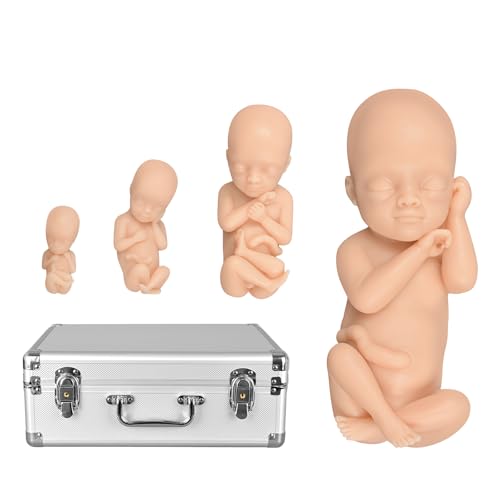
Multi-Stage Fetal Models - Detailed models show male human development at 12, 16, 22, and 30 weeks, covering critical pregnancy milestones from embryo to late-term stages

Set of nine individual models mounted on stands show the stages of human development.

Material: The anatomical human embryo development model is made of PVC material by casting mold, with real appearance, real operation and high durability
The Path to Implantation
After the early stages of embryo development, where vital structures are formed, we now shift our focus to the path leading to implantation. During this journey, the embryo undergoes migration from the fallopian tube to the uterus, taking about four days. By days five to six post-fertilization, it reaches the blastocyst stage, preparing for implantation.
- The blastocyst hatches from its protective zona pellucida.
- It begins to interact with the endometrium, the uterine lining.
- This interaction is crucial, especially during the implantation window, typically days six to ten.
The trophectoderm forms and starts invading the endometrium, establishing a connection with maternal blood vessels. This intricate process sets the foundation for a successful pregnancy, as hormonal support maintains uterine receptivity.
Frequently Asked Questions
How Long Does Sperm Survive in the Female Body?
When we think about sperm lifespan within the female anatomy, it’s fascinating to realize they can survive up to five days under perfect conditions. This understanding deepens our appreciation for the intricate dance of reproduction.
What Factors Affect Sperm Motility and Health?
Have we ever considered how our choices shape sperm motility and health? Factors like environmental toxins and sperm morphology can profoundly impact fertility. Let’s prioritize our well-being for a healthier future together, shall we?
Can Multiple Eggs Be Fertilized in One Cycle?
Yes, we can experience multiple ovulation, leading to several egg releases in one cycle. This increases the chances of fertilization, creating beautiful possibilities for life and the joy of potentially welcoming multiples into our family.
What Happens if Fertilization Doesn’t Occur?
If fertilization failure occurs, we face the heartache of unattainable dreams. It reminds us of egg viability’s importance, leaving us to navigate our emotions and seek support as we consider our next steps together.
How Can Hormonal Changes Impact Conception Chances?
We know hormonal fluctuations can greatly impact our chances of conception. Understanding our fertility window empowers us to optimize timing, enhancing the intimate journey we share while navigating the beautiful complexities of creating new life together.