As an Amazon Associate, we earn from qualifying purchases. Some links on this site are affiliate links at no extra cost to you. Our recommendations are based on thorough research and editorial judgment.


When Do Babies Open Their Eyes? A Parent’s Guide

As new parents, we delight in those first precious moments when our newborns open their eyes. Babies can start focusing on faces and engaging with their world right from birth, preferring their parents’ faces due to the bond it fosters. By 1 month, they can follow objects with their eyes, which continues to develop as they grow. High-contrast patterns especially captivate them. For detailed insights and milestones, we’ll guide you through each stage of this visual journey.
Key Takeaways
- Newborns typically open their eyes shortly after birth, usually within minutes to hours.
- Initial eye opening allows infants to start focusing on faces about 8 to 10 inches away.
- Early eye opening is crucial for visual stimulation and bonding during feeding.
- The ability to track objects and develop visual skills begins within the first month.
- Regular eye exams ensure healthy visual development and early detection of issues.
The First Blink: Newborn Vision Basics
You may be interested



When it comes to understanding newborn vision, it’s quite fascinating how these tiny eyes start seeing the world. We can marvel at the newborn’s ability to engage with visual stimulation right from birth. At just 8 to 10 inches away, they can focus intently on our faces, especially during those tender skin-to-skin moments.
- Face Recognition: They show a preference for faces, particularly during feeding, offering a sense of comfort and bonding.
- Visual Stimulation: High-contrast patterns captivate them, and within weeks, their pupils adapt, enhancing light and dark perception.
It’s heartwarming to know that even as their eyes wander, newborns are already working hard to make sense of the world around them, one blink at a time.
Eye Coordination and Focus Milestones

As we dive into the fascinating world of infant eye coordination and focus milestones, it’s amazing to see how quickly babies develop these skills. By 1 month, infants can track objects with their eyes, moving towards or starting at the midline. Around 3 months, they follow objects in circular motions and begin reaching for them using visual cues.
- Visual Motor Skills: Develop as babies learn to track objects, which is crucial for eye coordination.
- Hand-Eye Coordination: Starts early with reflexes, becoming more intentional around 3-5 months as infants improve their accuracy.
- Eye-Body Coordination: By 8 weeks, babies track and reach for moving objects, a key milestone in their development.
These early skills lay the foundation for more complex coordination as they grow.
Developing Color Vision in Infants
Although newborns enter the world with a limited ability to perceive colors, their journey to developing full color vision is quite fascinating. Initially, they see mainly in black and white, but by the time they reach one month, they begin detecting brightness and intensity. By two to three months, infants can perceive their first colors, typically red and green, as their cone cells mature.
Visual stimulation is key—high-contrast patterns help capture their attention and enhance color perception.
Recommended Products

Stimulate Your Baby’s Senses: This black and white baby book, designed for babies 0-6 months, features high-contrast black and white patterns on one side and vibrant colors on the other, making it an ideal toy for early development. Watch your baby explore animal shapes and fun forms that captivate their attention and encourage sensory play.
The Emergence of Depth Perception
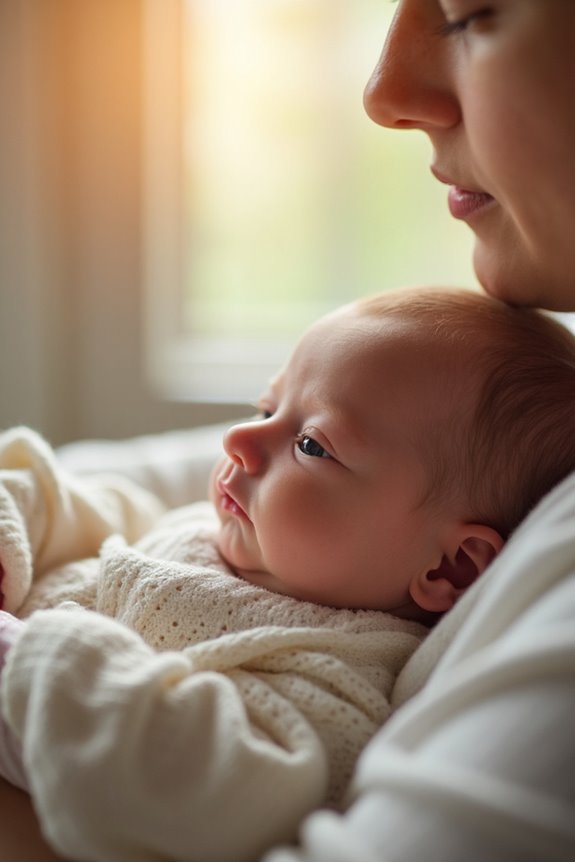
Depth perception in infants, though not fully innate, begins to develop around the fifth month of life. During this time, infants start using depth cues, such as pictorial positions, to perceive the world in three dimensions. It’s fascinating how their visual experiences enhance this skill, allowing them to judge distances better.
We can look at the visual cliff experiment, where infants as young as six months avoid crossing perceived drop-offs, showing awareness of depth. This indicates that, while crawling isn’t necessary for depth perception, it certainly enriches their visual experiences and coordination.
As infants track moving objects and reach for them, they refine their depth perception skills. Engaging in activities like peek-a-boo further nurtures this development, fostering their understanding of the world around them.
Recommended Products

Perfect Fit - Our playmat are 47x47 inches, which can be utilised in conjunction with a 50x50 inches baby playpen. The 0.4-inch thickness effectively cushions the damage caused by a baby falling, allowing the infant to play on the baby floor mat without restraint.
Enhancing Visual Precision and Clarity
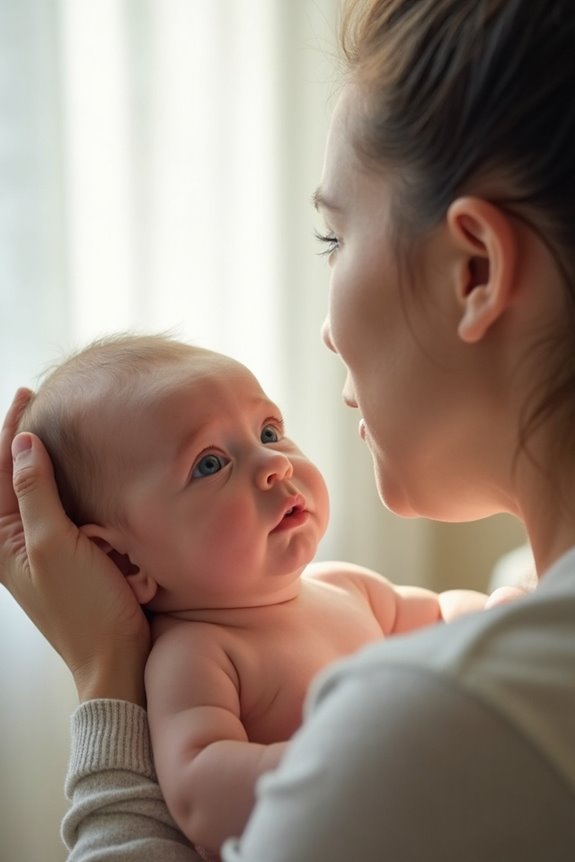
When we think about enhancing visual precision and clarity in infants, it’s essential to understand the key stages of their early visual development. Babies initially recognize light, shapes, and faces, with color vision maturing by about five months. We can boost their visual abilities through:
- Visual Stimulation: Use high-contrast toys and movements to help babies focus and track objects.
- Interactive Play: Engage in activities that require visual exploration, promoting eye coordination.
- Environmental Stimulation: Provide varied visual environments to pique interest and enhance clarity.
- Eye Exams: Regular check-ups are vital for monitoring development and addressing any issues early.
Long-Term Vision Development in Early Childhood

Understanding long-term vision development in early childhood is crucial for ensuring that children reach their full potential. As their vision matures, infants experience significant visual processing and cognitive growth, which lays the foundation for future learning and exploration.
- Visual Milestones: By eight weeks, babies begin focusing on faces, enhancing their social interactions and emotional bonding.
- Depth Perception: Around six months, depth perception improves, helping them grasp objects and coordinate movement.
- Interactive Play: By one year, advanced color vision and object recognition support more complex play, stimulating cognitive growth.
Let’s remember, these visual milestones not only bolster our little one’s motor skills but also nurture their budding cognitive abilities, paving the way for a lifelong journey of discovery and learning.
Frequently Asked Questions
When Do Babies First Open Their Eyes After Birth?
As parents, we marvel at our newborns’ first eye opening moments. They open within minutes, revealing initial colors like blue or gray. Their vision’s limited, but every glance strengthens our bond and their development. It’s truly magical.
How Can Parents Stimulate a Newborn’s Vision Development?
Imagine their world as a canvas. As parents, we paint with color contrast and visual tracking, creating a vibrant masterpiece. Through playful interactions, we help their eyes dance, guiding them toward a future full of wonder.
Are There Any Signs of Vision Problems in Infants?
Let’s watch for signs like unusual eye movement or sensitivity. Vision screening’s crucial. If eyes aren’t tracking objects or there’s persistent redness, consult a professional. We’re here to ensure our little one’s vision develops healthily.
What Toys Are Best for Developing Infant Vision?
Did you know 80% of learning is visual? Let’s explore colorful mobiles and high-contrast toys. They’re essential for stimulating infant vision, helping our little ones track movement and recognize colors early on. Isn’t nurturing development exciting?
How Do Premature Birth Factors Affect Vision Development?
Let’s explore how premature infants face unique challenges in reaching vision milestones. Their early birth can affect visual attention, acuity, and overall development, making ongoing monitoring essential to support their journey to healthy visual growth.