As an Amazon Associate, we earn from qualifying purchases. Some links on this site are affiliate links at no extra cost to you. Our recommendations are based on thorough research and editorial judgment.


When Does Reflux Peak in Babies? A Parent’s Guide

Reflux usually peaks in babies around 4 to 5 months, with symptoms such as spitting up or vomiting. We understand how worrying this can be, but rest assured, half of all babies experience regular spit-ups during this time. Most will outgrow reflux by 12 months as they develop better head control and start solid foods. If you’re dealing with this, remember, support is available. Discover more about managing and understanding infant reflux.
Key Takeaways
- Infant reflux symptoms typically peak between 4 to 5 months of age.
- Around half of all infants experience regular spit-ups during this period.
- Reflux usually begins before babies reach 8 weeks old.
- Most full-term infants outgrow reflux by the time they are 12 months old.
- Developmental milestones like improved head control help reduce reflux symptoms.
Recognizing the Signs of Reflux in Infants
You may be interested



How can we tell if our little one is experiencing reflux? Let’s explore some common reflux symptoms together.
- Spitting up or vomiting: Notice how often they spit up during or after feeding. It’s a classic sign.
- Feeding difficulties: If they’re refusing to eat or seem uncomfortable, it might be due to reflux.
- Irritability: Watch for crying or fussiness during meals.
- Coughing or hiccupping: These can be subtle indicators, often overlooked.
- Weight issues: Frequent vomiting might affect their weight gain.
We should pay attention to signs like arching their back or gulping after feeds. While these symptoms can be distressing, remember, we’re not alone. Many parents face these challenges, and understanding these signs helps us provide the best care.
Recommended Products

1.Gentle Incline Positioning:The angled wedge design supports a natural upright posture during feeding and supervised rest time. Helps create a comfortable daily routine setup.

【2-in-1 Convertible Design】Say goodbye to spit-ups. Warmhoniu baby feeding pillow features a removable wedge for post-feeding comfort, easily transforming into a flat tummy time mat for newborn to practice lifting head. (Detachable parts require adult reassembly and supervision.)

Not intended for sleep or unsupervised use.
Understanding the Timeline of Reflux

As we recognize the signs of reflux in our little ones, it’s helpful to grasp when we might expect these symptoms to peak and eventually subside. The reflux timeline typically begins before 8 weeks, peaking between 4 to 5 months. Around half of all babies experience regular spit-ups during this phase. Thankfully, this is a self-limited condition.
- Age of Onset: Symptoms start early, often before 8 weeks.
- Peak Symptoms: Look for the peak around 4 to 5 months.
- Resolution: Most full-term babies outgrow reflux by 12 months, thanks to infant development and milestones like improved head control and solid foods.
Understanding this timeline reassures us that reflux generally resolves as our baby’s digestive system matures.
Recommended Products
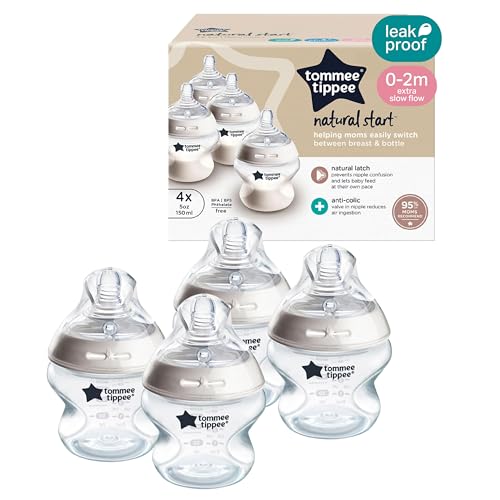
Designed For Seamless Transition Between Bottle and Breast: Natural Start bottles have silicone nipples that are designed with an anti-colic valve and mimic the flexibility of a breast

SUPPORTS HEALTHY BOTTLE FEEDING - When it comes to bottles, a good latch can be hard to achieve. That's why Evenflo created the Balance Plus Wide Neck Bottle, designed with a unique, naturally sloped nipple and a wide nipple base allowing baby's lips to maintain a wide latch without getting tired or slipping to the nipple tip, similar to how baby would latch at breast.

Colorful, lightweight and easy to hold
Factors Contributing to Infant Reflux

When it comes to understanding infant reflux, there’s a lot we need to consider, especially since several factors contribute to its occurrence. Let’s explore these together:
- Premature Birth: Babies born prematurely often have underdeveloped digestive systems, putting them at higher risk.
- Anatomical Factors: The anatomy of the esophagus and stomach can influence reflux. An immature esophageal sphincter might allow stomach contents to flow back.
- Feeding Methods: Formula feeding increases the risk of reflux due to differences in milk content. Breastfeeding, supported by dietary recommendations, can mitigate this risk.
It’s crucial we pay attention to these factors for our little ones’ comfort. By understanding them, we can make informed decisions, helping manage reflux symptoms more effectively and ensuring our babies’ well-being.
Recommended Products
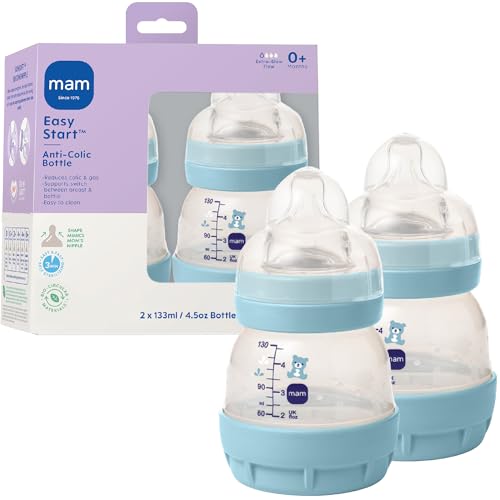
ANTI-COLIC+ DUAL SYSTEM: These anti-colic baby bottles feature an engineered vented base clinically proven to reduce colic symptoms in 80% of babies. The vented base prevents air from entering the bottle, while the SkinSoft nipple lets babies feed at their own pace - working together preventing air bubbles, so babies swallow less air and feed more comfortably.


ANTI-COLIC+ DUAL SYSTEM: These anti-colic baby bottles feature an engineered vented base clinically proven to reduce colic symptoms in 80% of babies. The vented base prevents air from entering the bottle, while the SkinSoft nipple lets babies feed at their own pace - working together preventing air bubbles, so babies swallow less air and feed more comfortably.
Effective Management and Treatment Options

Understanding how to effectively manage and treat infant reflux can make a big difference for both you and your baby. We can start by considering some practical management strategies:
- Positioning: Holding your little one upright for 30 minutes after feedings can help.
- Feeding Adjustments: Adding rice cereal to formula thickens it, reducing regurgitation.
- Burping Techniques: Burping every 1-2 ounces of formula helps prevent gas buildup.
For medication options, H2 blockers can decrease stomach acid, while proton pump inhibitors are used cautiously. Dietary changes may involve switching to specialized formulas if milk protein sensitivity is suspected. Always consult with healthcare providers before making formula changes or starting medications. Monitoring growth and symptoms ensures these strategies are effective, providing comfort and peace of mind.
Recommended Products


THICKENS BREAST MILK & FORMULA: Gelmix is an unflavored infant thickener that mixes with warm expressed breast milk and infant formula when thickening is recommended.

Mylicon, the #1 pediatrician recommended brand, has been providing safe, effective relief of infant gas for generations
When to Seek Medical Advice

It’s crucial to know when to seek medical advice for your baby’s reflux, as timely intervention can prevent complications. We’ve all faced parental anxiety, especially with symptoms like green or yellow vomit, projectile vomiting, or blood in your baby’s stool. Reflux triggers such as feeding refusals or inconsolable crying should prompt attention, as should signs of dehydration like fewer wet diapers or sunken eyes.
If your baby experiences breathing difficulties, fever with shivering, or isn’t gaining weight, it’s time to consult a healthcare professional. Persistent reflux after 6 months or frequent choking also warrants a call to the doctor. Remember, trust your instincts—when symptoms don’t improve or if you’re worried, it’s always better to seek expert advice.
Recommended Products

EFFECTIVE COMBO SET: JJPRO baby daily log set includes one 14.5”x11” log tracker white board and two 7.25”x 5.5”magnetic white notepads. The combo set fits most refrigerators, no matter its mini or full size, single door or side-by-side. Flexible sizes provide more options to choose and convenience to use.


BABY LOG BOOK - This baby's daily tracking book to help you record the details of baby nursing, diet, sleep, diaper changing and activities in detail, and to help your baby grow healthily every day.
Frequently Asked Questions
Can Reflux Affect My Baby’s Sleep Patterns?
Can reflux affect our baby’s sleep patterns? Absolutely. Reflux causes sleep disturbances, leading to frequent wakings. Let’s explore soothing techniques like elevating the mattress or ensuring a calm environment to help our little ones rest better.
Are There Any Dietary Changes for Breastfeeding Mothers to Reduce Reflux?
We can make dietary adjustments and breastfeeding modifications to help reduce our baby’s reflux. By avoiding common triggers and allergens, and focusing on whole, unprocessed foods, we’ll support their comfort and ease their symptoms together.
How Does Reflux Impact My Baby’s Growth and Development?
Let’s explore how reflux can affect our baby’s growth and development. While most babies reach growth milestones without issue, severe reflux might cause developmental delays. Together, we’ll ensure our little one’s thriving and hitting those milestones.
Is Reflux Linked to Any Long-Term Health Issues?
Like a shadow that lingers, reflux causes potential long-term issues if untreated. Let’s explore reflux treatments together, ensuring our little ones grow healthy and strong, free from chronic conditions. We’re here to support each other, always.
Can Probiotics Help Manage Reflux in Infants?
We’ve explored how probiotic strains can positively impact infant digestion. While results aren’t yet definitive, certain strains show promise in reducing reflux symptoms. It’s crucial we choose strains carefully and consult our pediatrician for guidance.