As an Amazon Associate, we earn from qualifying purchases. Some links on this site are affiliate links at no extra cost to you. Our recommendations are based on thorough research and editorial judgment.


Do Babies Have Kneecaps? What Parents Should Know

Babies don’t have fully developed kneecaps at birth. Instead, they begin with kneecaps made mostly of flexible cartilage. This cartilage is essential for their early movements. As they grow, kneecap ossification starts around ages 2 to 3, becoming more bone-like by ages 6 to 7. It’s important to keep an eye on their mobility milestones and ensure regular check-ups. Understanding these changes can help us support our little ones’ development better, and we’ve got more to share!
Key Takeaways
- Babies are born with kneecaps made entirely of cartilage, providing flexibility for movement.
- Kneecap ossification begins between ages 2 and 3, transitioning from cartilage to bone.
- By ages 6 to 7, most children have fully developed and ossified kneecaps.
- Flexibility in infants’ kneecaps is essential for crawling, walking, and injury prevention.
- Regular pediatric check-ups are important for monitoring kneecap development and overall joint health.
Understanding Kneecaps in Infants
You may be interested



Have you ever wondered about the kneecaps of infants? It’s fascinating how kneecap anatomy evolves as they grow. In the first few years, infants don’t have a fully formed kneecap; it’s mostly made of cartilage. This soft structure allows for flexibility, which is crucial for infant mobility.
As they start crawling and walking, the kneecap begins to ossify, or turn into bone, typically between ages 2 and 3.
Here are some key points:
- Initial Phase: Infants rely on muscle tone and coordination.
- Growth: Walking enhances kneecap development.
- Ossification Timeline: By ages 6 to 7, most children have fully developed kneecaps.
Understanding this process helps us appreciate the incredible journey of growth our little ones experience!
The Cartilage Kneecap: Structure and Function
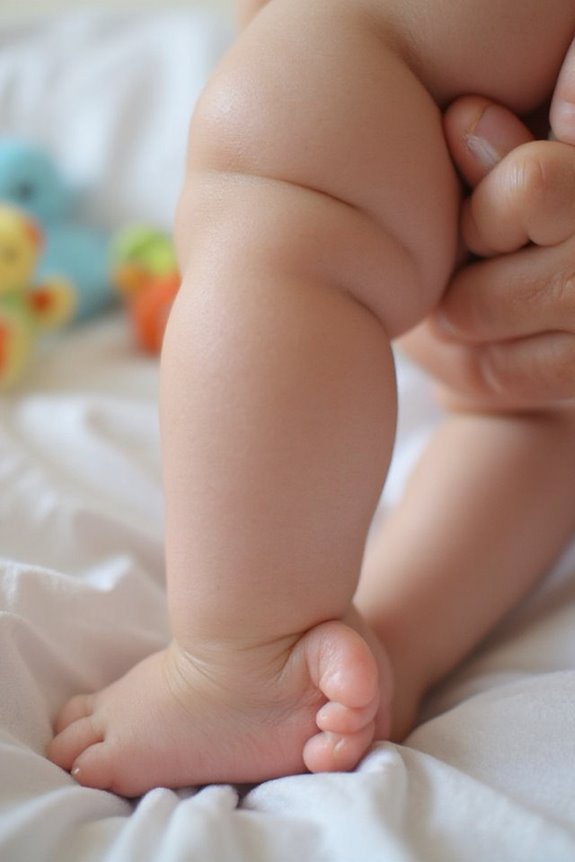
The kneecap, or patella, plays a crucial role in the knee’s structure, especially in infants who have not yet developed fully formed bones. This cartilaginous kneecap is made of soft, flexible cartilage composition, allowing it to adapt during early movements.
- Flexibility: The kneecap flexibility is vital for smooth transitions while crawling and walking.
- Support: It provides necessary structure without being rigid, reducing the risk of injury.
- Growth: As babies grow, the cartilage kneecap supports developmental changes, aiding mobility.
Understanding how this flexible structure works helps us appreciate its importance in our little ones’ early development. So, as parents, we can support their growth by encouraging safe and active play, letting them explore their world.
Recommended Products

Essential Protection for Growing Crawlers: Our 5-pair (10 pads total) baby knee pad set provides ample coverage for your little explorer's daily adventures. Made from soft, breathable fabric with extra cushioning to shield delicate knees from hard floors, carpet burns, and bumps during crawling and early walking stages.
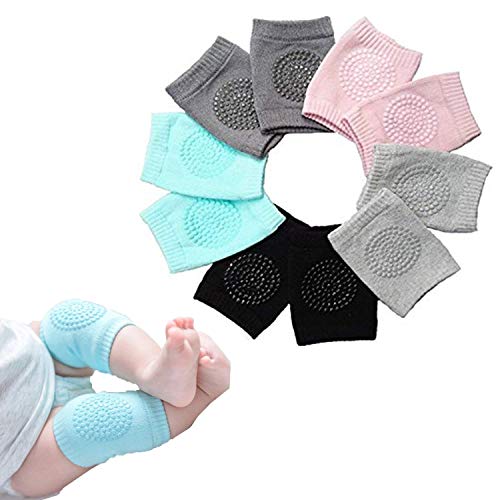
Better Crawling: These baby knee pads can protect your baby's knees from bruises and scrapes when they are crawling and learning to walk.and Suitable for any Season.

👶🏻 𝗣𝗥𝗢𝗧𝗘𝗖𝗧 𝗕𝗔𝗕𝗬'𝗦 𝗞𝗡𝗘𝗘𝗦 -- Let your baby roam wherever their crawls may take them... without bruises, scrapes, or carpet burns. (2 Pairs)
The Process of Kneecap Development
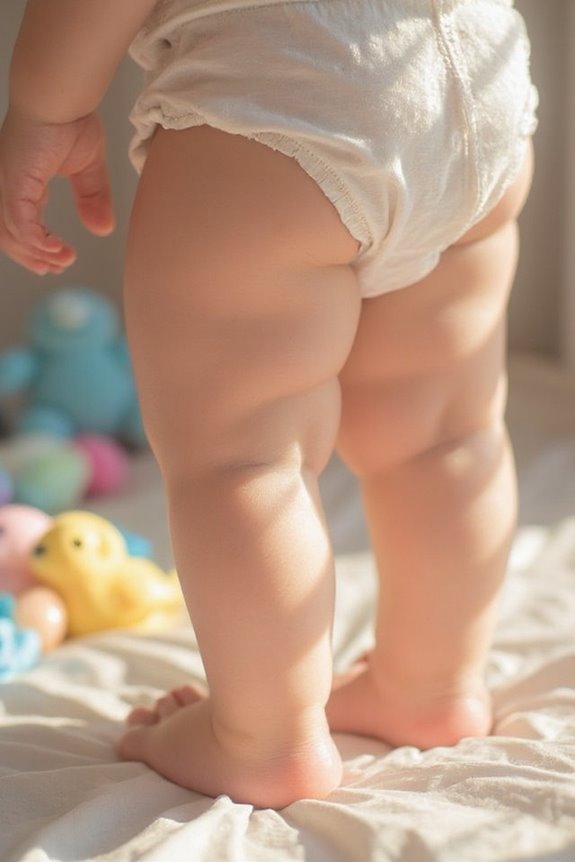
As we dive into the process of kneecap development, it’s important to recognize that this journey begins right after birth. Babies start with cartilaginous kneecaps, providing flexibility and support.
- Ossification Stages: The transition to bone begins between ages 2 and 6. Initially, small ossified centers form within the cartilage.
- Developmental Variations: By ages 3 to 5, the kneecap becomes more bone-like, yet some cartilage remains.
- Final Maturity: Most children have a fully ossified patella by 6-7 years, but full maturity occurs during adolescence around 10-12 years.
Understanding this gradual process helps us appreciate the important milestones in our children’s growth, ensuring they develop healthy knees for their active lives ahead.
Recommended Products

KARM Black Kids Knee Sleeve is suitable for children from the age of 7 and comes in one size which makes shopping easy for parents. Kids knee support brace offers medium-level support. Use for different sports, minor ligament injuries, instability, twisted knee, tendonitis pain, torn meniscus, and swelling.

The knee brace for kids provides targeted compression to stabilise the knee during physical activity

The knee brace for kids provides targeted compression to stabilise the knee during physical activity
The Importance of Flexibility in Infants’ Kneecaps
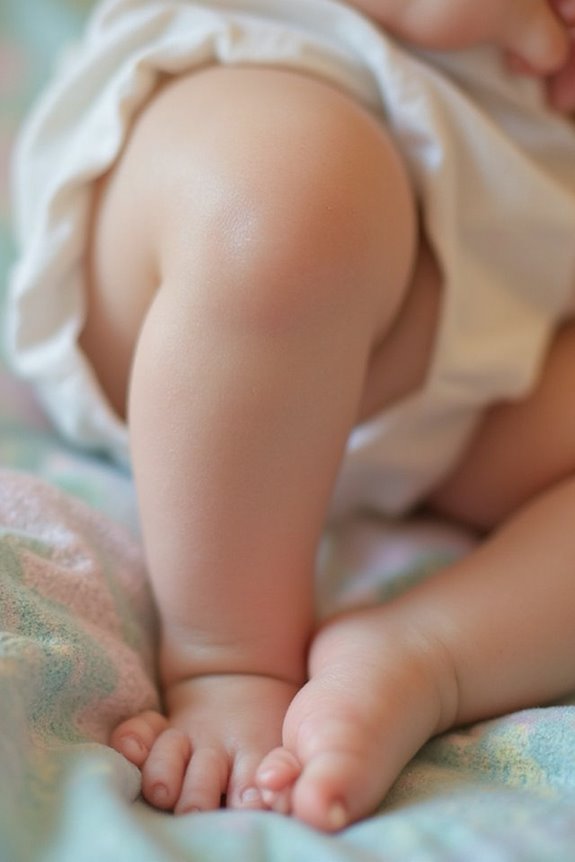
Understanding how kneecaps develop in infants naturally leads us to appreciate the importance of flexibility in this process. Infants possess remarkable joint flexibility, which plays a vital role in their motor skill development. Here are some flexibility benefits:
- Supports Crawling and Walking: This flexibility allows for essential movements, helping your child master crawling and eventually walking.
- Enhances Coordination: Greater range of motion improves balance and coordination, making it easier for infants to learn new skills.
- Aids in Injury Prevention: Flexible joints can absorb shocks more effectively, reducing the risk of injury during play.
Monitoring your baby’s flexibility is crucial. Regular check-ups help ensure their joints are developing correctly, allowing those adorable little knees to thrive on their journey to mobility!
Comparing Infant and Adult Kneecaps
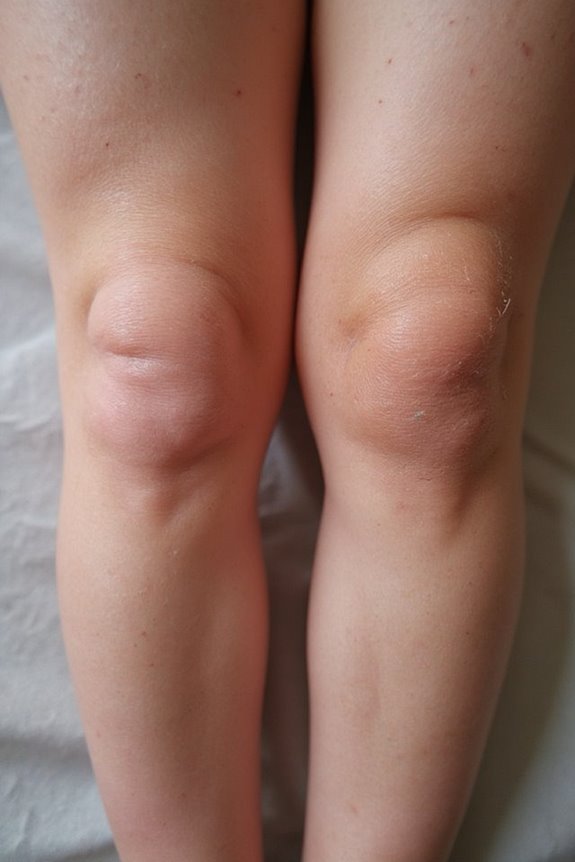
When we look at the differences between infant and adult kneecaps, it’s fascinating to see how our bodies develop over time. The kneecap differences are quite pronounced. Infants have soft cartilage kneecaps, providing flexibility for movement, which is essential for their early mobility as they learn to crawl and walk. In contrast, adult kneecaps are made of dense bone, offering strength and stability.
Key points include:
- Flexibility in Infants: Cartilage cushions and supports joints, reducing injury risk.
- Strength in Adults: Fully formed kneecaps protect against high impact.
Recommended Products

【𝐂𝐨𝐦𝐟𝐨𝐫𝐭 𝐟𝐨𝐫 𝐊𝐧𝐞𝐞𝐬 𝐚𝐧𝐝 𝐄𝐥𝐛𝐨𝐰𝐬】- Beiens comfortable bath kneeler and elbow rest pad set are well made with water-friendly neoprene fabric and high elasticity memory foam. And the large size of 1.5in thick 22in long and ergonomic design that provides long lasting relief and comfort for your elbows, knees, back and arms. Let you have the best bathing time with your angel babies. It is the perfect gift for Moms and Dads.

✅ 𝗣𝗥𝗢𝗧𝗘𝗖𝗧 𝗕𝗔𝗕𝗬'𝗦 𝗞𝗡𝗘𝗘𝗦 - Our premium baby knee pads and socks have been crafted with your little one in mind. Constructed from BPA-free materials, our cotton blend offers exceptional flexibility while at the same time ensuring maximum protection for those precious knees and feet!

POCKETS FOR BABY BATH ESSENTIALS: With 4 breathable organizer pockets, our bath mat for baby bath time will perfectly complement your routine. A handy solution for baby bath toys as well!
Growth Milestones Related to Kneecap Development

Kneecap development is a fascinating journey that reflects our growth milestones as we transition from infancy to childhood. During the first few years, we experience important changes in our kneecaps, influenced by various factors.
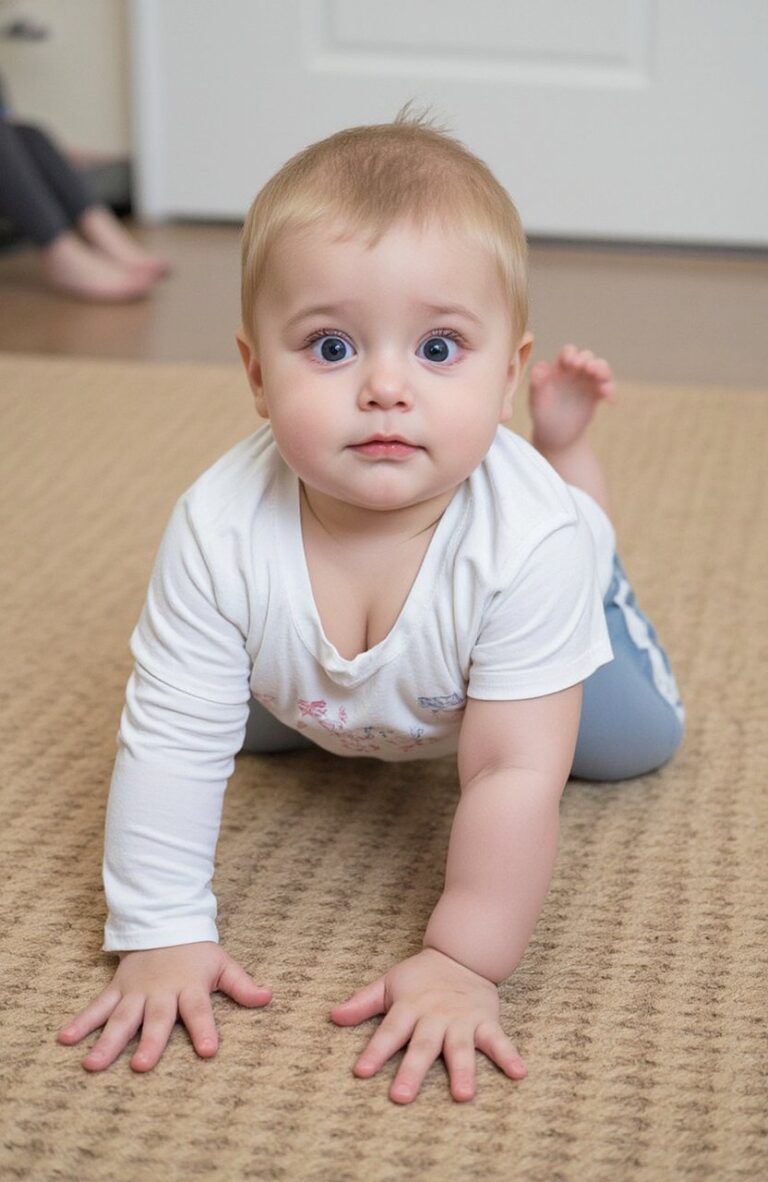
- Crawling and Standing: Between 6 months and 1 year, you’ll notice significant knee joint changes as your baby starts moving.
- Visible Ossification: By ages 2-3, X-rays can reveal kneecap ossification, marking a key milestone.
- Full Formation: Typically, by ages 10-12, the kneecap is fully formed, completing its bone development.
Understanding these developmental timelines helps us recognize healthy growth patterns, ensuring we provide the right support, like proper nutrition and regular physical activity, for our little ones.
Medical Considerations for Kneecap Formation

As we explore the fascinating journey of kneecap formation, it’s important to recognize the medical considerations that come into play during this development. The ossification timeline shows that kneecaps begin to form between ages 2-3, with visible centers appearing by age 3-5.
We should know that babies are born with kneecaps made entirely of cartilage. This flexible cartilage provides numerous benefits: it helps during birth, absorbs shock when crawling, and reduces the risk of fractures.
While delayed ossification might be benign, it’s essential to monitor for any developmental delays. Regular pediatric check-ups can help ensure everything’s on track. Remember, the absence of an ossified kneecap in infants is perfectly normal, so there’s no need to worry!
Recommended Products

SET OF 5 - Yellow, khaki, dark green, blue, pink. Crawling knee protector have 5 different colors for baby to choose, comfortable and lovely color, your children will like baby knees protector very much.

Unisex baby crawling anti-slip knee pads and socks set: baby knee pads for crawling (3 pairs )and baby socks with grips 12-18-24 months (3 pairs);with non skid soles for infants toddlers kids boys girls.These are must-have essentials for babies 6-12 months old.Baby essentials for baby boys and girls.

PROTECT YOUR LITTLE ONE - The Baby knee pads designed to protect, and keep your child safe from wounds, scrapes, bruises, and irritations that they may get from crawling
Tips for Monitoring Your Child’s Physical Development

Monitoring our child’s physical development is crucial, especially since early growth can set the stage for future milestones. To effectively track progress, we can use a combination of physical observation and developmental checklists. Here are some tips:
- Observe Motor Skills: Watch for actions like crawling, walking, and balance to gauge gross motor development.
- Utilize Growth Charts: Regularly measure weight, height, and length against standardized growth charts.
- Document Milestones: Keep a record of milestones such as sitting and standing to ensure nothing is missed.
- Engage Healthcare Providers: Regular consultations with professionals can help address concerns early.
- Create a Stimulating Environment: Encourage exploration through varied activities that promote both physical and cognitive growth.
Recommended Products

High-Quality Wooden Material: This wooden 3D monthly milestone marker disc is crafted from premium wood, ensuring durability and long-lasting use. The natural texture of the wood gives the product a unique beauty, making it a precious keepsake for capturing the memories of your baby's growth.

BABY’S FIRST FOOD CHECKLIST: Track your baby’s food journey easily with our large fridge magnet. Plan meals and introduce a variety of flavors to help reduce picky eating.

Frequently Asked Questions
Can Kneecaps Affect a Baby’s Crawling Ability?
Kneecaps play a vital role in our baby’s crawling milestones. Their knee development, even as cartilage, supports movement and flexibility, helping little ones explore their world safely while building strength and coordination. We’re all in this together!
Are There Signs of Kneecap Issues in Infants?
When we think about knee development in infants, we should watch for signs like reduced mobility or unusual postures. Understanding infant anatomy helps us recognize potential issues, ensuring our little ones grow healthy and strong.
What Age Do Babies Typically Start Walking?
We often wonder about walking milestones in toddler development. Typically, babies start walking around 12 months, but it’s perfectly normal for them to begin anywhere between 10 and 18 months. Each little one’s journey is unique.
How Can Parents Support Knee Health in Infants?
As we cherish our little ones’ first steps, let’s support their journey by engaging in gentle knee exercises that enhance infant mobility. Together, we can nurture their strength and protect those precious developing joints.
Do Premature Babies Develop Kneecaps Differently?
When it comes to premature development, we understand kneecap formation can seem concerning. However, they typically develop just like term babies, with cartilage providing flexibility and support as they grow. Let’s focus on their overall health together.