As an Amazon Associate, we earn from qualifying purchases. Some links on this site are affiliate links at no extra cost to you. Our recommendations are based on thorough research and editorial judgment.

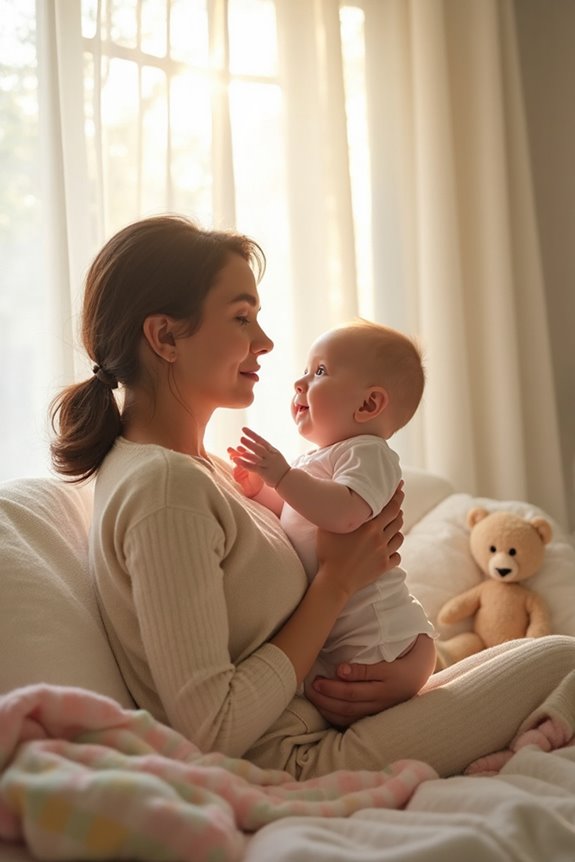
When Do Babies Realize They Are Separate From Mom?

Between 8 and 18 months, babies start realizing they are separate from their mothers. This coincides with developing object permanence and the onset of separation anxiety. We see this through behaviors like distress during separations and forming mental representations of objects and people. As they become aware of being distinct individuals, their emotional attachment and cognition evolve. Understanding this developmental milestone helps in fostering secure attachments. If you’re keen on more insights, they’re just around the corner.
Key Takeaways
- Infants begin to recognize themselves as separate individuals around 8 to 18 months.
- The onset of separation anxiety signals growing awareness of individuality.
- Object permanence development supports understanding of being distinct from others.
- Emotional attachment and memory development influence self-recognition.
- Regular interaction and sensory exploration aid in realizing separateness from caregivers.
Understanding Object Permanence
You may be interested



Understanding object permanence is a key part of how babies begin to grasp the world around them, and it’s a fascinating journey we get to witness. As infants develop this fundamental cognitive milestone, they learn that objects continue to exist even when out of sight. This concept is crucial during the sensorimotor stage, typically from birth to two years.
- Cognitive Milestones: Developing object permanence marks an infant’s growing ability to form mental representations of objects.
- Jean Piaget’s Theory: He introduced this concept, showing how it’s integral to cognitive development.
- Real-Life Examples: Games like peek-a-boo illustrate how babies start to understand object permanence.
Recommended Products

PEEK-A-BOO TEDDY BEAR: The 11.5" Peek-a-Boo bear recites one of six different phrases while animated mouth and arm movements recreate a fun peek-a-boo game with baby Features a satin-accented blanket for additional tactile sensation

PEEK-A-BOO FLAPPY PLUSH: Flappy the Elephant is here in a fun, floppy 7” new format Simply press his soft tummy with a gentle squeeze - his ears flop down, covering his eyes to hide in a battey-free game of peek-a-boo that you customize with baby

SUPER CUTE PEEK-A-BOO ELEPHANT - Adorable animated baby elephant to delight baby. He sings and plays 'Peek-A-Boo' with his big, floppy ears. With 2 different play modes, press his right foot to play an interactive game of Peek-a-boo, press his left foot for singing whilst flapping his ears in time with the music.
The Onset of Separation Anxiety
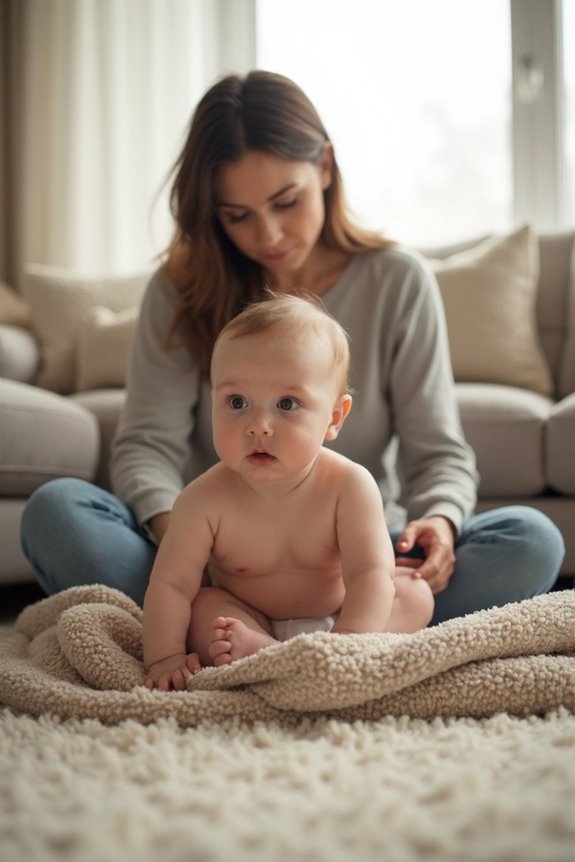
When babies start to experience the world more independently, they often encounter separation anxiety, a natural and common part of development. This typically begins between 8 and 18 months, often peaking from 10 to 18 months. We know separation anxiety is intertwined with developmental milestones and attachment styles. Babies might cry or cling to their caregivers when faced with separation, reflecting their growing awareness of being distinct individuals. Some little ones show symptoms as early as 7 months, but most outgrow this phase by age 2 or 3.
Variations exist due to differences in temperament and distress tolerance. Comforting routines and gentle support can ease this transition. Remember, what might seem intense now, is a developmental phase that most of us grow through.
Recommended Products
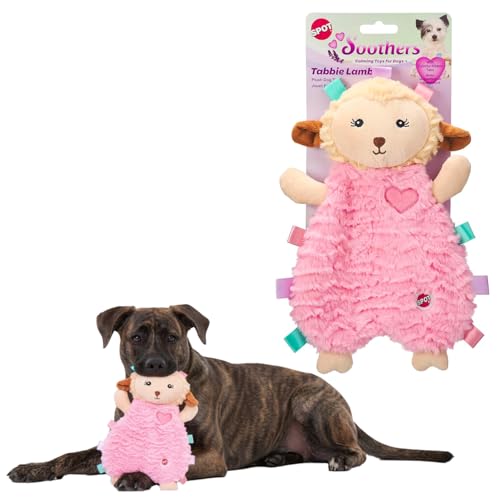
Ships in One of 3 Assorted Colors - Chosen at Random: Your Tabbie Lambie will arrive in coral pink, soft teal, or lavender. We can't take specific color requests - every pup gets a fun surprise, which makes this a great pick for gifting or for collecting all three.

【Anxiety Relief】WEOK heartbeat puppy toy which is a simulation of the true pulsing heartbeat enables the puppy to feel the comfort. It can help puppies and cats to relief the separation anxiety, loneliness, go through the tough time and adapt the new home or other complex environment. Important tips for heartbeat device: Press and hold the switch long enough, it works; Press and hold the switch long enough, it stops.

Emotional and Cognitive Growth in Infants
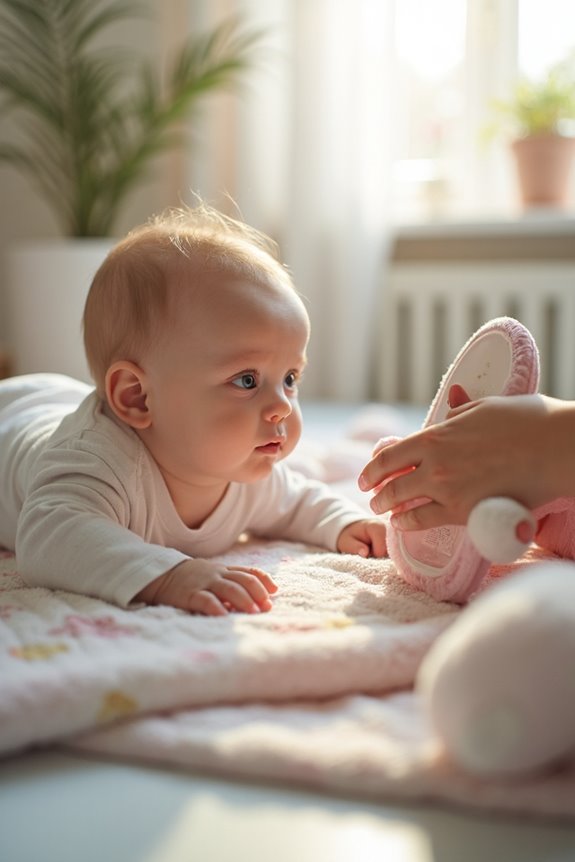
As infants embark on their journey of emotional and cognitive growth, they begin to lay the foundation for understanding the world around them. Let’s explore how they develop emotional attachment and cognitive awareness:
- Emotional Attachment: Through physical contact and interaction, infants form strong bonds. By one to two months, their social smile and facial recognition display early emotional responses.
- Cognitive Awareness: Infants explore through sensory experiences. They start to recognize familiar faces and objects, demonstrating memory development. Observing cause and effect, they engage in problem-solving, like grasping objects.
Parents play a crucial role. By providing emotional support and cognitive stimulation, we help infants regulate emotions and enhance their problem-solving skills. Remember, our interactions significantly impact their growth journey.
Recommended Products

Stimulate Your Baby’s Senses: This black and white baby book, designed for babies 0-6 months, features high-contrast black and white patterns on one side and vibrant colors on the other, making it an ideal toy for early development. Watch your baby explore animal shapes and fun forms that captivate their attention and encourage sensory play.

Classic Baby Toys: Bundle including 1 stacking ring toy and 1 set of baby blocks

Straight post accepts different sized rings, strengthening hand-eye coordination
Age-Related Changes in Infant Perception
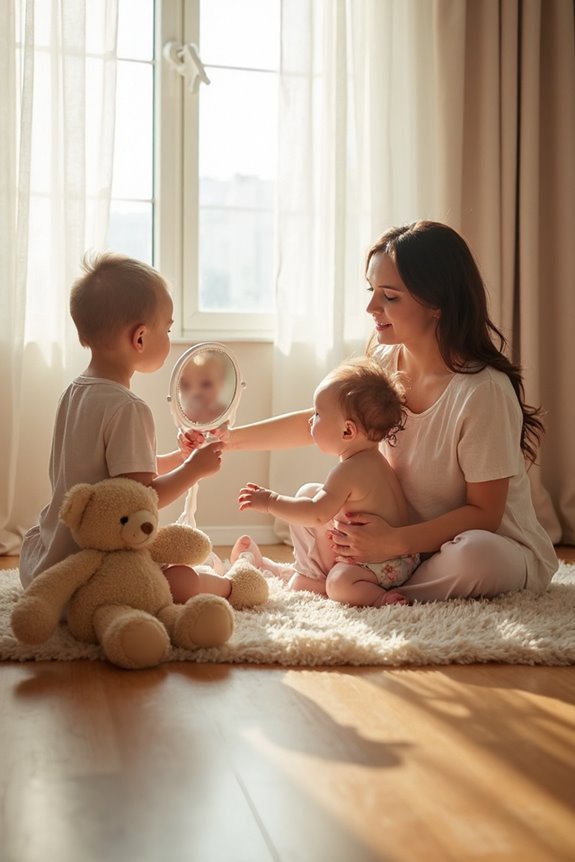
Age-related changes in infant perception reveal the fascinating journey of how little ones gradually start to see and understand the world differently. By one week, babies can see about 8 to 10 inches away. Their visual acuity and depth perception improve over time, with significant advancements by five months.
Let’s explore some perceptual milestones:
- Object Recognition: By six months, infants recognize familiar objects and faces, strengthening their social interactions.
- Color Vision: Develops around one week and refines by five months, allowing for more vibrant experiences.
- Motion Perception: Begins at two months, helping infants track movement.
- Social Interaction: By nine months, babies engage more in social interactions, imitating gestures and understanding social cues.
These changes empower infants to explore and connect with their environment.
Causes of Separation Anxiety in Babies
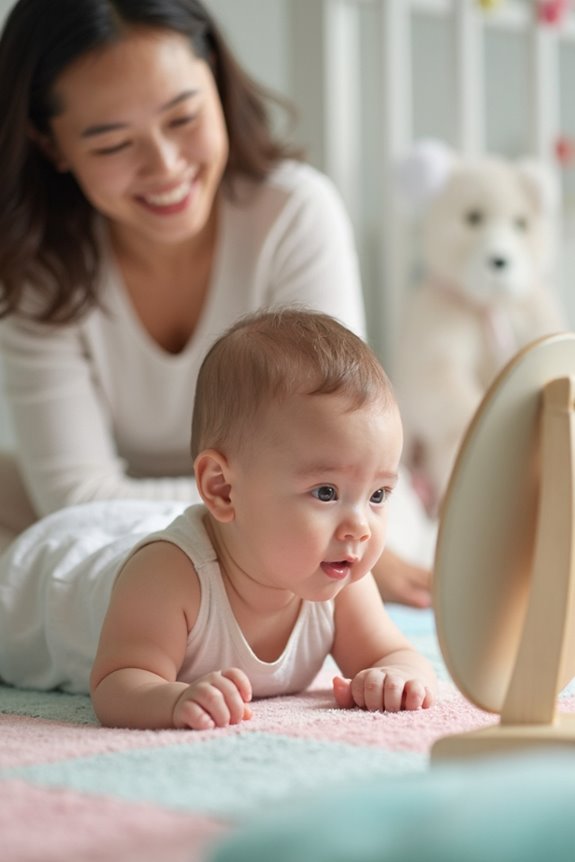
Understanding how babies perceive their world helps us grasp why separation anxiety can emerge. This anxiety often starts when they begin recognizing their independence, leading to heightened awareness of attachment styles and caregiver presence. Several causes can trigger this anxiety:
- New Environments: Unfamiliar settings can unsettle little ones.
- New People: Strangers or new caregivers might amplify their anxiety.
- Changes in Family Dynamics: A new sibling can shift attention, impacting attachment.
- Caregiver Stress: Babies sense our stress, which can transfer to them.
- Loss or Absence: Extended separations can intensify fears of permanent loss.
Recognizing these triggers helps us understand separation anxiety’s roots. Babies, sensitive to change and emotional cues, depend on caregiver presence for reassurance and stability.
Recommended Products

Calming Comfort for Puppies & Dogs – The Comfort Cuddler Puppy Heartbeat Pillow helps reduce stress, separation anxiety, and negative behaviors like whining and barking, making crate training and travel easier.

Separation Anxiety Relief: The heartbeat toys with heartbeat which is a simulation of the true pulsing heartbeat enables the puppy to feel the heartbeat, thereby reducing their anxiety and get used to the new home or tough time as soon as possible.

Dog Anxiety Relief Toy: The puppy toys with heartbeat which is a simulation of the true pulsing heartbeat enables the puppy to feel the comfort, thereby reducing their anxiety and get used to the new home or tough time as soon as possible.
Strategies for Coping With Separation Anxiety
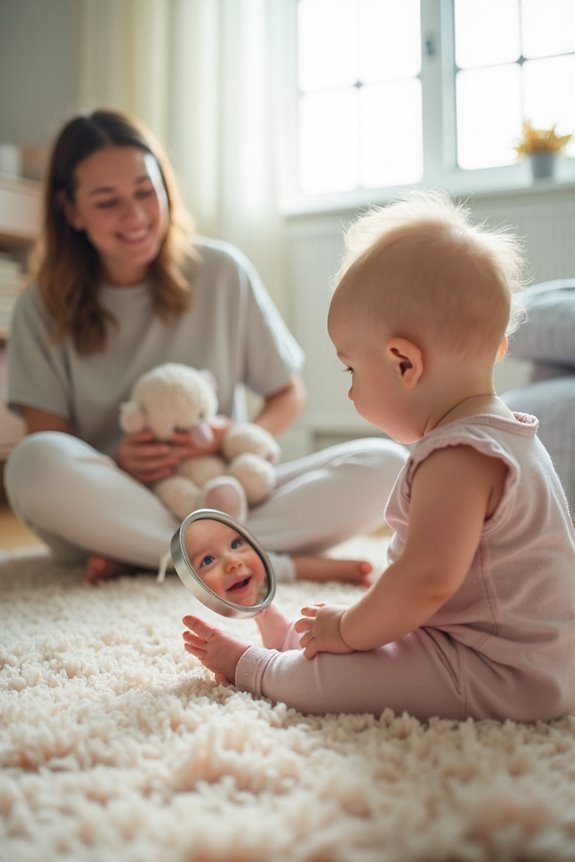
When separation anxiety kicks in, it can be challenging for both the baby and the caregiver, but there are effective strategies we can use to ease this transition. Let’s explore some separation techniques and comfort strategies:
- Cuddle and Comfort Regularly: Holding and cuddling foster secure attachment and ease anxiety.
- Practice Brief Separations: Leave the baby safely and return soon to build trust.
Developing a routine offers predictability, while encouraging independence allows exploration under our watchful eyes. Introduce comfort objects like a favorite blanket to help them feel secure. Playing games like peek-a-boo teaches them we’re always coming back. Stay calm and reassure them with consistent communication. By gradually introducing trusted caregivers, we help them adapt more comfortably to separations, strengthening their confidence and our bond.
Recommended Products

Soft and Breathable: Crafted from premium soft gauze fabric, it offers a gentle touch to protect your baby's delicate skin. This security blanket provides warmth without overheating, ensuring a soft, cozy embrace for all-day cuddles.

【Baby Security Blanket】 Baby lovey is made of organic cotton muslin,and its a neutral gift for all newborns, toddlers and babies.
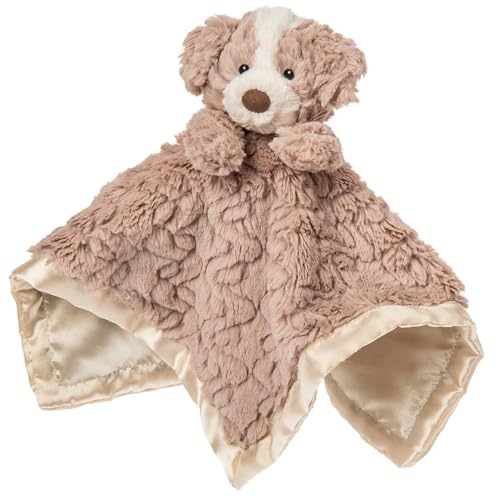
Putty Nursery Hound Character Blanket, a soft, huggable puppy made from textured tan fabric on top of an attached 13 x 13-inch blanke
Long-Term Effects of Early Separation Awareness
While strategies for coping with separation anxiety can certainly offer immediate relief, it’s important to look at the broader picture of how early separation awareness might affect children in the long run. When we consider attachment styles, we see that early separation can lead to insecure or disorganized attachments, affecting socioemotional development. Neurobiological impacts are profound; stress from separation may alter brain development and emotional regulation.
- Attachment Styles: Children in institutional care often have attachment issues.
- Neurobiological Impacts: Separation-induced stress can change stress response systems.
- Foster Care and Loss: These can lead to higher problem behaviors and insecure attachments.
As we navigate these challenges, understanding these impacts helps us create supportive environments crucial for a child’s well-being.
Frequently Asked Questions
When Do Babies Recognize Their Own Reflection in a Mirror?
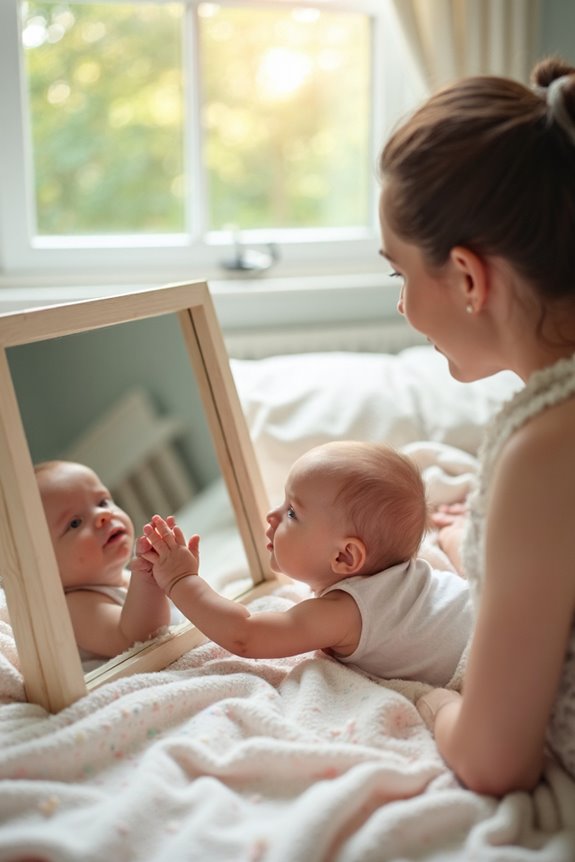
Let’s explore mirror recognition together. By 18 to 24 months, most babies show reflection awareness, recognizing themselves rather than another person. This milestone marks a beautiful step in their journey of self-discovery and identity development.
How Does a Baby’s Sense of Self Develop Over Time?
Our journey, like a budding flower, unfolds through cognitive development and emotional milestones. We marvel as babies’ sense of self blossoms, embracing their reflections, emotions, and independence, gradually realizing where they end and the world begins.
What Role Does Bonding Play in a Baby’s Self-Awareness?
In exploring bonding’s role in self-awareness, we find emotional attachment crucial. Bonding experiences, filled with mimicry and shared emotions, foster a child’s self-recognition and empathy. Let’s cherish these intimate moments that shape their identity.
How Do Cultural Practices Influence a Baby’s Understanding of Separation?
Our cultural attachment and parenting styles shape a baby’s understanding of separation. Together, we create environments where beliefs about attachment and independence guide development, influencing how infants perceive their own identity apart from us, their caregivers.
Can Early Self-Awareness Impact Future Social Interactions?
As buds bloom into flowers, early self-awareness nurtures our self-perception development, fostering emotional intelligence growth. Together, we embrace this journey, shaping future social interactions and deepening the roots of empathy and understanding in our shared human garden.