As an Amazon Associate, we earn from qualifying purchases. Some links on this site are affiliate links at no extra cost to you. Our recommendations are based on thorough research and editorial judgment.

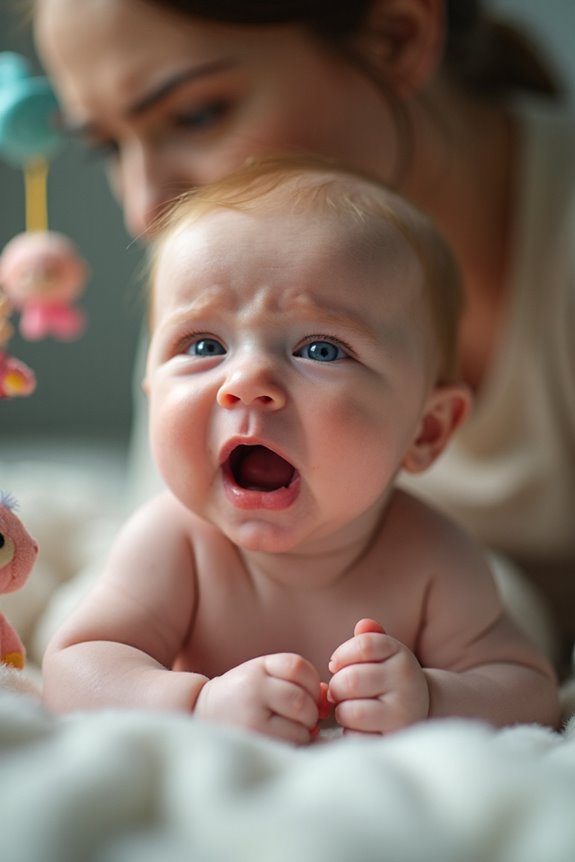
Why Do Babies Cry? Understanding Their Communication

Babies cry as their main way to communicate needs and feelings. It’s essential for you to recognize different cries, such as the rhythmic hunger cry or the high-pitched distress cry. Each type signals something unique—hunger, discomfort, or sleepiness. Prolonged crying can affect us emotionally, so understanding these signals helps manage stress and strengthens bonds. Plus, cry analysis in clinical settings is increasingly useful for diagnosing conditions. We can explore these fascinating aspects further together.
Key Takeaways
- Babies cry to communicate their needs, such as hunger, discomfort, or sleepiness, as they cannot use words.
- Different types of cries indicate specific needs, like rhythmic cries for hunger and erratic cries for distress.
- Crying peaks around four weeks of age, with an average duration of 1.5 to 3 hours per day.
- Caregiver responses to crying foster emotional bonds and help infants feel secure and protected.
- Prolonged exposure to crying can impact parental emotions, leading to stress, anxiety, or depression.
You may be interested



Recommended Products
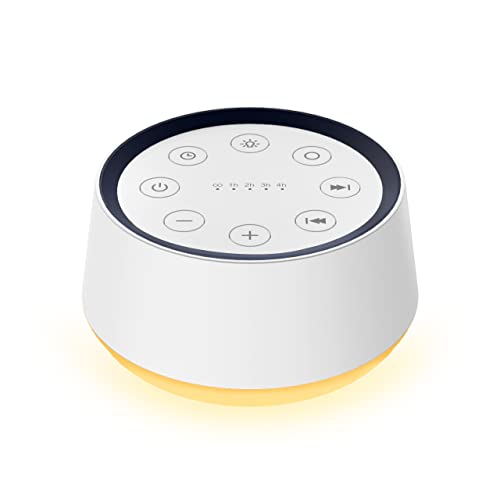
❤[30 Natural and Soothing Sounds] Our white noise machine provides 30 soothing sounds, including 3 Brown noise, 2 White noise(White noise, Pink noise), 2 fan noises( Loud and Soft Fan), 8 lullabies and 15 natural sounds( Rain, Sea waves, Brook, Bird, Train, etc.). This sound machine suitable for relieve stress, relax your mind and create a relaxing sleep environment.

⭐ 28 Soothing Sounds for Better Sleep: Designed for babies, and adults, this white noise machine includes 28 calming sounds such as white noise, fan, rain, ocean waves, thunder, birds, campfire, womb sound, lullabies, and piano melodies. It helps create a peaceful sleep routine for naps, bedtime, nursery use, and everyday relaxation.

Mom's Choice Award Winner: MeWaii's baby sound machine adapts to your child’s growth with age-specific sound profiles—from newborn soothing to toddler sleep training. As a trusted baby boy essentials, it stands out as the perfect baby shower gifts for boys. Whether you are looking for newborn baby boys gifts or first birthday gifts for boys, this award-winning sleep aid is the "must-have" that every parent actually wants
The Basics of Infant Crying
Understanding why babies cry is essential for us as caregivers, especially since crying is their primary way of communicating. On average, infants cry between 1.5 and 3 hours per day, and we often notice crying peaks around the fourth week of life.
Here are some key points about crying patterns:
- Most mothers tend to overestimate how much their babies will cry, with reality usually being less intense.
- As babies grow, their crying patterns shift significantly, which is important for us to recognize.
- Understanding these crying patterns helps us manage our own maternal expectations and respond effectively.
Types of Cries and Their Meanings
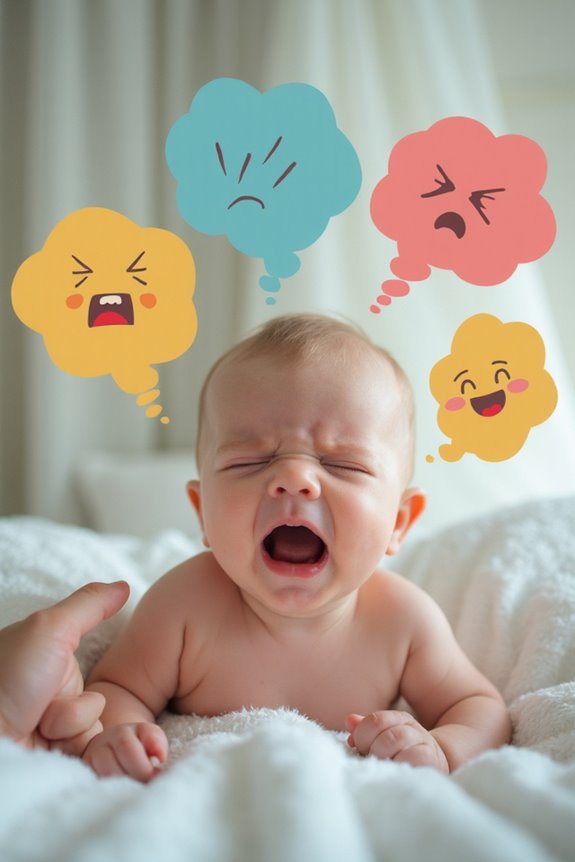
While we may sometimes feel overwhelmed by the variety of sounds our babies can make, recognizing the different types of cries can significantly improve our response as caregivers. Here’s a quick guide to help with cry recognition:
- Hunger Cry: Rhythmic, short, and loud; it’s not high-pitched and aims to get our attention.
- Distress Cry: Erratic and high-pitched, signaling urgent discomfort.
- Sleepy Cry: Long, monotonous sounds with a gentle, falling melody.
- Fussy Cry: Context-dependent, more like a wail; less intense than pain.
- Burp/Discomfort Cry: Hoarser, similar to distress but less high-pitched.
Through acoustic analysis, we see these cries have distinct features, allowing us to respond appropriately and strengthen our bond with our little ones.
Recommended Products

Adjustable sensitivity control can be set to alert you to sounds as soft as a baby's whisper A small attractive unit that immediately alerts you when your baby starts crying...
Emotional Impact on Parents
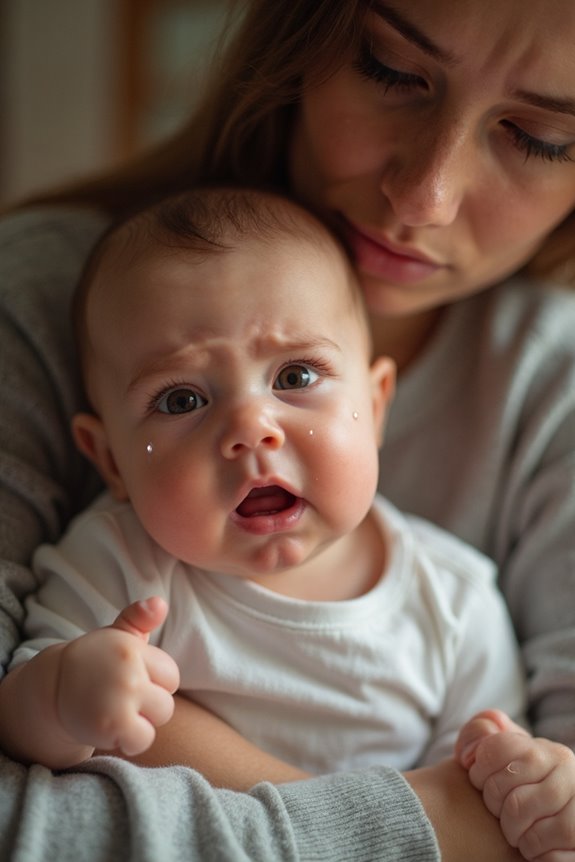
The emotional landscape of parenting is often shaped by the sounds our babies make, particularly crying. We might feel a whirlwind of emotional responses, from joy to anxiety, as we attempt to understand their needs. This can lead to parental stress, impacting our mental well-being and engagement with our little ones.
- Stress Levels: Our emotional support plays a crucial role. When we’re stressed, our ability to soothe can diminish, potentially leading to more crying.
- Mental Health: Prolonged exposure to crying can heighten symptoms of depression and anxiety in us.
Recommended Products

MADE FOR THE FOURTH TRIMESTER, BUILT FOR REAL LIFE: The weeks after delivery can feel like a lot — new hormones, little sleep, and a body that doesn't quite feel like yours yet. We built this postnatal supplement for exactly that season. Organic Ashwagandha, Saffron Bulb Extract, Chamomile, and Algae-Derived DHA work alongside essential vitamins to support emotional wellness, a healthy stress response, and postpartum hormone balance. Non-drowsy, so it fits into your day or night. Take 2 easy-to-swallow capsules daily, ideally with food, for a 30-day supply (60 capsules) of dedicated postpartum mood support.*

►► MULTI-SUPPORT: There are 3 closures that enhance the postpartum girdle wrap's flexibility and stretching ability, and 2 extra belts help to target specific areas which need support , enabling you to tighten your postpartum belly in the most scientific way. This postpartum belly wrap is equipped with 6 layers of great fabric, making it more breathable,sweat-wicking and a cool-dry wrap.

Developmental Significance of Crying

Crying doesn’t just affect how we feel as parents; it plays a significant role in our babies’ development too.
- Universal Communication: Infants can’t talk, so crying becomes their primary way to express needs, evolving through their early months.
- Caregiving Responses: When our babies cry, it triggers us to respond, fostering a protective bond. This instinct is rooted in crying evolution, ensuring survival.
- Social Development: As our little ones grow, their cries become more specific, signaling hunger or discomfort, which helps us understand them better.
- Neuroscience of Crying: Our brains react to their cries, activating empathy and readiness to help, strengthening our emotional connection.
Clinical Applications of Cry Analysis

As we explore the clinical applications of cry analysis, it’s crucial to understand how these advancements can transform infant healthcare. By analyzing cry characteristics, we can gain valuable insights into an infant’s health. Here are some key points:
- Objective Measures: Acoustic cry analysis provides reliable diagnostic tools, reducing subjectivity in assessments.
- Neonatal Abstinence Syndrome (NAS): Accurate cry evaluation helps diagnose NAS, ensuring timely interventions.
- Neurological Disorders: Early detection of conditions can be achieved through cry analysis.
- Multi-Modal Analysis: Combining cry sounds with other indicators enhances accuracy.
- Deep Learning Models: Advanced algorithms classify cries effectively, improving diagnostic precision.
These tools are not just innovations; they’re lifelines for parents and caregivers, guiding us in providing better care for our little ones.
Future Directions in Cry Research
While it’s easy to overlook the significance of a baby’s cries, advancements in cry research are paving the way for groundbreaking discoveries that could reshape how we understand infant health.
- Technological Advancements: We’re witnessing a shift from subjective assessments to objective, data-driven analysis, thanks to machine learning and deep neural networks.
- Cross-Cultural Studies: By pooling data globally, we’re uncovering universal patterns in cries, helping us recognize diverse infant needs.
These innovations aim to develop tools that identify physiological indicators of hunger, pain, or illness. Imagine real-time systems alerting caregivers, improving early detection of health issues. The future holds promise for better understanding and supporting our babies, making every cry a crucial part of their communication.
Frequently Asked Questions
Can Environmental Factors Influence a Baby’s Crying Patterns?
Imagine a soft breeze whispering through a room; it’s not just our baby’s cries we hear. Environmental factors like temperature sensitivity and noise levels shape their world, guiding their tiny hearts’ emotional expressions.
How Can Parents Distinguish Between Different Types of Cries?
When we listen closely, we can learn to distinguish cry types by observing our baby’s cues. Each sound carries a message, and with patience, we’ll understand their needs, fostering a deeper bond and connection.
Is There a Normal Crying Frequency for Different Ages?
Oh, the symphony of baby cries! At age milestones, we’ll see crying frequency peak around two months, serenading us for up to two hours daily. Fear not; it’s all part of their charming communication!
Do All Babies Cry the Same Amount?
Not all babies cry the same amount. We notice crying variations often stem from individual temperament. Some little ones are naturally more vocal, while others may express their needs less frequently. It’s all part of their uniqueness.
Can Soothing Techniques Reduce Crying Duration Effectively?
When we tried swaddling our little one, we noticed a remarkable decrease in crying duration. By combining soothing methods like white noise and calming routines, we found a peaceful rhythm that transformed our evenings together.